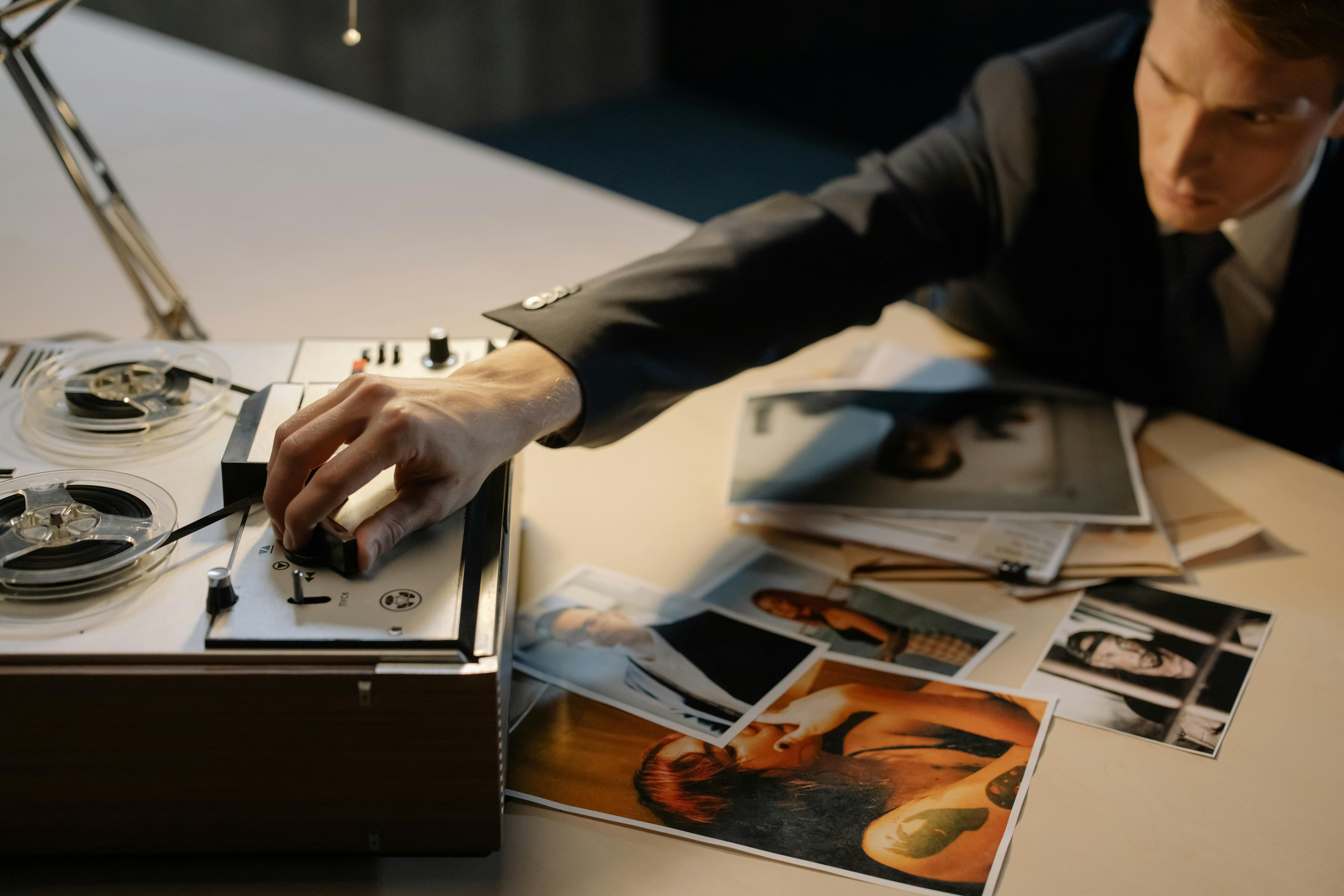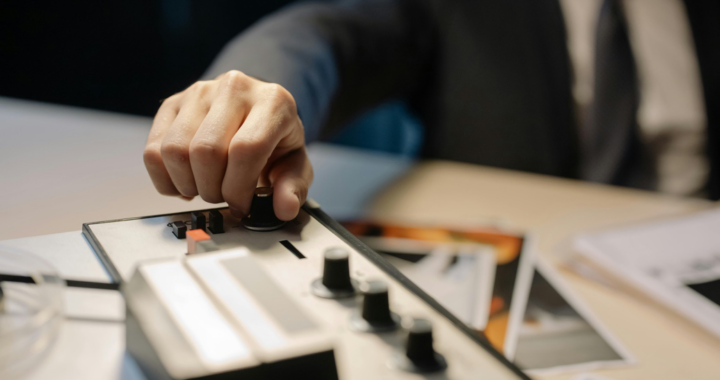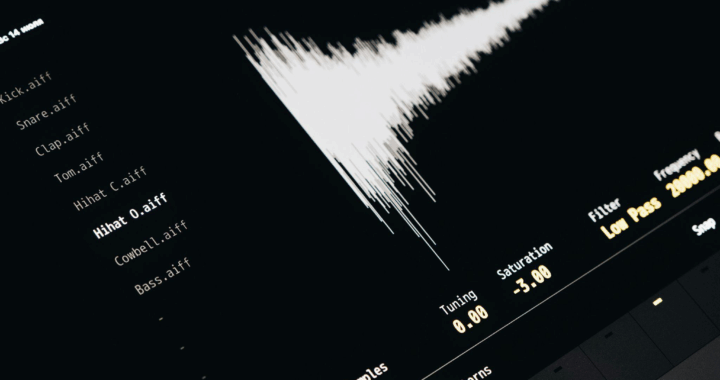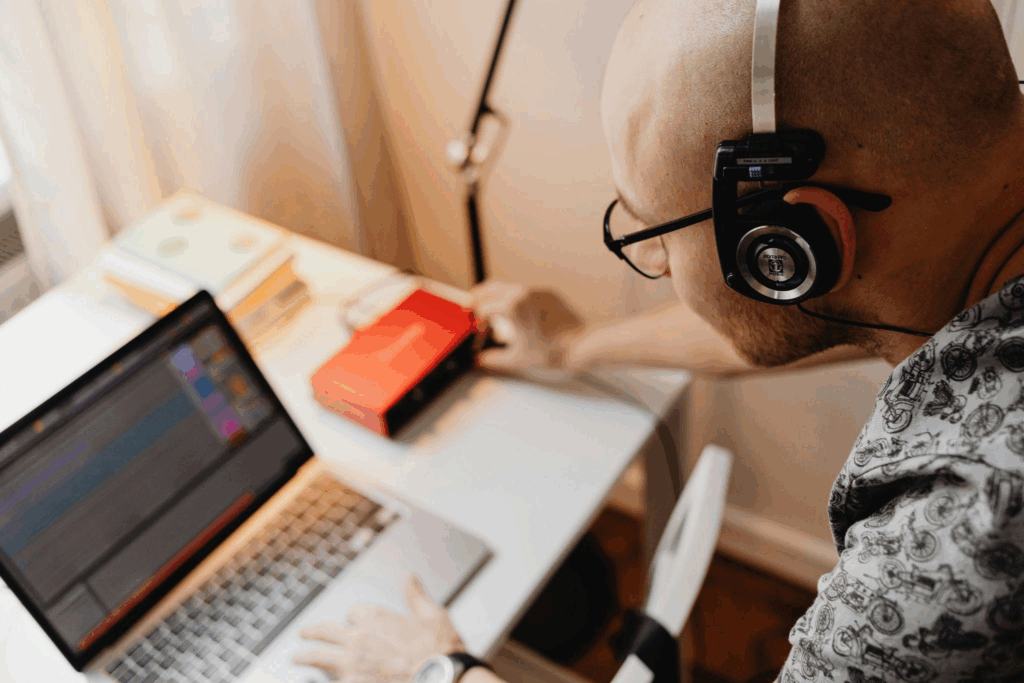
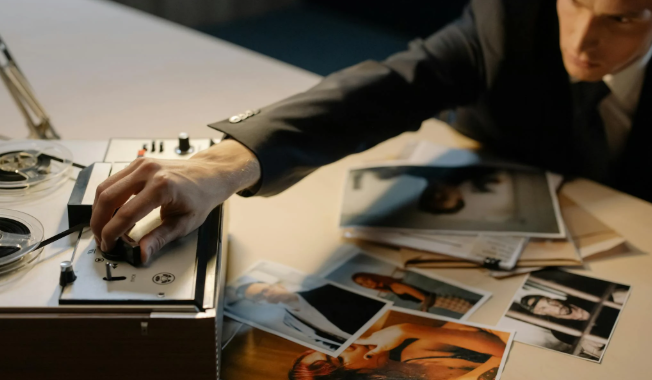
This image shows a specialist adjusting audio equipment while reviewing photographs and case materials.

Forensic Audio Techniques: Enhancing Sound for Legal Investigations

Audio recordings often play a critical role in legal investigations, providing key evidence that can clarify timelines, conversations, and intent. However, raw recordings are rarely perfect. Background noise, distortion, low volume, and environmental interference can obscure essential details. This is where forensic audio techniques become essential. By applying advanced tools and scientific methods, specialists can transform unclear recordings into usable evidence for court proceedings. These enhancements must meet strict legal standards to ensure admissibility and accuracy, making the role of audio experts highly specialized and crucial.

Understanding the Role of Forensic Audio Analysis

Forensic audio analysis focuses on examining, clarifying, and interpreting sound recordings for legal purposes. A forensic audio specialist applies both technical expertise and legal knowledge to ensure that any processed audio maintains its integrity and evidentiary value. The process involves identifying distortions, isolating voices, and verifying authenticity without altering the original meaning of the recording.

These specialists often work alongside legal teams, law enforcement, and other forensic professionals. Their findings can influence court outcomes by providing clearer interpretations of conversations or confirming whether audio has been tampered with. In many cases, their testimony becomes a vital component of litigation or criminal trials.

Common Challenges in Audio Evidence

Audio evidence presents multiple challenges that require expert intervention. Recordings captured on mobile devices, surveillance systems or hidden microphones often contain overlapping sounds, background noise or signal interference. These issues can make it difficult to distinguish speakers or understand the context of conversations.

Advanced audio forensic services FL address these challenges by applying filtering techniques, noise reduction algorithms, and spectral analysis. Specialists must ensure that enhancements do not introduce bias or distort the original recording. Maintaining the balance between clarity and authenticity is critical to preserving the evidentiary value of the audio.

Additionally, legal professionals rely on audio experts to provide detailed documentation of every enhancement step, ensuring transparency and compliance with courtroom standards.
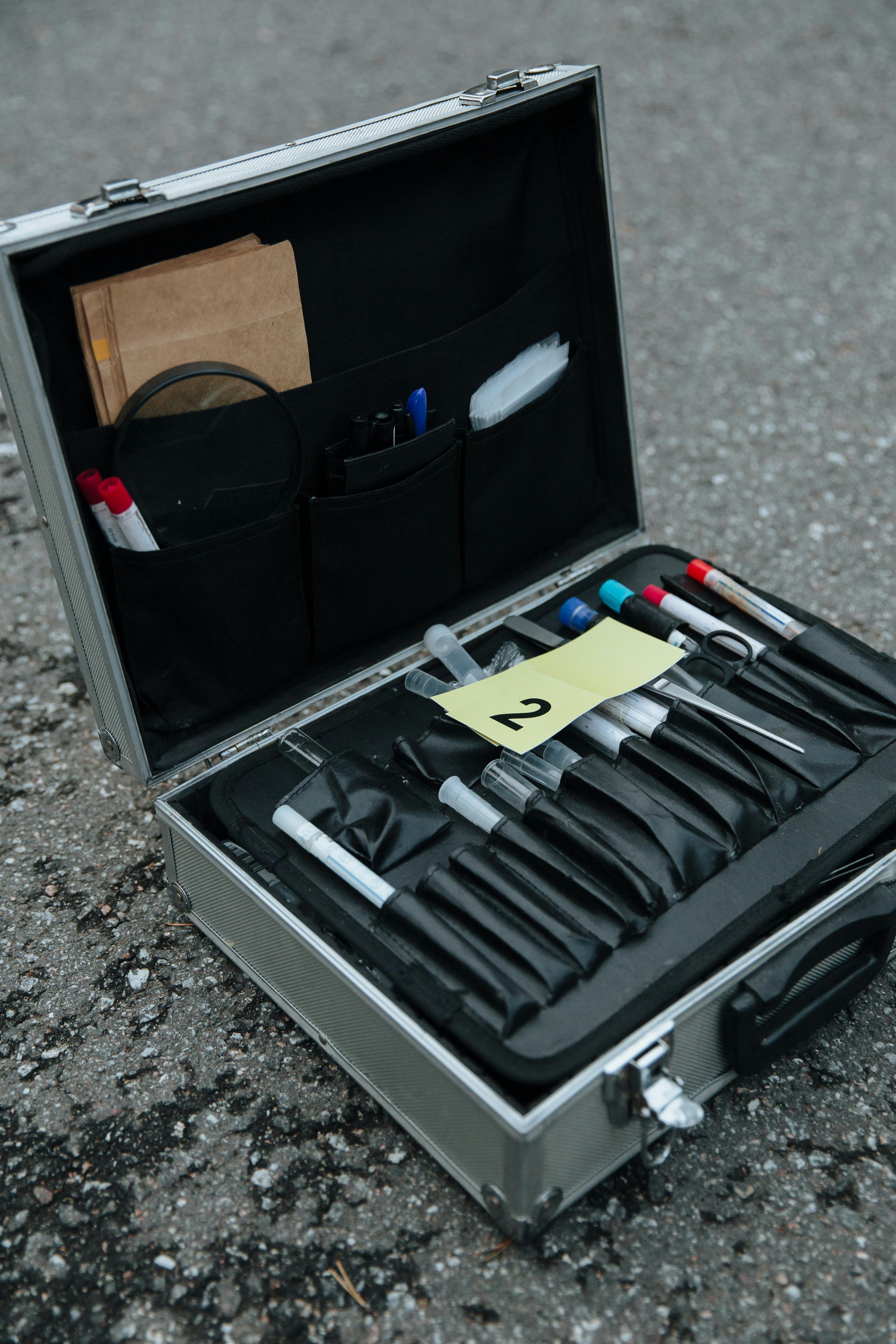
This image shows an open case with evidence tools and markers on ground.

Techniques Used to Enhance Audio Recordings

Enhancing audio recordings involves a combination of scientific methods and specialized software tools. One widely used technique is noise reduction, which removes unwanted background sounds while preserving speech clarity. Equalization is another method that adjusts frequency levels to make voices more distinguishable.

Audio forensic services FL may also use time-frequency analysis to isolate specific sounds within a recording. This allows experts to separate overlapping voices or identify subtle background details that could be relevant to the case.

Other techniques include amplification of low-volume segments, removal of hums or clicks, and reconstruction of partially inaudible speech. Each method is applied carefully to ensure that the final output remains accurate and legally admissible.

Authentication and Integrity of Audio Evidence

Beyond enhancement, verifying the authenticity of audio recordings is a critical aspect of forensic analysis. Courts require proof that a recording has not been altered, manipulated, or fabricated. This is where forensic experts play a key role in analyzing metadata, waveform patterns, and recording inconsistencies.

A digital forensic consultant may collaborate with audio specialists to validate the origin and integrity of the recording. This process ensures that the evidence can withstand legal scrutiny and be presented confidently in court.

Authentication often involves comparing the recording with known samples, checking for edits or interruptions, and confirming the recording device’s characteristics. This meticulous approach helps establish trust in the evidence and supports fair legal proceedings.

This image shows an Investigator in a protective suit collecting evidence beside officer.

Integration with Video and Digital Evidence

In many investigations, audio evidence does not exist in isolation. It is often paired with video recordings, digital files, or communication data. Integrating these elements provides a more comprehensive understanding of events.

Professionals working in digital video forensics and audio analysis collaborate to synchronize sound with visual footage. This process can reveal inconsistencies, confirm timelines, or enhance the overall clarity of evidence presented in court.

Additionally, experts involved in video authentication forensics ensure that both audio and video components are genuine and unaltered. This multidisciplinary approach strengthens the reliability of digital evidence and provides a more complete picture for legal professionals.

The Role of Technology in Forensic Audio Advancements

Technological advancements have significantly improved the capabilities of forensic audio analysis. Modern software tools allow specialists to process recordings with greater precision and efficiency. Machine learning algorithms, for example, can assist in identifying speech patterns and filtering noise more effectively.

A cyber forensic expert may utilize advanced digital tools to analyze large volumes of audio data, especially in complex cases involving multiple recordings. These technologies enable faster processing while maintaining high standards of accuracy.

Furthermore, innovations in audio visualization, such as spectrogram analysis, provide detailed insights into sound frequencies and patterns. These tools help experts identify anomalies and support their findings with visual evidence that can be presented in court.

Legal Standards and Admissibility of Enhanced Audio

Forensic audio work must adhere to strict legal standards to ensure admissibility in court. Any enhancement performed on a recording must be documented thoroughly, including the methods used and the reasoning behind them. Transparency is essential to demonstrate that the process did not alter the original meaning of the audio.

A forensic video analysis expert or audio specialist may be required to testify in court, explaining their methodology and findings. Their role is to provide objective, scientifically supported evidence that assists judges and juries in understanding complex audio data.

Courts also evaluate whether the enhancement process follows accepted forensic practices. This includes maintaining the original recording, using validated tools, and ensuring that all procedures are repeatable and verifiable.
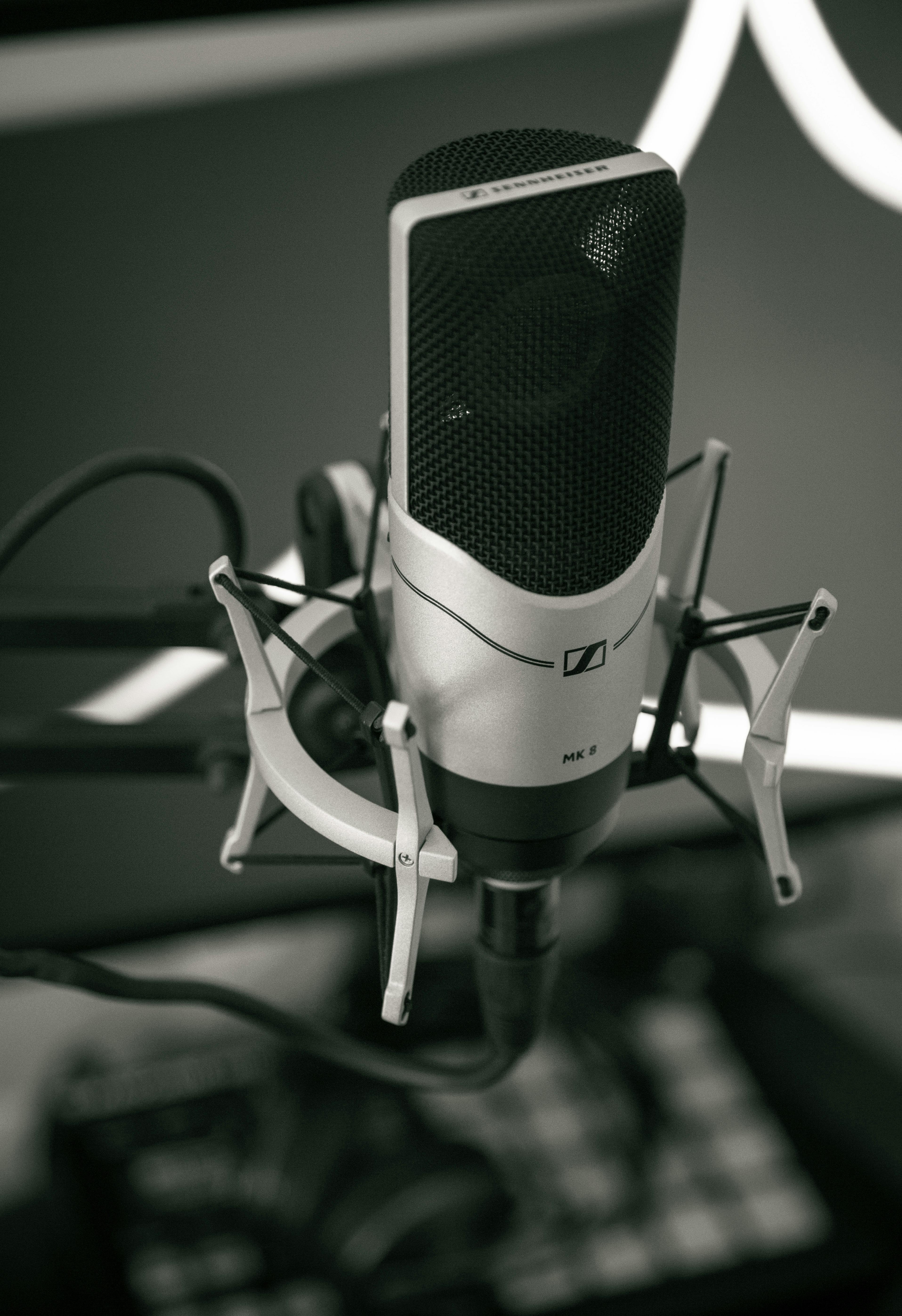
This image shows a condenser microphone being used for recording sound evidence.

Collaboration Across Forensic Disciplines

Forensic audio analysis often intersects with other areas of digital forensics. Investigations may involve mobile devices, computers, or surveillance systems, requiring a collaborative approach among specialists.

Experts in mobile device forensics frequently work alongside audio professionals to extract and analyze recordings from various sources. This collaboration ensures that all digital evidence is examined comprehensively and consistently.

In cases involving complex data sets, a data forensic expert may assist in organizing and interpreting information while a computer forensic analyst ensures the integrity of digital evidence. This multidisciplinary teamwork enhances the overall effectiveness of forensic investigations and supports accurate legal outcomes.

Importance of Chain of Custody in Audio Evidence

Maintaining a secure and well-documented chain of custody is essential when handling audio recordings for legal use. This process ensures that the evidence remains untampered from the moment it is collected to its presentation in court. A forensic audio specialist carefully logs every transfer, access point, and modification step to preserve the recording’s authenticity and credibility. Any gaps in documentation can raise doubts about the integrity of the evidence, potentially impacting its admissibility.

In many investigations, audio files are extracted from devices such as smartphones or computers. This is where expertise in cell phone forensic services becomes valuable, as specialists ensure that the extraction process is conducted in a forensically sound manner. Proper handling and documentation strengthen the reliability of audio evidence and support its acceptance in legal proceedings.
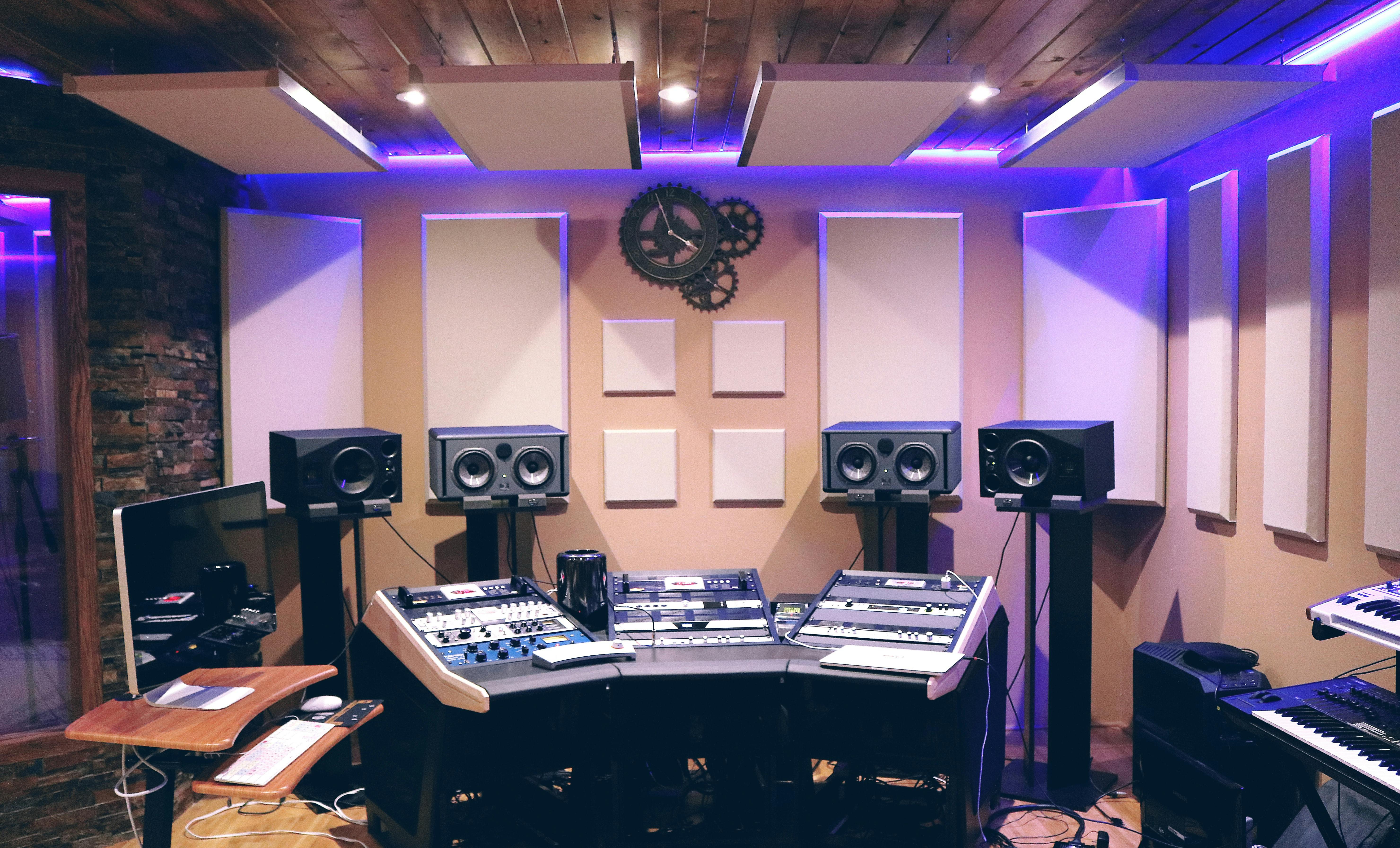
This image shows a workspace with audio tools and analysis equipment.

Voice Identification and Speaker Analysis

Voice identification is a critical component of forensic audio analysis, particularly in cases involving disputed or unknown speakers. Experts use advanced techniques to analyze vocal characteristics such as pitch, tone, and speech patterns. A forensic video analysis expert may collaborate with audio professionals when recordings are part of multimedia evidence, ensuring consistency across audio and visual elements.

Additionally, specialists involved in digital forensic services apply comparative analysis to match voices with known samples. This process must be conducted with precision and supported by scientific methodologies to ensure accuracy. Reliable speaker identification can provide crucial insights in legal cases, helping to establish identity, intent, and context within recorded conversations.

Get Expert Audio Evidence Support with Eclipse Forensics

At Eclipse Forensics, we deliver precise and court-admissible solutions  helping legal professionals and investigators turn unclear recordings into reliable evidence. We understand that cases often involve complex digital elements such as cell phone forensics in Florida and integrated media requiring expertise in forensic video services. Our team includes a highly skilled forensic audio specialist ensuring every aspect of your case is handled with accuracy and care. By combining advanced tools with proven methodologies, we enhance audio clarity while preserving authenticity, supported by detailed reporting and expert testimony when required. To discuss your specific needs and explore how we can help, reach out and connect with Eclipse Forensics today and take the next step toward clear, credible, and legally sound evidence.
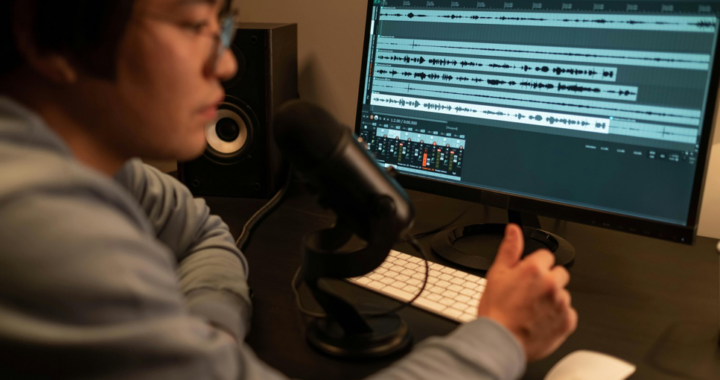
an expert going through audio for its authentication

From Noise to Clarity: How Audio Forensic Experts Recover Critical Evidence

Audio recordings often serve as valuable evidence in investigations, capturing conversations, background sounds, and key moments. However, many recordings are affected by noise, distortion, or low quality, making them difficult to interpret. An audio forensic expert applies specialized techniques to improve clarity while preserving the integrity of the original file.

The Challenges of Poor Audio Quality

Recordings collected from mobile devices, surveillance systems, or public environments often include background noise. Traffic, wind, overlapping voices, and electronic interference can make it difficult to isolate important details.

These challenges highlight the need for professional analysis. Without proper techniques, attempts to improve audio may distort the recording or reduce its value as evidence.

Noise Reduction and Filtering Techniques

One of the primary methods used in audio forensics is noise reduction. This process involves identifying unwanted sounds and reducing their presence without affecting the main audio content. Filtering tools can isolate specific frequencies, allowing experts to remove consistent background noise.

Professionals offering audio forensic services use advanced software to apply these adjustments carefully. The goal is to improve clarity while maintaining the original characteristics of the recording.

Enhancing Speech and Voice Clarity

Speech enhancement is another important aspect of audio analysis. Experts focus on improving the intelligibility of spoken words by adjusting volume levels and frequency balance.

A forensic audio specialist may also separate overlapping voices or reduce competing sounds. These techniques allow investigators to better understand conversations and identify speakers when necessary.

a person pointing at an inconsistency in an audio file

Authentication and Integrity Preservation

While improving audio quality is important, maintaining the authenticity of the recording is equally essential. Any enhancement must preserve the original content without adding or removing information.

Specialists document every step of the enhancement process. This documentation ensures that the recording can be presented with confidence and withstand legal scrutiny.

Integration with Broader Forensic Analysis

Audio evidence is often analyzed alongside other forms of digital data. When combined with video or device records, it can provide a more complete understanding of events.

Coordination with digital forensic services helps ensure that all evidence is consistent and properly evaluated.

Get Clear, Court-Ready Audio Evidence

Audio forensic techniques transform unclear recordings into valuable evidence that supports investigations and legal proceedings. With expertise from an audio forensic expert, assistance from a digital forensic consultant, and collaboration with a cyber forensic expert, investigators can ensure that audio evidence is clear and reliable.

For professional audio enhancement and analysis you can trust, Eclipse Forensics provides the expertise and tools needed to bring clarity to your most important recordings. Contact us today.

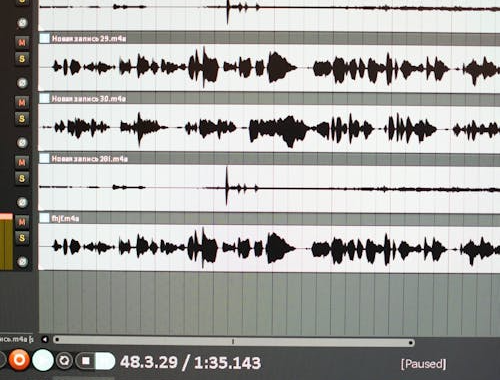
close-up of an audio editing software

Audio Authentication Techniques Every Investigator Should Know

Audio recordings play a powerful role in modern investigations, often capturing conversations, background activity, and critical details that support legal claims. However, with the ease of editing digital files, questions about authenticity have become more common. This makes authenticated audio forensics an essential process for confirming that recordings remain accurate and unchanged. When handled correctly, authenticated audio can provide strong, reliable evidence in court.

Why Audio Authentication Matters

Unlike written statements, audio recordings present direct accounts of events. They can reveal tone, timing, and intent, which are often vital in legal cases. However, without proper verification, recordings may be challenged for potential edits or manipulation.

Courts require assurance that audio evidence reflects the original recording. Any doubts about authenticity can reduce its value or lead to exclusion. By applying structured authentication methods, investigators can confirm that recordings meet legal standards and remain trustworthy.

Identifying Signs of Audio Manipulation

Modern editing tools allow users to alter audio files in subtle ways. Common modifications include cutting segments, inserting new sounds, or adjusting pitch and timing. While some edits are easy to detect, others require detailed analysis.

Professionals trained in audio forensic services examine waveforms, background noise patterns, and frequency consistency. Abrupt changes or unnatural transitions may indicate tampering. These indicators help determine whether the recording has been altered.

close-up of a person pointing at an inconsistency in an audio file

File Structure and Metadata Review

Audio files contain embedded data that provides information about their origin and history. This metadata includes timestamps, device details, and editing records. Reviewing this data helps establish whether the file has remained intact.

If metadata shows unexpected changes or missing information, it may raise concerns. Consistency between metadata and the claimed recording conditions strengthens the credibility of the evidence.

Voice and Sound Pattern Analysis

Authentication also involves examining the characteristics of voices and environmental sounds within a recording. Experts assess speech patterns, tone consistency, and background noise to ensure alignment throughout the file.

A forensic audio specialist may compare voice samples to confirm identity or detect alterations. Differences in tone, pitch, or acoustic environment can indicate edits.

Chain of Custody and Proper Handling

Maintaining a clear chain of custody is essential for preserving audio evidence. This process documents how the recording was collected, stored, and transferred. Proper handling prevents unauthorized changes and ensures integrity.

Secure storage, limited access, and detailed documentation help maintain confidence in the evidence. Courts rely on this process to confirm that recordings have not been compromised.

Reliable Audio Verification Starts Here

Services such as forensic audio services, guidance from a digital forensic consultant, and support from a cyber forensic expert help ensure that every detail is properly verified. For dependable audio verification backed by proven techniques, Eclipse Forensics provides professional support to help strengthen your case with accurate and trusted evidence. Contact us today.

Audio expert enhancing a distorted recording using professional software

Turning Distorted Audio Into Usable Evidence

Audio recordings often become critical evidence in legal and corporate investigations. However, many recordings are far from clear. Background noise, overlapping voices, device interference, or low-quality microphones can distort conversations and obscure key details. Through professional audio forensic services, unclear recordings can be processed, clarified, and evaluated for investigative relevance while maintaining evidentiary integrity.

Whether captured through surveillance systems, smartphones, or messaging apps, audio evidence must be handled carefully from the start. A qualified digital forensic expert ensures recordings are properly preserved during mobile device forensics, preventing overwrites or loss of metadata that could impact admissibility.

Identifying and Preserving the Original Recording

The first step in audio analysis is secure acquisition. A forensic audio specialist extracts the original file while preserving embedded metadata. In cases involving smartphones, forensic cell phone data recovery may retrieve deleted recordings, and a cell phone forensics expert ensures the extraction process follows court-certified forensics standards.

Preservation includes hashing, documentation, and chain-of-custody tracking, critical elements when preparing for expert testimony proceedings. A cyber forensic expert may also verify that the recording environment and file structure remain intact.

Enhancing Clarity Without Altering Evidence

Audio enhancement is not about changing content; it is about improving intelligibility. An experienced audio forensic expert uses specialized filtering techniques to reduce background noise, isolate voices, and clarify speech patterns. These processes are carefully documented to ensure that the enhancement does not compromise authenticity.

In complex cases involving both audio and video, collaboration with a forensic video analysis expert ensures synchronization accuracy. When necessary, video enhancement techniques may be applied alongside audio clarification to present cohesive evidence. This coordination supports broader forensic audio services, especially when part of larger digital video forensics investigations.

Authenticating and Analyzing Audio Evidence

Beyond enhancement, authentication is essential. Specialists use waveform analysis and file signature evaluation to authenticate audio forensics findings. Through audio authentication services, experts determine whether recordings have been altered, spliced, or manipulated.

A digital forensic consultant may later present these findings in court, explaining technical processes in understandable terms. Supporting documentation, validation reports, and metadata analysis reinforce credibility during expert witness testimony.

In cases where audio accompanies images or screenshots, professionals may coordinate with forensic image redaction experts to ensure all evidence aligns consistently and remains admissible.

Audio specialist examining waveform patterns to authenticate evidence

From Distortion to Defensible Evidence

Distorted audio can hold decisive information, but only when properly processed and authenticated. Through structured digital forensic services, skilled professionals transform unclear recordings into reliable, courtroom-ready evidence.

If your case involves unclear recordings or disputed audio files, Eclipse Forensics provides trusted audio forensic services, comprehensive digital forensic services in FL, and expert support for litigation. Contact us today to ensure your audio evidence is preserved, analyzed, and presented with precision and credibility.

Wooden judge’s gavel resting on a white surface under direct light

How Forensic Audio Analysis Supports Legal Outcomes

Recorded conversations often decide the direction of an investigation. A single phrase can confirm intent. A background sound can establish location. A timestamp can dismantle an alibi. Yet raw audio rarely arrives in perfect condition. It contains distortion, interference, compression artifacts, and environmental noise.

Forensic audio analysis transforms that raw material into reliable, courtroom-ready evidence. Professionals apply scientific methods, technical expertise, and strict documentation standards to ensure every conclusion withstands scrutiny.

When attorneys, investigators, and courts rely on recorded sound, they rely on disciplined analysis—not guesswork. Let’s explore how this process supports legal outcomes from the first intake to expert testimony.

The Role of an Audio Forensic Expert in Legal Cases

An audio forensic expert evaluates recordings with one objective: determine what the evidence truly reveals. Courts demand objectivity. They require verifiable methods. They expect defensible findings.

An expert begins by preserving the original file. They create forensic copies and document every action. They establish chain of custody. They confirm file integrity. Without these steps, opposing counsel can challenge admissibility before analysis even begins.

From there, the expert identifies the core legal questions:

  • Does the recording contain alterations?
  • Who speaks in the recording?
  • What words appear unclear?
  • Do background sounds reveal context?
  • Does metadata support the stated timeline?

Each question drives a specific analytical process. Each process follows industry standards and scientific principles.

Understanding the Core Components of Forensic Audio Analysis

1. Evidence Preservation and File Integrity

Before interpretation begins, professionals protect the evidence. They verify checksums. They examine file headers. They review embedded metadata. They document format details and compression structures.

These steps confirm authenticity and prevent claims of tampering.

If the integrity fails, the entire case may weaken. Strong preservation practices strengthen admissibility and credibility.

Person holding a smartphone while working on a laptop, reviewing digital content

2. Audio Enhancement for Clarity

Many recordings originate from mobile devices, surveillance systems, or body-worn equipment. These sources often produce low-level, noisy, or distorted audio.

A forensic audio specialist uses advanced tools to improve intelligibility while preserving the original structure of the file. They reduce background noise. They manage hum and interference. They adjust equalization. They clarify speech frequencies.

Enhancement does not mean alteration. The specialist never adds information. They only reveal what already exists within the recording. Clearer speech helps juries understand key statements. Clarity eliminates ambiguity. Precision strengthens arguments.

3. Voice Comparison and Speaker Identification

Legal disputes often hinge on identity. Who spoke the incriminating words? Who made the threat? Who negotiated the agreement?

Voice comparison involves acoustic measurement and perceptual evaluation. The expert analyzes pitch patterns, formant frequencies, speech rhythm, pronunciation habits, and vocal tract characteristics.

They compare known samples with questioned recordings. They evaluate similarities and differences. They quantify findings using accepted methodologies. Courts recognize that voice identification requires expertise. Proper analysis reduces speculation and increases reliability.

4. Audio Authentication Services

Attorneys frequently request audio authentication services to confirm whether a recording remains original and unedited.

Authentication involves:

  • Detecting abrupt waveform inconsistencies
  • Identifying unnatural transitions
  • Examining background continuity
  • Analyzing spectral signatures
  • Reviewing encoding anomalies

If someone spliced segments together, inserted material, or removed portions, trained analysts can detect those irregularities.

Authentication protects both prosecution and defense. It prevents wrongful conclusions based on manipulated evidence.

How Forensic Audio Services Strengthen Investigations

Investigators gather large volumes of data. They collect surveillance clips, recorded interviews, intercepted calls, and voicemail messages. Without structured analysis, crucial details remain buried.

Forensic audio services help investigators:

  • Clarify unintelligible dialogue
  • Isolate specific speakers
  • Establish event timelines
  • Identify environmental clues
  • Validate recording authenticity

For example, background sounds may reveal traffic patterns, gunshots, machinery, or identifiable ambient noise. These details can confirm location or timing.

In criminal cases, this analysis may link suspects to conversations. In civil disputes, it may clarify contract terms or workplace interactions. Reliable interpretation accelerates case development and sharpens strategy.

The Scientific Foundation Behind the Process

Effective forensic audio analysis relies on acoustics, signal processing, linguistics, and digital forensics. Professionals apply measurable techniques rather than subjective impressions.

They examine:

  • Waveform structures
  • Frequency spectrums
  • Harmonic content
  • Dynamic range
  • Temporal patterns

They document every step. They maintain reproducibility. They produce detailed reports that explain methodology in plain language.

This transparency matters in court. Judges and juries need clarity. Attorneys need confidence. Opposing experts may challenge conclusions, so every claim must rest on demonstrable evidence.

Close-up of hands typing on a laptop with a document open on screen

Courtroom Impact: From Lab to Testimony

Analysis alone does not secure a legal victory. Presentation plays an equally critical role. An audio forensic expert translates technical findings into understandable explanations. They prepare demonstrative exhibits. They provide enhanced playback examples. They describe methods without overwhelming the court.

Effective testimony connects science to legal relevance.

For example:

  • An authenticated recording supports admissibility.
  • A clarified threat strengthens a prosecution argument.
  • A detected edit undermines opposing evidence.
  • A verified timeline disproves an alibi.

The expert must remain impartial. Credibility depends on neutrality. Courts respect professionals who present facts clearly and avoid exaggeration.

Common Legal Scenarios That Require Audio Analysis

1. Criminal Investigations

Law enforcement relies heavily on recorded evidence. Interrogations, surveillance, and undercover operations produce audio that demands scrutiny. Authentication prevents wrongful accusations. Enhancement clarifies intent, and speaker analysis links suspects to statements.

2. Civil Litigation

Disputes between business partners, employers, and individuals often involve recorded conversations. One party may allege coercion, fraud, or verbal agreements. Forensic audio services help attorneys confirm authenticity and interpret ambiguous language.

White cassette tape with unraveled magnetic tape on an orange background

3. Family Law and Domestic Disputes

Custody battles and restraining order hearings sometimes involve recorded exchanges. Courts must evaluate threats, admissions, or aggressive language carefully.

Objective analysis ensures fairness.

4. Internal Corporate Investigations

Organizations use recorded calls for compliance and risk management. When misconduct allegations arise, companies turn to professionals to verify recordings and interpret content accurately.

Avoiding Common Misconceptions

Many people assume enhancement software can “fix” any recording. Reality differs. Poor-quality audio limits recoverable information. Professionals cannot create speech that never existed.

Others assume authentication always reveals obvious edits. Skilled manipulation can appear seamless. Only thorough spectral and waveform examination reveals subtle inconsistencies.

Finally, some believe juries will “hear what they want.” Clear, properly prepared playback eliminates confusion and reduces misinterpretation. Professional methodology ensures accuracy.

Why Objectivity Matters Most

Legal outcomes depend on trust. An expert must avoid bias. They must analyze evidence regardless of which party retains them.

Strong forensic practice includes:

  • Detailed documentation
  • Transparent methodology
  • Peer-reviewed principles
  • Clear reporting standards

This discipline builds confidence. It protects the judicial process. It ensures that conclusions rest on science, not speculation.

The Growing Importance of Audio Authentication Services

Digital technology makes recording easier than ever. It also makes manipulation easier. Editing software allows seamless splicing. Compression hides artifacts. Synthetic voice technology introduces new risks.

As digital manipulation evolves, audio authentication services become increasingly vital. Courts require reliable verification methods to distinguish genuine evidence from fabricated content.

This growing demand places greater responsibility on every forensic audio specialist to remain current with emerging techniques and threats.

Precision, Integrity, and Legal Success

When attorneys present audio evidence, they stake their credibility on its reliability. Poor analysis invites cross-examination attacks. Weak documentation invites exclusion.

Professional forensic audio services provide:

  • Scientific rigor
  • Clear documentation
  • Defensible conclusions
  • Courtroom-ready presentation

Every step influences admissibility. Every conclusion shapes legal strategy.

Strong analysis can corroborate testimony, expose deception, confirm timelines, and clarify intent. That impact often shifts the balance of a case.

Maintaining Chain of Custody and Legal Admissibility

Courts demand more than clear sound. They demand proof that the evidence remained secure from collection to presentation. A single gap in documentation can weaken credibility and invite challenges from opposing counsel.

An audio forensic expert establishes and protects chain of custody from the start. They document who collected the recording, how they transferred it, where they stored it, and who accessed it. They generate forensic copies using verified tools. They calculate and record hash values to confirm file integrity. These steps create a traceable record that demonstrates consistency and control.

A forensic audio specialist also logs every analytical action. They record software versions, processing settings, and examination dates. This documentation ensures reproducibility. Another qualified professional can review the same material and follow the same steps.

Proper handling strengthens admissibility. Judges evaluate reliability before allowing juries to hear evidence. Thorough documentation shows professionalism, transparency, and respect for legal standards. Strong chain-of-custody practices protect the recording, the findings, and the case itself.

Investigator reviewing photographs while operating a reel-to-reel tape recorder

Partner With Eclipse Forensics for Trusted Forensic Audio Analysis

At Eclipse Forensics, we deliver precise, court-certified forensic audio services that stand up to scrutiny. Our team brings decades of engineering and investigative experience to every case.

We approach each recording with disciplined methodology, advanced technology, and unwavering objectivity.

We support attorneys, law enforcement agencies, and private clients with comprehensive audio forensic services that clarify evidence and strengthen courtroom presentation. If your case depends on recorded sound, contact Eclipse Forensics today. We stand ready to help you transform complex audio evidence into clear, defensible results.

forensic audio specialist using audio authentication techniques on a recorder

How Experts Prove an Audio Recording Is Authentic

Audio recordings can be powerful evidence, but only if they are proven to be genuine. In legal cases, questions often arise about whether a recording has been altered, edited, or taken out of context. This is where audio authentication techniques play a critical role in determining whether an audio file can be trusted.

At Eclipse Forensics, certified experts apply forensic science to verify the integrity, originality, and continuity of audio evidence for court use.

What Audio Authentication Really Means

Audio authentication is not about enhancing sound quality. Instead, it focuses on answering key questions:

  • Is the recording original?
  • Has it been edited, spliced, or altered?
  • Does it show signs of interruption or manipulation?

A trained forensic audio specialist examines both the audible content and the underlying digital structure of a file to determine whether it has remained intact since creation.

The Forensic Process Behind Audio Authentication

Using audio authentication services, experts follow a structured and documented process designed to meet legal standards. This includes:

  • Analyzing file metadata and encoding properties
  • Examining waveform consistency and signal continuity
  • Identifying anomalies such as dropouts, compression changes, or repeated patterns
  • Comparing recordings against known exemplars when needed

All steps are logged to ensure findings are repeatable and defensible under court-certified forensics standards.

Audio Evidence Across Digital Devices

Audio evidence often originates from phones, computers, or video recordings. A digital forensic engineer may first acquire the device using forensic imaging before audio analysis begins.

Sources frequently examined include:

  • Smartphones through cell phone forensic services
  • Computers during forensic computer investigations
  • Embedded audio from video files using video forensic services

In cases involving video, experts may also authenticate video forensics to ensure audio and visual tracks remain synchronized and unaltered.

When Audio and Video Forensics Overlap

Many recordings are captured on surveillance systems or mobile devices that combine audio and video. A video forensic expert may work alongside an audio forensic expert to confirm that neither component has been modified.

This multidisciplinary approach often includes digital video forensics, support, and collaboration with computer forensics consultants when multiple devices or storage systems are involved.

audio forensic expert reviewing documentation for court-certified forensics

Explaining Findings Clearly in Court

Authentication is only valuable if it can be explained clearly. Experts must present findings in a way judges and juries can understand, without technical jargon. A cyber forensic expert or forensic audio specialist focuses on explaining what was examined, how it was tested, and why the conclusions are reliable.

This clarity is essential during testimony and cross-examination.

Authentic Audio Starts with Trusted Forensics

Proving that an audio recording is authentic requires more than software; it requires experience, discipline, and forensic methodology. Audio authentication techniques ensure recordings can be relied upon as evidence, not questioned for their integrity.

If your case involves disputed audio evidence, Eclipse Forensics provides certified experts in audio, video, and digital forensics. Visit to learn more about their forensic services and expert testimony support.

view of an empty courtroom

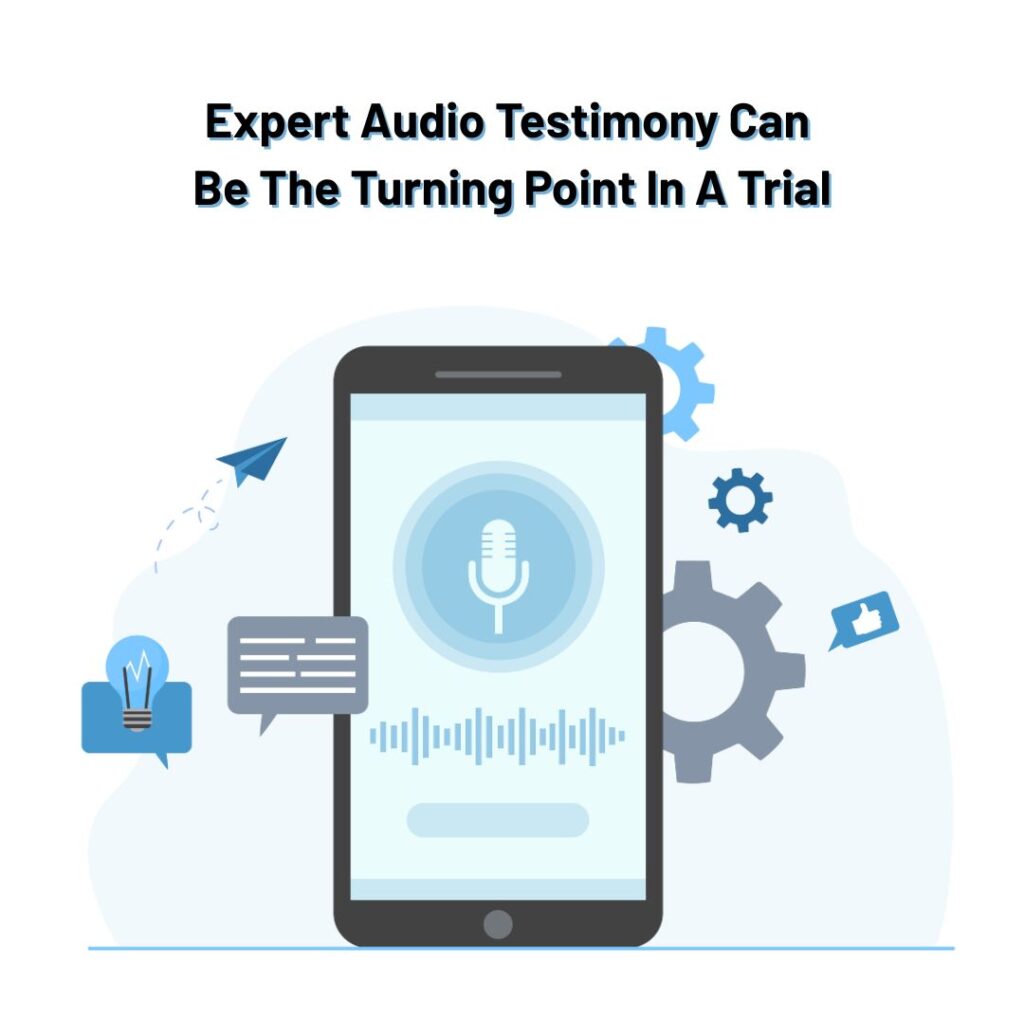
A Comprehensive Guide to How Forensic Audio Testimony Influences Verdicts

Courtrooms today are no longer confined to physical evidence, written statements, and witness recollections. In many high-stakes trials, forensic audio expert testimony plays a decisive role in shaping how evidence is understood and interpreted.

From subtle background noises in a recording to complex signal analysis, the ability to clarify sound can directly influence a verdict. This isn’t just about hearing better; it’s about ensuring that every second of audio is verified, contextualized, and communicated in a way that juries and judges can trust. Here’s how these testimonies play a big role.

How Forensic Audio Shapes Legal Outcomes

Audio evidence is often emotionally powerful because it brings the courtroom closer to the event itself. In some cases, such recordings can serve as primary evidence, especially in criminal investigations, fraud cases, or internal disputes. According to the National Institute of Justice, audio forensics involves the scientific examination and evaluation of sound recordings to clarify content or authenticate their origin.

When audio forensic services are used effectively, expert testimony can explain elements that might otherwise be overlooked: ambient noise patterns, overlapping voices, tampering indicators, or specific time markers. Jurors may not have the technical expertise to dissect these details, which is why testimony from trained professionals, like a digital forensic engineer, becomes pivotal in shaping their understanding.

an audio recording on a smartphone


Breaking Down Complex Audio for the Court

One of the biggest advantages of introducing forensic audio expert testimony is the translation of complex technical language into terms a jury can comprehend. Forensic experts apply specialized tools and methodologies to analyze speech patterns, identify manipulations, and remove distortions without altering evidentiary integrity.

For example, modern audio analysis can detect compression artifacts and frequency anomalies to verify authenticity. When presented clearly, this analysis allows legal professionals to build stronger narratives.

Authenticity and Admissibility: The Legal Barriers

Before audio recordings can even reach the jury, they must pass legal standards for admissibility. Courts often require a demonstration of the recording’s chain of custody, authenticity, and relevance. This is where audio authentication services come into play.

They can identify whether the file has been altered, whether intentionally or accidentally, by using spectrographic analysis, waveform evaluation, or metadata inspection. Studies note that authenticating recordings plays a central role in ensuring that manipulated files don’t make their way into a trial.

This step ensures evidence reliability. It prevents the defense or prosecution from relying on recordings that could distort facts, ensuring a fairer trial.

a person listening to an audio recording

Building Juror Trust Through Expert Testimony

Jurors rarely have technical backgrounds, and yet they’re often tasked with making decisions based on technical evidence. A forensic audio expert’s testimony bridges this gap. Instead of simply presenting a cleaned-up clip, the expert can explain how it was enhanced, what was removed, and why certain elements matter.

Research highlights that juror confidence in expert testimony increases significantly when experts provide transparent explanations supported by demonstrable analysis. This transparency makes the evidence more persuasive and less prone to being dismissed as “unreliable tech.”

Moreover, a data forensic expert often works alongside legal teams to ensure that their findings align with courtroom standards and can withstand cross-examination.

The Role of Technology in Audio Forensics

Modern forensic analysis isn’t just about listening; it’s about decoding. Advanced tools allow experts to isolate frequencies, identify background chatter, and detect inconsistencies in a recording’s waveform. Techniques like spectral subtraction and adaptive filtering enhance audio clarity while maintaining evidentiary value.

A cyber forensic expert may integrate audio analysis with other digital evidence to build a stronger case. For example, if a call recording is under question, experts may match audio timestamps with mobile device forensics data to verify authenticity and timeline.

Research has shown that integrating multiple forensic disciplines leads to higher evidentiary accuracy and courtroom credibility.

Collaboration Between Audio and Video Experts

Many cases involve both audio and visual evidence. For instance, surveillance footage might contain conversations that need clarification. A forensic video analysis combined with audio forensics can synchronize and clarify evidence.

A forensic video analysis expert may enhance the visual elements, while an audio specialist refines the sound, creating a cohesive and credible narrative for the courtroom. When these two forms of evidence align, they can provide a level of clarity that neither could deliver alone.

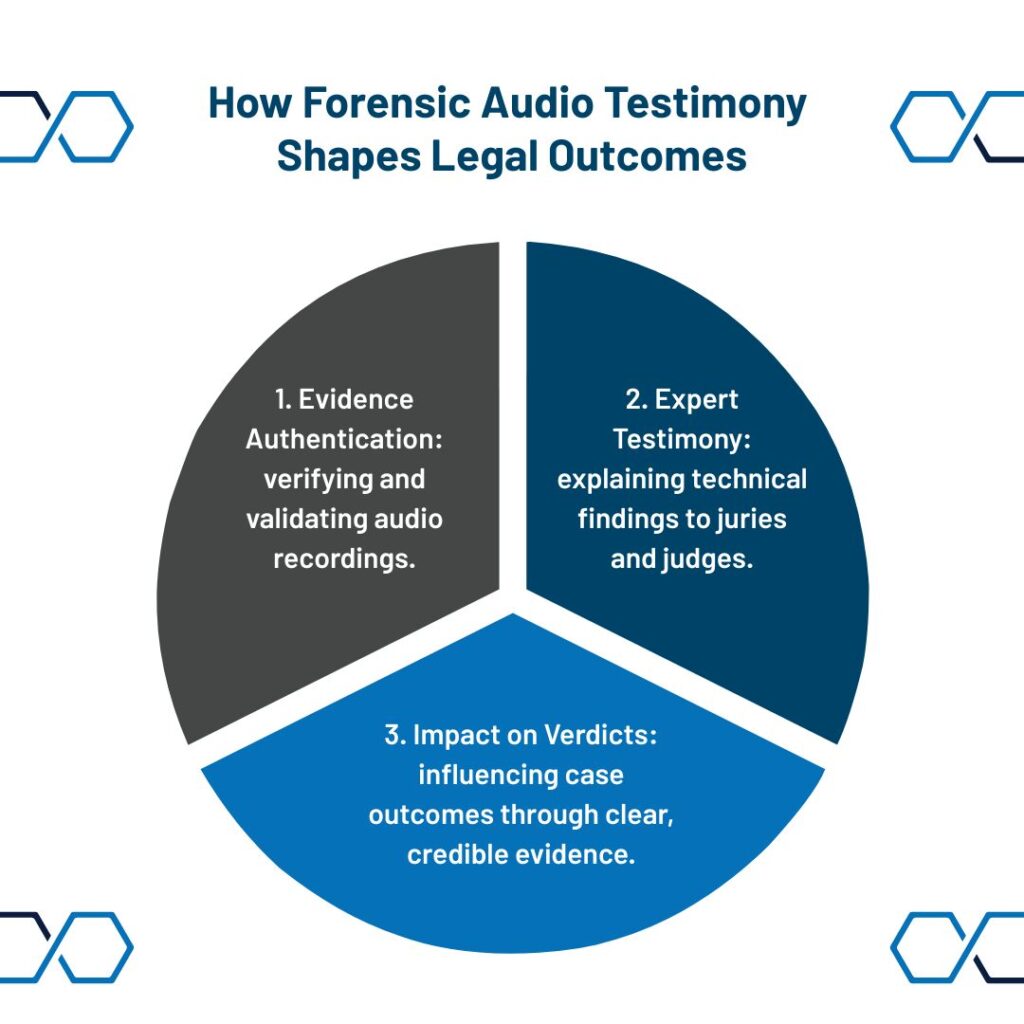
 pie chart stating how forensic audio testimony shapes legal outcomes

Influencing Verdicts Through Clear Communication

Perhaps the most overlooked factor in the impact of forensic audio expert testimony is communication. Technology may be sophisticated, but if an expert cannot explain their findings in plain language, its impact diminishes.

This is why experienced professionals not only analyze but also translate technical results into clear, courtroom-friendly explanations. According to studies, effective expert testimony increases the likelihood that jurors will find the evidence credible and relevant.

The clarity and transparency of expert testimony can tip the scale in close cases, especially when audio recordings contain key statements, background cues, or timeline-defining moments.

Ensuring Integrity Through Methodology

Forensic audio analysis follows strict protocols. From evidence acquisition to enhancement and authentication, each step is documented and repeatable. This procedural integrity ensures that opposing counsel can review methods without compromising evidentiary trust.

By working with audio forensic services, legal teams can ensure that every process meets scientific standards. This reduces the risk of objections or evidence exclusion during trial.

Chain-of-custody documentation, forensic imaging, and analytical logs are all critical elements that protect the evidence from challenges.

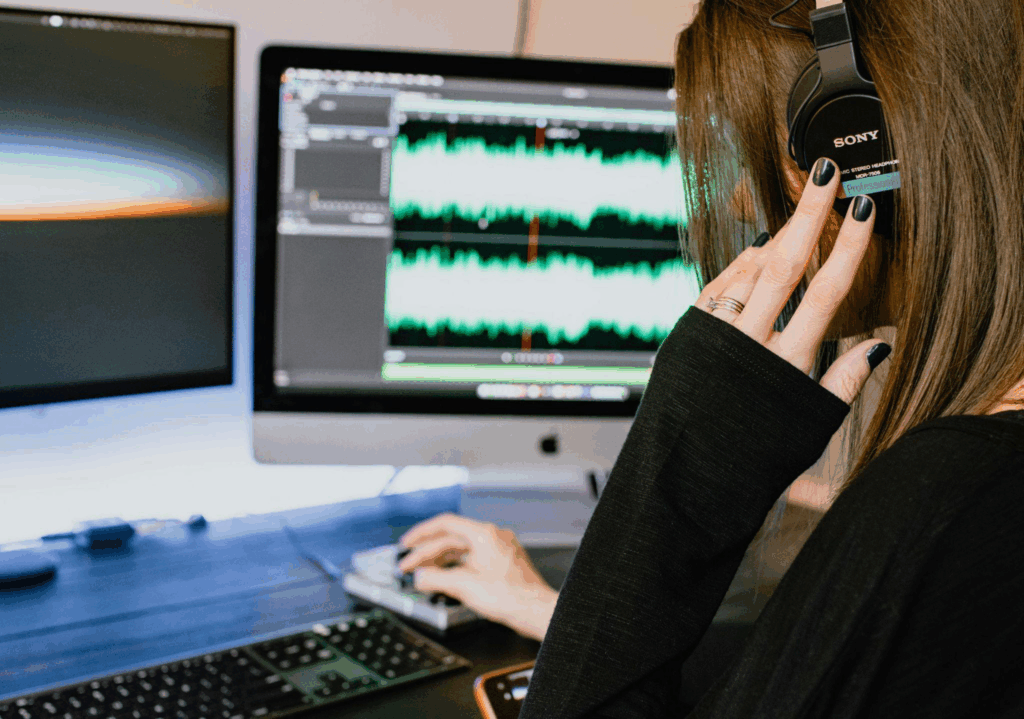
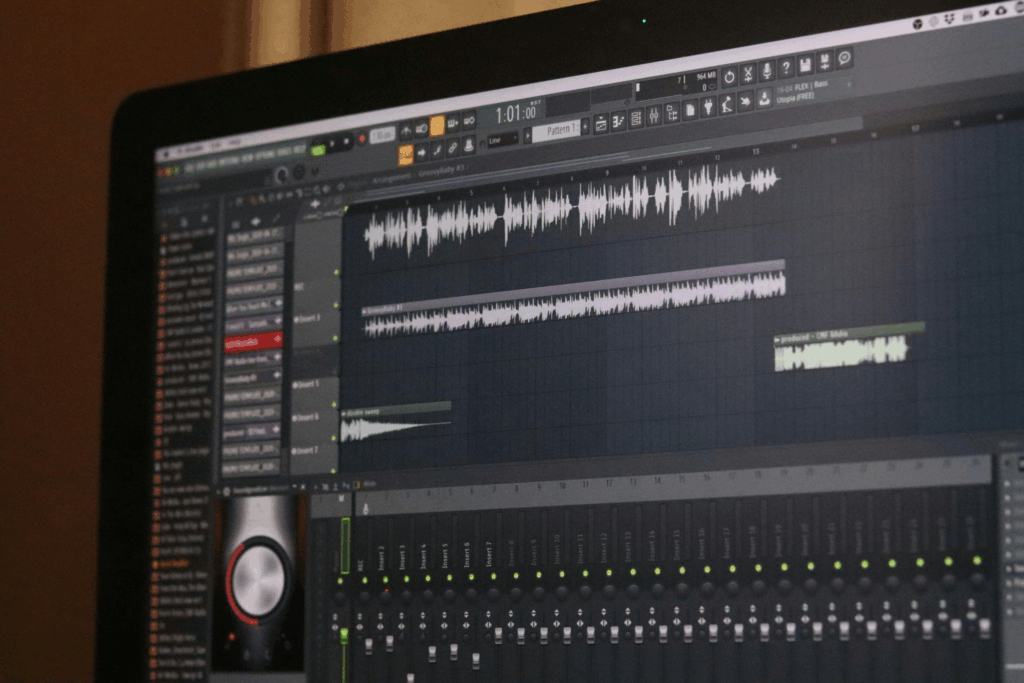
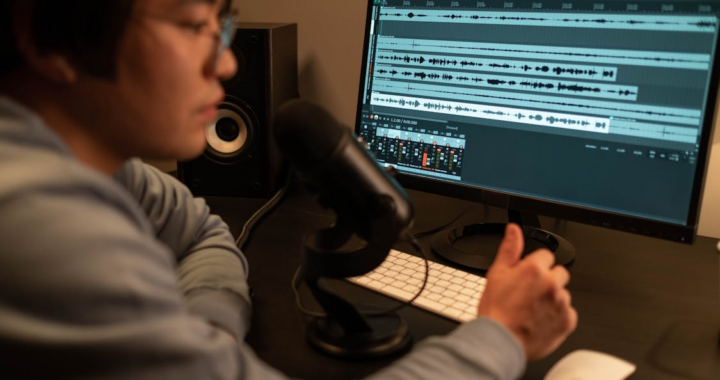
 an audio software displaying sound waves on a computer screen

Ethical and Privacy Considerations

While audio forensics can be incredibly powerful, it must operate within strict ethical boundaries. Privacy rights, lawful interception regulations, and proper authorization procedures all shape how recordings are collected and analyzed. A digital forensic consultant must navigate these legal frameworks carefully to avoid evidentiary dismissal.

Moreover, experts must avoid overstepping their scope. Their role is not to interpret the intent behind words but to clarify, authenticate, and present facts objectively.

The Growing Demand for Expert Testimony

As more conversations take place over digital platforms through calls, apps, and voice notes, the role of audio forensics continues to grow. Law enforcement, attorneys, and corporations increasingly rely on this discipline to resolve disputes and uncover the truth.

A growing number of U.S. states are also strengthening standards for expert testimony in digital cases, ensuring higher reliability and consistency. This reflects how audio forensic services are becoming integral to modern legal proceedings.

a lawyer sitting behind a desk of documents

Turning Complex Audio Into Clear Evidence

The outcome of a case often depends on how well evidence is presented, understood, and trusted. Forensic audio expert testimony gives courts the clarity they need to interpret complex recordings accurately, while advanced analysis ensures every sound is authenticated and preserved. This combination of technical precision and expert communication can help shape verdicts and strengthen legal strategies.

That’s where Eclipse Forensics stands out. With extensive experience in audio forensic services, forensic video analysis, and other digital forensic services, our team uses state-of-the-art tools to analyze, authenticate, and present critical evidence with unmatched accuracy.

Our specialists, including digital forensic engineers and data forensic experts, work closely with legal professionals to ensure evidence meets the highest admissibility standards. From audio authentication services to forensic video services, our expertise helps bring crucial clarity to high-stakes cases.

If your case depends on clear, credible evidence, let our experts help reveal the full story.
Contact us today to explore their full range of forensic capabilities.

a screen displaying a sound wave

The Role of Forensic Audio in Corporate Investigations

When internal tensions spill into boardrooms, whispered deals, covert calls, and incriminating voicemails often become the only threads of truth left. In corporate investigations, that’s where forensic audio in corporate investigations takes center stage, turning raw recordings into legally defensible evidence, exposing misconduct, and restoring trust.

Here’s how they play a crucial role in such situations.

Why Audio Matters in the Corporate World

In many corporate disputes or misconduct, fraud, and leaks tend to occur over phone calls or recorded meetings. Written documents might vanish, but digital voice files often remain. By analyzing these, investigators can:

  • Uncover employee misconduct such as collusion, bribery, or harassment.
  • Trace fraud schemes embedded in verbal instructions.
  • Examine whistleblower recordings for authenticity.
  • Resolve disputes over verbal contracts or agreements.

Key Techniques in Forensic Audio

  1. Authentication & Tamper Detection

Before content is trusted, experts verify whether the recording is intact. Techniques include:

  • Spectral and Frequency Analysis to detect splicing or copy-paste edits
  • Electrical Network Frequency (ENF) Analysis, which uses background power hum as a time reference to confirm if audio has been modified.
  • AI-Based Forgery Detection, where deep learning models flag artificial edits or inserted speech segments.
  1. Enhancement & Noise Reduction

Real-world recordings are often cluttered with background noise. The digital forensic engineer must clarify speech without compromising authenticity using equalization, filtering, and source separation methods.

  1. Speaker Identification & Voice Biometrics

Determining “who said what” can make or break a case. AI voiceprint models help compare speech patterns and spectral features to known samples.

  1. Metadata & Hidden Signatures

Audio files embed timestamps, codecs, and device data. Examining these markers can reveal origin, edit history, and chain of custody. Some tools detect hidden or steganographic data concealed in audio files.

How Forensic Audio Strengthens Corporate Investigations

  1. Internal Disputes & Compliance Cases

When a verbal promise or instruction becomes contested, forensic analysis helps confirm the authenticity of that call or meeting recording, ensuring decisions are based on verified facts.

  1. Employee Misconduct & Whistleblower Claims

If HR receives an incriminating recording, audio authentication services can validate its integrity and confirm whether the speaker or timestamps match reality.

  1. Fraud, Bribery & Financial Crimes

Cyber forensic experts use synchronized call logs, transaction data, and recovered messages to uncover collusion or fraud. Linking speech events to digital footprints strengthens evidence chains.

  1. IP Theft & Data Leaks

Leaked meeting recordings may expose confidential R&D or strategic plans. A digital forensic consultant can confirm how the file was captured, altered, or leaked.

a man listening to an audio recording through headphones

When a recording holds the key to a corporate dispute, it must speak with credibility and never raise doubt. The power of forensic audio in corporate investigations is the gateway between suspicion and certainty.

Based in St. Augustine, FL, Eclipse Forensics provides full audio forensic services, including audio enhancement, voice identification, authentication, noise reduction, and audio redaction tailored to legal demands.

We also provide forensic video services and handle combined audio-video work to present seamless, trustworthy evidence. Our experts operate under court-certified protocols so your evidence is defensible from acquisition through testimony.

If your organization is facing misconduct, whistleblower claims, fraud, or internal disputes, and you need to ensure recordings are valid, tamper-free, and court-ready, don’t leave it to chance.

Contact us today to schedule a forensic audio evaluation and secure the clarity your case deserves.

An expert providing audio forensic services.

The Expert’s Ear: How Audio Specialists Strengthen Legal Cases

In legal disputes, every word matters. But when recordings are unclear, muffled, or potentially altered, attorneys turn to forensic sound analysis for answers. By using advanced tools and expertise, audio specialists can distinguish background noises, clarify speech, and reveal hidden details.

With the support of digital forensic services, legal teams gain evidence that not only tells a story but also withstands courtroom scrutiny.

Why Audio Evidence Needs Expert Review

Recordings often capture more than what’s immediately obvious. A skilled audio forensic expert can identify tampering, enhance difficult passages, and verify the authenticity of a recording. With processes to authenticate audio forensics, specialists ensure that recordings maintain their integrity. This is critical, as misunderstood or manipulated evidence could compromise an entire case.

Techniques That Clarify and Authenticate

Audio analysis involves more than amplification. Specialists provide forensic audio services using cutting-edge software to filter out background interference, isolate voices, and highlight subtle tonal shifts.

Sometimes, they collaborate with a video enhancement expert when audio is tied to visual evidence. In cases involving mobile devices, experts often work with forensic cell phone data recovery or other mobile device forensics to trace how a recording was created and stored.

Supporting Investigations Beyond Audio

The role of an audio specialist often overlaps with broader digital investigations. A cyber forensic expert or forensic computer analyst may assist with file metadata or system-level information that supports authentication.

In parallel, a forensic video analysis expert ensures that video files containing audio tracks align with the claimed source. This combination of expertise strengthens investigations and helps attorneys prepare for potential challenges in court.

Building Stronger Courtroom Evidence

Evidence must do more than exist—it must convince. Through audio forensic services, attorneys can present recordings that are clearer, more credible, and easier for juries to understand.

Consulting with computer forensics consultants or a digital forensic consultant ensures that every technical step is defensible. When paired with video forensic services, audio authentication provides a comprehensive view of events that strengthens a legal strategy.

An audio forensic expert analyzing audio evidence.

Trust Eclipse Forensics for Clear, Reliable Evidence

At Eclipse Forensics, we specialize in uncovering the truth hidden in sound. Our team delivers precise forensic sound analysis that clarifies speech and identifies manipulation.

We provide trusted audio forensic services to ensure recordings stand up in court. With the expertise of a dedicated forensic audio specialist and advanced tools for audio authentication services, we make even the faintest details clear.

We also support broader investigations with video forensic services, digital forensic expertise, and thorough cell phone searching when recordings tie back to devices. By combining advanced methods with courtroom-ready precision, we help attorneys and investigators build stronger, more credible cases.

Contact Eclipse Forensics today to put our expert ear to work for you.

Digital forensic consultant performing video authentication in a Florida courtroom case

Cracking the Case: How Audio Authentication Helps Reveal the Truth

In today’s digital world, audio recordings are often used as powerful pieces of evidence in both civil and criminal cases. From business disputes to criminal investigations, recordings can make or break a case.

But how can you be certain that a recording is authentic and untampered? That’s where legal audio verification and professional audio authentication services come in, providing clarity, credibility, and admissibility in court.

What Is Legal Audio Verification?

Legal audio verification is the process of determining whether an audio recording is genuine, complete, and free from alteration. Skilled experts, such as a forensic audio specialist or audio forensic expert, examine digital sound files to uncover signs of manipulation. They can detect edits, splices, compression artifacts, or other tampering that might undermine the integrity of a recording. By relying on audio forensic services, attorneys and investigators can present evidence with confidence, knowing it will withstand scrutiny.

How Audio Authentication Services Work

The process begins with a thorough technical evaluation by an audio forensic expert using advanced tools and methodologies. These audio authentication services focus on:

  • Identifying background noise patterns to detect edits
  • Reviewing metadata embedded in the audio file
  • Using waveform and spectral analysis to uncover anomalies
  • Comparing the recording against known reference samples

When combined, these techniques allow professionals to authenticate audio forensics findings and provide detailed reports for legal proceedings.

Connecting Audio to Other Digital Evidence

Audio rarely exists in isolation. A suspicious recording may coincide with text messages, emails, or even video clips. That’s why digital forensic services in FL often integrate audio with other disciplines. For example, a forensic video analysis expert may validate video footage while a video enhancement expert improves clarity. At the same time, computer forensics consultants or a forensic computer analyst can uncover supporting files from laptops, while mobile device forensics in FL and forensic cell phone data recovery help retrieve deleted conversations or call logs from smartphones.

This collaboration between specialists, from cyber forensic experts to digital video forensics consultants, creates a complete and verifiable picture of events. It ensures that audio recordings are not only genuine but also supported by other forms of admissible evidence.

Audio forensic expert providing courtroom testimony on legal audio verification

The Courtroom Impact of Audio Authentication

When an audio forensic expert presents findings in court, their testimony can be pivotal. They explain technical details in jury-friendly terms, helping judges and jurors understand whether a recording is authentic or compromised. Backed by the credibility of forensic audio services, their reports and testimony can validate key claims, disprove false evidence, and ultimately shape case outcomes.

Attorneys who rely on video forensic services, audio forensic services, and forensic computer experts in FL know the value of having multiple layers of verification. Together, these digital investigations protect the truth and expose falsified claims.

Protecting Truth in the Digital Age

In an era where fake recordings and manipulated media are becoming more sophisticated, legal audio verification is no longer optional; it’s essential. From complex litigation to criminal defense, having experts like a digital forensic consultant or audio forensic expert ensures that the evidence presented is reliable and accurate.

Whether you need to validate a disputed conversation, authenticate video forensics, or recover lost files through Cell phone searching in FL, Eclipse Forensics provides the expertise and technology to uncover the truth.

Contact Eclipse Forensics today to learn how our certified specialists in audio, video, and computer forensics can support your case with trusted, courtroom-ready analysis.