
This photo shows a professional in business attire explaining documents across a desk.

Expert Witness Testimony: Making Technical Evidence Understandable in Court

Modern courtrooms increasingly rely on digital evidence, yet the technical nature of such information can create confusion without proper explanation. Expert witness testimony plays a crucial role in bridging that gap, ensuring that judges and juries can clearly understand complex findings. From analyzing data to explaining methodologies in plain language, forensic professionals translate intricate technical details into meaningful insights. This blog explores how expert witnesses present digital evidence in a structured, reliable, and accessible way, helping legal decision-makers reach informed conclusions.

The Role of Expert Witnesses in Simplifying Technical Evidence

Expert witnesses serve as interpreters between complex digital findings and the legal system, ensuring clarity without compromising accuracy. Their role extends beyond presenting facts; they must explain processes in a way that resonates with individuals who may not have technical backgrounds. A cyber forensic expert often evaluates digital trails, uncovering patterns and behaviors that may otherwise remain hidden. However, identifying evidence is only part of the task; presenting it effectively is equally important.

Clarity is achieved through structured explanations, avoiding overly technical language while maintaining precision. A digital forensic consultant helps translate raw data into narratives that connect logically with case facts. This process involves breaking down technical steps into understandable segments, allowing judges and juries to follow the reasoning behind conclusions. When expert testimony is delivered with transparency and confidence, it builds trust in the evidence presented. Ultimately, the ability to simplify without distorting information defines the value of these professionals constributions in legal proceedings.

Breaking Down Digital Evidence into Understandable Concepts

Digital evidence can include a wide range of data, from communication records to system logs, making it essential to present findings in a digestible format. A computer forensic analyst carefully organizes information, highlighting relevant details while filtering out extraneous complexity. This approach ensures that the core message remains clear and focused throughout testimony.

Visual aids, timelines, and simplified explanations are often used to make technical content more accessible. A data forensic expert may demonstrate how information was recovered or reconstructed, providing context that helps the audience grasp its significance. Instead of overwhelming the courtroom with raw data, experts focus on key points that directly support the case.

This method not only improves comprehension but also strengthens the credibility of the testimony. When evidence is presented in a structured and logical manner, it becomes easier for decision-makers to evaluate its reliability. Clear communication transforms complex digital findings into actionable insights, making expert testimony an essential component of modern legal cases.

The Importance of Clear Communication in Audio and Video Analysis

Audio and video evidence can be highly persuasive, but only when properly analyzed and explained. A forensic audio specialist examines recordings to identify authenticity, clarity, and any potential alterations. However, technical findings alone are not enough; they must be communicated in a way that is easy to understand.

Similarly, video authentication forensics plays a vital role in verifying whether footage has been tampered with or remains original. Experts must explain their methods step by step, ensuring that every conclusion is supported by clear reasoning. This transparency helps build confidence in the evidence presented.

Effective communication relies on relatable examples and minimal jargon. By presenting findings in plain language, expert witnesses make it easier for judges and juries to follow the analysis. This approach not only enhances understanding but also ensures that critical details are not overlooked. In cases involving audio and video evidence, clarity in testimony can significantly influence how the information is perceived and evaluated.

Using Technology to Support Expert Testimony

Advancements in technology have transformed how forensic evidence is analyzed and presented in court. Tools used in digital video forensics allow experts to enhance, clarify, and interpret visual data with greater precision. These tools help reveal details that may not be visible in original recordings, providing valuable insights for legal cases.

A video enhancement expert uses specialized techniques to improve the quality of footage. This makes it easier to identify key elements, but the use of technology must be carefully explained to ensure that the audience understands the conclusions. Transparency in methodology is essential to maintain credibility.

Demonstrations and visual presentations play a key role in supporting testimony. By showing how evidence was processed and analyzed, experts provide a clear connection between raw data and final conclusions. This approach not only strengthens the reliability of the testimony but also helps the court make informed decisions. Technology, when combined with clear communication, becomes a powerful tool in expert witness testimony.

This photo shows a group in a meeting room looking at a projector or screen.

Ensuring Accuracy Through Methodical Forensic Processes

Maintaining accuracy in presenting digital evidence is essential for effective courtroom testimony. A forensic video analysis expert follows structured methodologies to verify the integrity of recordings, ensuring that conclusions are based on reliable data. Careful planning, thorough documentation, and adherence to industry standards allow the expert to demonstrate how evidence was obtained and processed.

Similarly, professionals offering mobile device forensics meticulously extract and preserve data from phones, tablets, and other devices. They ensure that every step is recorded, minimizing the risk of errors and maintaining chain-of-custody integrity. By clearly explaining these procedures in court, experts help judges and juries understand not only the evidence itself but also the reliability of the methods used.

Presenting evidence methodically enhances credibility and allows non-technical audiences to understand complex analyses clearly. It also provides a transparent foundation for cross-examination, showing that all results are reproducible and consistent with established forensic practices. Through structured and methodical processes, expert testimony transforms technical findings into trustworthy insights, helping courts make well-informed decisions and reinforcing confidence in digital evidence.

This photo shows hands writing notes on a notepad with documents on a desk.

Maintaining Objectivity and Credibility in Courtroom Testimony

Objectivity is a fundamental requirement for any expert witness, as credibility depends on impartial analysis and honest reporting. A video forensic expert must present findings based solely on evidence, without bias or influence from external factors. This commitment to neutrality ensures that testimony remains trustworthy and reliable.

Similarly, professionals offering forensic video services must adhere to strict standards and methodologies when analyzing evidence. Consistency in approach helps establish confidence in the results presented. Courts rely on expert witnesses not only for their technical knowledge but also for their integrity and professionalism.

Clear documentation and thorough explanations further enhance credibility. When experts can demonstrate how conclusions were reached, it reduces the likelihood of misunderstandings or disputes. Objectivity also involves acknowledging limitations, ensuring that testimony remains accurate and balanced. By maintaining a neutral stance and focusing on factual analysis, expert witnesses contribute to fair and informed legal outcomes.

This photo shows a courtroom interior with empty seats and benches.

The Value of Specialized Expertise in Complex Cases

Complex legal cases often require specialized knowledge to interpret intricate digital evidence effectively. A digital forensic services provider brings together a range of skills to address different aspects of a case, ensuring comprehensive analysis. This multidisciplinary approach allows for a deeper understanding of the evidence and its implications.

Experts offering audio forensic services play a crucial role in examining sound recordings, identifying inconsistencies, and clarifying unclear segments. Their expertise ensures that audio evidence is accurately interpreted and presented. Specialized knowledge not only improves the quality of analysis but also enhances the clarity of testimony.

Collaboration among experts from multiple disciplines often produces more robust conclusions. By combining insights from various disciplines, complex evidence can be explained in a more cohesive and understandable manner. This approach ensures that all aspects of the case are thoroughly examined, providing the court with a complete and reliable picture. Specialized expertise ultimately strengthens the effectiveness of expert witness testimony.

This photo shows two professionals having a discussion over papers at a table.

Turning Complex Evidence into Clear Courtroom Narratives

Eclipse Forensics understands how challenging it can be to present technical findings clearly in legal proceedings. They recognize the growing need for precise and understandable expert testimony that supports informed decisions. Through their expertise, they provide detailed analysis and reliable insights, helping legal teams navigate complex evidence with confidence. Their professionals specialize in cell phone forensics in Florida, delivering accurate interpretations that stand up in court. With a commitment to clarity and credibility, they also offer advanced support in computer forensics in Florida, ensuring every detail is thoroughly examined. To discuss specific requirements and explore how they can assist, reach out to their team today and take the next step toward stronger, clearer evidence presentation.

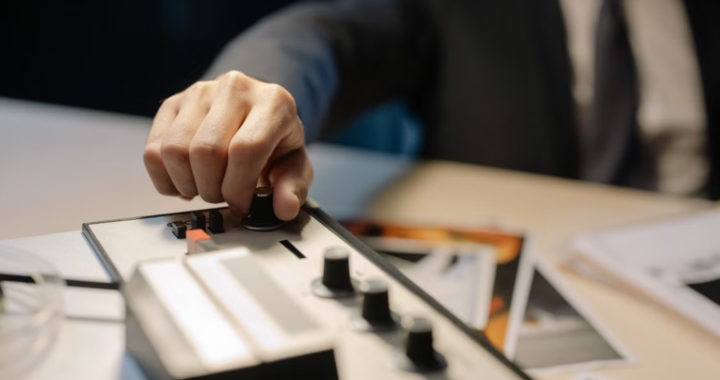
This image shows a specialist adjusting audio equipment while reviewing photographs and case materials.

Forensic Audio Techniques: Enhancing Sound for Legal Investigations

Audio recordings often play a critical role in legal investigations, providing key evidence that can clarify timelines, conversations, and intent. However, raw recordings are rarely perfect. Background noise, distortion, low volume, and environmental interference can obscure essential details. This is where forensic audio techniques become essential. By applying advanced tools and scientific methods, specialists can transform unclear recordings into usable evidence for court proceedings. These enhancements must meet strict legal standards to ensure admissibility and accuracy, making the role of audio experts highly specialized and crucial.

Understanding the Role of Forensic Audio Analysis

Forensic audio analysis focuses on examining, clarifying, and interpreting sound recordings for legal purposes. A forensic audio specialist applies both technical expertise and legal knowledge to ensure that any processed audio maintains its integrity and evidentiary value. The process involves identifying distortions, isolating voices, and verifying authenticity without altering the original meaning of the recording.

These specialists often work alongside legal teams, law enforcement, and other forensic professionals. Their findings can influence court outcomes by providing clearer interpretations of conversations or confirming whether audio has been tampered with. In many cases, their testimony becomes a vital component of litigation or criminal trials.

Common Challenges in Audio Evidence

Audio evidence presents multiple challenges that require expert intervention. Recordings captured on mobile devices, surveillance systems or hidden microphones often contain overlapping sounds, background noise or signal interference. These issues can make it difficult to distinguish speakers or understand the context of conversations.

Advanced audio forensic services FL address these challenges by applying filtering techniques, noise reduction algorithms, and spectral analysis. Specialists must ensure that enhancements do not introduce bias or distort the original recording. Maintaining the balance between clarity and authenticity is critical to preserving the evidentiary value of the audio.

Additionally, legal professionals rely on audio experts to provide detailed documentation of every enhancement step, ensuring transparency and compliance with courtroom standards.

This image shows an open case with evidence tools and markers on ground.

Techniques Used to Enhance Audio Recordings

Enhancing audio recordings involves a combination of scientific methods and specialized software tools. One widely used technique is noise reduction, which removes unwanted background sounds while preserving speech clarity. Equalization is another method that adjusts frequency levels to make voices more distinguishable.

Audio forensic services FL may also use time-frequency analysis to isolate specific sounds within a recording. This allows experts to separate overlapping voices or identify subtle background details that could be relevant to the case.

Other techniques include amplification of low-volume segments, removal of hums or clicks, and reconstruction of partially inaudible speech. Each method is applied carefully to ensure that the final output remains accurate and legally admissible.

Authentication and Integrity of Audio Evidence

Beyond enhancement, verifying the authenticity of audio recordings is a critical aspect of forensic analysis. Courts require proof that a recording has not been altered, manipulated, or fabricated. This is where forensic experts play a key role in analyzing metadata, waveform patterns, and recording inconsistencies.

A digital forensic consultant may collaborate with audio specialists to validate the origin and integrity of the recording. This process ensures that the evidence can withstand legal scrutiny and be presented confidently in court.

Authentication often involves comparing the recording with known samples, checking for edits or interruptions, and confirming the recording device’s characteristics. This meticulous approach helps establish trust in the evidence and supports fair legal proceedings.

This image shows an Investigator in a protective suit collecting evidence beside officer.

Integration with Video and Digital Evidence

In many investigations, audio evidence does not exist in isolation. It is often paired with video recordings, digital files, or communication data. Integrating these elements provides a more comprehensive understanding of events.

Professionals working in digital video forensics and audio analysis collaborate to synchronize sound with visual footage. This process can reveal inconsistencies, confirm timelines, or enhance the overall clarity of evidence presented in court.

Additionally, experts involved in video authentication forensics ensure that both audio and video components are genuine and unaltered. This multidisciplinary approach strengthens the reliability of digital evidence and provides a more complete picture for legal professionals.

The Role of Technology in Forensic Audio Advancements

Technological advancements have significantly improved the capabilities of forensic audio analysis. Modern software tools allow specialists to process recordings with greater precision and efficiency. Machine learning algorithms, for example, can assist in identifying speech patterns and filtering noise more effectively.

A cyber forensic expert may utilize advanced digital tools to analyze large volumes of audio data, especially in complex cases involving multiple recordings. These technologies enable faster processing while maintaining high standards of accuracy.

Furthermore, innovations in audio visualization, such as spectrogram analysis, provide detailed insights into sound frequencies and patterns. These tools help experts identify anomalies and support their findings with visual evidence that can be presented in court.

Legal Standards and Admissibility of Enhanced Audio

Forensic audio work must adhere to strict legal standards to ensure admissibility in court. Any enhancement performed on a recording must be documented thoroughly, including the methods used and the reasoning behind them. Transparency is essential to demonstrate that the process did not alter the original meaning of the audio.

A forensic video analysis expert or audio specialist may be required to testify in court, explaining their methodology and findings. Their role is to provide objective, scientifically supported evidence that assists judges and juries in understanding complex audio data.

Courts also evaluate whether the enhancement process follows accepted forensic practices. This includes maintaining the original recording, using validated tools, and ensuring that all procedures are repeatable and verifiable.

This image shows a condenser microphone being used for recording sound evidence.

Collaboration Across Forensic Disciplines

Forensic audio analysis often intersects with other areas of digital forensics. Investigations may involve mobile devices, computers, or surveillance systems, requiring a collaborative approach among specialists.

Experts in mobile device forensics frequently work alongside audio professionals to extract and analyze recordings from various sources. This collaboration ensures that all digital evidence is examined comprehensively and consistently.

In cases involving complex data sets, a data forensic expert may assist in organizing and interpreting information while a computer forensic analyst ensures the integrity of digital evidence. This multidisciplinary teamwork enhances the overall effectiveness of forensic investigations and supports accurate legal outcomes.

Importance of Chain of Custody in Audio Evidence

Maintaining a secure and well-documented chain of custody is essential when handling audio recordings for legal use. This process ensures that the evidence remains untampered from the moment it is collected to its presentation in court. A forensic audio specialist carefully logs every transfer, access point, and modification step to preserve the recording’s authenticity and credibility. Any gaps in documentation can raise doubts about the integrity of the evidence, potentially impacting its admissibility.

In many investigations, audio files are extracted from devices such as smartphones or computers. This is where expertise in cell phone forensic services becomes valuable, as specialists ensure that the extraction process is conducted in a forensically sound manner. Proper handling and documentation strengthen the reliability of audio evidence and support its acceptance in legal proceedings.

This image shows a workspace with audio tools and analysis equipment.

Voice Identification and Speaker Analysis

Voice identification is a critical component of forensic audio analysis, particularly in cases involving disputed or unknown speakers. Experts use advanced techniques to analyze vocal characteristics such as pitch, tone, and speech patterns. A forensic video analysis expert may collaborate with audio professionals when recordings are part of multimedia evidence, ensuring consistency across audio and visual elements.

Additionally, specialists involved in digital forensic services apply comparative analysis to match voices with known samples. This process must be conducted with precision and supported by scientific methodologies to ensure accuracy. Reliable speaker identification can provide crucial insights in legal cases, helping to establish identity, intent, and context within recorded conversations.

Get Expert Audio Evidence Support with Eclipse Forensics

At Eclipse Forensics, we deliver precise and court-admissible solutions  helping legal professionals and investigators turn unclear recordings into reliable evidence. We understand that cases often involve complex digital elements such as cell phone forensics in Florida and integrated media requiring expertise in forensic video services. Our team includes a highly skilled forensic audio specialist ensuring every aspect of your case is handled with accuracy and care. By combining advanced tools with proven methodologies, we enhance audio clarity while preserving authenticity, supported by detailed reporting and expert testimony when required. To discuss your specific needs and explore how we can help, reach out and connect with Eclipse Forensics today and take the next step toward clear, credible, and legally sound evidence.

This image shows a girl is holding mobile in her hand.

Advanced Mobile Forensics: Techniques to Recover Critical Data

In today’s digital landscape, mobile devices are more than just communication tools—they are repositories of personal, financial, and operational data. From text messages and call logs to app activity and geolocation history, smartphones hold a wealth of information that can become crucial in investigations, litigation, and corporate inquiries. As technology evolves, so do the methods required to retrieve and analyze this data.

Mobile device forensics has emerged as a specialized field focused on uncovering hidden or deleted information from smartphones and tablets in a legally sound manner. This blog explores advanced techniques used by experts to recover critical data, offering valuable insight into how modern forensic processes work.

The Foundations of Mobile Investigations

At its core, mobile device forensics involves the identification, preservation, extraction, and analysis of data from mobile devices. Unlike traditional computers, mobile devices operate on diverse operating systems such as Android and iOS, each with unique file structures and security protocols.

Forensic experts begin by securing the device to prevent data alteration. This often involves isolating it from networks using airplane mode or specialized shielding techniques. Once preserved, experts create a forensic image—a bit-by-bit copy of the device’s storage—ensuring that the original data remains untouched throughout the investigation.

This foundational process sets the stage for deeper analysis, allowing investigators to explore user activity, app data, and hidden files with accuracy and integrity.

Extraction Methods in Mobile Analysis

A key component of investigations involves cell phone forensic services, particularly when selecting the right extraction technique. Logical extraction retrieves accessible data such as contacts, messages, and media files through standard system interfaces. It is less invasive and often quicker but may not recover deleted or hidden information.

Physical extraction, on the other hand, involves accessing the device’s raw memory. This method enables forensic experts to recover deleted files, fragments of data, and system-level artifacts that are not visible through conventional means. Advanced tools and techniques are required, especially when dealing with encrypted or locked devices.

Choosing the right extraction method depends on the case requirements, device condition, and legal considerations.

Recovering Deleted and Hidden Data

Recovering lost information often requires the expertise of a data forensic expert who understands how data behaves beneath the surface. Techniques such as file carving, memory analysis, and database reconstruction are commonly used to uncover fragments of deleted files.

File carving allows experts to recover data by scanning raw storage for recognizable patterns, while memory analysis can reveal temporary data such as passwords or recent activity. Database reconstruction helps piece together app-based records that may appear incomplete after deletion.

These advanced approaches allow investigators to rebuild digital timelines and uncover critical insights that would otherwise remain hidden.

This image shows a man is recovering his deleted and hidden data using mobile phone and laptop.

Overcoming Security and Encryption Barriers

Modern smartphones are designed with robust security features, making them challenging to access during investigations. A cyber forensic expert applies specialized strategies to navigate these protections without compromising data integrity.

This may include leveraging authorized access methods, analyzing system vulnerabilities, or retrieving information from synchronized backups. Encryption is intended to safeguard user data, but with the right expertise and legal authorization, valuable information can still be accessed.

These techniques ensure that investigations remain thorough while respecting privacy and compliance standards, maintaining data integrity, minimizing risks, and providing legally defensible results for all stakeholders involved.

Multimedia Evidence and Its Importance

Mobile devices often store a significant amount of multimedia data, which can serve as crucial evidence. Through digital video forensics, experts examine videos for authenticity, detect manipulation, and enhance visual clarity.

This process involves analyzing metadata, frame structures, and compression patterns to determine whether a file has been altered. Enhancement tools can improve visibility in low-quality footage, making it easier to identify important details.

Multimedia analysis plays a vital role in cases where visual or audio evidence is central to understanding events, helping verify authenticity, detect tampering, and provide clear, actionable insights for investigators.

Connecting Data across Multiple Platforms

A comprehensive investigation often requires linking mobile data with other digital sources. A computer forensic analyst examines how information flows between devices such as laptops, tablets, and cloud systems.

For example, a message sent from a smartphone may also appear on a synchronized computer, while backups stored in the cloud can provide additional context. By correlating data across platforms, investigators can verify timelines and identify discrepancies.

This cross-device approach strengthens the overall reliability of forensic findings and provides a broader understanding of user activity.

This image shows a person using smartphone while working on a laptop.

Expanding Investigations beyond the Device

Today’s mobile devices are deeply integrated with cloud services and applications. Utilizing digital forensic services, investigators can access data stored beyond the physical device, including cloud backups and app-based records.

This process involves analyzing account activity, login histories, and synchronization logs to recover additional evidence. Even if data is deleted from the device, it may still exist in remote storage.

By extending investigations into the cloud, forensic experts can reconstruct digital activity more comprehensively and accurately.

Turning Technical Findings into Clear Evidence

The final step in any investigation is presenting findings in a clear and structured manner. A digital forensic consultant plays a crucial role in translating technical data into understandable reports.

These reports outline the methods used, evidence recovered, and conclusions drawn, ensuring that stakeholders can interpret the results. In legal contexts, these findings must be precise and defensible.

Clear reporting ensures that digital evidence can effectively support decision-making, whether in courtrooms or corporate environments.

This image shows a person using a laptop, with a tablet and mobile phone lying beside him.

SIM Card and Network Data Analysis

Another critical layer of investigation involves examining SIM cards and network-related data through cell phone forensics  standards and methodologies. SIM cards store valuable information such as contact lists, SMS data, and network identifiers that can help establish communication patterns.

In addition to SIM data, forensic experts analyze network logs, carrier records, and connection histories to track device activity over time. This type of analysis can reveal location patterns, call behaviour, and even interactions between multiple devices. By combining SIM and network data, investigators gain a clearer understanding of how a device was used within a broader communication ecosystem.

Beyond these elements, specialists may also examine International Mobile Subscriber Identity (IMSI) numbers, SIM application data, and authentication keys, which help verify the identity of the subscriber and the network used. Analysts can correlate this information with Call Detail Records (CDRs) provided by mobile carriers to reconstruct timelines of calls, text messages, and data sessions. In many investigations, this correlation helps identify when a device connected to specific cell towers, which can assist in approximating the device’s geographic movement.

This image shows few SIM cards lying on white surface.

Enhancing and Authenticating Audio Evidence

Audio data can be just as important as visual or textual evidence in mobile investigations. Through specialized audio forensic services, experts can enhance recordings, reduce background noise, and clarify speech for better interpretation.

Beyond enhancement, authentication plays a key role in determining whether an audio file has been altered or manipulated. Experts analyze waveform patterns, frequency inconsistencies, and metadata to verify integrity. These techniques are especially valuable in legal and investigative contexts where the credibility of recorded conversations is essential.

Discover the Difference with Trusted Forensic Expertise

At Eclipse Forensics, we recognize how essential it is to uncover reliable digital evidence in complex situations. Whether you are navigating a legal dispute or conducting an internal investigation, having accurate insights can make all the difference. Through advanced mobile device forensics, we help reveal critical data that supports informed decisions and strengthens your case.

What makes our approach unique is the depth of expertise we bring to every investigation. From detailed data recovery to comprehensive analysis, our team ensures that every step is handled with precision and professionalism. By combining technical excellence with proven computer forensic analyst techniques, we deliver results you can rely on.

To learn more about our approach and the expertise behind Eclipse Forensics, we invite you to explore further. To discuss your specific needs and explore how we can help, reach out to our team today and take the next step toward uncovering the digital truth with confidence through our digital forensic services.

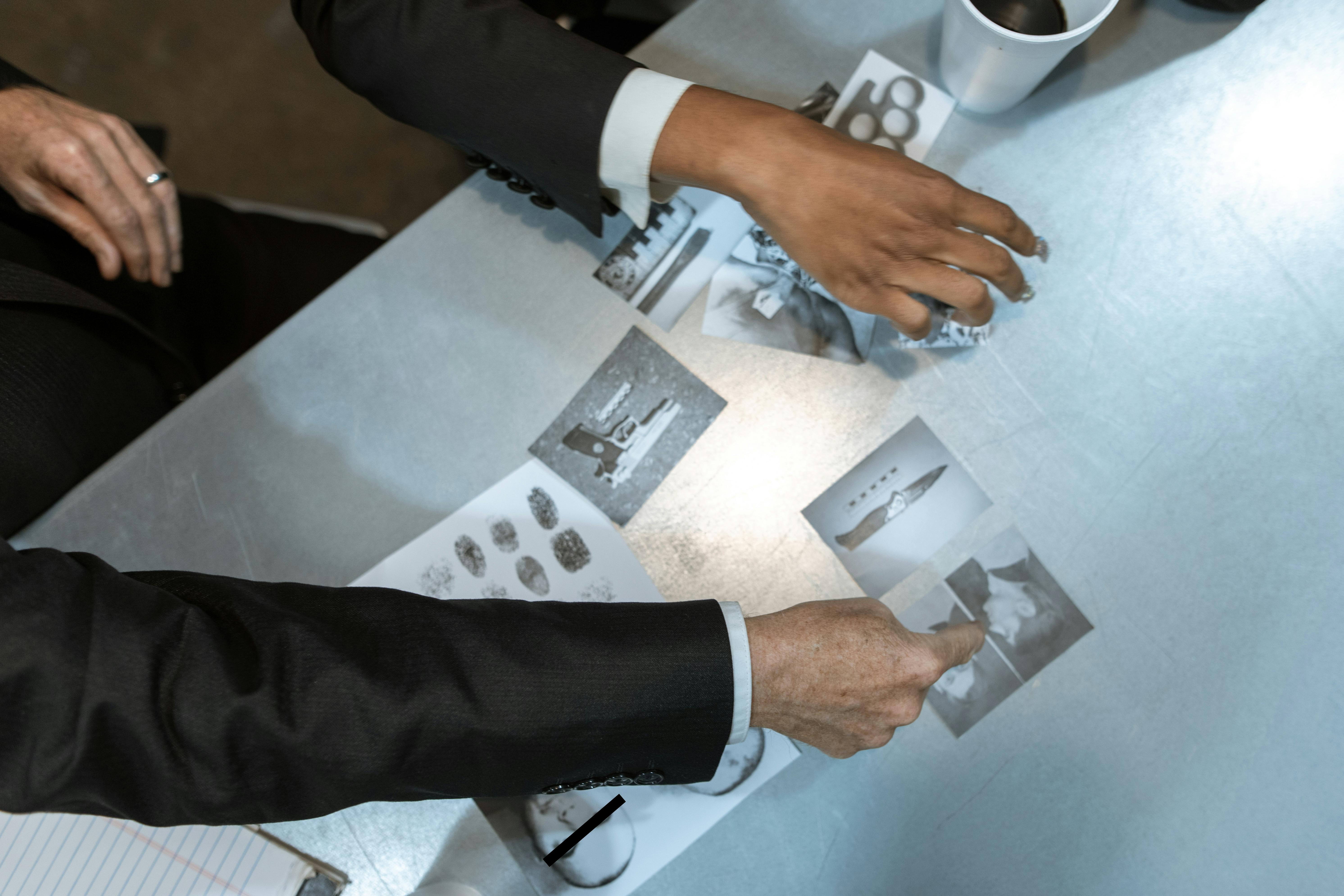
close-up of a person going through digital evidence and crime scene photos side by side

Digital Evidence Handling Best Practices for Court-Ready Cases

Digital evidence plays a vital role in modern investigations, but its value depends on proper handling and thorough documentation. A computer forensics expert witness ensures that electronic files, devices, and logs are preserved without alteration. Proper techniques protect the integrity of evidence, making it admissible in court, reliable for supporting legal arguments, and defensible under cross-examination or scrutiny by opposing counsel.

Preservation and Chain of Custody

The first step in handling digital evidence is preservation. Devices should be collected and stored securely to prevent accidental modification. Maintaining a clear chain of custody documents with every transfer or access, demonstrating that the evidence has remained unaltered, carefully logged, verified at each stage, monitored for potential risks, and protected against unauthorized handling or environmental damage. This process is critical when presenting findings in court, as any gaps in custody can raise questions about authenticity.

Use of Write-Blockers and Imaging

When accessing storage media, write-blockers are essential. These devices prevent changes to the original data while creating forensic images. A forensic image is an exact copy of the data, allowing analysis without risking alteration. Computer forensics consultants rely on imaging to perform investigations while preserving the original files for court review.

close-up of files on a computer screen being analyzed to find any inconsistencies

Secure Storage and Documentation

Digital evidence should be stored in controlled environments with restricted access. Secure storage prevents tampering, unauthorized access, and environmental damage. Every step of the handling process, including imaging, transfer, verification, and analysis, should be thoroughly documented. Detailed records demonstrate adherence to professional standards, reinforce the credibility of findings, and provide a clear audit trail for legal review and accountability.

Analysis and Expert Testimony

After secure collection, a forensic computer analyst examines the evidence to extract relevant information. Analysis techniques vary depending on the type of data, including file recovery, log review, and metadata examination. The expert witness may also present findings in court, explaining methods and ensuring that the evidence is understood by judges or juries.

Trust Experts to Handle Your Critical Data

Proper handling of digital evidence ensures reliability and admissibility in legal proceedings. By following best practices, investigators and legal teams can rely on accurate, verifiable information. With support from a computer forensics expert witness, services from a digital forensic consultant, and resources offered by digital forensic services, cases are strengthened through credible and well-preserved evidence.

For professional guidance in handling and analyzing digital evidence for court-ready cases, Eclipse Forensics provides expert support and reliable forensic solutions. Contact us today.

close-up of a tampered video open on a computer screen

Forensic Video Analysis: Combining Evidence for Maximum Impact

Video evidence plays a powerful role in legal cases, but its true value often emerges when combined with other forms of data. A forensic video analysis expert applies structured techniques to align video with supporting evidence, creating a clearer and more reliable representation of events.

The Role of Combined Evidence

Video footage alone may capture a moment, but it does not always provide full context. When paired with additional data such as audio recordings, device logs, or digital records, it becomes more meaningful. This combined approach allows investigators to verify timelines, confirm actions, and support claims with greater accuracy.

Integrating Audio and Video Data

Audio often adds important context to video recordings. Conversations, background sounds, and timing cues can support or clarify visual information. When analyzed together, audio and video create a more complete picture of events.

Experts providing audio forensic services ensure that sound aligns with the visual timeline. They check for synchronization, consistency, and any signs of alteration.

Linking Mobile and Digital Records

Mobile devices frequently store data that complements video evidence. Messages, call logs, and application activity can confirm actions captured on camera. By connecting these records, investigators can build stronger timelines and verify details.

Using mobile device forensics, specialists extract and analyze this data while preserving its integrity. When aligned with video footage, these records provide additional support for key findings.

a forensic expert looking for inconsistencies in a video footage

Enhancing Clarity Across Evidence Types

Clarity is essential when presenting combined evidence. A video enhancement expert improves visual quality to ensure important details are visible. At the same time, audio adjustments may be applied to improve speech clarity without altering the original content.

Enhancement techniques are applied carefully to maintain authenticity. This ensures that all evidence remains accurate and suitable for legal use while improving overall understanding.

Ensuring Consistency and Authenticity

When combining multiple forms of evidence, consistency is critical. Each piece must align with the others in terms of timing, content, and context. Any inconsistencies may raise questions about reliability.

Techniques used in authenticated video forensics help confirm that the video has not been altered. Similar verification methods are applied to audio and digital data. This process ensures that all evidence supports a consistent and credible account.

Turn Multiple Data Sources into Clear Proof

Combining multiple forms of evidence strengthens legal cases by providing a clearer and more complete understanding of events. With guidance from a forensic video analysis expert, support from a digital forensic consultant, and services such as digital forensic services, investigators can present reliable and well-supported findings.

For dependable analysis that brings all evidence together effectively, Eclipse Forensics offers professional support to help ensure your case is backed by clear, accurate, and court-ready digital evidence. Contact us today.

an expert going through audio for its authentication

From Noise to Clarity: How Audio Forensic Experts Recover Critical Evidence

Audio recordings often serve as valuable evidence in investigations, capturing conversations, background sounds, and key moments. However, many recordings are affected by noise, distortion, or low quality, making them difficult to interpret. An audio forensic expert applies specialized techniques to improve clarity while preserving the integrity of the original file.

The Challenges of Poor Audio Quality

Recordings collected from mobile devices, surveillance systems, or public environments often include background noise. Traffic, wind, overlapping voices, and electronic interference can make it difficult to isolate important details.

These challenges highlight the need for professional analysis. Without proper techniques, attempts to improve audio may distort the recording or reduce its value as evidence.

Noise Reduction and Filtering Techniques

One of the primary methods used in audio forensics is noise reduction. This process involves identifying unwanted sounds and reducing their presence without affecting the main audio content. Filtering tools can isolate specific frequencies, allowing experts to remove consistent background noise.

Professionals offering audio forensic services use advanced software to apply these adjustments carefully. The goal is to improve clarity while maintaining the original characteristics of the recording.

Enhancing Speech and Voice Clarity

Speech enhancement is another important aspect of audio analysis. Experts focus on improving the intelligibility of spoken words by adjusting volume levels and frequency balance.

A forensic audio specialist may also separate overlapping voices or reduce competing sounds. These techniques allow investigators to better understand conversations and identify speakers when necessary.

a person pointing at an inconsistency in an audio file

Authentication and Integrity Preservation

While improving audio quality is important, maintaining the authenticity of the recording is equally essential. Any enhancement must preserve the original content without adding or removing information.

Specialists document every step of the enhancement process. This documentation ensures that the recording can be presented with confidence and withstand legal scrutiny.

Integration with Broader Forensic Analysis

Audio evidence is often analyzed alongside other forms of digital data. When combined with video or device records, it can provide a more complete understanding of events.

Coordination with digital forensic services helps ensure that all evidence is consistent and properly evaluated.

Get Clear, Court-Ready Audio Evidence

Audio forensic techniques transform unclear recordings into valuable evidence that supports investigations and legal proceedings. With expertise from an audio forensic expert, assistance from a digital forensic consultant, and collaboration with a cyber forensic expert, investigators can ensure that audio evidence is clear and reliable.

For professional audio enhancement and analysis you can trust, Eclipse Forensics provides the expertise and tools needed to bring clarity to your most important recordings. Contact us today.

close-up of metadata on screen

Metadata Matters: How Digital Forensic Experts Decode Hidden Data

In digital investigations, files often contain more information than what appears on the surface. Hidden within documents, images, and videos is metadata—data that provides insight into how, when, and where a file was created or modified. A data forensic expert relies on this information to verify authenticity and establish timelines that support legal cases.

What Is Metadata and Why Does It Matter?

Metadata is essentially data about data. It includes information such as creation dates, file size, device type, and modification history. While this information may not be visible during normal use, it plays a key role in forensic investigations.

For example, a document’s metadata may show when it was first created and when it was last edited. This can help determine whether a file has been altered after its initial use.

Establishing Timelines Through Metadata

One of the primary uses of metadata is building accurate timelines. Investigators rely on timestamps to determine the sequence of events related to a file, including when a message was sent or when a document was modified.

A forensic computer analyst examines these timestamps to ensure they are consistent with other evidence. If discrepancies appear, it may indicate manipulation or system errors that require further analysis.

Identifying File Origins

Metadata also helps identify the origin of a file. Information such as device type, software used, and user identifiers can link a file to a specific source.

Experts in digital forensic services compare metadata details with known device characteristics. If the file’s metadata does not match the claimed source, it may raise concerns about its validity.

a forensic expert going through metadata on screen

Detecting Edits and Alterations

Another important function of metadata analysis is identifying changes made to a file. Every time a file is edited, certain metadata fields may update.

This is especially relevant for images and videos. Combined with techniques from digital video forensics, metadata can reveal whether a file has been reprocessed or edited using specific software.

Supporting Legal Evidence

Metadata plays a significant role in ensuring that digital evidence meets legal standards. Courts require proof that files have not been altered in a way that affects their reliability.

Maintaining a clear chain of custody alongside metadata review ensures that evidence remains intact and supports admissibility in legal proceedings.

Verify File Integrity with Confidence

Understanding metadata is essential for verifying digital evidence and establishing accurate timelines. With expertise from a data forensic expert and support from a digital forensic consultant, investigators can ensure that hidden data is properly analyzed and preserved.

For reliable digital evidence analysis and professional support, Eclipse Forensics provides the tools and expertise needed to ensure your data stands up to scrutiny in any legal setting. Contact us today.

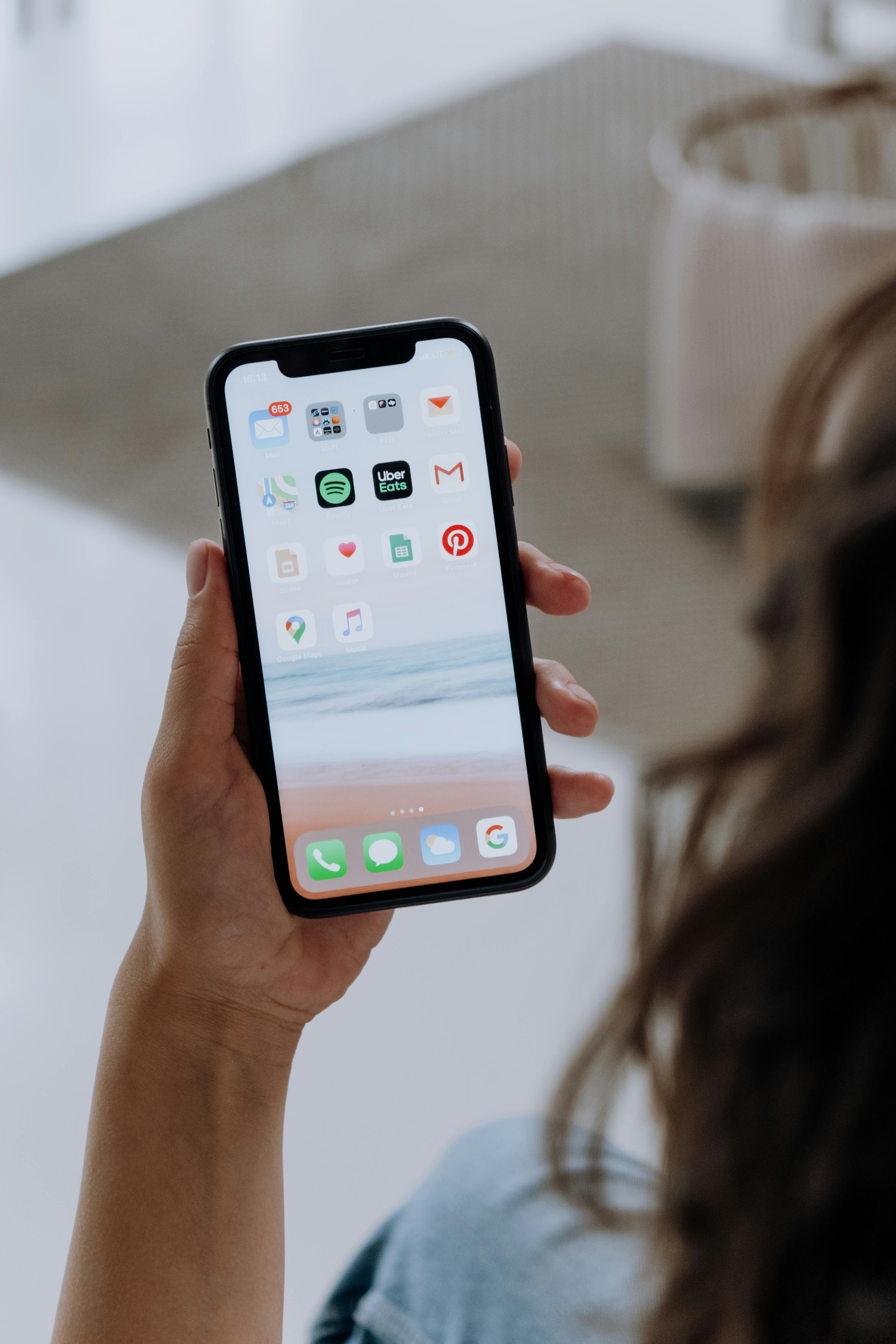
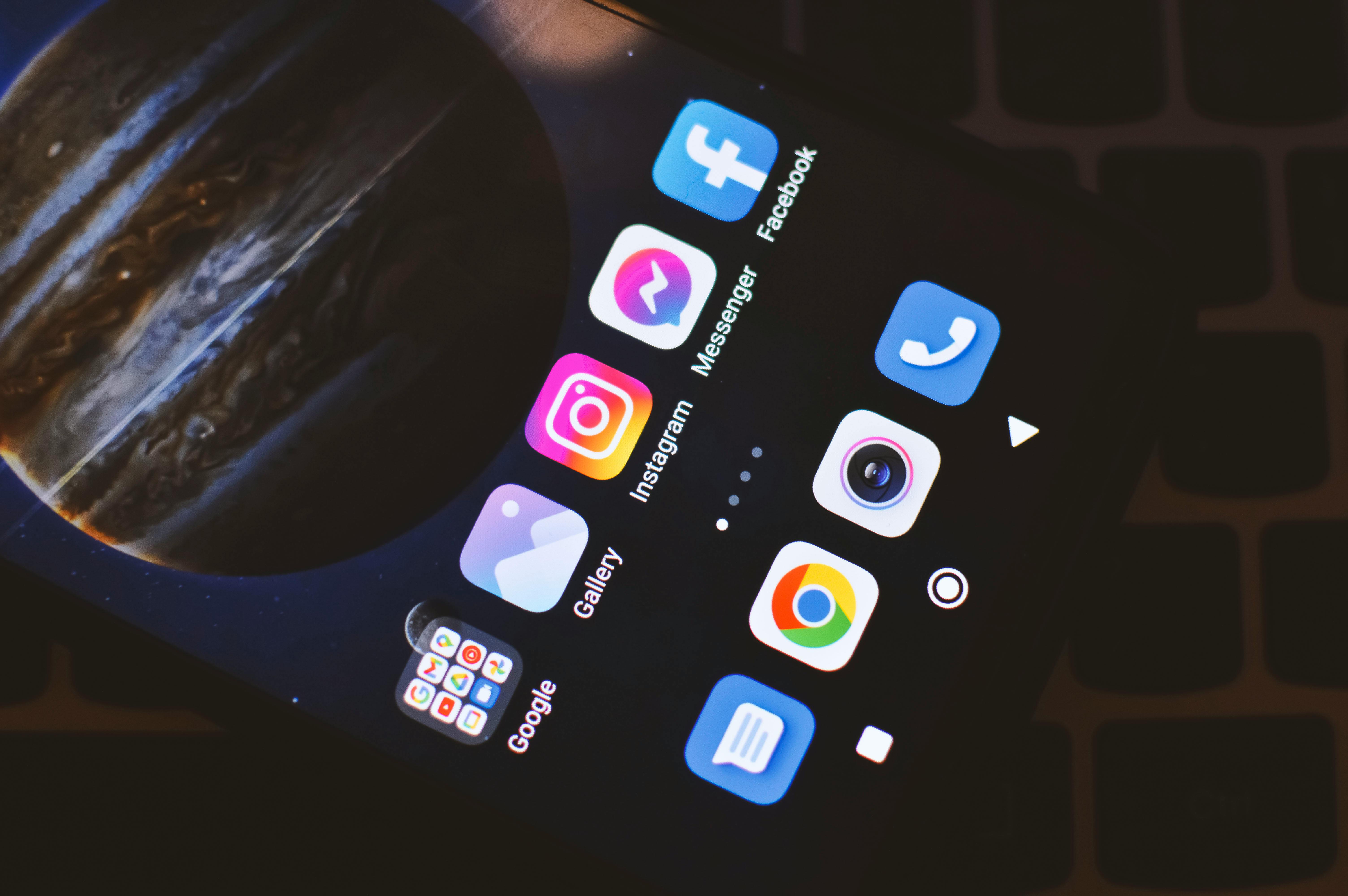
social media applications in a folder on a mobile

Mobile Device Forensics in Florida: Preserving Social Media Evidence

Social media platforms hold a wealth of information that can be essential for investigations. From direct messages to posts and multimedia content, phones often contain digital evidence that may be critical in legal cases. Handling this data properly requires mobile device forensics in FL, a specialized approach to extract, preserve, and analyze social media content without compromising its integrity.

Importance of Social Media Evidence

Social media records provide context, timelines, and proof of interactions. They can verify alibis, support witness statements, or reveal communications relevant to a case. However, this type of evidence is highly vulnerable to accidental deletion, app updates, or device changes. Without proper forensic methods, key information may be lost or rendered unusable in court.

Extraction Techniques for Mobile Devices

Forensic experts use specialized tools to access social media data while maintaining its integrity. Techniques include logical extraction, physical extraction, and cloud data retrieval. Logical extraction collects information that is readily accessible on the device, while physical extraction can recover deleted messages and files. Cloud retrieval involves accessing data stored on social media servers, often requiring authentication and consent.

Experts performing cell phone forensic services document every step to ensure the data’s authenticity. Maintaining a secure workflow and chain of custody is essential to prevent tampering or disputes over evidence admissibility.

a person holding a phone and using a social media application on it

Preserving Metadata and Context

Metadata, such as timestamps, user IDs, and geolocation data, is crucial for understanding the context of social media interactions. Forensic analysis preserves this metadata to establish timelines and confirm the authenticity of messages or media files. Even deleted content can sometimes be recovered and verified, providing investigators with a more complete picture.

Legal Considerations and Compliance

Collecting social media evidence must comply with legal standards, including privacy regulations and procedural requirements. Improper extraction or handling can lead to evidence being challenged or excluded. Specialists in mobile device forensics ensure that procedures align with legal and ethical standards, maintaining both reliability and admissibility in court.

Secure and Verify Your Mobile Evidence

Proper handling of social media data from mobile devices strengthens investigative outcomes and supports the integrity of digital evidence. With services such as mobile device forensics, guidance from a digital forensic consultant, and expertise from a cyber forensic expert, investigators can confidently collect, preserve, and analyze social media evidence for legal proceedings.

For reliable social media evidence extraction and verification, Eclipse Forensics provides professional support, advanced tools, and expert guidance to ensure your digital data is preserved accurately and ready for court. Contact us today.

close-up of an audio editing software

Audio Authentication Techniques Every Investigator Should Know

Audio recordings play a powerful role in modern investigations, often capturing conversations, background activity, and critical details that support legal claims. However, with the ease of editing digital files, questions about authenticity have become more common. This makes authenticated audio forensics an essential process for confirming that recordings remain accurate and unchanged. When handled correctly, authenticated audio can provide strong, reliable evidence in court.

Why Audio Authentication Matters

Unlike written statements, audio recordings present direct accounts of events. They can reveal tone, timing, and intent, which are often vital in legal cases. However, without proper verification, recordings may be challenged for potential edits or manipulation.

Courts require assurance that audio evidence reflects the original recording. Any doubts about authenticity can reduce its value or lead to exclusion. By applying structured authentication methods, investigators can confirm that recordings meet legal standards and remain trustworthy.

Identifying Signs of Audio Manipulation

Modern editing tools allow users to alter audio files in subtle ways. Common modifications include cutting segments, inserting new sounds, or adjusting pitch and timing. While some edits are easy to detect, others require detailed analysis.

Professionals trained in audio forensic services examine waveforms, background noise patterns, and frequency consistency. Abrupt changes or unnatural transitions may indicate tampering. These indicators help determine whether the recording has been altered.

close-up of a person pointing at an inconsistency in an audio file

File Structure and Metadata Review

Audio files contain embedded data that provides information about their origin and history. This metadata includes timestamps, device details, and editing records. Reviewing this data helps establish whether the file has remained intact.

If metadata shows unexpected changes or missing information, it may raise concerns. Consistency between metadata and the claimed recording conditions strengthens the credibility of the evidence.

Voice and Sound Pattern Analysis

Authentication also involves examining the characteristics of voices and environmental sounds within a recording. Experts assess speech patterns, tone consistency, and background noise to ensure alignment throughout the file.

A forensic audio specialist may compare voice samples to confirm identity or detect alterations. Differences in tone, pitch, or acoustic environment can indicate edits.

Chain of Custody and Proper Handling

Maintaining a clear chain of custody is essential for preserving audio evidence. This process documents how the recording was collected, stored, and transferred. Proper handling prevents unauthorized changes and ensures integrity.

Secure storage, limited access, and detailed documentation help maintain confidence in the evidence. Courts rely on this process to confirm that recordings have not been compromised.

Reliable Audio Verification Starts Here

Services such as forensic audio services, guidance from a digital forensic consultant, and support from a cyber forensic expert help ensure that every detail is properly verified. For dependable audio verification backed by proven techniques, Eclipse Forensics provides professional support to help strengthen your case with accurate and trusted evidence. Contact us today.

forensic specialist documenting digital evidence chain of custody in a lab

Why Evidence Handling Determines Admissibility

Digital evidence can make or break a case. From smartphone data and surveillance footage to emails and audio recordings, modern investigations depend heavily on electronic materials. However, even the most compelling digital file can be excluded from court if it was not properly preserved, documented, or analyzed.

The foundation of digital evidence admissibility lies in meticulous evidence handling. Courts require proof that files were collected lawfully, preserved without alteration, and analyzed using reliable forensic methods. Without strict protocols, opposing counsel may challenge authenticity, chain of custody, or methodology.

At Eclipse Forensics, certified professionals ensure that every stage of evidence acquisition and examination meets defensible standards, protecting the integrity of the investigation and strengthening courtroom outcomes.

Secure Acquisition: The First Step Toward Admissibility

Admissibility begins at the moment evidence is collected. Whether performing mobile device forensics or full system imaging, specialists must follow court-certified forensics procedures.

A cell phone forensics expert creates forensic images rather than working from original devices. Hash values are generated to establish a digital fingerprint, ensuring the data remains unchanged throughout the investigation. These steps are commonly performed by a digital forensic expert, preserving integrity from the outset.

Improper acquisition, such as manually copying files or failing to document extraction steps, can compromise the entire case.

Chain of Custody and Documentation

Maintaining a clear chain of custody is essential. Every transfer, analysis, and access point must be recorded. digital forensic consultants document:

  • Who handled the evidence
  • When it was accessed
  • What tools were used
  • What changes, if any, occurred

When multimedia evidence is involved, specialists in video forensic services ensure original footage is preserved before any analysis or enhancement begins.

Similarly, forensic audio services professionals verify that the audio remains intact before conducting a deeper examination. An audio specialist may perform waveform analysis only after integrity checks are completed.

Comprehensive logging strengthens credibility and prevents challenges during expert witness testimony.

Proper Analysis Without Compromising Integrity

Evidence must be examined carefully without altering its original state. For example:

  • Forensic image analysis experts may conduct image redaction while preserving original copies.
  • A video forensic expert may perform enhancement using duplicated working files.
  • A data forensic specialist may conduct cell phone data recovery without modifying primary evidence.
  • Cyber forensic professionals ensure system-level data is analyzed within controlled environments.

Authentication steps, such as ‘authenticate video forensics, ’ confirm files have not been manipulated before findings are reported.

This disciplined approach ensures conclusions are defensible and withstand cross-examination by opposing counsel or independent reviewers.

The Role of the Expert in Court

When a case reaches litigation, a digital forensic expert must clearly explain acquisition methods, analytical tools, and preservation procedures.

Well-documented processes allow experts to deliver confident expert witness testimony, demonstrating that evidence was handled according to accepted forensic standards. Judges and juries rely on this clarity to determine reliability and credibility.

Without proper handling protocols, even accurate findings may face admissibility challenges.

digital forensic expert logging into a mobile device

Protecting Evidence from Collection to Courtroom

Digital evidence is only as strong as the process used to preserve it. From secure extraction and documented chain of custody to disciplined analysis and courtroom presentation, proper handling determines whether evidence will be accepted or excluded.

Eclipse Forensics provides comprehensive digital forensic services, including mobile device forensics in FL, multimedia authentication, and expert reporting designed to meet legal scrutiny.

If your case involves sensitive digital materials, don’t risk admissibility issues. Contact us to ensure your evidence is preserved, analyzed, and presented with the highest professional standards.