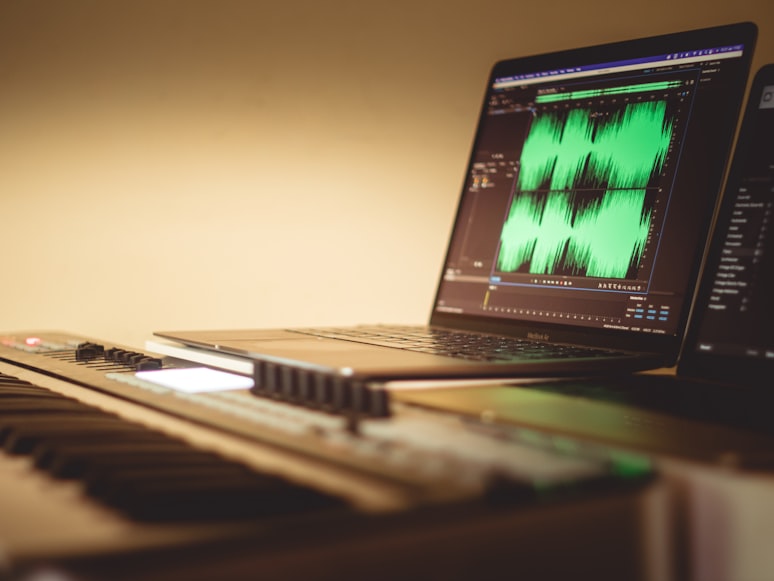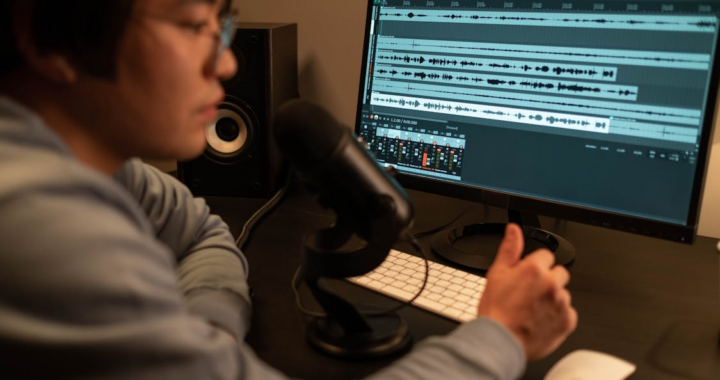

Expert providing digital forensics for cyber incidents.

Inside the Black Box: What Digital Forensics Reveals About Cyber Incidents

Modern cyber incidents rarely announce themselves clearly. A missing file, an unfamiliar login, or a brief system slowdown can be the only outward signs of a far more serious breach. Digital forensics for cyber incidents provides the structured, scientific process needed to uncover what truly happened inside compromised systems and networks.

At its core, digital forensics transforms technical artifacts into a factual timeline. Investigators examine logs, memory captures, file systems, and network traces to determine how unauthorized access occurred, what data was affected, and whether misconduct was accidental or deliberate. In legal and regulatory contexts, these findings often shape litigation strategy, compliance reporting, and internal remediation efforts.

Understanding the Scope of Cyber Incidents

Cyber incidents encompass more than external hacking attempts. Insider threats, credential misuse, data exfiltration, ransomware deployment, and policy violations all fall within the investigative scope. Each scenario leaves behind a distinct digital footprint that must be carefully preserved and analyzed.

A digital forensic consultant begins by defining the incident parameters. This includes identifying affected devices, determining relevant timeframes, and isolating potential sources of compromise. Proper scoping prevents evidence contamination and ensures that analysis remains defensible if presented in court.

Evidence Preservation and Chain of Custody

One of the most critical phases in digital forensics is evidence preservation. Systems involved in cyber incidents often continue operating, which can overwrite volatile data. Investigators rely on forensic imaging tools to create exact replicas of storage media and memory without altering original evidence.

Maintaining a documented chain of custody is essential, particularly when findings may support litigation or regulatory action. A qualified digital forensic expert ensures that every step, from acquisition to reporting, follows accepted forensic standards. This disciplined approach allows conclusions to withstand technical scrutiny and cross-examination.

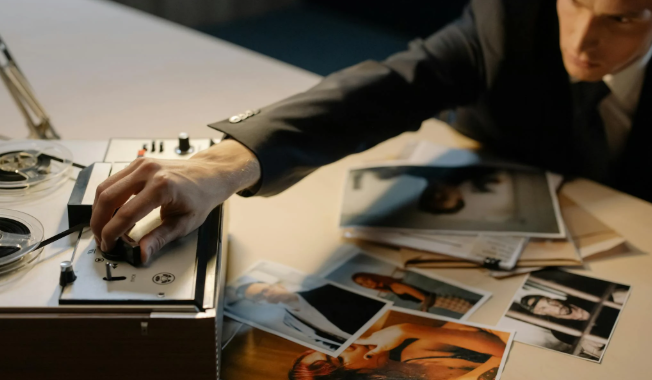
A computer forensics analyst at work.

Reconstructing Unauthorized Access

Determining how a system was accessed requires detailed log correlation. Authentication records, system event logs, firewall data, and application logs are examined collectively to reconstruct user activity. Even deleted or altered logs may leave recoverable artifacts.

In complex cases, a cyber forensic expert analyzes remnants of malware, command-line histories, and registry changes to identify exploitation techniques. These details help determine whether vulnerabilities were exploited externally or access was obtained through compromised credentials or internal misuse.

Analyzing Deleted and Hidden Data

Cyber actors frequently attempt to cover their tracks by deleting files or using obfuscation techniques. Digital forensics tools allow investigators to recover deleted items, identify hidden partitions, and analyze unallocated space for residual data.

A forensic computer analyst examines file metadata, access timestamps, and remnants of overwritten content to establish intent and sequence. This analysis often reveals whether data was merely accessed or actively exfiltrated. In cases involving intellectual property or confidential records, such distinctions are legally significant.

Network and Cloud Forensics

Modern investigations extend beyond local machines. Cloud services, remote servers, and network infrastructure play a central role in cyber incidents. Network traffic analysis can reveal suspicious connections, data transfers, and command-and-control communications.

Computer forensics consultants also examine cloud access logs, virtual machine snapshots, and third-party service records. These sources help reconstruct activity across distributed environments where traditional device-based evidence alone would be incomplete.

Correlating Multimedia and Communications Evidence

Cyber incidents frequently involve supporting evidence beyond system logs. Emails, messaging platforms, voice recordings, and video content can provide context around intent and coordination. Investigators may collaborate with an audio forensic expert or review multimedia artifacts linked to the incident timeline.

When recordings are involved, techniques from audio forensic services may be applied to clarify communications tied to credential sharing, insider coordination, or policy violations. This multidisciplinary approach strengthens investigative conclusions.

Reporting Findings for Legal and Corporate Use

The final forensic report translates complex technical findings into clear, structured conclusions. Reports typically include timelines, methodology descriptions, evidence summaries, and expert opinions grounded in observable data.

In litigation or regulatory proceedings, findings may be presented by a computer forensics expert witness who can explain investigative methods and defend conclusions. Clear reporting ensures that decision-makers understand not just what happened, but how investigators reached those determinations.

An expert checking a laptop.

Why Digital Forensics Matters After the Incident

Beyond immediate response, digital forensics provides long-term value. Findings inform security improvements, policy updates, employee training, and risk mitigation strategies. Organizations that understand how an incident occurred are better positioned to prevent recurrence.

Digital forensics for cyber incidents is not merely reactive. It is a critical component of accountability, compliance, and organizational resilience in an environment where digital misconduct continues to evolve.

As cyber incidents grow more complex, investigators must move beyond surface-level indicators and reconstruct events at a granular technical level. Digital forensics for cyber incidents relies on correlating data across multiple systems, timelines, and storage environments to determine how an intrusion unfolded and who may be responsible. This process demands disciplined methodology, technical fluency, and an evidentiary mindset grounded in legal standards.

Reconstructing Attack Timelines Through System Artifacts

One of the most critical tasks in cyber incident investigations is establishing an accurate timeline. Logs from operating systems, firewalls, authentication servers, and applications are examined collectively to identify when unauthorized access occurred and how long it persisted. These artifacts often reveal failed login attempts, privilege escalation, lateral movement, and data exfiltration patterns.

A skilled digital forensic consultant understands that no single log source tells the full story. Instead, investigators normalize timestamps, account for clock drift, and cross-reference entries across platforms. This approach allows them to distinguish legitimate user behavior from malicious activity, even when attackers attempt to erase traces or manipulate logs.

Malware Analysis and Persistence Mechanisms

When malware is suspected, forensic analysts isolate and examine executable files, scripts, and registry modifications to understand how malicious code entered the environment and maintained persistence. Memory captures and disk images are analyzed to identify command-and-control communications, payload delivery methods, and encryption routines.

This phase often involves collaboration between incident responders and a cyber forensic expert who can translate technical findings into legally defensible conclusions. Understanding how malware interacts with system resources helps establish intent, scope of compromise, and potential data exposure.

Email, Cloud, and Credential Abuse Investigations

Many cyber incidents originate through phishing campaigns, compromised credentials, or misconfigured cloud services. Digital forensics extends into email headers, cloud access logs, and identity management systems to determine how attackers gained entry. Metadata associated with emails, shared files, and authentication tokens can reveal spoofing attempts, unauthorized forwarding rules, or suspicious access from unfamiliar locations.

Investigators performing forensic video analysis or forensic image analysis may also examine screenshots, recorded sessions, or captured visual evidence tied to social engineering campaigns. These assets can demonstrate how users were deceived or how attackers impersonated trusted entities.

A video forensics expert at work.

Data Exfiltration and Intellectual Property Theft

In cases involving stolen data, forensic teams focus on identifying what information was accessed, copied, or transmitted outside the organization. Network traffic analysis, file access records, and storage artifacts help determine whether sensitive documents were merely viewed or actively exfiltrated.

This stage is especially critical in civil litigation, regulatory investigations, and trade secret disputes. A data forensic expert ensures that conclusions about data loss are supported by measurable technical evidence rather than assumptions. This precision is essential when damages, compliance penalties, or reputational harm are at stake.

Attribution and Legal Accountability

While absolute attribution is not always possible, digital forensics can often narrow responsibility to specific accounts, devices, or network segments. Investigators analyze user behavior patterns, credential usage, and system interactions to differentiate insider threats from external attackers.

When cases progress to court, findings must be presented clearly and defensibly. A computer forensics expert witness plays a vital role in explaining how evidence was collected, preserved, and interpreted. Their testimony helps judges and juries understand complex technical issues without overstating conclusions.

Preparing for Litigation and Regulatory Review

Organizations facing cyber incidents must assume that their response will be examined by regulators, insurers, or courts. Digital forensic reports should therefore prioritize clarity, documentation, and neutrality. Conclusions must be supported by evidence, and limitations should be clearly stated.

This disciplined approach not only supports legal defensibility but also helps organizations improve their security posture. Lessons learned from forensic investigations often inform policy updates, employee training, and infrastructure improvements.

A cyber forensics expert at work.

Trust Eclipse Forensics to Investigate Cyber Incidents with Precision and Legal Defensibility

When cyber incidents demand clarity, Eclipse Forensics provides disciplined, defensible digital investigations grounded in scientific methodology. We bring together experienced digital forensic consultants, computer forensics expert witnesses, and data forensic experts to support complex matters with precision.

You can also choose us for forensic audio, video, and mobile device services that ensure a secure, deep dive that brings real results.

Our team works closely with legal counsel and organizations to uncover facts, preserve evidence, and present findings that withstand scrutiny. When digital evidence matters, we deliver insight with integrity.

Get in touch with us.

An audio forensics expert analyzing a file.

Audio Evidence Under the Microscope: How Experts Decode Every Frequency

In modern investigations, audio recordings often carry details that visual evidence cannot capture. Forensic sound analysis plays a central role in uncovering these details by examining recordings at a scientific level. From faint background voices to subtle distortions, expert analysis can transform unclear audio into credible, court-admissible evidence. When handled correctly, sound becomes more than noise. It becomes data that tells a precise and defensible story.

The Scientific Foundation of Audio Evidence

Audio evidence is inherently complex. Recordings contain layers of sound, including primary speech, ambient noise, device artifacts, and environmental interference. Forensic specialists rely on established acoustic science to separate these elements without altering the original content. This process ensures evidentiary integrity while allowing investigators to understand what was captured and how it was recorded.

An experienced audio forensic expert begins by evaluating the source file. Factors such as file format, compression, sampling rate, and recording device influence how sound behaves within the file. Understanding these technical characteristics is essential before any analysis begins.

Filtering Without Distortion

One of the most misunderstood aspects of audio analysis is filtering. Contrary to common belief, filtering does not mean erasing unwanted sounds entirely. Instead, experts use calibrated tools to reduce competing frequencies that mask relevant audio. The goal is clarity, not alteration.

Using controlled filtering techniques, professionals isolate speech frequencies while preserving the original waveform. This approach allows analysts to identify spoken words, environmental cues, or sequence timing without introducing artifacts. High-quality filtering is a hallmark of credible audio forensic services, particularly when recordings are challenged in court.

An expert providing audio authentication services.

Spectral Analysis and Frequency Mapping

Spectral analysis is one of the most powerful tools in forensic sound work. By converting audio into a visual frequency map, analysts can observe patterns that are invisible to the human ear. These patterns reveal overlapping voices, edits, background disturbances, and anomalies within the recording.

Spectrograms allow experts to determine whether sounds occurred naturally or were introduced later. This technique is often used alongside audio authentication services to verify continuity and detect potential tampering. When disputes arise over authenticity, spectral analysis provides measurable, repeatable findings grounded in science.

Enhancement Versus Interpretation

Audio enhancement improves intelligibility, but interpretation remains a separate and carefully controlled step. Forensic professionals do not speculate or infer meaning beyond what the audio supports. Every enhancement action is documented, repeatable, and reversible.

This distinction is critical in legal settings. A qualified forensic video analysis expert or audio specialist ensures that enhancement does not introduce bias. Courts rely on this discipline to maintain fairness and objectivity when audio evidence is presented.

Identifying Edits and Interruptions

Modern editing software makes it easy to manipulate recordings, but those manipulations often leave traces. Abrupt frequency changes, inconsistent background noise, or mismatched encoding signatures can indicate edits. Through careful examination, experts can determine whether a recording reflects a continuous event.

This process often intersects with broader digital investigations involving digital video forensics or metadata review. Audio rarely exists in isolation, and understanding its relationship to other digital evidence strengthens the overall analysis.

Contextual Clues in Background Sound

Beyond speech, background audio can provide critical context. Environmental sounds such as traffic, alarms, machinery, or room acoustics help establish location and timing. Even silence has forensic value when examined properly.

A skilled digital forensic consultant evaluates these elements to support timelines and corroborate witness statements. These subtle details frequently become decisive factors in contested cases.

A computer forensics analyst at work.

Admissibility and Expert Methodology

For audio evidence to withstand scrutiny, analysis must follow accepted forensic standards. Chain of custody, documentation, and methodological transparency are essential. Courts expect experts to explain not only their conclusions but how those conclusions were reached.

This is where collaboration with a computer forensics expert witness or multidisciplinary forensic team becomes critical. Audio findings often integrate with broader digital evidence, creating a cohesive narrative supported by multiple data sources.

Addressing Distortion, Compression, and Environmental Noise

Modern recordings are rarely captured in controlled environments. Audio files may contain compression artifacts, clipping, reverberation, or interference from surrounding activity. A forensic sound analysis approach accounts for these variables by isolating how environmental factors influence sound behavior.

Investigators examine echo patterns, room acoustics, microphone placement, and signal degradation to determine whether a recording reflects a natural capture or intentional manipulation.

Advanced filtering techniques allow analysts to suppress persistent background noise without altering speech characteristics. This distinction is critical in legal contexts, where aggressive noise reduction could unintentionally modify evidentiary content. A trained audio forensic expert applies calibrated methods that enhance clarity while preserving the original signal structure, ensuring findings remain defensible.

Speaker Identification and Voice Comparison Methods

One of the most technically demanding aspects of forensic audio work involves speaker identification. Analysts compare known and questioned voice samples using pitch, formant frequencies, speech rhythm, and articulation patterns. These comparisons rely on statistical models and controlled listening tests rather than subjective judgment.

In cases involving disputed recordings, audio authentication services play a key role in determining whether voices originate from the same speaker or whether edits introduced inconsistencies. This process often supports broader investigations that include forensic video analysis or digital file review, reinforcing conclusions across multiple evidence types.

An expert analyzing an audio file.

Synchronizing Audio With Video and Digital Evidence

Audio evidence rarely exists in isolation. Investigators frequently correlate sound with visual or digital records to establish timelines and context. When paired with surveillance footage, analysts assess whether audio aligns with visual actions, ambient sounds, or environmental cues. Discrepancies between sound and motion may indicate splicing or post-production alterations.

In complex cases, collaboration with a video forensic expert or digital forensic consultant ensures consistency across disciplines. Audio waveforms can be matched to video frames, while metadata and system logs confirm when and how recordings were created. This integrated approach strengthens evidentiary reliability and reduces ambiguity.

Detecting Tampering Through Spectral and Temporal Analysis

Tampering detection remains a central objective of forensic audio examinations. Analysts scrutinize spectral continuity, phase alignment, and amplitude consistency to identify edits, overdubs, or deletions. Even subtle manipulations often leave measurable traces, such as abrupt frequency transitions or unnatural silence gaps.

Temporal analysis further reveals whether a recording reflects continuous capture. Changes in background noise patterns or electrical interference signatures may suggest interruptions. These findings often complement work performed by computer forensics consultants, who examine file histories and storage behavior to confirm or challenge authenticity claims.

Establishing Chain of Custody and Evidentiary Integrity

Beyond technical enhancement, forensic audio professionals focus on maintaining evidentiary integrity. Proper documentation of handling, analysis steps, and software settings is essential. Courts require transparency regarding how conclusions were reached and whether methods comply with accepted forensic standards.

In litigation, an experienced computer forensics expert witness or audio specialist may be called upon to explain methodologies clearly and objectively. Their role involves translating complex signal processing concepts into understandable testimony without overstating conclusions. This balance preserves credibility and ensures the evidence withstands cross-examination.

Audio forensics in process.

Ethical Boundaries in Audio Enhancement

Ethics guide every stage of forensic audio work. Enhancement aims to clarify existing information, not create new content. Analysts must resist overprocessing that introduces artifacts or alters meaning. Maintaining original copies, documenting every adjustment, and adhering to repeatable procedures protect both the analyst and the legal process.

This ethical framework mirrors practices used in video forensic services and other digital disciplines. Consistency across forensic domains reinforces trust in expert findings and supports fair outcomes.

The Expanding Role of Audio Forensics in Modern Investigations

As recording devices become more prevalent, audio evidence appears in an increasing range of cases. From criminal investigations to civil disputes and corporate inquiries, sound analysis offers insights unavailable through other means. Background noises can reveal locations, timing, or participant actions that written records overlook.

When combined with cell phone forensic services or broader digital examinations, audio findings contribute to a comprehensive evidentiary picture. The growing sophistication of recording technology demands equally advanced forensic methods, making professional analysis indispensable.

Audio analysis and authentication in process.

Why Professional Analysis Matters

Untrained enhancement or casual interpretation can undermine otherwise valuable evidence. Proper forensic analysis protects the integrity of recordings while revealing the truth they contain. In complex investigations, this distinction can be decisive.

When audio evidence is examined under a forensic microscope, every frequency tells part of the story. The key lies in knowing how to listen.

Partner with Eclipse Forensics for Defensible, Science-Driven Audio Investigations

At Eclipse Forensics, we approach audio evidence with scientific rigor and legal precision. We apply proven forensic sound analysis methods alongside audio forensic services, audio authentication services, and multidisciplinary digital expertise to support high-stakes investigations.

We understand how audio integrates with broader forensic findings, including work performed by a digital forensic consultant. Our team is committed to delivering defensible conclusions that withstand scrutiny and help uncover the truth with clarity and confidence.

Get in touch with us today to get started.

Smartphone showing recovered messages using mobile device forensics by Eclipse Forensics

Deleted Doesn’t Mean Gone: Recovering Crucial SMS and Email Evidence

In today’s digital-first world, conversations that once happened face-to-face now unfold through text messages and emails. As a result, SMS and email recovery has become a critical component of criminal investigations, civil litigation, and corporate disputes. From fraud and harassment cases to employment conflicts and internal investigations, deleted communications often hold the missing context needed to establish facts and accountability.

A common misconception is that deleting a message permanently removes it from existence. In reality, modern smartphones, email platforms, and cloud-connected applications are designed to store data redundantly. Even after deletion, fragments of messages, attachments, metadata, and timestamps may remain on devices, backups, or remote servers. These digital traces can persist long after a user believes the information is gone.

This is where a trained digital forensic expert plays a vital role. Using validated forensic tools and methodologies, experts can locate, extract, and preserve erased communications without altering the original evidence. More importantly, they can interpret recovered data in its proper technical and legal context.

When properly recovered and authenticated, deleted SMS and emails help investigators reconstruct timelines, identify intent, and connect individuals to key events. In many cases, what was thought to be “gone forever” becomes the most compelling evidence in the investigation.

How SMS and Email Data Is Stored on Devices and Servers

To understand how deleted messages are recovered, it is important first to know how SMS and email data are stored. Modern communication systems are designed for reliability, not immediate erasure. Text messages, multimedia messages, and emails are typically saved across multiple layers of devices and servers, creating opportunities for recovery.

On mobile devices, SMS and MMS messages are stored in internal databases that retain message content, timestamps, sender and recipient details, and delivery status. Even when a user deletes a message, the system often performs a logical deletion, marking the space as available rather than immediately overwriting the data. This is a key reason mobile device forensics is so effective in uncovering erased communications.

Email data is stored within email clients, local caches, and cloud-based servers operated by service providers. Copies may exist in sent folders, drafts, backups, or archived logs. Cloud backups and synchronization services further increase the likelihood that deleted emails can be recovered from secondary storage locations.

The distinction between logical deletion and physical deletion is critical. Logical deletion hides data from the user interface, while physical deletion occurs only when the data is overwritten. Until that happens, residual data, metadata, and system logs may still be accessible to a trained data forensic expert.

Because smartphones consolidate texts, emails, attachments, and cloud access in one place, they are the most common and valuable source of recoverable evidence. This is why cell phone forensic services are frequently central to modern investigations.

What Happens When Messages Are Deleted

When a user deletes an SMS or email, the action rarely means the information is immediately destroyed. In most digital systems, “delete” simply changes how data is referenced, not whether it still exists. The message is removed from view, but the underlying data often remains intact until the system needs that storage space for new information.

Mobile phone displaying recovered SMS and email evidence from Eclipse Forensics experts

In technical terms, deletion usually triggers a logical change rather than physical removal. The device marks the space as available, allowing future data to overwrite it. Until that overwrite occurs, the message may still exist in fragments or as complete records. This is why recovery is often possible, particularly when a cell phone forensics expert is engaged early in an investigation.

Deleted SMS and emails can persist in several locations. Unallocated space on a device may contain remnants of message databases. Backups, both local and cloud-based, often preserve older versions of data long after deletion. In email systems, server-side logs and synchronization records can retain message headers, timestamps, and routing information even when content appears erased.

Timing plays a decisive role in recovery success. The longer a device continues to be used after deletion, the higher the risk that new data will overwrite recoverable fragments. Similarly, automatic backup cycles or system updates may alter storage structures.

A forensic computer analyst understands how to identify these residual traces, assess fragmentation patterns, and determine whether recovery is viable. This expertise allows investigators to reconstruct communications and timelines that would otherwise appear permanently lost.

Forensic Techniques Used in SMS and Email Recovery

Successful SMS and email recovery depends on applying the correct forensic techniques while preserving the integrity of the evidence. Professional investigators do not rely on a single method; instead, they use a layered approach based on the device type, operating system, and condition of the data.

One of the first methods employed is logical extraction. This technique captures accessible data such as visible messages, contact records, and application-level databases using forensic tools. While logical extraction is efficient and non-invasive, it may not reveal deleted content. When deeper recovery is required, physical extraction is used. This process involves acquiring a bit-by-bit image of the device’s storage, allowing examiners to search unallocated space and recover deleted or fragmented SMS and email records.

Database analysis plays a critical role in message recovery. SMS messages are typically stored in structured databases, while emails contain headers and metadata that reveal sender details, timestamps, IP addresses, and routing paths. By analyzing these elements, a digital forensic expert can reconstruct conversations even when portions of the content are missing.

Cloud-based recovery is increasingly important, as many devices synchronize messages with email servers and cloud backups. Investigators can retrieve historical data from these sources, often uncovering communications that were deleted locally but preserved remotely. Recovery may also extend to encrypted or damaged devices, where specialized techniques and forensic tools are used to bypass access controls or extract data without altering it.

Throughout the process, read-only acquisition and validation are essential. Evidence is collected without modifying the original data, and cryptographic hashes are used to verify authenticity. This is where computer forensics consultants add critical value, ensuring recovered messages are accurate, defensible, and admissible in legal proceedings.

Recovering Emails from Multiple Sources

Email evidence rarely exists in a single location. Modern communication ecosystems distribute messages across devices, applications, and servers, making multi-source analysis essential for accurate recovery. Professional investigators approach email recovery by examining every potential storage point where message data or related artifacts may reside.

On mobile devices, emails are often stored within application databases tied to native mail apps or third-party platforms. These databases may retain cached messages, attachments, and synchronization logs even after deletion. Desktop computers provide additional layers of evidence through email clients, browser caches, temporary files, and system logs. A computer forensic expert in FL can identify these artifacts to reconstruct message histories that appear lost.

Webmail platforms and cloud services are equally valuable sources. Emails accessed through browsers may leave behind session data, cookies, and cached content, while cloud-based email providers often maintain server-side records, backups, and audit logs. A cyber forensic expert understands how to legally access and preserve this information while maintaining compliance with data protection and jurisdictional requirements.

Beyond recovering message content, forensic analysis focuses heavily on email headers, timestamps, and IP addresses. These elements reveal when a message was sent, the route it traveled, and the systems involved in its transmission. By cross-referencing this data with device activity, login records, and network logs, investigators can validate authenticity and identify user behavior.

A digital forensic consultant brings these diverse data points together, correlating email evidence with other digital activity to establish accurate timelines, verify intent, and strengthen investigative and legal outcomes.

Forensic expert extracting hidden SMS and email data from a smartphone

Role of Mobile Device Forensics in Message Recovery

Mobile phones are at the center of modern communication, making them one of the most critical sources of evidence in today’s investigations. Calls, text messages, emails, and app-based conversations often occur on a single device, creating a detailed record of interactions, timing, and intent. This is why mobile device forensics plays a pivotal role in effective message recovery.

Through specialized forensic tools and methodologies, analysts can recover deleted SMS messages, fragments of messaging app data, and associated artifacts that remain within device databases or unallocated storage. Even when messages are removed from a user interface, related metadata such as timestamps, contact identifiers, and message status may still be accessible. Attachments, shared links, and media files exchanged through messaging platforms can also be preserved and analyzed to provide additional context.

Professional cell phone searching in FL supports legal investigations by ensuring that mobile evidence is collected and examined in a forensically sound manner. Investigators follow strict chain-of-custody procedures and use read-only acquisition methods to prevent data alteration. This process ensures that recovered messages and related artifacts remain admissible in court.

However, mobile forensics presents unique challenges. Device encryption, frequent operating system updates, biometric locks, and app-level security can restrict access to data. Experienced specialists overcome these obstacles using validated techniques and tools designed for secure extraction and analysis. By relying on certified cell phone forensic services, investigators can recover critical communications while maintaining evidentiary integrity and compliance with legal standards.

Authentication and Legal Admissibility of Recovered Messages

Recovering deleted SMS and emails is only the first step; without proper authentication, even accurately recovered messages may be challenged or excluded in legal proceedings. Courts require clear proof that digital evidence is genuine, unaltered, and directly tied to the individuals or events in question. This is where forensic validation becomes critical.

Authentication begins with a detailed examination of metadata associated with recovered messages. Timestamps, sender and recipient identifiers, message IDs, and device information help verify when and how a communication occurred. Hash values are then calculated for recovered data to establish integrity. These unique digital fingerprints allow forensic analysts to demonstrate that the evidence has not been modified at any stage of handling or analysis.

System logs and supporting artifacts further strengthen credibility. Logs from mobile devices, email servers, or cloud platforms can corroborate message activity, confirming that a communication existed even if it was later deleted. All findings are documented through strict chain-of-custody procedures, ensuring every step from acquisition to analysis is transparent and repeatable.

For courtroom acceptance, a computer forensics expert witness may be required to explain the recovery and authentication process in clear, defensible terms. Their testimony links technical findings to legal standards, reinforcing reliability. In cases involving multimedia evidence, professionals may also authenticate video forensics to ensure consistency across digital records. Together, these practices ensure recovered messages are both credible and legally admissible.

Smartphone with recovered communications, illustrating mobile forensics in legal investigations

Integrating SMS and Email Evidence with Audio and Video Forensics

Recovered messages become far more powerful when they are analyzed alongside audio and visual evidence. Integrating SMS and email recovery with call logs, audio recordings, and video footage allows forensic professionals to build a comprehensive and time-aligned narrative of events rather than relying on isolated data points.

SMS and email timestamps can be correlated with call records to confirm communication patterns before, during, or after critical incidents. When audio evidence is involved, an audio forensic expert examines call recordings, voicemails, or ambient audio to verify speakers, enhance clarity, and confirm timing. These findings are often cross-referenced with message activity to establish intent, coordination, or response sequences. Professional audio forensic services ensure recordings are both clear and authenticated, supporting their evidentiary value.

Visual data adds another layer of verification. A forensic video analysis expert evaluates surveillance footage, body-worn camera video, or device recordings to confirm locations, movements, and interactions that align with recovered communications. Through digital video forensics, analysts can validate timestamps, examine metadata, and determine whether visual evidence supports or contradicts message content.

When SMS, email, audio, and video evidence converge, timelines become stronger and more defensible. This multi-source approach reduces ambiguity, exposes inconsistencies, and provides courts and investigators with a clear, corroborated sequence of events grounded in verified digital evidence.

Why Professional SMS and Email Recovery Matters

Deleted messages often appear lost, but skilled forensic analysis proves otherwise. Professional SMS and email recovery ensures that crucial conversations, timelines, and evidence are retrieved accurately and preserved securely. Authentication, metadata verification, and chain-of-custody documentation make recovered messages legally defensible.

Integrating this evidence with audio, video, and other digital data strengthens investigations and case outcomes. Engaging certified forensic experts guarantees proper interpretation and prevents tampering or misrepresentation. In modern criminal, civil, and corporate investigations, accurate message recovery is essential, helping legal teams uncover the truth and make informed decisions based on credible, actionable communications.

Contact Eclipse Forensics today to recover, authenticate, and preserve crucial SMS and email evidence for your investigation.

An expert providing e-discovery services.

Digital Discovery: How E-Discovery Streamlines Complex Investigations

Modern investigations generate massive volumes of electronic information, making e-discovery services essential for legal teams facing tight deadlines and complex data sources. From emails and documents to cloud files and messaging platforms, properly managing digital evidence is critical to building defensible cases.

At its core, e-discovery applies structured forensic processes to identify, preserve, analyze, and review electronically stored information. When handled correctly, it reduces risk, improves efficiency, and ensures evidentiary integrity throughout litigation.

What E-Discovery Really Involves

E-discovery begins with data identification. Investigators locate relevant sources across servers, workstations, mobile devices, and cloud platforms. This phase often relies on collaboration with a digital forensic consultant to ensure no critical sources are overlooked.

Once identified, data is preserved using forensic methods that maintain authenticity. Metadata, timestamps, and system artifacts are protected to prevent spoliation claims. This foundation allows legal teams to proceed confidently, knowing the evidence remains defensible.

Managing Volume Without Losing Precision

One of the greatest challenges in modern cases is volume. Thousands or even millions of files may be involved. Structured filtering and forensic review tools allow analysts to isolate relevant material while excluding redundant or irrelevant data.

Through targeted searches, investigators apply principles from computer forensics to uncover hidden relationships between files, users, and timelines. This approach minimizes review fatigue while preserving the context necessary for accurate conclusions.

Linking Digital Evidence Across Systems

E-discovery does not operate in isolation. Data often overlaps with other forensic disciplines, including mobile analysis and multimedia review. Messages extracted through mobile device forensics may align with server logs or cloud activity uncovered during discovery.

Similarly, video files subjected to forensic video analysis can be correlated with access records, email exchanges, or internal documents. These connections create a comprehensive narrative that supports investigative findings and legal arguments.

Ensuring Admissibility and Compliance

Courts demand transparency and consistency in handling electronic evidence. E-discovery protocols are designed to meet legal standards while remaining flexible enough to adapt to case-specific requirements.

Experienced teams document every step, from collection to review, ensuring findings can withstand scrutiny. In matters involving testimony, collaboration with a computer forensics expert witness ensures technical explanations remain clear, accurate, and courtroom-ready.

On-going computer forensics analysis.

Partnering With Eclipse Forensics

At Eclipse Forensics, we deliver e-discovery services designed to support complex investigations with precision and accountability. Our team applies proven methodologies alongside computer forensics analysis, mobile device forensics, and forensic video and audio analysis to ensure every data source is properly examined.

We work closely with attorneys, corporations, and investigators to streamline review workflows and preserve evidentiary integrity. When digital evidence matters, our experience helps transform complexity into clarity.

Trust us to support your case with reliable computer forensics consultants and expert-driven discovery solutions.

Get in touch with us today.

An expert doing mobile device data recovery.

The Hidden Story in Your Phone: Mobile Device Data Recovery

Modern smartphones record far more than calls and messages. They quietly store timelines of movement, conversations, images, and application activity that can become critical during legal and investigative matters. Mobile device data recovery allows forensic specialists to uncover this hidden digital narrative with accuracy and care, even when users believe information is permanently erased.

As devices become more advanced, so do the methods required to extract reliable evidence. Deleted does not always mean destroyed, and professional forensic recovery can often retrieve data long after it appears inaccessible.

What Mobile Device Data Recovery Involves

Mobile device data recovery is a structured forensic process designed to retrieve information without altering or contaminating evidence. Specialists work within strict protocols to preserve integrity while extracting data from smartphones, tablets, and other mobile devices.

Using advanced forensic tools, examiners can access deleted text messages, call logs, photos, videos, documents, and application data. This process often relies on expertise from a cell phone forensics expert who understands operating systems, file structures, and encryption methods unique to mobile platforms.

Recovering Data After Deletion or Reset

Many users assume factory resets or manual deletions permanently remove information. In reality, residual data often remains stored in device memory or backups. Through mobile device forensics, investigators can reconstruct fragments of deleted content and analyze metadata that reveals when and how files were created or modified.

This work frequently overlaps with cell phone forensic services that focus on identifying user activity, communication patterns, and application usage. Even partially damaged or inaccessible devices may still contain recoverable evidence.

The Role of Metadata and App Activity

Beyond visible files, smartphones maintain extensive metadata. Location history, timestamps, cloud synchronization records, and app usage logs can provide context essential to investigations. A trained digital forensic consultant interprets this information to establish timelines and verify authenticity.

Data extracted from messaging apps, social platforms, and cloud-connected services often complements traditional records. When combined with broader forensic analysis, mobile data can clarify intent, movement, and communication behavior.

Ensuring Legal Admissibility

Recovering data is only part of the process. Evidence must be preserved according to forensic standards to remain admissible in legal proceedings. Proper documentation, chain of custody, and validated methodologies are essential.

Professionals skilled in forensic image analysis and forensic video analysis often support mobile recoveries by examining media files stored on devices. These techniques help confirm originality and detect manipulation, strengthening the credibility of digital evidence.

Apps on a cellphone.

Partner With Eclipse Forensics for Trusted Mobile Data Recovery

At Eclipse Forensics, we approach every case with methodical care and forensic discipline. Our team specializes in mobile device data recovery in FL, combining advanced tools with expert analysis to uncover information others miss. We regularly assist clients with cell phone forensic services, detailed forensic image analysis, and comprehensive forensic video analysis that support clear, defensible conclusions.

We understand the importance of accuracy when evidence matters. Our specialists work closely with legal teams, investigators, and organizations to ensure recovered data meets strict forensic standards.

When digital evidence is hidden beneath layers of deletion or damage, we are prepared to uncover the truth responsibly and effectively. Contact us to learn how our mobile forensic expertise can support your case.

On-going computer forensics analysis.

Inside the Drive: The Science of Computer Forensics Analysis

Modern investigations often hinge on what lies beneath the surface of digital systems. Computer forensics analysis plays a critical role in uncovering hidden data, reconstructing user activity, and preserving electronic evidence in a legally defensible manner. When questions arise around data misuse, unauthorized access, or digital misconduct, forensic specialists turn to scientific methodologies to uncover the truth stored within hard drives and servers.

What Computer Forensics Analysis Really Involves

At its core, computer forensics analysis is the structured examination of digital storage media. Investigators begin by creating verified forensic copies to ensure original data remains untouched. This process preserves evidentiary integrity while allowing examiners to work safely on duplicate images.

Once secured, forensic tools analyze file systems, registry entries, system logs, and metadata. A trained forensic computer analyst can reconstruct timelines, determine user behavior, and identify deleted or concealed information that may be crucial to a case.

Recovering Deleted and Hidden Data

Deleting a file does not necessarily remove it from a hard drive. In many cases, the data remains recoverable until overwritten. Through advanced recovery techniques, specialists extract remnants of documents, emails, and application data that users believed were permanently erased.

This process requires precision and experience. A qualified digital forensic consultant understands how operating systems manage storage and how fragments of data persist across drives. These recovered files can provide clarity in civil disputes, internal investigations, and criminal proceedings.

Log Analysis and Digital Pattern Recognition

Beyond individual files, computer forensics analysis focuses on system activity. Log files record login attempts, software usage, and network interactions. Examining these records allows investigators to identify access points, abnormal behavior, and patterns that suggest misuse or compromise.

A data forensic expert evaluates these patterns in context, correlating timestamps and actions across multiple sources. This approach transforms raw data into a coherent narrative that aligns with investigative objectives and legal standards.

The Role of Expertise in Complex Investigations

Computer forensic work demands more than technical knowledge. Investigators must follow repeatable, documented processes to ensure findings withstand scrutiny. Courts and legal teams rely on specialists who can explain complex digital concepts clearly and accurately.

Experienced computer forensics consultants apply established methodologies while adapting to evolving technologies. From encrypted drives to cloud-based systems, modern examinations require continual learning and disciplined execution.

Maintaining Admissibility and Chain of Custody

Every step in a forensic examination must support admissibility. Proper documentation, secure storage, and validated tools ensure evidence remains reliable. A recognized digital forensic expert understands how procedural missteps can undermine even the most compelling findings.

By adhering to forensic standards, investigators protect both the evidence and the integrity of the case. This disciplined approach distinguishes forensic analysis from informal data review.

A forensics analyst uncovering digital evidence.

A Trusted Partner in Digital Investigation

At Eclipse Forensics, we approach every case with precision, transparency, and respect for evidentiary standards. Our team applies proven methodologies supported by experienced computer forensics consultants, a dedicated forensic computer analyst, and seasoned data forensic experts. We combine technical depth with clear reporting to support legal strategies and investigative needs.

Whether your case requires detailed computer forensics analysis, expert insight from a digital forensic expert in FL, or defensible documentation prepared for review, we are committed to accuracy and integrity.

Contact us and let us help uncover the digital truth with confidence and care.

On-going forensic redaction services.

Protecting Privacy: Why Redaction Matters in Digital Evidence

In today’s data-driven investigations, forensic redaction services play a critical role in balancing transparency with privacy. Legal cases often rely on audio recordings, images, and video files that contain sensitive or identifying information. Proper redaction ensures that only relevant evidence is disclosed while protecting individuals who are not part of the legal matter.

The Growing Need for Redaction in Digital Evidence

Digital evidence frequently captures more than intended. Surveillance footage may include bystanders, audio recordings can contain private conversations, and mobile data often reveals personal identifiers. Without careful handling, this information can compromise privacy rights or weaken a case’s admissibility.

Professionally executed redaction removes or masks protected details without altering the evidentiary value. This process is especially important in cases involving multimedia files examined through digital video forensics or detailed image reviews, where even small oversights can raise legal challenges.

Redaction Across Audio, Image, and Video Files

Each type of digital evidence requires a distinct redaction approach. Audio files may need voice masking or selective silencing, often guided by an audio forensic expert who understands how to preserve tone, timing, and authenticity. In video, faces, license plates, and on-screen data must be obscured while ensuring continuity.

Image files often demand pixel-level precision. Specialists trained in forensic image analysis ensure that sensitive visual elements are hidden without degrading resolution or introducing artifacts. Across all formats, redaction must be deliberate, repeatable, and defensible.

Preserving Admissibility and Evidentiary Integrity

Courts expect redacted evidence to remain accurate and untampered. Improper edits can lead to claims of manipulation or bias. This is where collaboration with a digital forensic consultant becomes essential. Their role is to document methodologies, maintain the chain of custody, and ensure redactions align with legal standards.

Redaction is not about removing context. It is about narrowing focus so decision-makers see only what is relevant. When performed correctly, redaction strengthens trust in the evidence and supports clearer fact-finding.

Redaction Within Broader Forensic Investigations

Redaction often works alongside broader investigative efforts, including mobile data reviews and computer examinations. For example, content extracted during mobile device forensics may require redaction before sharing with opposing counsel or the court. Similarly, findings prepared by computer forensics consultants must be carefully filtered to protect unrelated personal data.

This integrated approach ensures compliance with privacy laws while supporting effective litigation and investigations.

Why Professional Redaction Matters

Automated tools alone are rarely sufficient. Each case carries unique legal and ethical considerations that demand expert judgment. Trained professionals understand how redaction decisions impact admissibility, credibility, and privacy obligations.

When handled properly, redaction allows digital evidence to be shared confidently, responsibly, and in full compliance with legal expectations.

 Forensics video analysis in process.

Partner With Experts Who Prioritize Accuracy and Privacy

At Eclipse Forensics, we understand that privacy protection is inseparable from evidentiary integrity. Our team applies forensic redaction services with precision, ensuring sensitive details are safeguarded without compromising meaning or authenticity.

We have forensic video analysis specialists, forensic audio services, and experienced cell phone forensics experts to deliver courtroom-ready results. Our approach reflects the standards expected of a trusted digital forensic expert working in high-stakes matters. When accuracy and discretion matter, we are committed to protecting both your evidence and the people behind it.

Contact us to learn how our expertise supports secure, defensible outcomes.

A forensic video analysis expert at work.

Spotting the Fakes: Understanding Video Authentication Techniques

In an era where digital footage can be altered with alarming ease, video authentication techniques play a critical role in determining whether video evidence can be trusted. Courts, investigators, and legal professionals increasingly rely on forensic science to confirm a video’s originality, integrity, and continuity before it is used to support critical decisions.

Authentication is not about enhancement or visual clarity; it is about proving whether a video is genuine and unchanged from its original state.

Why Video Authentication Matters

Video evidence often carries significant weight, but without proper verification, it can be misleading. Edited clips, missing frames, manipulated timestamps, and recompressed files may subtly distort reality. Through forensic video analysis, specialists examine file structures, encoding histories, and file metadata to identify inconsistencies that suggest tampering. These technical indicators are not visible to the naked eye, which is why expert analysis is essential.

Authentication protects against misinterpretation and ensures that decisions are based on factual, defensible evidence. Whether footage comes from security cameras, mobile devices, or online sources, its reliability must be established before conclusions are drawn.

How Video Authentication Works

The process begins by preserving the original file and maintaining a strict chain of custody. Analysts then conduct a frame-by-frame review to identify dropped frames, duplicated sequences, or irregular transitions. Compression artifacts, audio-video synchronization, and timecode continuity are carefully evaluated using digital video forensics methodologies.

Metadata analysis is another cornerstone of authentication. Creation dates, device identifiers, encoding software, and modification histories are reviewed to confirm consistency. When discrepancies arise, they can indicate editing, re-exporting, or deliberate manipulation. In complex cases, a video forensics process may also involve comparing footage against known device signatures or reference recordings.

Identifying Common Signs of Manipulation

Some alterations are obvious, but others require specialized expertise. Changes in resolution, mismatched lighting patterns, or unnatural motion may raise suspicion. A forensic video analysis expert looks deeper, examining pixel-level data, error level analysis, and compression signatures that reveal whether content has been inserted, removed, or altered.

Audio is also evaluated for continuity, synchronization, and compression consistency. When audio and video components do not align technically, it may suggest splicing or external editing. This comprehensive approach ensures that findings are rooted in science rather than speculation.

Legal and Investigative Applications

Authenticated video is critical in legal proceedings, internal investigations, and regulatory reviews. Judges and attorneys depend on conclusions drawn by a video forensic expert who can explain technical findings clearly and objectively. Proper authentication can support or challenge claims, clarify timelines, and establish credibility.

In many cases, video authentication is paired with other disciplines such as forensic image analysis or computer data review to provide a complete evidentiary picture. The goal is not to advocate for one outcome, but to present verifiable facts supported by forensic methodology.

Video forensic experts at work.

At Eclipse Forensics, we approach every case with precision, neutrality, and technical rigor. We apply proven video authentication techniques, advanced forensic video analysis, and comprehensive video forensic services to verify the integrity of critical footage.

Our team includes experienced digital forensic consultants and a certified video forensic expert prepared to deliver clear, defensible findings. When accuracy matters, we are committed to helping you establish the truth with confidence and professionalism.

Get in touch with us to learn more.

A digital forensic expert at work.

Sharpening the Truth: How Video Enhancement Strengthens Evidence

In modern investigations, video footage often becomes the most critical piece of evidence. Unfortunately, raw recordings are rarely perfect. Poor lighting, motion blur, compression artifacts, or obstructed views can hide essential details. This is where video enhancement services play a vital role, allowing investigators to clarify visuals without altering the original integrity of the footage.

At its core, professional video enhancement focuses on revealing what is already present but difficult to see. Using scientifically validated forensic tools, specialists adjust contrast, brightness, frame sequencing, and noise reduction to make faces, movements, and objects more visible. These processes are carefully documented to ensure transparency and admissibility, which is especially important in legal contexts.

Why Raw Footage Often Falls Short

Security cameras, mobile devices, and dashcams are designed for convenience, not forensic precision. Low frame rates, automatic exposure settings, and digital compression frequently degrade image quality. Environmental factors like rain, shadows, or glare further complicate visibility. Without expert intervention, these limitations can prevent accurate interpretation of events.

A trained video forensic expert understands how to isolate usable frames and apply enhancement techniques without introducing distortion. Unlike consumer editing software, forensic platforms preserve original data while improving clarity, making the results reliable for court review.

 The Science Behind Video Enhancement

Enhancement is not guesswork or artistic interpretation. It relies on principles of digital video forensics and signal processing. Techniques such as temporal averaging, frame interpolation, and stabilization help reconstruct movement and reduce visual noise. In some cases, forensic professionals may combine enhancement with forensic image analysis to compare objects or individuals across frames.

When video authenticity is questioned, enhancement is often paired with authentication procedures. The ability to authenticate video forensics ensures the footage has not been manipulated, reinforcing its credibility as evidence.

Strengthening Investigations and Legal Outcomes

Clear visuals can change the trajectory of an investigation. Enhanced footage may reveal identifying features, confirm timelines, or clarify disputed actions. Law enforcement agencies, attorneys, and private investigators frequently rely on forensic video analysis to support testimony and case strategy.

In court, enhanced video must be presented alongside expert explanation. A qualified forensic video analysis expert can clearly describe the methods used, why they are reliable, and how they maintain evidentiary integrity. This professional interpretation often determines whether visual evidence is accepted or dismissed.

A video forensic expert at work.

Trust Eclipse Forensics for Reliable Video Evidence

When clarity matters, we deliver results you can stand behind. At Eclipse Forensics, we specialize in video enhancement services designed to strengthen evidence while preserving authenticity.

Our team includes experienced specialists in forensic video analysis, digital forensics, and forensic image analysis. We approach every case with precision, documentation, and respect for legal standards. Whether your footage is dark, blurred, or incomplete, we work diligently to uncover critical details and present them clearly.

Trust us to provide dependable video forensic services that support confident decision-making and credible outcomes. Get in touch with us to start today.

Cell phone forensic services

When Silence Speaks: The Value of Silent Evidence in Forensics

Silent information can be surprisingly revealing. In many investigations, spoken audio or video images don’t tell the entire story. This is where forensic silent evidence becomes essential. Silent evidence refers to the hidden data devices constantly generate, such as metadata, timestamps, logs, and other digital traces that can expose actions even when traditional recordings fail to capture the moment. These signals help investigators understand behavior, verify authenticity, and reconstruct timelines with far greater precision than a visible image or spoken word alone.

As smartphones, cameras, cloud accounts, and connected systems continue to shape daily communication, silent evidence often becomes the anchor that grounds an investigation in verifiable facts. It’s part of why digital experts now play such a significant role in uncovering what truly happened.

How Forensic Silent Evidence Supports Investigations When Recordings Fall Short

Many people assume that video and audio recordings are the most accurate sources of truth. In reality, those recordings often capture only part of the story. Footage may be blurry or cut off. Audio may be muffled. A camera may have started recording after the most critical moment.

This is where silent evidence fills the gaps.

Silent evidence captures information that isn’t immediately visible or audible but still reveals real activity. Examples include:

  • A timestamp that proves a file was modified after an incident
  • GPS data showing someone’s actual location
  • Log entries revealing failed login attempts
  • A video file’s internal history contradicting a statement

Digital forensics literature, including guidance from the National Institute of Standards and Technology (NIST), explains that metadata and other embedded artifacts help clarify when, where, and how digital evidence was created by revealing information not visible in the primary recording.

In many cases, silent evidence becomes the decisive factor because it can establish a timeline even when other sources are unclear. A short, distorted video might be inconclusive, but its surrounding metadata may expose edits, gaps, or activity patterns that clarify intent and sequence. Investigators rely on these digital traces to avoid assumptions and base conclusions on documented facts.

Metadata: The Digital Footprint Behind Every File

Metadata is one of the most powerful forms of silent evidence. It’s the set of background details stored inside digital files that reveal important information:

  • Creation and modification timestamps
  • Device model and software version
  • GPS location embedded in photos
  • Apps used to generate or modify a file

Metadata tracks the “who, what, where, and when” behind digital events, making it a cornerstone of digital investigations.

Metadata can confirm or challenge statements. A person may claim a photo was taken days earlier, but a timestamp can prove otherwise. A video file may appear untouched, yet its metadata might show it was edited with a specific application at a time that contradicts witness accounts.

Examples include:

  • A smartphone photo that appears innocent until its metadata reveals the real capture time
  • A document that shows a modification timestamp minutes before it was submitted as “original” evidence
  • A video file where the embedded device history contradicts claims about where it originated

Metadata doesn’t rely on memory or interpretation. It records facts, often with a level of detail that humans overlook.

When Video Has No Audio: How Experts Use Silent Visual Cues

Silent footage can still speak volumes. When investigators review recordings without audio or with audio corrupted beyond usefulness, they depend heavily on visual cues. Here, a forensic video analysis expert examines details the average viewer might miss.

These experts study elements such as:

  • Shadow movement indicating a person’s true position
  • Reflections that reveal objects outside the camera’s main view
  • Frame-by-frame comparisons to detect skipped or duplicated frames
  • Subtle changes in lighting that expose tampering

Forensic video analysis expert

Forensic video work often hinges on frame timing and motion patterns, even when audio is unavailable.

Silent video evidence can help determine:

  • Whether a person altered the scene
  • If an object was moved when no one claimed to be present
  • Whether the footage was spliced or manipulated

This method is helpful in cases where body-worn cameras malfunction, security cameras capture only partial views, or recordings contain no usable sound.

Silent Evidence Stored in Mobile Devices

Smartphones automatically generate an enormous amount of silent evidence. This goes far beyond texts and calls. Because phones track user activity, network connections, app timelines, and physical movement, they hold some of the most revealing digital clues in modern investigations.

Common sources of silent mobile evidence include:

  • Device unlock/lock logs
  • App usage timestamps
  • Accelerometer and gyroscope sensor data
  • Bluetooth and Wi-Fi connection history
  • Background process logs
  • Notification records

According to the Apple Security Guide, iPhones record extensive system activity, including authentication events and application behavior. Android Developer also has similar logging for app activity, storage paths, and device actions on Android.

Through cell phone forensic services, examiners can extract:

  • Deleted logs
  • Orphaned files
  • System-level traces
  • Hidden fragments of data
  • Metadata is preserved even after apps are removed

Silent evidence from mobile devices often reveals behavioral shifts—late-night access attempts, sudden app deletions, or irregular login patterns—that point investigators toward intentional activity.

When Silence Reveals Intent: Behavioral Clues in Digital Systems

Behavior doesn’t disappear when communication stops. Silent evidence can expose actions that reveal intent or awareness, even without a single spoken word.

Examples include:

  • Midnight unlock events on a device belonging to a suspect
  • An app deleted shortly after a fraud attempt
  • A new communication platform installed and removed within minutes
  • Multi-factor authentication attempts that contradict an alibi

The Association of Certified Fraud Examiners (ACFE) notes that behavioral indicators often reveal misconduct even in cases where individuals deny involvement.

Silent evidence gives investigators a way to understand user intent, not just user statements. When combined with other forms of digital information, these clues help attorneys piece together patterns that show motive or strategy.

Device Logs: The Unspoken Timeline Behind Every Action

Logs are some of the most important tools for reconstructing digital behavior. Devices create many types of logs, including:

  • System diagnostics
  • Security alerts
  • Application events
  • Cloud sync histories

Each log entry includes timestamps and system behavior that reveal sequences of actions.

For example:

  • A device might show repeated login failures moments before a suspicious transaction.
  • App logs may reveal that a file was opened even when a user claimed they never viewed it.
  • Cloud sync logs might show data uploaded at a time someone claimed their device was turned off.

The Cybersecurity and Infrastructure Security Agency (CISA) emphasizes that proper log analysis is essential for reconstructing timelines and correlating actions in investigations.

Clusters of log events often reveal:

  • Attempts to hide behavior
  • Gaps where data may have been deleted
  • System activity that contradicts testimony

Silent logs can expose what happened even when a recording fails to show it.

File Traces, Deleted Fragments, and Hidden Residue

Even deleted files leave silent clues behind. Most operating systems do not immediately erase data. They remove pointers to the file, leaving fragments behind until overwritten.

Residual traces may include:

  • Filename remnants
  • Thumbnail images
  • Metadata records
  • Partial file fragments stored in unallocated space

Organizations such as the SANS Institute and the NFSTC have documented that deleted data often persists in a recoverable form.

 Forensic silent evidence

These fragments may contradict statements such as:

  • “I never downloaded that file.”
  • “This image was never altered.”
  • “I didn’t open that document.”

Silent residue provides an independent way to verify or challenge claims.

Why Attorneys Increasingly Rely on Silent Evidence

As digital manipulation tools grow more advanced, attorneys increasingly rely on silent evidence to distinguish fact from fabrication. Silent evidence provides objective data that cannot be influenced by personal interpretation or memory.

Under Federal Rule of Evidence 901, evidence must be authenticated before being presented in court. Silent evidence helps meet that requirement by showing:

  • Where a file originated
  • When it was created
  • Whether it was altered
  • Who accessed it
  • How it moved across devices

Attorneys use silent evidence to:

  • Strengthen digital timelines
  • Identify contradictions
  • Support expert testimony
  • Confirm authenticity
  • Challenge claims of tampering

In many cases, silent evidence becomes the backbone of a case, revealing truths that audio or video may hide.

Contact Eclipse Forensics for Expert Support in Cases Involving Silent Evidence

Silent evidence carries weight because it documents actions that people may forget, omit, or try to conceal. At Eclipse Forensics, our specialists analyze metadata, activity logs, device records, system traces, and behavioral patterns to uncover what recordings alone may miss. Our team understands how complex cases can feel when key details seem hidden. Silent evidence can provide the clarity needed to move a case forward with confidence.
If your situation involves missing context, unclear digital activity, or disputed recordings, we can help you review the material and identify the silent clues that matter. Our experts provide thorough, court-ready analysis and clear explanations that support attorneys, investigators, and organizations through every stage of a case.

Reach out today to discuss your digital evidence and learn how our forensic professionals can bring greater certainty to your investigation.