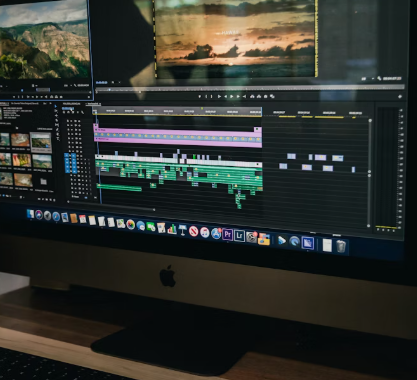
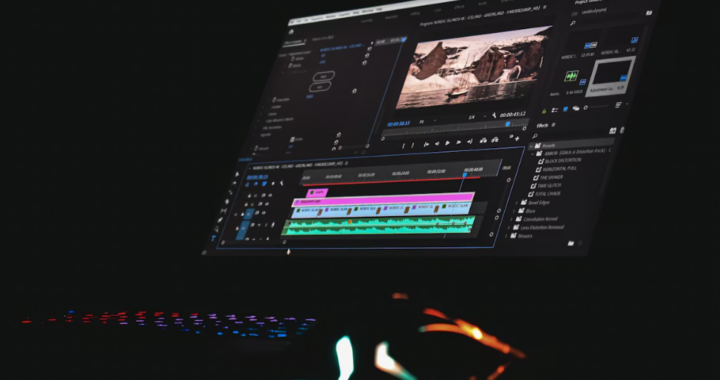
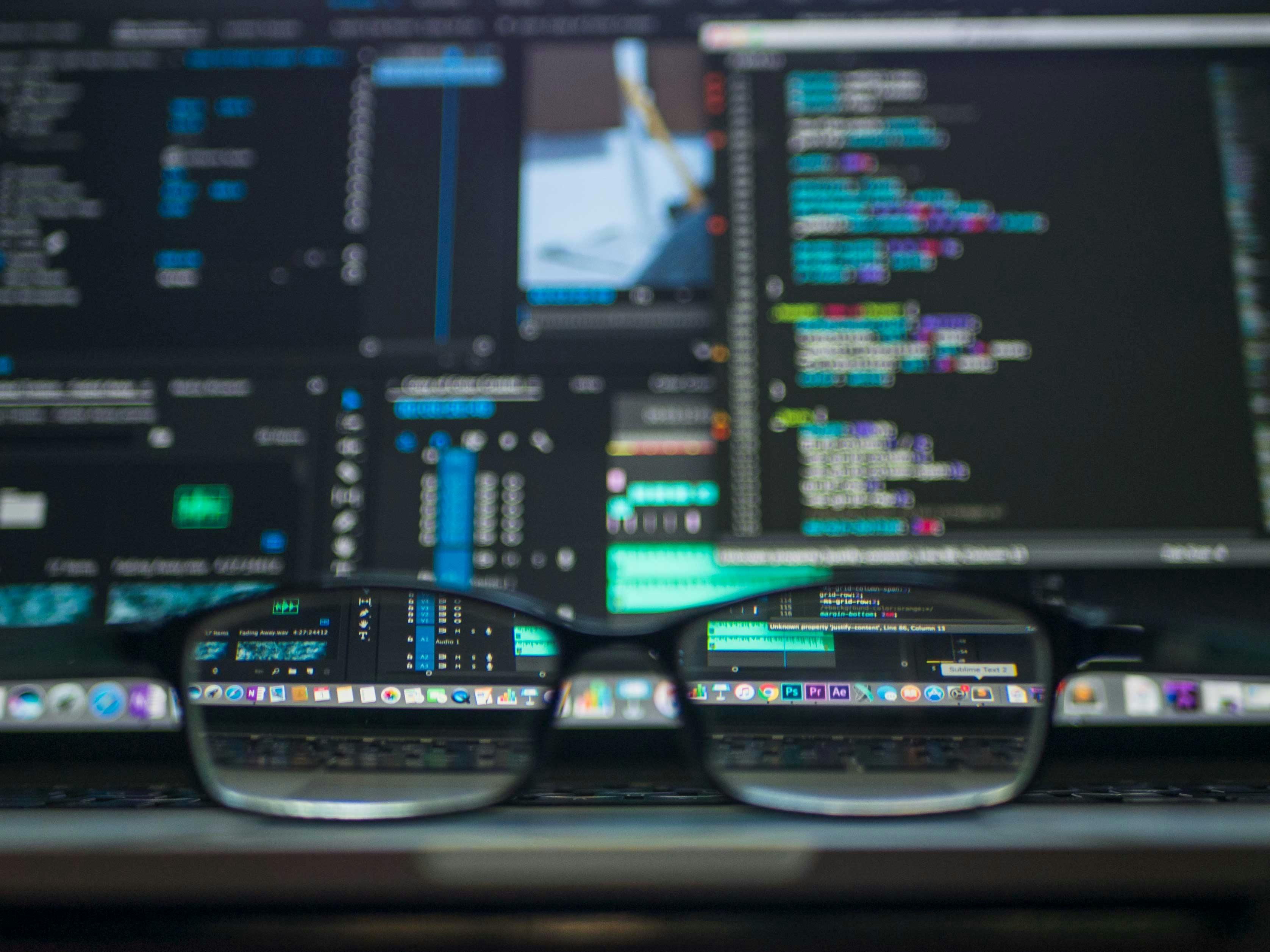
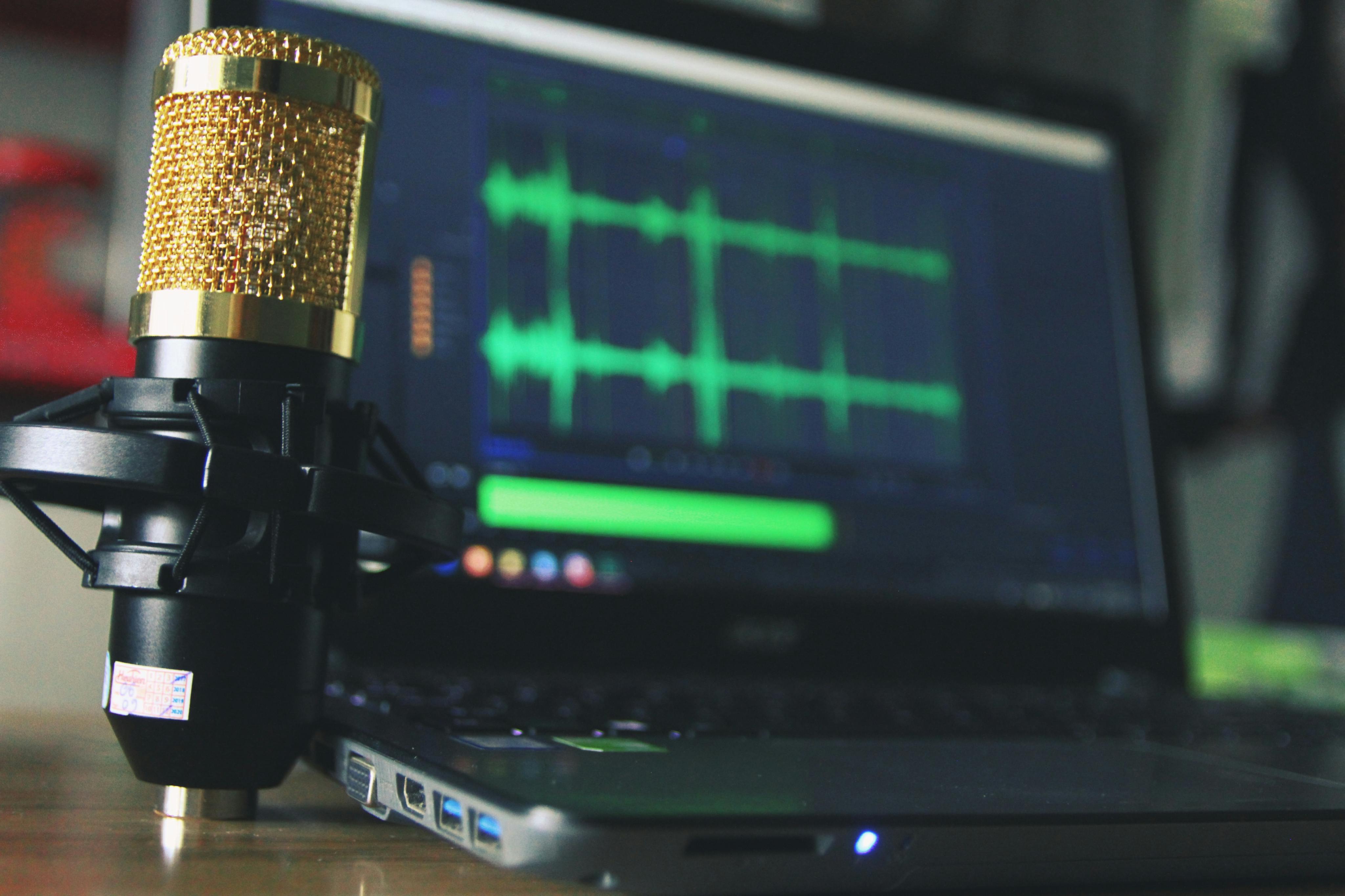
close-up of a forensic audio editing setup with two screens

Legal Redaction: Tools and Techniques for Protecting Identities

In courtrooms and investigations, visual evidence often contains sensitive details. From faces and license plates to documents and addresses, there are instances where certain parts of an image or video must be hidden to comply with privacy laws. At the same time, the authenticity of the content must be preserved for it to hold up in legal proceedings. That’s where legal redaction tools and techniques become essential, particularly when handled by professionals skilled in forensic image analysis.

The Purpose and Process of Redaction in Visual Evidence

Legal redaction is more than black boxes over faces. It’s a controlled process that aims to remove or obscure specific details while keeping the surrounding content intact and unchanged. Whether it’s to protect the identity of minors, conceal sensitive location data, or comply with court orders, redaction must be both precise and reversible for verification when necessary.

During forensic image analysis, analysts use specialized tools to apply redactions without degrading image quality. These tools ensure that pixel integrity outside the redacted areas remains untouched, which is critical for maintaining the admissibility of evidence. Any signs of excessive editing or data loss can lead to the evidence being challenged or dismissed in court.

Common Tools Used for Legal Redaction

Modern redaction tools go beyond basic editing software. Industry-standard platforms used by forensic professionals allow frame-by-frame editing for video and high-resolution pixel mapping for still images. These tools often include encryption features and logs that document every redaction made, creating a secure audit trail for expert testimony in FL.

The best redaction tools are built to comply with legal standards. This means they produce output that can be validated and, if necessary, reversed by authorized personnel. The ability to trace and verify redactions becomes especially important when multiple parties are reviewing the same evidence, such as during collaborative investigations or legal proceedings.

two people sitting together working on editing a video for the protection of identity

Ensuring Integrity with Forensic Expertise

The effectiveness of redaction tools is largely dependent on the skill of the person using them. A trained digital forensic consultant can identify which portions of an image or video should be redacted and apply the changes without compromising the material’s evidentiary value. These professionals also know how to document their work clearly, ensuring the redaction process holds up under scrutiny.

In sensitive cases, such as those involving surveillance footage or digital evidence from mobile devices, mistakes in redaction can result in legal setbacks or privacy violations. That’s why redaction is best handled within the framework of forensic image analysis, where established standards and verified tools guide the process.

Balancing Privacy with Evidentiary Value

The right use of legal redaction tools and techniques protects privacy without compromising the strength of visual evidence. When applied by qualified professionals such as a digital forensic consultant, the process remains reliable, secure, and legally sound. For those in need of support with forensic image analysis, expert witness testimony, or related redaction services, Eclipse Forensics provides trusted expertise that ensures accuracy and discretion every step of the way.

Contact us today.

close-up of a white and black digital device displaying an audio graph

Audio Authenticity: Spotting Edited or Doctored Recordings

Audio recordings are often used as vital pieces of evidence in legal proceedings. However, with today’s editing software easily accessible, audio manipulation has become more common—and more difficult to detect without professional tools. Ensuring audio authenticity for the court requires a careful and technical evaluation by an experienced specialist who can examine the content for signs of tampering.

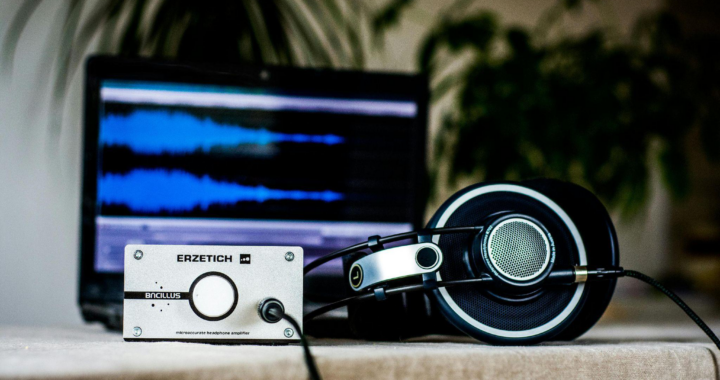
In this process, the work of an audio forensic expert becomes essential. By analyzing the structure, waveform patterns, and background inconsistencies, they help determine whether a recording has been cut, altered, or spliced in ways that could affect its legal standing.

Detecting Splices and Edits in Recordings

One of the most common forms of manipulation in audio evidence is the insertion or removal of segments. These alterations can shift context, hide key information, or make a conversation appear misleading. To detect such edits, an audio forensic expert uses spectral analysis and waveform comparisons. These tools reveal abrupt transitions, unnatural gaps, or overlaps that indicate interference with the original timeline.

For example, if a speaker’s voice pattern is consistent and then suddenly changes in pitch or volume, it may signal that two different audio sections have been combined. Similarly, background noises such as hums, clicks, or ambient sounds often shift unnaturally after a splice, giving trained ears and software the evidence needed to flag manipulation.

focus on headphones placed in front of two screens with audio graphs and keys

Analyzing Background Noise and Frequency Consistency

Every environment has its own acoustic signature. Even small shifts in the position of a recording device can impact how background noise registers. This makes background consistency one of the most telling factors in verifying a recording’s integrity.

During audio authentication services, experts compare background frequencies throughout the recording. A sudden disappearance or alteration of ambient noise—such as a ceiling fan, traffic hum, or footsteps—can indicate that a section was inserted from a different source or recorded under different conditions. An audio forensic expert can identify these inconsistencies and determine whether the recording presents a continuous, unbroken event or a manipulated version of reality.

Timing Analysis and File Properties

Technical evaluation of file properties also supports the authentication process. Timing metadata, bit rates, and encoding formats all provide valuable clues. Files that show irregular timestamp patterns or multiple compression layers may have been processed more than once, suggesting possible tampering.

A digital forensic consultant skilled in examining audio file structures can assess whether the file has remained in its original state or if software has been used to edit its contents. These findings are especially important when preparing for expert witness testimony, where the chain of custody and file integrity are often challenged.

Building Trust in Sound Evidence

Establishing audio authenticity for the court is not just about reviewing what was said—it’s about ensuring the recording hasn’t been altered to mislead or conceal. The expertise of an audio forensic expert, along with support from audio authentication services and insights from a digital forensic consultant, strengthens the legal validity of any audio recording. When accuracy and credibility matter most, trust us at Eclipse Forensics for professional support that stands up in court.

Contact us today.

a woman sitting in front of multiple screens, going through surveillance footage

The Role of Metadata in Forensic Video Investigations

In any forensic case involving digital recordings, video evidence holds powerful weight. However, the actual footage is only part of the equation. The hidden data embedded in video files—known as metadata—often plays a more influential role in determining authenticity, sequence, and context. Professionals offering video forensic services rely heavily on this technical information to strengthen investigations and produce verifiable evidence.

What Metadata Reveals in Video Files

Metadata refers to the information automatically recorded by a device when a video is captured. This may include timestamps, GPS coordinates, device make and model, compression formats, frame rates, and resolution settings. When properly analyzed, this data can confirm the exact time and location of a recording, the identity of the device used, and whether the footage has been altered or edited.

A forensic video analysis expert can review these digital details to assess whether the video is original or has undergone manipulation.

Timestamps and Synchronization

One of the most important elements of metadata in video forensics is the timestamp. Timestamps record when each frame was created. They help establish an accurate timeline of events, particularly in cases where multiple videos from different sources are involved. Comparing and synchronizing timestamps can verify if separate recordings are capturing the same event from different angles, or if one video contradicts another.

This synchronization process becomes even more relevant in legal cases requiring expert witness testimony, where the sequence of events must be logically presented and supported by digital proof.

close-up shot of different cameras and their lenses placed next to each other

Device IDs and Camera Details

Every recording device carries a digital signature, whether through serial numbers, firmware details, or unique device IDs. These identifiers are often embedded in the metadata and allow specialists to confirm the origin of a video. If a video purports to be recorded by a surveillance system but the metadata shows a mobile phone’s ID, the authenticity comes into question.

Such analysis becomes especially important when investigators need to authenticate video forensics submitted during litigation or internal audits. By linking metadata to specific equipment, digital video forensics experts can support or refute claims about how and where a video was recorded.

GPS Coordinates and Location Verification

Many modern devices, including smartphones and certain surveillance systems, embed GPS coordinates directly into video metadata. These coordinates can pinpoint the recording location with surprising accuracy, which is critical when proving or disproving someone’s presence at a specific site.

This level of detail is often used by a cyber forensic expert in civil or criminal cases, providing geographical context that may not be visually evident in the footage.

Building a Stronger Case Through Digital Precision

Analyzing metadata in video forensics allows professionals to look beyond the visuals and into the structure of the video itself. From verifying authenticity to confirming sequence and location, metadata provides a layer of verification that raw footage alone cannot offer. Whether the case demands digital video forensics, authentic audio forensics, or assistance from a forensic video analysis expert in Florida, professional support helps ensure the evidence stands on solid ground. For dependable analysis backed by real-world expertise, reach out to Eclipse Forensics.

Contact us today.

Forensic audio enhancement in process.

Forensic Audio Enhancement: Turning Noise into Clear Evidence

In the pursuit of truth, audio can be one of the most revealing—and most complicated—forms of evidence. In countless legal and investigative cases, recorded conversations, voicemails, emergency calls, and surveillance audio hold critical information. However, these recordings often come with a major obstacle: noise.

Wind, static, echo, and overlapping voices can obscure important words or sounds. That’s where forensic audio enhancement comes into play.

At Eclipse Forensics, we specialize in turning chaotic, distorted audio into usable, intelligible, and admissible evidence. Through advanced tools and expertise, we help attorneys, investigators, and agencies uncover what’s truly being said—and ensure it holds up in court.

Understanding the Basics of Forensic Audio Enhancement

Forensic audio enhancement is a specialized process that involves improving the clarity of audio recordings by reducing or eliminating unwanted noise. It’s used to isolate voices, correct volume imbalances, and clarify words or sounds that are otherwise difficult to detect.

We work with a variety of recordings, including police body cam audio, 911 calls, surveillance tapes, mobile phone conversations, and more. As audio forensic experts, we ensure the enhancement process is conducted with scientific rigor so the results can be used confidently in court.

How Audio Authentication Services Strengthen Evidence

Before we enhance any audio, we often begin by verifying its authenticity through audio authentication services. This step is essential to confirm that the recording is original and has not been altered or tampered with. We use waveform analysis, metadata reviews, and software tools to detect anomalies in the file structure or signal chain.

This authentication process helps legal teams authenticate video forensics and audio evidence alike—reinforcing the reliability of any materials presented in court. It’s not enough to hear the words; those words must be provably unedited and trustworthy.

An expert providing audio forensic services.

Advanced Tools Used by Audio Forensic Experts

At Eclipse Forensics, we rely on cutting-edge tools that allow us to conduct precise and non-destructive audio enhancements. These include spectral editors, noise reduction software, filtering systems, and multiband equalizers.

Our audio forensic services are designed to address common challenges such as:

  • Hiss or static interference
  • Background conversations or noise
  • Room echo and reverberation
  • Muffled or clipped speech
  • Low-volume audio

Each case is unique, so we tailor our approach based on the recording’s format, quality, and relevance to the investigation. This scientific and case-by-case methodology sets us apart as trusted cyber forensic experts.

Why Legal Teams Trust Eclipse Forensics

Our audio analysis doesn’t just improve sound—it improves the strength of legal arguments. Attorneys trust us because we understand both the science and the legal process. From pre-trial discovery to expert witness testimony, our team is committed to helping clients make the most of their evidence.

We support attorneys by providing detailed reports, annotated transcripts, and synchronized exhibits. These tools help juries and judges understand the significance of audio in the context of a case, without the confusion of poor-quality sound.

Our specialists are often called upon to deliver expert witness testimony on how an enhancement was performed and why the results are reliable. Whether it’s criminal defense, prosecution, civil litigation, or internal investigations, digital forensic services from Eclipse Forensics deliver results that stand up to scrutiny.

Integrating Audio and Video Forensics

In many cases, audio isn’t the only digital evidence available. That’s why our services often complement video forensic services and forensic video analysis.

Syncing enhanced audio with digital video forensics can help establish a complete and credible timeline of events. For example, pairing surveillance footage with enhanced conversations or identifying background sounds that match visible activity helps build a stronger evidentiary narrative.

As a multidisciplinary team that includes forensic video analysis experts, forensic computer analysts, and digital forensic consultants, we can seamlessly integrate all types of digital evidence—ensuring nothing is lost in isolation.

Audio authentication services in process.

Real-Life Applications: What Forensic Audio Enhancement Can Reveal

Consider a criminal case where two suspects were recorded speaking quietly inside a moving car. The audio is distorted by engine noise, road vibration, and overlapping voices. Our enhancement process can isolate each speaker’s voice, reduce ambient noise, and clarify words previously inaudible.

In another case, a 911 call filled with screaming and background commotion was crucial to understanding the sequence of a domestic disturbance. Using audio forensic services, we enhanced the caller’s voice, identified background noises (like door slams and footsteps), and provided a time-synchronized transcript that supported the timeline.

Such results don’t just support the legal theory—they become key evidence for building or breaking a case.

Legal Admissibility: Ensuring Enhanced Audio Meets Court Standards

Enhancing audio isn’t just about making a recording easier to hear—it must also be legally admissible. Courts have strict requirements regarding the handling of digital evidence. Any enhancement must be scientifically sound, properly documented, and clearly explained.

Our team at Eclipse Forensics adheres to established forensic methodologies that align with court expectations. Every enhancement comes with supporting documentation that includes the original file, a detailed log of techniques used, and a comparison of before-and-after results.

Additionally, our audio forensic experts are fully prepared to testify on how and why the enhancement process was conducted. We ensure our work holds up under cross-examination, preserving the credibility of your case.

An audio forensic expert at work.

Challenges in Forensic Audio Enhancement

Not all audio can be fully restored, and understanding the limits is just as important as knowing the capabilities. Poor recording conditions, excessive compression, or device malfunction can sometimes make full recovery impossible.

However, our role is to extract as much clarity and meaning as the technology allows—without altering the original context or introducing misleading changes. We carefully evaluate each file to determine what’s realistically achievable. If an enhancement would compromise the integrity of the evidence, we advise clients accordingly.

That transparency has earned Eclipse Forensics a reputation for integrity and expertise across the legal and investigative communities.

Preparing for Trial: How We Support Legal Teams

Beyond enhancing audio, we play a crucial role in preparing evidence for trial. Our digital forensic consultants provide detailed reports and breakdowns of the enhancement process. We can prepare transcripts, visual sound maps, and time-stamped annotations that match the audio to events in question.

We also assist attorneys with expert witness testimony, explaining the science behind what was heard, what was filtered out, and what conclusions can be drawn. Judges and juries appreciate clarity, and our courtroom-ready materials help demystify the complex process of forensic audio enhancement.

Our team also frequently collaborates with other forensic professionals—like forensic video analysis experts, forensic computer analysts, and cell phone forensics experts—to ensure your case benefits from a full-scope, multi-angle review of the evidence.

An expert performing forensic audio enhancement.

Audio + Devices: Where Mobile and Audio Forensics Intersect

Many critical recordings today come from phones, tablets, or smart devices. Our ability to extract, preserve, and analyze such recordings puts us at the forefront of digital investigation. Using cell phone forensic services, we can recover deleted audio files, voicemail backups, or messaging apps that contain voice recordings.

Once obtained, those files are fed into our enhancement systems to isolate voices, reduce background interference, and prepare them for courtroom presentation. The combination of audio forensic services with mobile device data provides lawyers with a powerful, cross-verified toolkit.

This is especially useful in criminal cases, family law, workplace disputes, and civil litigation—anywhere sound and context matter.

Why Eclipse Forensics Is the Trusted Choice

We understand what’s at stake in every case. Whether it’s a single phone call or a long, multi-speaker conversation, we approach each file with the same precision, discretion, and urgency. Our work supports justice, and we don’t take that lightly.

As a trusted digital forensic expert and leading provider of audio forensic services, Eclipse Forensics offers unmatched experience, legal readiness, and scientific accuracy. Our team combines technical expertise with real-world courtroom experience to deliver results that win cases and earn trust.

A cyber forensic expert enhancing audio.

Trust Eclipse Forensics for Thorough Audio Analysis

When every word matters, Eclipse Forensics delivers clarity, precision, and confidence. Our forensic audio enhancement services help attorneys and investigators turn distorted or low-quality recordings into clear, actionable evidence.

Whether you need audio forensic services, help with audio authentication services, or support from a qualified audio forensic expert, our team is ready to assist.

We also collaborate closely with professionals across digital forensic services, video analysis, and mobile data recovery. If your case relies on what was said—and proving it—Eclipse Forensics is your go-to partner for accurate results that stand up in court.

Contact us today to discuss your case and discover how our audio expertise can strengthen your legal strategy.

An expert de‑multiplexing for video evidence.

De‑Multiplexing Explained: What It Means for Your Video Evidence

The process of de‑multiplexing for video evidence is foundational to modern forensic video analysis—it empowers experts to extract and review precise footage from complex surveillance systems. Whether CCTV networks in retail, security systems in institutions, or remote camera arrays, de‑multiplexing for video evidence allows accurate reconstruction and interpretation of events.

In this blog, we’ll explore what de‑multiplexing is, how forensic teams apply it, tools and workflows, legal implications, and why this technique matters in court.

Understanding DeMultiplexing: Definition and Importance

De‑multiplexing refers to the process of separating combined video data streams—such as those compiled by multiplexers or DVR systems—into individual channels or feeds. Surveillance devices often record multiple camera inputs into a single file or container, interleaving video frames in a shared stream. To review a specific camera’s footage, forensic experts must de‑multiplex for video evidence, isolating the single feed without altering its integrity.

This ensures that analysts review only what’s relevant, with precise timestamps and intact frame order. If you have ten cameras in a lobby recording synchronously, de‑multiplexing allows isolation of the camera capturing a suspect’s movement. This process is critical to maintain chain‑of‑custody and accurate timestamps for legal admissibility.

The Role of a Forensic Video Analysis Expert in DeMultiplexing

A forensic video analysis expert uses specialized tools to demux raw data and produce channel‑specific copies of video footage. These experts must understand DVR formats (e.g., proprietary container formats used by Hikvision, Dahua, Avigilon, Milestone, Genetec, or generic formats like AVI/MP4 with multiplexed streams). They validate that no data was lost or altered, preserving frame integrity and file metadata.

The expert also ensures the video’s timestamps remain accurate—even across daylight‑saving changes or system clock anomalies—so the evidence stands up to cross‑examination. Their authentication report certifies that the extracted feed is an exact representation of the original camera’s recording.

A cyber forensic expert at work.

How DeMultiplexing Works: Technical Overview

The process typically involves:

  • Uploading the combined DVR file or exporting it from the surveillance system.
  • Identifying the structure: video buffers, frame headers, time codes, and multiplexed streams.
  • Using forensic-grade software or commandline tools to parse the container, extract channel data, and re‑mux it into a standalone file.
  • Verifying each output: ensuring sequential integrity, correct frame rate, and precise time codes.

Tools used often support multiple vendor formats and include built‑in integrity checks. Analysts may also reconstruct missing frames using extrapolation or adjacent‑frame interpolation when gaps are minor.

It’s through this technique—de‑multiplexing for video evidence—that individual feeds become reviewable and admissible in legal contexts.

ChainofCustody and Integrity Standards

Every step of de‑multiplexing must be logged. Forensic teams maintain:

  • Cryptographic hash values (e.g. MD5, SHA‑1, SHA‑256) before and after extraction
  • Records of software used, version, operator name, date/time
  • Exported video files with verification metadata (file size, duration, frame count)

These protocols satisfy legal standards such as Daubert or Frye, ensuring that forensic video analysis experts can testify that extracted footage has not been tampered with. The goal is that anyone reviewing the exported feed sees exactly what the camera recorded—and nothing more.

 A forensic video expert at work.

Tools & Software Used in DeMultiplexing

Common tools for de‑multiplexing for video evidence include commercial and open-source options:

  • Vendor‑specific DVR export tools (e.g., Hikvision SmartDDNS, Dahua SmartPSS, Milestone Exporter)
  • Forensic platforms like Amped FIVE or Cognitech, which support multiplexed feed extraction and analysis
  • Open-source tools such as FFmpeg (with custom scripts), libav, or proprietary demux utilities tailored to specific formats

Forensic suites offer built‑in playback, frame‑stepping, time‑synchronization, and annotation features—all tied to the de‑multiplexing output.

Use Case: Isolating Footage in a Retail Theft Investigation

Imagine a retail theft incident captured by six cameras covering the store floor. The DVR records all feeds together. To support a legal case, the forensic analyst uses de‑multiplexing for video evidence to isolate the feed from the camera that clearly shows the suspect.

By extracting only the relevant feed, the expert sanitizes extraneous data, preserving privacy and focusing attention. The resulting video shows only that one vantage point, with frame-level precision and exact timestamp logs, ready for courtroom review. The expert can annotate key frames, extracting still images for exhibits.

An expert de-multiplexing video evidence.

MultiCamera Timeline Reconstruction

De‑multiplexing also enables synchronization across multiple independent camera feeds. Analysts can create a unified timeline, even when cameras are recorded on different systems. By aligning timestamped footage, they reconstruct events from multiple angles—crucial in investigations involving vehicles entering and exiting premises, coordinated movements, or overlapping events in separate zones.

This enables comprehensive forensic video services that support narrative coherence in investigations and trials.

Compression Artifacts and Maintaining Quality

Multiplexed feeds often use variable bitrate encoding. During de‑multiplexing, maintaining the original compression parameters is essential to prevent artifacts. Experts must preserve key frames, GOP structure, and avoid re‑encoding. Lossy re‑encoding risks blurring or frame shifts that undermine evidentiary value.

By preserving original encoding, forensic analysts ensure the footage remains trustworthy. Thus, forensic video analysis expert testimony often includes metadata verifying bitrate, resolution, and codec consistency.

Audio DeMultiplexing: When It Matters

Surveillance systems may multiplex audio and video together. Extracting audio requires separating the audio stream for clarity. When relevant—for instance, identifying voices near a camera, license plate reader audio signals, or environmental noises—de‑multiplexing for video evidence must include audio tracks where available.

Proper extraction ensures speech intelligibility and accurate synchronization with video—key when the audio informs context in court.

 On-going video forensics analysis.

Challenges: Proprietary Formats and Encryption

Many DVR systems use proprietary multiplexed formats, or even encrypt video via authentication keys. Analysts must either use vendor export tools or specialized decryption modules. This may require access credentials, decryption keys, or vendor cooperation.

Despite challenges, forensic teams trained in digital forensic procedures can navigate encryption, export proprietary streams, and still maintain expert witness testimony integrity—so the extracted feed is admissible.

Forensic Image Analysis PostExtraction

Once a single camera feed is extracted via de‑multiplexing, forensic analysts may apply forensic image analysis at the frame level:

  • Zooming and enhancing suspect features (faces, license plates)
  • Checking for pixel anomalies, blurring, or manipulation
  • Annotating frames with time codes or event markers

This layered analysis helps clarify visual evidence and supports deeper investigation.

Integration with Video Authentication Processes

De‑multiplexed footage can undergo authentic video forensics workflows—comparing noise patterns, detecting editing, and verifying source integrity. Experts check PRNU, error levels, and lighting consistency. By isolating a single feed, these authentication steps become more precise, and the extracted feed is easier to validate.

Mobile Forensics & DeMultiplexing: Combined Workflows

When surveillance footage is reviewed alongside mobile phone footage from witnesses or suspects, forensic teams may coordinate with cell phone forensics services and de-multiplex video timelines. This integrated approach helps build a cohesive event narrative—mobile device GPS data aligned with isolated camera footage, for instance.

A forensic computer analyst at work.

Expert Testimony and DeMultiplexed Evidence

When presenting in court, the forensic video analysis expert explains:

  • How multiplexed footage was separated
  • Software used and integrity checks performed
  • How timestamps, frames, and audio remain intact
  • Why only the isolated feed is presented, and how it matches original recordings

This establishes that the de‑multiplexed film is an accurate, unaltered representation of the original camera feed—and thus admissible and reliable.

Legal Standards and Accreditation for DeMultiplexing

Courts require adherence to accreditation standards such as ISO 17025 or certification by organizations like IACIS or ACFE. Analysts must document procedures, qualifications, and quality assurance. These standards support expert witness testimony on the validity of the de‑multiplexing process in court.

Redaction and Privacy PostExtraction

After isolating a camera feed, privacy concerns may still exist—for example, images of bystanders. Using redaction tools, analysts can blur irrelevant faces or locations. Similarly, de‑multiplexed video may need to be de‑multiplexed further for separate audio or multiple streams. All redactions leave the central evidence intact while protecting privacy.

Continuous Monitoring & RealTime DeMultiplexing

In some systems, de‑multiplexing tools support real‑time feed splitting—ideal for live monitoring or urgent analysis. Forensic investigators can access specific camera channels as soon as recording begins, allowing immediate extraction and simultaneous hashing. This speed supports time‑sensitive interventions or live litigation contexts.

Are You in Search of De-Multiplexing Services for Video Evidence?

At Eclipse Forensics, we specialize in advanced forensic video services, including expertly executed de‑multiplexing for video evidence in Florida. Our digital forensic expert works to isolate precise camera feeds, preserve metadata and timestamps, and ensure full chain‑of‑custody compliance.

Whether you’re dealing with encrypted DVR formats, real‑time surveillance export, or multi‑camera alignment, our team delivers court-ready evidence with scientific rigor.

With comprehensive annotation capabilities, forensic image analysis, and optional audio forensic services, we transform complex multiplexed footage into coherent, reliable single-camera videos. If your case requires us to explain extraction methodologies, data integrity, or redaction workflows as expert witness testimony, we provide clear, non-technical explanations suited for legal settings.

Let us help you unlock actionable video evidence from even the most complex surveillance sources. Contact us today to discuss how de‑multiplexing for video evidence can strengthen your investigation and support your legal strategy.

On-going cell phone forensics for court

Cell Phone Forensics: What Your Device Can Reveal in Court

In today’s digital world, cell phone forensics in court plays a pivotal role in uncovering vital evidence. Whether it’s recovering deleted messages, call logs, or GPS trails, forensic specialists turn mobile devices into windows of truth.

This blog explores how cell phone forensics in court can support legal investigations by extracting critical digital data, interpreting findings, and delivering courtroom-ready expert testimony.

The Importance of Cell Phone Forensics in Court

Mobile phones are treasure troves of personal data. Traditional evidence like documents or eyewitness testimony can be supplemented—or disputed—by digital artifacts. As legal teams increasingly rely on mobile data, the role of forensic professionals to support cell phone forensics in court becomes indispensable. These experts ensure that digital evidence meets standards for admissibility and integrity.

Role of a Cyber Forensic Expert in Mobile Investigations

A cyber forensic expert specializing in mobile data works to preserve, extract, and analyze evidence from cell phones. Whether examining Android, iOS, or less common platforms, they deploy methods to bypass encryption, interpret logs, and safeguard metadata. Their protocols ensure that the extracted information remains court‑admissible and defensible under scrutiny.

On-going mobile device forensics by an expert.

Mobile Device Forensics: Recovery of Deleted Content

Mobile device forensics involves advanced techniques to recover data that users may think is permanently erased. Deleted messages, contacts, and multimedia files often linger in hidden storage or slack space:

  • File system carving and forensic image creation
  • Recovery of artifacts from internal flash memory or SIM card
  • Identification of deleted chat data even after factory resets

By recovering deleted messages, forensic experts can reconstruct events critical to criminal, civil, or family law cases.

Extracting Call Logs and Communication History

Forensic tools extract detailed call records—both incoming and outgoing—as well as SMS/MMS history, timestamps, and associated metadata for digital files. This includes:

  • Duration, time, and direction of calls
  • Logs of voicemail interactions
  • Messaging app chats, group messages, and attachments

Call logs can corroborate alibis, expose communication histories with suspects or witnesses, and reveal hidden channels.

GPS and Location Data Tracking

Cell phone GPS data reveals movement patterns that can be critical in court:

  • Location history from mapping apps, geotagged photos, and GPS logs
  • Wi‑Fi and cell-tower triangulation data
  • Geo‑fencing and timestamp correlations

Whether proving presence at a crime scene or tracking movement away from it, GPS evidence adds a powerful dimension to mobile investigations.

CrossPlatform Data Recovery

With so many messaging and social apps, computer forensics consultants often coordinate to interpret cross‑platform evidence. A recovery expert may pull data from WhatsApp, Signal, Facebook Messenger, or proprietary apps. Cross-referencing logs across devices strengthens the reliability of findings in court.

 A forensic specialist providing cell phone forensic services.

Metadata Analysis and Integrity Verification

Extracted data must be handled carefully. Metadata—including timestamps, file hashes, device IDs, and record creation sources—helps safeguard cell phone forensics in the court process. Forensic experts create cryptographic hashes, verify data integrity, and document chain-of-custody from extraction to courtroom presentation.

The Role of the Forensic Computer Analyst

A forensic computer analyst supports mobile investigations by recovering hidden logs, deleted apps, or system-level artifacts. They can locate encrypted backups, system crash dumps, and residual files. Their expertise ensures that no potential evidence is overlooked.

Expert Witness Testimony: Turning Technical to Accessible

Once data is extracted, the expert often provides expert witness testimony describing:

  • Methods used for extraction
  • The data recovered, such as deleted messages or GPS tracks
  • Analyses of relevancy, context, and patterns
  • Limitations or absence of data

Clear, non‑technical communication is essential for juries, judges, and attorneys to properly interpret cell phone forensic findings.

A forensic expert analyzing a cell phone.

Legal Standards and Admissibility

To be admissible under rules such as Daubert or Frye, forensic evidence must be collected using accepted methods. Digital forensic consultants ensure that mobile extraction tools, validation steps, and documentation satisfy legal thresholds. They also anticipate cross-examination on methods or device integrity.

Forensic Image Analysis on Mobile Media

Forensic analysts may apply forensic image analysis even to images recovered from cell phones. They examine:

  • Photo metadata, including EXIF and geolocation
  • Signs of manipulation or editing
  • Pixel‑level inconsistencies or clone detection

This can reveal whether images used as evidence were altered before submission.

Authenticating and Analyzing Mobile Audio Evidence

If audio files or voice messages are recovered from a cell phone, an audio forensic service may supplement mobile analysis. Experts perform spectrogram analysis, voice authentication, and timbre matching—even on compressed or app‑encoded recordings. These results may be used alongside other mobile data to strengthen evidence.

Combining Video and Mobile Evidence for Stronger Cases

When mobile phones include recorded video footage, expertise from forensic video analysts may be enlisted. Coordinated analysis of video, GPS, and messaging content creates a cohesive narrative. Integration of forensic video services and mobile insights may be essential in complex cases.

MultiDevice and Cloud Data Correlation

Today’s investigators may need to tie together phone data with cloud backups, computer artifacts, or wearable devices. A digital forensic expert may recover iCloud or Google backups, sync logs, or browser histories. This multi‑source approach helps build accurate timelines for legal proceedings.

A cell phone used for forensic analysis.

Chain-ofCustody and Documentation Protocols

At every stage—extraction, analysis, reporting—documentation is critical. Experts create logs of every action, include hash verification, and ensure that evidence is preserved in secure formats. This chain-of-custody record is essential when presenting cell phone forensics in court.

RealWorld Use Cases and Impact

Cell phone forensics often plays a pivotal role in:

  • Criminal investigations: proving presence or premeditation
  • Domestic disputes: reconstructing communication history
  • Civil cases: documenting timelines, threats, or fraud
  • Traffic accidents: using GPS or video to validate versions of events

Courts increasingly accept mobile forensic evidence when properly handled and explained.

Addressing Legal Challenges and Privacy Concerns

Conflicting legal issues such as warrant requirements, privacy rights, and data encryption must be navigated. Legal teams working with cell phone forensics in court rely on professionals who understand local and federal statutes, ensuring compliance and non‑infringement.

Software Tools and Technological Advances

Modern mobile forensic tools include:

  • Commercial suites for Android/iOS extraction
  • Chip‑off, JTAG, or physical imaging for locked or damaged devices
  • User‑friendly reporting platforms for non‑technical interpretation

As technology evolves, experts stay current with new encryption methods, app architectures, and recovery techniques to maintain efficacy in court.

A digital forensics consultant analyzing a cell phone.

The Human Element: Analyst Training and Ethics

Certified specialists in cell phone forensics in court play a critical role in maintaining the integrity of digital evidence. These professionals follow strict ethical guidelines and adhere to industry standards to ensure that their findings are accurate, impartial, and legally sound.

Through continuous training and certification, they remain current with evolving technology and forensic techniques, which helps them avoid unconscious bias or misinterpretation. Their neutrality is essential in court proceedings, where judges and juries rely on their expertise to evaluate digital evidence objectively.

This credibility makes their testimony and reports highly persuasive and trustworthy in both criminal and civil cases.

What Does it Mean When Your Device is Used as Evidence?

Cell phones are powerful evidence sources. To leverage their potential in court, legal teams need:

  • Skilled cell phone forensics experts
  • Tools and methods vetted for legal admissibility
  • Clear documentation and expert testimony
  • Integrated analysis across messaging, GPS, call logs, and media

When executed properly, cell phone forensics in court transforms devices into persuasive evidence—uncovering truth, clarifying timelines, and supporting justice.

Looking for a Cell Phone Forensics Expert in Florida?

At Eclipse Forensics, we are committed to empowering clients with reliable mobile evidence and expert testimony. With our team of mobile device forensic experts, cyber forensic experts, and forensic computer analysts, we specialize in providing cell phone forensics in court—recovering deleted messages, call logs, GPS data, and more.

Our digital forensic consultants ensure every extraction is conducted with rigorous chain‑of‑custody protocols and documented integrity.

When you require courtroom‑ready analysis from a certified computer forensics expert witness, we deliver scientifically supported findings in clear, understandable reports. If audio files are part of your mobile evidence, our audio forensic services can authenticate and analyze voice records alongside message recovery.

Whether your case needs expert testimony in Florida or anywhere else, we bring decades of experience and credibility to the stand.

Let us help you turn digital evidence into justice. Contact us today to discuss how cell phone forensics in court can support your legal strategy and strengthen your case.

An expert spotting deepfakes.

Unmasking Deepfakes: How Forensic Experts Spot Digital Deception

In today’s digital age, the ability to spot deepfakes has become paramount for ensuring integrity, accountability, and trust. This blog dives into how forensic video analysis specialists detect manipulated media—including deepfakes—and the forensic tools they use to reveal the truth.

Understanding Deepfakes and Digital Manipulation

Deepfakes are synthetic media—especially videos—created or altered using artificial intelligence to realistically swap faces, voices, or gestures. These manipulations can be subtle or overt, but both threaten authenticity. Digital video forensics aims to authenticate or debunk media evidence through systematic analysis.

Forensic experts look beyond surface appearances. They ask: is lighting consistent? Are eye movements natural? Do audio patterns match the speaker’s profile? Understanding how deepfakes are created sets the stage for detection.

The Role of a Cyber Forensic Expert

A cyber forensic expert focuses on analyzing digital evidence, including videos, images, and metadata. In the context of deepfakes, they investigate both content and hidden footprints within files. They scrutinize file headers, container formats, frame integrity, and network metadata.

Cyber forensic experts also examine editing history, recompression artifacts, and traceable anomalies left behind by AI generation or post‑production. By combining technical forensic methods with machine learning detection tools, they systematically detect deception.

Inside the Process: How Video Forensics Detects Fakes

A forensic video analysis expert brings together technical acumen and investigative insight. They use specialized software to decode frames, assess pixel‑level anomalies, and evaluate inconsistencies in head motion, eye blinking, and facial micro‑expressions.

These experts often collaborate with audio forensic specialists to cross‑validate lip‑sync accuracy and voice authenticity. They may produce annotated frame comparisons or overlay analyses to illustrate deepfake detection.

A forensic computer analyst at work.

Tools and Techniques in Forensic Video Services

For accurate deepfake detection, experts rely on a suite of advanced forensic tools:

  • Error Level Analysis (ELA) to show compression inconsistencies across frames
  • Deepfakedetection neural networks trained to spot AI‑generated artifacts
  • Frame interpolation analysis to detect unnatural motion or transitions
  • Noise pattern analysis, such as PhotoResponse NonUniformity (PRNU), to identify mismatched sensor fingerprints

By combining these tools, forensic analysts under Forensic Video Services can expose digital tampering with high confidence.

Metadata and File Verification

A crucial step is to authenticate video forensics by analyzing metadata and file history. Experts examine EXIF and metadata fields, container format versions, timestamps, GPS data, codec information, and any signs of file remuxing or re‑encoding.

Discrepancies—like mismatched creation dates, missing metadata, or strange time zone stamps—can flag manipulated or suspicious media. This evidence supports chain-of-custody documentation in legal proceedings.

A video forensic expert analyzing a video.

Combining Video and Audio Forensics

Deepfakes often combine video with synthetic or tampered audio. An audio forensic expert integrates their findings with video data to spot inconsistencies.

They may perform:

  • Voice biometrics and speaker verification
  • Spectral analysis to detect unnatural frequency patterns
  • Lip‑sync timing analysis to compare mouth movements with speech
  • Noise floor and ambient sound identification

Cross‑referencing visual and audio forensic findings strengthens the overall conclusion on whether the media is genuine or tampered with.

A FullScope Approach: From Evidence Collection to Testimony

A digital forensic consultant provides end‑to‑end services: acquisition, preservation, analysis, and expert testimony. They advise on best practices for collecting footage, securing the chain of custody, and coordinating with other forensic experts.

They integrate:

  • Video forensic analysis
  • Audio forensic services
  • Computer forensic analysis
  • Mobile device forensics

This holistic approach is essential when deepfakes are part of broader cybercrime or litigation.

A forensic expert checking a video.

Forensic Image Analysis and FrameLevel Scrutiny

Forensic analysts treat each video frame as an image that can harbor clues. Forensic image analysis involves:

  • Pixellevel analysis for blurring, rescaling, or retouching artifacts
  • Clone detection to identify duplicated areas in backgrounds or faces
  • Lighting consistency checks across frames to detect composited elements

This level of scrutiny often uncovers localized manipulation that might escape broader video‑level detection methods.

Cell Phone and Mobile Device Forensics

When deepfakes are created on or shared through mobile devices, cell phone forensic services become essential to verify the authenticity of digital evidence. Forensic experts extract original media files directly from the device and analyze them within the context of the app or platform used. This includes examining app-specific container formats and looking for traces of manipulation. Key attributes that are analyzed include:

  • Thumbnail generation history
  • App-specific reencoding
  • File metadata stripped by social platforms

Accurate acquisition of the device ensures data integrity and minimizes interference, which is critical for effectively detecting and analyzing deepfakes.

An expert reviewing video evidence.

Expert Witness Testimony

Once forensic analysis is complete, many experts provide expert witness testimony in FL in legal cases. As trained witnesses, they explain:

  • What deepfakes are and how they differ from authentic media
  • The forensic tools and techniques used
  • The results of their analysis and confidence level
  • Potential limitations or uncertainties

Their testimony bridges technical findings with courtroom clarity.

When Device Data Supports Deepfake Detection

In cases involving device hacking, malware, or unauthorized editing, a computer forensics expert witness may partner with video/audio experts. They investigate:

  • System logs and editing software usage
  • File recovery evidence after deletion or wipe
  • Evidence of intrusion or remote access

This partnership strengthens the reliability of deepfake detection by corroborating media anomalies with device-level forensic history.

Who Needs Deepfake Detection—and Why It Matters

Deepfake detection is becoming increasingly important across multiple sectors, each facing unique risks from manipulated media. Key areas include:

· Legal: Verifying the authenticity of video submitted as evidence in criminal or civil cases, ensuring it holds up under legal scrutiny.

· Media: Fact-checking news footage or viral clips to prevent the spread of misinformation and protect journalistic integrity.

· Corporate Security: Detecting phishing scams involving deepfake voice calls or video impersonations that can lead to financial loss or data breaches.

Trusted providers of digital forensic services help mitigate these risks by preserving digital authenticity and preventing reputational and legal fallout.

An expert analyzing images.

Audio Authentication: The Missing Piece in Deepfake Detection

A specialized process called audio authentication cross-references voice patterns and background sound signatures with video findings. This supports a multi-modal approach—for example:

  • Detecting mismatched echo or room tone in voice versus visual location
  • Highlighting discrepancies in lip-synced audio

This integrated technique provides stronger proof of manipulation.

The Forensic Edge: Redaction and DeMultiplexing

When releasing video as evidence, privacy and clarity are key. Forensic experts use redaction and de-multiplexing techniques to:

  • Remove sensitive or irrelevant data without altering core content
  • Extract separate audio/video streams from surveillance systems or encrypted sources

These specialized services—combined with mobile device forensics—ensure admissibility while preserving integrity.

Why Choose a Forensic Computer Analyst?

A forensic computer analyst brings deep technical expertise in file systems, operating systems, and network artifacts. They support forensic video and audio experts by:

  • Recovering deleted or hidden media
  • Identifying timestamps or editing software usage
  • Verifying source authenticity through system logs

Their collaboration strengthens the forensic chain from creation to analysis.

Summary of the Process

To spot deepfakes, forensic teams combine:

  • Video forensic expertise
  • Audio forensic authentication
  • Metadata and file forensic analysis
  • Device-level forensics from computers and mobile phones
  • Expert witness testimony to explain findings

This robust framework combats digital deception and supports legal, media, and security outcomes.

Choose Eclipse Forensics to Protect Your Digital Evidence

We at Eclipse Forensics are your trusted partners when it comes to uncovering digital deception. With our team of digital forensic experts, including forensic video and audio analysts, we bring deep expertise in digital video forensics, audio authentication services, forensic image analysis, mobile device forensics, and more to every case.

Whether you need to authenticate video forensics, analyze suspicious footage, or present findings in court with expert witness testimony in Florida, we are here to support you.

We offer comprehensive forensic video services, combined with audio forensic services and full-chain custody protocols. Our digital forensic consultant will further strengthen your defense—or prosecution—with rigorously documented, scientifically grounded evidence.

If you need help to spot deepfakes, secure trustworthy media authentication, or prepare expert testimony, contact us today. We stand ready to serve clients across Florida and beyond. Let us help you uncover the truth.

a computer screen with headphones on it, placed in a dark room

Placing the Pieces: How Computer Forensics Builds Digital Timelines

Digital evidence rarely comes in chronological order. It’s often fragmented—spread across devices, servers, and platforms. That’s why building a digital timeline is essential to understanding what truly happened and when. Through the expertise of computer forensics consultants, patterns of user activity can be reconstructed using data points that most people overlook: file access times, email metadata, browser history, and system logs.

Starting with Device Interactions

The first step in timeline creation usually starts with examining devices like laptops, desktops, and mobile phones. These tools store a vast amount of time-stamped data. A forensic computer analyst can pull detailed records of login events, file modifications, USB usage, and internet activity. Even deleted items leave behind traces that can be placed in context.

In many cases, timestamps across systems need to be adjusted for time zone settings or manipulated clocks, requiring a high level of precision. This technical clarity is often central to cases requiring expert witness testimony, where timelines are questioned and must be justified with hard evidence.

close-up of a woman going through documents placed next to her laptop

Emails and Communication Logs

Emails hold more than just messages—they carry precise time markers, routing data, and IP addresses. When compared against other data points, they become anchors in a digital timeline. A cyber forensic expert may trace email exchanges to match them against file transfers or account logins. In fraud cases or internal investigations, email behavior often reveals motive, intent, and coordination, providing legal teams with a foundation for analysis.

If mobile messaging or cloud communication platforms are involved, those records can also be integrated into the larger structure of events. This is where mobile device forensics can become essential, especially when the timeline spans across multiple people and devices.

Logs and Background Data

Computer systems and apps keep logs of their activities—often without the user realizing it. These logs track everything from failed login attempts to software installations. They may also reveal when files were shared externally or when attempts were made to erase or conceal data.

Computer forensics consultants can align this technical data with user activity to build a timeline that shows not only what occurred, but also the intent behind it. This depth of insight is critical when digital behavior needs to be matched to corporate policy or legal claims.

The Role of Expert Analysis

As timelines grow more complex, especially in large-scale or multi-device cases, forensic specialists use visual tools and structured reporting to present the findings. A computer forensics expert witness may then be called upon to explain the sequence of events to judges, juries, or internal stakeholders. The timeline becomes a key reference point in hearings or negotiations, especially when digital evidence contradicts testimony or documentation.

Putting Events into Clear Order with Digital Expertise

From system logs to messages, building a digital timeline transforms raw data into a story with structure. Whether the situation involves digital forensic services, mobile device forensics, or expert testimony in Florida, having a qualified specialist helps ensure accuracy, clarity, and trust in the findings. For expert support throughout the process, reach out to Eclipse Forensics.

Contact us today to get started.

a group of people going through documents and digital records on their laptops

What to Expect from a Digital Forensic Consultation

When legal or corporate cases involve digital evidence, the right support can make or break the outcome. A digital forensic consultant serves as a technical expert and strategic advisor, helping legal teams, law enforcement, and private clients understand and act on electronic data. Whether the matter involves emails, mobile phones, surveillance footage, or network logs, the consultation process is structured and highly focused.

The Initial Case Review

The consultation typically begins with a thorough intake discussion. This is where the consultant reviews the background of the case, identifies the data sources, and assesses what type of forensic work is needed. Clients often come with questions about devices, deleted content, or suspicious activity, and the consultant will ask detailed questions to shape a plan. A cyber forensic expert may also be involved at this stage to assist with network-related issues or breach investigations. It’s during this step that the scope is set, ensuring that expectations are aligned and legal considerations, such as chain of custody, are understood.

Collecting and Preserving Digital Evidence

Once the consultant understands the case, the next step involves proper evidence acquisition. Devices must be secured and imaged using industry-standard tools to ensure the original data remains untouched. This includes computers, mobile devices, cloud accounts, and external storage. A digital forensic consultant ensures that all data collection follows legal protocols, preserving integrity so that evidence remains admissible in court. This step is especially important in cases that may require expert witness testimony, where questions about handling and process are likely to arise.

people working on a laptop in a cabin full of files

Detailed Analysis and Reporting

After the data is secured, the consultant conducts a deep forensic review. This can include recovering deleted files, tracing user activity, analyzing timestamps, and identifying evidence of tampering. A forensic computer analyst may assist in filtering through large volumes of information to find what’s relevant. In video-heavy cases, collaboration with a forensic video analysis expert ensures any footage is reviewed frame-by-frame. All findings are organized in a formal report that includes explanations understandable to both legal teams and non-technical audiences.

Ongoing Support and Expert Testimony

A digital forensic consultation doesn’t always end with a report. Many cases move forward into litigation or internal action, where expert insight continues to be valuable. A computer forensics expert witness may be called to testify and explain their findings in court. Consultants can also support depositions, settlement discussions, and cross-examinations, offering clarity when digital facts are in question.

Clear Evidence Starts with the Right Expert

Digital investigations require precision, transparency, and experience. Whether the case involves digital forensic services, forensic video analysis, or computer forensics expert witness testimony, having a qualified expert ensures the evidence tells the full story. For reliable support from start to finish, trust Eclipse Forensics.

Contact us today to get started.

Laptop on a table

Forensics Beyond DNA: Why Digital Evidence Is the New Smoking Gun

In the modern era of crime-solving, DNA analysis is no longer the sole hero in uncovering the truth. Today, digital evidence is emerging as the new “smoking gun” in investigations—providing vital clues and undeniable proof in both civil and criminal cases. With technology embedded in nearly every aspect of our lives, digital footprints are now just as telling as biological ones.

The Rise of Digital Footprints in Investigations

Digital evidence includes any data stored or transmitted via electronic devices—emails, text messages, GPS logs, and social media activity are just the beginning. These traces can build timelines, verify alibis, and confirm the presence or absence of individuals at specific locations. As cybercrime rises and real-world crimes increasingly involve digital devices, traditional forensic methods alone are no longer enough.

Digital Video Forensics: Clarity Beyond the Lens

Surveillance footage and smartphone recordings can capture critical moments, but raw video often lacks clarity. Digital video forensics involves enhancing and authenticating this footage, making grainy images usable, and identifying tampering. Experts can determine the date, time, and authenticity of a video, transforming what was once vague visual data into irrefutable court evidence.

Forensic Image Analysis: Every Pixel Tells a Story

Like video forensics, forensic image analysis scrutinizes photographs to determine their origin and integrity. Specialists assess lighting, shadows, and metadata to detect manipulation or falsification. This process is instrumental in cases of identity theft, insurance fraud, and cyber harassment, where doctored images can mislead without expert examination.

Person touching a phone’s screen

Why Digital Evidence Is Crucial Today

With most interactions taking place online or via mobile devices, digital evidence offers a comprehensive look into behavior and intent. Unlike DNA, which ties someone to a location, digital evidence can reveal motivation, communication, and a person’s digital habits. When analyzed properly, it can corroborate testimonies or expose lies.

As crime evolves, so must the tools used to investigate it. Digital evidence, supported by technologies like digital video forensics and forensic image analysis, now stands at the forefront of modern forensics. Its growing role underscores the importance of staying ahead in both crime prevention and justice delivery.

At Eclipse Forensics, we specialize in uncovering the truth through cutting-edge digital evidence solutions. Whether you’re dealing with tampered footage, altered images, or complex data trails, our team of experts leverages advanced digital video forensics and precise forensic image analysis to deliver clear, court-admissible results. We work with attorneys, law enforcement, and private clients to ensure that every detail is examined and every fact is brought to light. If your case depends on what’s hidden in the digital realm, trust Eclipse Forensics to reveal it.

Contact us today for a consultation.