Facebook and other apps on a phone

The Role of a Digital Forensic Consultant in Modern Criminal Investigations

In today’s data-driven world, where digital interactions often leave a trail of evidence, the role of a digital forensic consultant has become indispensable in modern criminal investigations. As cybercrime increases and electronic devices become more integrated into daily life, law enforcement and legal teams rely heavily on forensic experts to uncover, interpret, and present digital evidence. From examining smartphones to authenticating surveillance footage, digital forensic consultants bridge the gap between technology and justice.


Understanding Digital Forensics

Digital forensics involves the collection, preservation, analysis, and presentation of electronic data for use in legal proceedings. A digital forensic consultant is a specialist trained to uncover and interpret data from digital devices while maintaining the integrity of the information. Their work covers a wide array of digital sources, including hard drives, mobile devices, cloud platforms, surveillance systems, and more.

The consultant’s responsibilities range from securing digital crime scenes to testifying in court as an expert witness. Their analysis often provides pivotal evidence that can make or break a case.

Key Roles and Responsibilities

1. Data Acquisition and Preservation

The first step in any digital forensic investigation is securing and preserving the data. Digital forensic consultants must ensure that digital evidence is collected using industry-approved methods to prevent data alteration or loss. Whether retrieving deleted files or imaging entire systems, the process must be meticulous and well-documented to stand up in court.

2. In-Depth Data Analysis

Once the data is secured, the consultant performs a detailed analysis to identify relevant information. This could involve recovering encrypted communications, locating GPS data, tracing internet activity, or detecting signs of tampering. The goal is to uncover digital footprints that connect suspects to crimes or exonerate the innocent.

A gavel resting on a wooden block

3. Digital Video Forensics

Digital video forensics is a specialized area where consultants examine surveillance footage, dashcams, or video recordings from smartphones. They analyze frame rates, timestamps, metadata, and compression artifacts to verify authenticity and clarity. Enhancing poor-quality footage or identifying manipulation can be vital in modern criminal investigations, especially in cases involving violence, theft, or misconduct.

Video analysis not only helps identify suspects but also establishes timelines and clarifies events that may have otherwise remained ambiguous.

4. Mobile Device Forensics

With smartphones serving as portable computers, mobile device forensics plays a crucial role in digital investigations. Digital forensic consultants use advanced tools to extract and analyze data from mobile devices, including text messages, call logs, app data, photos, social media activity, and even location history.

In criminal cases, mobile forensics can uncover motives, alibis, or associations with other suspects. Consultants must also stay ahead of constantly evolving encryption technologies and operating systems to access critical data securely and legally.

5. Expert Witness Testimony

After gathering and interpreting digital evidence, forensic consultants often present their findings in court. Their ability to translate complex technical data into clear, objective testimony is essential for judges and juries to understand its relevance.

Expert witness testimony is not just about explaining how evidence was obtained; it also involves defending the methodology used and confirming the validity of the results under cross-examination. A credible digital forensic consultant must possess both technical expertise and strong communication skills to be effective in this role.

The Value of a Digital Forensic Consultant in Law Enforcement

Law enforcement agencies depend on digital forensic consultants to expand their investigative capabilities. These experts help identify suspects, verify claims, and build robust cases supported by indisputable digital evidence.

By working alongside detectives, cybercrime units, and legal teams, consultants bring objectivity and precision to investigations. Their findings can corroborate witness accounts, challenge false narratives, or expose hidden links between criminal actors.

Person touching a phone’s screen

Application in Various Criminal Cases

Digital forensic consultants play a role in a wide variety of criminal investigations, including:

  • Cybercrime: From ransomware to phishing attacks, digital forensic consultants identify perpetrators and trace transactions.
  • Homicide and Assault: Mobile and video forensics help establish timelines and locate suspects.
  • White-Collar Crime: Email records, financial data, and transaction histories are analyzed for evidence of fraud or embezzlement.
  • Sexual Offenses: Chats, social media activity, and digital media are examined for evidence of exploitation or coercion.
  • Terrorism and Organized Crime: Consultants map communication networks and data transfers that help dismantle criminal organizations.

Maintaining Chain of Custody and Legal Compliance

A key aspect of digital forensics is ensuring that all evidence is handled according to strict protocols. Any lapse in the chain of custody can render evidence inadmissible in court. Digital forensic consultants must maintain detailed logs, follow legal guidelines, and ensure the confidentiality and integrity of the data throughout the investigation.

In addition, they must comply with jurisdictional laws concerning digital privacy, data protection, and lawful access. A consultant’s knowledge of both technical procedures and legal frameworks is vital for conducting sound investigations.

Staying Ahead with Technology

Technology is constantly evolving, and so are the techniques used in digital forensics. Consultants must regularly update their skills and tools to deal with new challenges such as cloud computing, encrypted messaging platforms, and decentralized data storage. Emerging fields like AI-driven video forensics and blockchain analysis are becoming part of the digital forensic landscape.

Man wearing orange suit behind bars

Ongoing training, certifications, and participation in professional networks help consultants remain effective and credible in their roles.

The rise of digital evidence has revolutionized how modern criminal investigations are conducted. A digital forensic consultant plays a pivotal role in bridging the gap between technology and justice. By extracting truth from bytes and bits, they help uncover critical evidence that supports fair trials and informed verdicts.

At Eclipse Forensics, we specialize in uncovering the digital truth that drives justice forward. Whether you’re dealing with complex modern criminal investigations, need in-depth mobile device forensics, or require expert digital video forensics to clarify visual evidence, our team delivers accurate and defensible results. We also provide reliable expert witness testimony in FL that translates technical findings into clear, courtroom-ready insight. Trust Eclipse Forensics to turn data into decisive evidence—when every detail matters, we’re the digital experts you need on your side. Contact us today to learn how we can support your investigation with precision and professionalism.

A cybersecurity expert coding security protocols

Digital Footprints: How Investigators Use Data to Trace Activity

In today’s digital age, almost every action we take online leaves behind a trail of data—commonly referred to as a digital footprint. Whether it’s browsing websites, using mobile apps, or sending emails, these digital traces provide a wealth of information. For investigators, these footprints are valuable assets that can unravel timelines, establish behaviors, and even identify suspects. This blog explores how digital footprint analysis works and the essential role of digital forensics in modern investigations.

A footprint on a yellow background

Understanding Digital Footprint Analysis

Digital footprint analysis involves collecting and evaluating the data trails individuals leave behind during their online interactions. These trails can be either passive—like IP addresses recorded by websites—or active—such as social media posts and emails. Investigators analyze this data to piece together the digital behavior of a person over time.

This analysis is often the starting point in criminal investigations, corporate breaches, and civil disputes. By tracking logins, timestamps, and geolocation data, investigators can build a digital narrative that either supports or refutes a suspect’s alibi, validates claims, or exposes fraudulent behavior.

The Role of Metadata in Tracing Digital Activity

Metadata—the data about data—is one of the most powerful tools in digital footprint analysis. Every file, photo, and document contains metadata like creation dates, modification history, file path, and device information. Investigators use this information to determine not just what was done, but when and how.

For example, an email might be deleted by a suspect, but its metadata could still reveal when it was sent and from which IP address. Similarly, metadata from images or documents may help pinpoint the physical location of the device used to create them.

Leveraging Digital Video Forensics

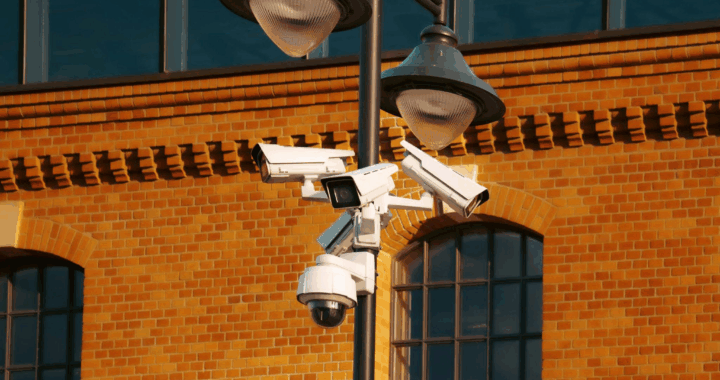
Digital video forensics involves the analysis and enhancement of video recordings to extract useful information. Whether it’s surveillance footage, dashboard cameras, or smartphone recordings, video forensics plays a critical role in both criminal and civil investigations.

Forensic experts use specialized software to clarify footage, identify individuals, detect tampering, and verify the authenticity of videos. In legal settings, a video may be presented as key evidence, and the expert’s ability to authenticate it ensures its admissibility in court.

A good example is enhancing grainy CCTV footage to identify license plate numbers or facial features, which can then be matched with existing records to track movements and link suspects to crime scenes.

Mobile Device Forensics: Unlocking the Truth

Today, smartphones act as personal data hubs, containing text messages, call logs, app data, location history, and internet browsing activity. Mobile device forensics is the science of recovering this data in a forensically sound manner.

Investigators use advanced tools to extract information even from locked or damaged devices. These tools can recover deleted messages, GPS history, Wi-Fi connections, and even social media interactions. In many investigations, mobile data provides the most complete and current picture of a person’s behavior, intentions, and connections.

For example, in a missing persons case, mobile device forensics can trace the last known movements of the individual by analyzing GPS data, app activity, and call logs.

Social Media: A Goldmine of Digital Evidence

Social media platforms are one of the most revealing sources of digital footprints. People often post status updates, photos, videos, and even geotagged locations—sometimes without realizing the investigative potential of this data.

People looking at a laptop

Investigators monitor social media accounts to track communications, identify associates, or discover hidden motivations. Posts can be timestamped and geolocated, offering clues about a suspect’s whereabouts or intentions. Even deleted posts can sometimes be recovered or reconstructed from cached data or third-party sources.

Moreover, social media analysis can uncover patterns of behavior, affiliations, and psychological states that are useful in profiling and understanding the subject’s actions.

Expert Witness Testimony in Digital Investigations

In many legal cases, data alone is not sufficient. The interpretation of that data often requires specialized knowledge. This is where expert witness testimony becomes essential.

An expert in digital forensics can explain complex technical findings in a way that judges and juries understand. Their testimony validates how data was collected, confirms its integrity, and supports conclusions drawn from the evidence.

For example, a digital forensics expert may testify about how a timeline of online activity was constructed or verify that an incriminating file was deliberately downloaded and accessed by a suspect. Their credibility can make or break a case, especially in high-stakes litigation.

Data Recovery: Unearthing Deleted or Hidden Files

In many investigations, suspects attempt to erase their digital footprints by deleting files, wiping devices, or using encryption tools. However, forensic experts can often recover this data using sophisticated recovery techniques.

Even when data appears lost, it may still reside in hidden directories, temporary files, or system logs. Digital forensic tools can reconstruct deleted files, decrypt encrypted data, and analyze hidden partitions. This capability often brings to light crucial evidence that a suspect believed was permanently erased.

Cloud-Based Footprints: Beyond Local Devices

The rise of cloud computing has shifted much of our data from physical devices to remote servers. Investigators now routinely analyze cloud-stored emails, documents, chat logs, and backups. Digital footprint analysis in the cloud involves obtaining legal access to service provider records and reconstructing activity across multiple platforms.

For instance, syncing between a suspect’s phone and cloud storage can reveal deleted photos, calendar entries, and contacts. Cloud forensics also helps in identifying who accessed a file, when, and from what location.

A graph depicting how cloud storage works

Internet of Things (IoT): The Next Frontier

The Internet of Things (IoT) has expanded digital footprint analysis into homes, cars, and wearable tech. Devices like smart thermostats, fitness trackers, voice assistants, and connected vehicles collect constant data on user behavior.

These sources provide unique digital evidence. For example, a smart lock may show when someone entered or exited a home, while a wearable fitness tracker might record physical activity inconsistent with an alibi. Investigators are increasingly incorporating IoT data into comprehensive forensic reports.

Chain of Custody and Data Integrity

One critical aspect of digital investigations is maintaining the chain of custody and ensuring the integrity of the evidence. Any mishandling of digital data can lead to questions about its authenticity, resulting in dismissal or suppression of evidence.

Digital forensics experts follow strict protocols during data collection, including hashing files, documenting procedures, and using write-blocking tools. This meticulous approach guarantees that the evidence remains unchanged from the moment it is collected to when it is presented in court.

Case Studies: Real-World Applications

  1. Cybercrime Investigation
    In a case of corporate data theft, digital footprint analysis revealed unauthorized logins from a former employee’s IP address. Mobile device forensics recovered deleted company files, while expert testimony helped secure a conviction.
  2. Homicide Case
    Digital video forensics enhanced poor-quality footage, identifying the suspect’s vehicle. Mobile data showed the suspect’s GPS location near the crime scene. Expert witness testimony validated the timeline, contributing to a guilty verdict.
  3. Fraud Detection
    In a financial fraud case, investigators traced the suspect’s activities through email metadata and online transaction logs. Social media monitoring revealed communications with co-conspirators. Cloud-based analysis retrieved documents that were deleted locally.

Coding script on a screen

Ethical and Legal Considerations

While digital footprint analysis is a powerful investigative tool, it must be used responsibly. Issues of privacy, consent, and legal jurisdiction can arise when accessing data from personal devices or cloud servers.

Investigators must comply with data protection laws and obtain appropriate legal permissions. Any deviation from these standards can jeopardize both the investigation and the admissibility of evidence.

Moreover, the ethical use of digital video forensics and mobile device data requires balancing investigative needs with individual rights. Transparency, accountability, and oversight are essential in this evolving field.

At Eclipse Forensics, we specialize in uncovering the truth hidden in data. Our team of experts provides comprehensive digital footprint analysis, using mobile device forensics, audio forensics, and digital video forensics to support legal and corporate investigations. Whether you’re dealing with civil litigation, criminal defense, or internal audits, we deliver clear, defensible findings backed by professional expert witness testimony in FL. From recovering deleted messages to authenticating digital evidence, Eclipse Forensics is your trusted partner in navigating complex digital investigations. Contact us today to put our expertise to work for your case.

Faceless woman standing in front of a tripod stand

From Investigation to Testimony: A Day in the Life of a Forensic Consultant

In the age of digital transformation, where data is created at every turn, forensic consultants serve as the bridge between raw evidence and courtroom truth. These professionals operate in the shadows of high-stakes criminal investigations, corporate disputes, and civil litigation. Their job? To uncover the truth hidden within digital footprints, analyze complex data, and present compelling, fact-based testimony.

A forensic consultant working

This blog takes a closer look at a day in the life of a forensic consultant—from the first case briefing to the final steps on the witness stand.

The Morning Briefing: Assignments and Priorities

The day typically starts early. Forensic consultants often begin by reviewing overnight communications and setting priorities. Cases range widely in scope—from criminal defense to corporate fraud, family court matters to insurance claims.

Each assignment starts with a case briefing. This might come from law enforcement, attorneys, or private clients. A forensic consultant needs to understand the legal context of the case and the specific questions that need answering. Is it a voice authentication issue? A suspicious video clip? Or perhaps a smartphone suspected of containing vital evidence?

This clarity shapes the investigative approach and defines the tools and expertise required.

The Audio Forensic Expert at Work

For cases involving sound—such as verifying the authenticity of a recording or enhancing a barely audible conversation—an audio forensic expert is called into action.

Using sophisticated software, the audio expert filters out noise, identifies speaker patterns, and examines metadata for signs of tampering. The work is delicate and demands both technical skill and a strong grasp of acoustics.

In one notable case, an audio forensic expert was asked to analyze a threatening voicemail. The voice appeared distorted, and the sender was unknown. Through careful enhancement and waveform analysis, the expert identified the speaker, proving that the voice had been deliberately manipulated to avoid detection. This analysis became crucial testimony in court.

The Mobile Device Forensics Challenge

The consultant might also use mobile device forensics. This is one of the fastest-growing areas in digital investigation, due to the ubiquity of smartphones and tablets.

Every swipe, tap, and message leaves behind a digital trace. Whether it’s deleted text messages, GPS logs, or app activity, mobile device forensics helps extract this information in a legally sound manner.

In a recent case, mobile device forensics helped confirm a suspect’s whereabouts by analyzing GPS data and message timestamps. This corroborated an alibi and led to the dismissal of charges, illustrating how mobile evidence can reshape a case’s trajectory.

Delving into Digital Video Forensics

With the proliferation of security cameras, dashcams, and mobile phone recordings, digital video forensics has become an essential component of modern investigations.

The forensic consultant’s job here is multifaceted. Tasks may include enhancing footage, authenticating video files, identifying frame tampering, or tracking subjects within scenes.

An image of a person pointing to a photo

The challenge lies in the diversity of formats and the potential for manipulation. A trained forensic consultant must know how to handle proprietary video systems and extract files without degrading quality or compromising authenticity.

One memorable assignment involved analyzing convenience store footage after a robbery. The original footage was grainy and dark, but through enhancement and frame-by-frame analysis, the consultant was able to clarify the suspect’s clothing and direction of escape—information that led to a successful arrest.

Reporting: Documenting Every Detail

By late afternoon, much of the consultant’s time is spent compiling reports. Documentation is the backbone of forensic credibility. Every action taken—from device acquisition to final analysis—must be clearly recorded.

These reports are written in a way that is both scientifically accurate and accessible to non-technical readers. Lawyers, judges, and juries all need to understand the conclusions drawn and the methodologies used.

The forensic consultant must remain objective. The goal is not to advocate for either side, but to deliver impartial, evidence-based findings that help illuminate the facts.

Collaboration and Communication

Throughout the day, a forensic consultant may be in constant contact with attorneys, investigators, and other experts. Collaboration is key. Whether it’s clarifying case goals or ensuring that evidence is handled according to legal standards, clear communication keeps the process on track.

In complex cases, multiple experts might work together—an audio forensic expert handling recordings, a digital video forensics specialist reviewing footage, and a mobile device expert analyzing text logs. A skilled consultant often plays the role of liaison, tying all the digital threads into a cohesive narrative.

Preparing for Courtroom Testimony

As the day draws to a close, the consultant may turn to legal preparation. When a case is scheduled for trial, the forensic consultant must prepare to testify. This involves reviewing findings, refining exhibits, and anticipating cross-examination questions.

Courtroom testimony is a critical aspect of the job. The consultant’s ability to explain technical findings in simple, persuasive language can significantly influence the outcome of a case.

Close-up shot of a person holding a cell phone

For example, in a fraud trial, a forensic consultant used mobile device forensics to demonstrate a timeline of communication between parties. In court, the consultant explained how data was extracted, verified, and correlated with transaction records. The jury found the explanation clear and compelling, contributing to a conviction.

Ethical Responsibilities and Legal Standards

Throughout all tasks, a forensic consultant must adhere to strict ethical and legal standards. This means ensuring that evidence is collected, handled, and analyzed in a way that maintains its integrity and respects privacy laws.

Consultants must also stay up to date on evolving technologies and legal precedents. Continuing education and certifications are essential, particularly in rapidly advancing fields like mobile device forensics and digital video forensics.

Failing to meet these standards could result in evidence being excluded or testimony discredited—an outcome with serious legal consequences.

A Day That Never Truly Ends

Even after formal work hours, many forensic consultants find themselves catching up on training, reviewing case law, or upgrading software tools. The landscape is constantly changing, and staying at the cutting edge is not just an advantage—it’s a necessity.

There’s also a human element to work. Behind every case is a person—a defendant, a victim, a family. Forensic consultants understand the gravity of their role and approach each assignment with diligence and discretion.

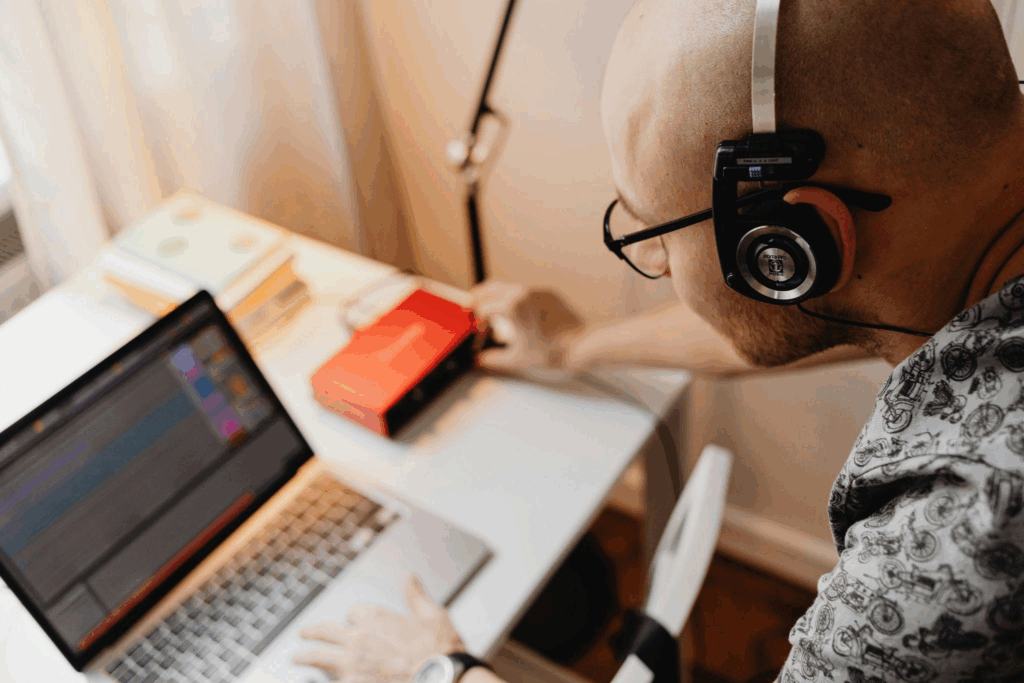
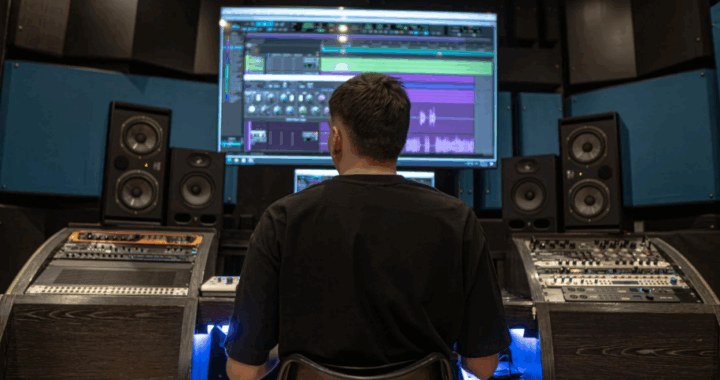
Screenshot of a audio file on an Adobe Premium application

The Future of Forensic Consultancy

As technology continues to evolve, so too does the scope of forensic consultancy. Artificial intelligence, blockchain analysis, and advanced biometrics are opening new frontiers in digital investigation.

However, the core mission remains unchanged: uncover the truth and present it with clarity and integrity.

From the meticulous scrutiny of an audio forensic expert to the real-time tracking enabled by mobile device forensics, the work of a forensic consultant is critical to modern justice systems. Digital video forensics helps visualize events that words can’t describe, while comprehensive reporting ensures transparency and accountability.

It’s a career that demands both technical mastery and unwavering ethics—a role at the very intersection of technology, law, and truth.

Navigating Chain of Custody: Why Procedure Matters

One of the most critical responsibilities for any forensic consultant is maintaining the chain of custody. This legal concept refers to the documented handling of evidence from the moment it is collected until it is presented in court. Every transfer—whether it’s a mobile phone passed from a detective or a video file stored on a secure drive—must be logged with time, date, and personnel involved. Any break or ambiguity in this chain can render the evidence inadmissible. Forensic consultants are trained to follow stringent protocols when dealing with devices, data, or media. Whether working with an audio forensic expert or conducting mobile device forensics, maintaining chain of custody ensures credibility. Proper labeling, secure storage, and tamper-evident packaging are all part of the process.

A graph showing what chain of custody is

When truth is buried in bytes, Eclipse Forensics brings it to light. As trusted forensic consultants, we specialize in uncovering critical evidence across complex cases. Whether you need an experienced audio forensic expert to authenticate recordings, advanced mobile device forensics to recover deleted data, or expert digital video forensics to enhance crucial footage, our team delivers accurate, courtroom-ready results. We combine state-of-the-art tools with meticulous methodology to ensure every finding meets the highest legal standards. At Eclipse Forensics, we don’t just analyze data—we help build the narrative that leads to justice. Contact us today to consult with our experts and take the next step in solving your case with confidence.

Black and white shot of a child using a mobile phone

Red Flags in Audio Recordings: How Experts Detect Tampering

In legal investigations, journalism, and corporate security, audio recordings often serve as key pieces of evidence. But what happens when the authenticity of that audio is in question? This is where audio tampering detection comes into play—a critical component of forensic analysis that ensures integrity and truth in high-stakes scenarios. In this blog, we’ll explore how audio forensic experts identify tampering, the common red flags they look for, and how this work intersects with mobile device forensics and digital video forensics.

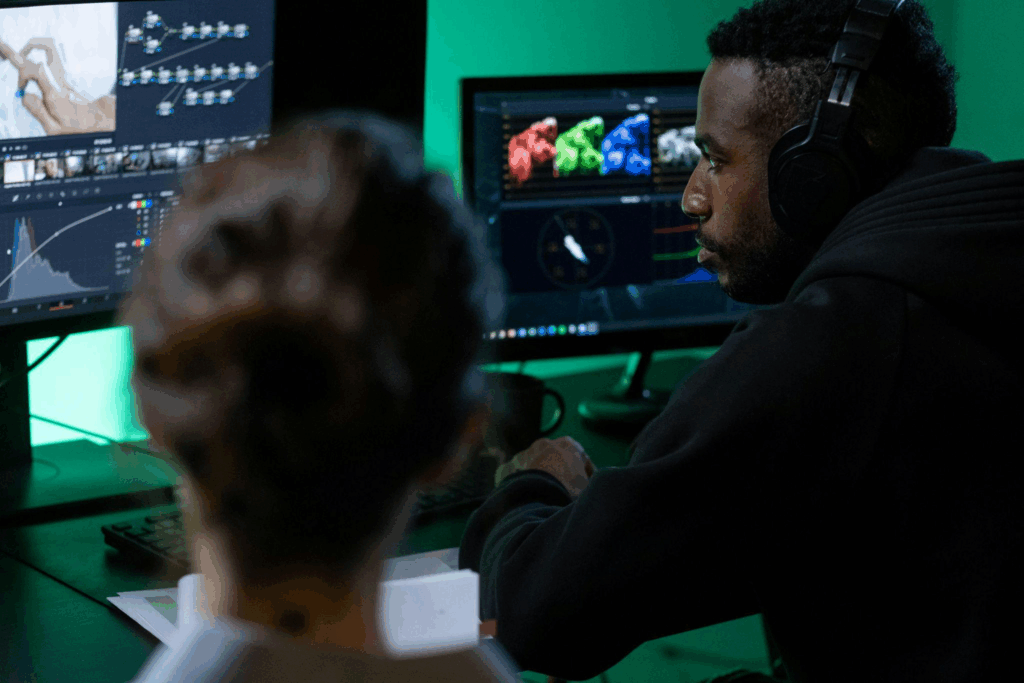
Man analyzing a video

Understanding Audio Tampering

Audio tampering refers to any unauthorized or deceptive modification of an audio recording. This can include deletions, insertions, splices, or manipulation of speech patterns to distort meaning. Tampering may be done to mislead listeners, alter evidence, or present a false narrative.

The ability to detect these alterations is crucial. False evidence can mislead courts, sabotage careers, or threaten public safety. Hence, audio tampering detection is an indispensable skill in forensic science, requiring a blend of technology, experience, and investigative techniques.

The Role of an Audio Forensic Expert

An audio forensic expert is trained to analyze sound recordings for signs of manipulation. Their job involves verifying authenticity, identifying edits, and presenting their findings in court if necessary. These experts use specialized tools and methodologies to examine recordings across multiple dimensions—such as waveform analysis, metadata inspection, and acoustic consistency.

Their analysis is often part of a broader forensic investigation that may include mobile device forensics and digital video forensics, providing a complete picture of events.

Red Flags Experts Look For in Audio Recordings

1. Inconsistent Background Noise

One of the most obvious signs of tampering is irregular or inconsistent background noise. Real-world environments have a continuous audio signature—ambient sounds like air conditioners, traffic, or room acoustics. A sudden change in these sounds might indicate that portions of the audio were inserted or deleted.

For example, if a speaker’s voice maintains the same volume and tone but the background ambiance shifts, it may suggest the clip has been spliced together from different recordings.

2. Unnatural Pauses or Speech Patterns

Human speech is fluid and generally consistent. If a recording features unnatural gaps, abrupt stops, or strange inflections, it may suggest that the audio has been edited. Audio forensic experts analyze speech rhythm, cadence, and pitch to detect anomalies that may not be perceptible to the average listener.

This includes checking for duplicated phrases or oddly timed silences that could signal content removal.

3. Spectral Discontinuities

Using spectrogram analysis, forensic analysts can visually inspect the frequency content of an audio file. Tampered sections often have frequency patterns that don’t align with the surrounding audio. These spectral discontinuities are difficult to hide and can reveal subtle edits, like overlapping cuts or inserted phrases.

Spectrograms provide a kind of “fingerprint” for the recording, and any break in the continuity is a strong red flag.

4. Metadata Irregularities

Every digital recording carries metadata—details like creation date, file type, recording device, and editing history. If a file’s metadata shows that it was modified after its alleged recording date or edited using software, that’s a critical clue for audio tampering detection.

Although metadata can be altered, a mismatch between the file’s declared history and forensic findings can prompt deeper investigation.

An Anonymous man using a screen in purple lighting

5. Digital Compression Artifacts

When audio is compressed, it often introduces artifacts—imperfections due to reduced data. If different sections of the same recording have varying compression artifacts, it may indicate they originated from separate sources and were stitched together. Audio forensic experts can analyze these discrepancies to reveal tampering.

Tools and Techniques in Audio Tampering Detection

1. Waveform Analysis

This method involves visually examining the audio’s waveform to detect irregularities in amplitude or timing. Sudden spikes, drops, or unnatural silences may indicate cuts or edits. Analysts look for discontinuities that stand out from the overall pattern of the audio.

2. Spectrogram Analysis

Spectrograms help visualize the frequency spectrum over time. Unlike waveforms that show volume, spectrograms display pitch, intensity, and sound texture. Inconsistencies here can signal splicing or signal insertion.

3. Electrical Network Frequency (ENF) Matching

ENF analysis is a powerful forensic tool that uses the background electrical hum recorded from power lines. Since this frequency fluctuates predictably, it can be matched with historical records to verify the time and authenticity of a recording.

4. Acoustic Environment Analysis

This involves evaluating the recording’s environmental acoustics, such as echo patterns or reverberation. If parts of a conversation allegedly occurred in the same location but show different acoustic properties, that’s a serious red flag.

Audio Tampering on Mobile Devices

With the widespread use of smartphones, many recordings under investigation originate from mobile devices. This introduces new challenges—and opportunities—in mobile device forensics. Experts not only analyze the audio file itself but also extract data from the device to verify:

  • When and where the recording was made (using GPS stamps)
  • Whether audio editing apps were used
  • If original files were replaced or renamed

An expert analyzing digital forensic data

For instance, mobile device forensics might uncover hidden cache files or cloud backups that contain unedited versions of the audio in question, helping to identify tampering.

Correlation with Digital Video Forensics

Tampered audio is often part of altered video content. In digital video forensics, analysts look at both the video and its accompanying audio to detect inconsistencies. Mismatched lip-syncing, inconsistent lighting, or background noise that doesn’t match the video can point to deeper manipulation.

For example, if a security footage clip has audio that doesn’t align with the visual actions—like gunshots occurring without visible flash or speech happening when lips are still—it raises suspicion. Cross-referencing findings from both audio tampering detection and digital video forensics offers stronger evidence of tampering.

The Legal Importance of Audio Integrity

Tampered recordings can destroy reputations or falsely incriminate individuals. This is why audio forensic experts often serve as expert witnesses in court, presenting scientific evidence about the authenticity—or lack thereof—of a recording.

In legal contexts, even the suspicion of tampering can weaken the credibility of evidence. Hence, thorough analysis and clear documentation are essential. A properly conducted forensic investigation can either validate the evidence or expose deceptive practices.

Real-World Cases of Audio Tampering

Case 1: Political Scandal

In a high-profile political investigation, an audio clip was released suggesting a government official’s involvement in corruption. Upon closer examination, audio forensic experts discovered spectral inconsistencies and abrupt changes in background noise. ENF analysis further confirmed that segments were recorded at different times. The expert testimony helped discredit the tape as manipulated.

Facebook and other apps on a phone

Case 2: Workplace Harassment Claim

An employee submitted a voice recording to support a harassment claim. However, the company’s legal team requested an independent review. Using audio tampering detection, the forensic analyst found duplicate phrases and irregular acoustic signatures. This supported the employer’s assertion that the recording had been altered.

Best Practices to Preserve Audio Integrity

To ensure recordings remain admissible and reliable, it’s crucial to follow best practices:

  • Always retain the original file.
  • Avoid converting formats unless necessary.
  • Document the chain of custody.
  • Use secure, time-stamped platforms to store audio.
  • Avoid editing or compressing the file after capture.

Following these practices minimizes the risk of accusations of tampering and maintains the integrity of the evidence.

The Value of Forensic Vigilance

As technology advances, so do methods of deception. Detecting audio tampering is no longer a matter of intuition—it’s a science that relies on data, tools, and expertise. Whether investigating criminal behavior, validating journalistic evidence, or resolving corporate disputes, the role of an audio forensic expert is more vital than ever.

With integration from mobile device forensics and digital video forensics, today’s forensic professionals have a robust toolkit for ensuring the truth is heard—literally. In a world where manipulated media can shape opinions and outcomes, forensic vigilance serves as the final barrier against misinformation.

A graph showing how audio tampering is detected

At Eclipse Forensics, we specialize in uncovering the truth behind audio, mobile, and video data. Whether you’re dealing with legal disputes, investigative journalism, or corporate concerns, our team of audio forensic experts provides precise audio tampering detection using cutting-edge technology. We analyze waveforms, spectrograms, and metadata to verify authenticity and expose hidden edits. Leveraging the latest in digital forensics, including mobile device forensics and digital video forensics, we ensure your evidence stands strong. Trust Eclipse Forensics to deliver clear, courtroom-ready reports backed by science. When accuracy matters most, count on our expertise to reveal what really happened, sound by sound, frame by frame. Contact us today for a confidential consultation.

The Growing Demand for Digital Forensic Consultants in Civil Litigation

In today’s increasingly digital world, the landscape of civil litigation has been fundamentally reshaped by technology. From personal injury cases to business disputes and intellectual property theft, digital evidence plays a central role in establishing truth. As a result, digital forensic consultants for civil litigation are more in demand than ever before, offering vital expertise that bridges the gap between complex digital data and the legal system.

A graphic showing digital forensic experts

Understanding the Role of Digital Forensic Consultants

Digital forensic consultants are specialists trained to extract, preserve, analyze, and present digital evidence in a legally admissible manner. In civil litigation, they help attorneys and clients uncover critical information stored in electronic devices, communications, and multimedia content. Their ability to recover deleted files, analyze metadata, and interpret usage patterns makes them indispensable in today’s data-driven courtrooms.

Unlike criminal cases, civil litigation typically involves private disputes between individuals or organizations. In these scenarios, digital forensic consultants can play a crucial role in proving liability, demonstrating damage, and uncovering fraudulent behavior.

Key Drivers Behind the Growing Demand

1. Increased Digital Interactions

As nearly every communication and transaction leaves a digital footprint—emails, text messages, social media activity, mobile app usage—litigants increasingly rely on digital evidence. Civil cases involving defamation, harassment, and contract breaches often hinge on digital communications that need expert interpretation and authentication.

2. Explosion of Mobile Device Use

The proliferation of smartphones and tablets has turned mobile device forensics into a vital branch of digital investigation. These devices contain a wealth of evidence, including call logs, geolocation data, chat histories, and app usage statistics. In civil litigation, mobile device evidence can help clarify timelines, verify alibis, and confirm user behavior.

With so much sensitive data stored on mobile devices, digital forensic consultants use specialized tools to extract and preserve information without compromising its integrity. Their expertise ensures that the evidence is collected in compliance with legal protocols, maintaining its admissibility in court.

3. Complexities of Digital Multimedia Evidence

Multimedia content—such as video and audio files—has become a cornerstone in various civil cases. Whether it’s surveillance footage from a business premises or a voice recording presented in a workplace dispute, the reliability of these files often comes into question. This is where an audio forensic expert or a digital video forensics consultant becomes essential.

These professionals are trained to authenticate recordings, detect tampering, clarify speech or images, and match them to specific devices or users. Their technical reports and testimony can significantly strengthen a case by validating or refuting the content presented by either party.

4. Rise in Intellectual Property Disputes

In the digital age, intellectual property theft no longer requires physical access to documents or assets. With a few clicks, confidential data can be stolen, duplicated, or distributed online. Civil suits involving trade secrets, copyright infringement, or data breaches often require the skills of digital forensic consultants to trace digital footprints, identify the breach’s source, and quantify damages.

Types of Digital Evidence in Civil Cases

Digital forensic consultants work with a wide range of evidence sources, including:

  • Emails and Text Messages: Used to support claims of defamation, breach of contract, or harassment.
  • Social Media Activity: Helps verify statements or disprove timelines.
  • GPS and Location Data: Useful in personal injury claims or employee misconduct cases.
  • Digital Video Files: Surveillance footage or recordings used to support or refute claims.
  • Voice Recordings: In workplace disputes or verbal agreements, evaluated by an audio forensic expert.
  • Mobile Devices: Central to most modern civil cases, as they house multiple data types.
  • Cloud Storage and Backups: Can hold hidden or deleted documents and evidence.

Common Civil Litigation Cases Involving Digital Forensics

Personal Injury and Insurance Claims

In personal injury lawsuits, plaintiffs must prove the extent of injury and causation. Digital evidence, such as location data or surveillance footage, can support or contradict testimony.

Man typing something on his black laptop

Insurance companies may also use digital forensics to uncover fraud, like exaggerated claims or staged incidents.

Employment and Labor Disputes

Digital forensic consultants are often called in to analyze internal communications, mobile phone activity, or computer usage when dealing with wrongful termination, discrimination, or breach of non-compete agreements.

Divorce and Custody Battles

In family law cases, evidence from mobile phones, emails, or social media may play a pivotal role. Allegations of infidelity, hidden assets, or unfit parenting can be substantiated—or disproven—by a forensic analysis of digital devices.

Intellectual Property and Trade Secrets

Businesses use digital forensic experts to identify internal leaks, trace the theft of intellectual property, and determine how sensitive data may have been compromised or shared.

Real Estate and Contract Disputes

Digital evidence can clarify whether contractual obligations were met, using timestamped communications, transaction records, or document metadata.

The Role of Audio and Video Forensics in Civil Litigation

Importance of an Audio Forensic Expert

An audio forensic expert specializes in the analysis and interpretation of sound recordings. Their tasks may include:

  • Enhancing speech for clarity
  • Authenticating recordings
  • Detecting tampering or edits
  • Matching voices or identifying speakers

A legal person sitting stressed at a table

In civil litigation, audio experts can help determine the credibility of verbal agreements, provide evidence in harassment cases, or support claims involving workplace misconduct.

Power of Digital Video Forensics

Digital video forensics involves the examination of video footage to validate its authenticity and improve its quality. Experts may stabilize shaky video, clarify blurry images, or analyze frame-by-frame sequences to extract key details. This service is invaluable in slip-and-fall cases, auto accidents, or property disputes, where visual evidence is central to the case.

Legal and Ethical Considerations

The process of acquiring and analyzing digital evidence must adhere strictly to legal standards. Improper handling can render evidence inadmissible or raise ethical concerns. Digital forensic consultants for civil litigation are trained in the principles of chain of custody, data integrity, and privacy law compliance.

Attorneys must also be cautious not to request or submit digital evidence obtained through unauthorized means, such as hacking or surveillance, without consent. A qualified digital forensic consultant ensures all activities comply with federal and state laws, protecting the credibility of the legal process.

Digital Forensics in Pre-Litigation Strategy

Digital forensics is not limited to courtroom presentation—it plays a vital role in case preparation and settlement negotiations. By uncovering key evidence early, attorneys can:

People working on laptops at a table

  • Assess case strengths and weaknesses
  • Determine the viability of claims
  • Avoid unnecessary litigation
  • Bolster negotiation positions with strong digital proof

In some cases, digital forensic findings may encourage parties to settle out of court, saving time and costs.

Challenges and Limitations

Despite their growing importance, digital forensic investigations come with challenges:

  • Encryption and Security: High-level encryption can hinder data extraction.
  • Data Overload: Sorting through massive amounts of information requires time and expertise.
  • Rapid Technological Changes: Tools and techniques must constantly evolve to keep pace.
  • Privacy Concerns: Accessing data without violating privacy rights requires delicate handling and sometimes legal intervention, such as subpoenas.

However, skilled consultants are trained to navigate these issues while delivering reliable, legally admissible results.

Choosing the Right Digital Forensic Expert

Selecting the right consultant can make or break a case. Consider the following criteria:

  • Certifications and Training: Look for credentials like CFCE (Certified Forensic Computer Examiner) or certifications in mobile forensics and video/audio analysis.
  • Experience in Civil Litigation: Ensure the consultant understands courtroom procedures and can provide expert testimony.
  • Specializations: Choose consultants with expertise relevant to your case—such as an audio forensic expert or mobile device forensics analyst.
  • Report Quality: Well-documented, easy-to-understand reports are critical for legal teams and juries alike.

A graph showing how to choose a digital forensic expert

The Future of Digital Forensics in Civil Law

As technology continues to advance, the role of digital forensic consultants will only grow. With artificial intelligence, IoT devices, and blockchain data becoming more prevalent, forensic specialists must adapt their methods and tools accordingly. New challenges, such as deepfakes or AI-generated content, may further complicate civil litigation—underscoring the need for skilled digital analysts.

At Eclipse Forensics, we specialize in uncovering the truth hidden in your digital world. Our team of digital forensic consultants for civil litigation provides expert analysis of mobile devices, video, and audio recordings to support your case with precision and credibility. Whether you need a trusted audio forensic expert to verify voice evidence or advanced mobile device forensics to recover critical messages, we deliver courtroom-ready results with integrity. Our digital video forensics services enhance, authenticate, and validate footage to ensure every visual detail is clear and admissible. Trust Eclipse Forensics to be your strategic partner in navigating complex digital evidence, because in today’s litigation landscape, every byte counts.

The Legal Implications of Altered Evidence: What You Need to Know

What if one altered file could send someone to prison—or let someone walk free? In a time when digital data serves as both evidence and alibi, the integrity of that data carries enormous weight. From emails and text messages to CCTV footage and metadata, modern legal cases rely on digital evidence more than ever before. Yet, even minor tampering can significantly alter a case’s outcome, impacting everything from bail hearings to final verdicts.

That’s where we come in. At Eclipse Forensics, we provide expert digital forensic services designed to detect manipulation, authenticate media, and support legal teams with high-stakes litigation. Whether it’s examining altered timestamps or validating surveillance footage, our work helps uphold the truth.

In this blog, we’ll explain how tampered digital evidence affects court proceedings, what the legal consequences are, how it can be detected, and why forensic video analysis and cell phone forensic services are essential to preventing wrongful convictions or acquittals.

3D image of a person inspecting digital files

Why Evidence Tampering Happens—And Why It Matters

Digital evidence tampering isn’t just about malicious intent. Sometimes, it’s caused by poorly handled devices, unauthorized access, or even auto-syncing software. However, the legal system rarely distinguishes between malicious and accidental alteration. If evidence can’t be authenticated, its admissibility is immediately in question.

Common Types of Evidence Tampering:

  • Metadata manipulation – Changing dates or GPS coordinates in photos or videos
  • File modification – Editing documents, emails, or audio recordings
  • Selective deletion – Removing incriminating texts or messages
  • Splicing or cutting footage – Altering video evidence to misrepresent context
  • Spoofing data – Creating fake communications or digital artifacts

When evidence like this enters a courtroom, it can skew the facts, mislead the jury, and derail the case—whether civil or criminal.

Legal Implications of Altered Evidence

Now let’s talk about the big issue: what happens legally when evidence is proven to be tampered with? Whether it’s the prosecution or defense responsible, the consequences are serious and long-lasting.

1. Admissibility Issues

Judges can—and often do—throw out any evidence that appears altered or untrustworthy. Under the Federal Rules of Evidence, specifically Rule 901, evidence must be authenticated before being presented. If a digital forensic expert can’t validate a piece of evidence, it may never make it before a jury.

  • Evidence may be excluded if:
  • It lacks a clear chain of custody
  • Metadata appears inconsistent or edited
  • The source is unknown or unverifiable
  • Forensic analysis reveals signs of tampering

2. Mistrials and Case Dismissals

If altered evidence is presented during a trial and the manipulation is discovered after admission, the court may declare a mistrial. This stalls proceedings, wastes judicial resources, and delays justice.

3. Perjury and Obstruction Charges

Submitting altered evidence intentionally can lead to criminal charges for the party responsible. Prosecutors, attorneys, or even witnesses can face penalties including:

  • Contempt of court
  • Fines
  • Jail time
  • Professional sanctions

The Role of a Digital Forensic Consultant in Protecting Evidence Integrity

So how can we ensure digital evidence stands up in court? That’s where digital forensic consultants step in. Our role is to review, extract, and preserve digital data without altering it, then analyze it for authenticity.

We handle:

  • Forensic imaging of devices to preserve original data
  • Hash validation to confirm data integrity
  • Chain-of-custody documentation from collection to courtroom
  • Expert testimony on findings in court

Our digital forensic services help attorneys, investigators, and courts trust that the evidence they’re relying on hasn’t been corrupted—intentionally or otherwise.

Key Tools and Techniques Used to Identify Tampering

3D image of a person inspecting digital files

As digital forensic experts, we apply a combination of software tools and manual processes to detect even the subtlest manipulations.

Some of the most common techniques include:

  • Hash matching: Any change to a file alters its hash. We verify whether the original and presented hashes match.
  • EXIF metadata review: Photos often contain hidden data like location, camera model, and timestamps, which can be cross-checked.
  • Hex-level analysis: Allows us to see beneath the file interface and detect manual edits.
  • Forensic video analysis: Identifies splicing, frame drops, or unnatural transitions in video files.
  • Deleted file recovery: Restores deleted items to assess whether selective deletion occurred.

Each step ensures that tampered evidence is flagged—and authentic data is protected.

Real-World Examples of Tampered Evidence Affecting Cases

Let’s take a look at how altered evidence has changed the trajectory of real legal battles:

Case 1: Modified Surveillance Footage

In a retail theft case, the store owner submitted video footage showing the suspect allegedly pocketing an item. However, a video forensic expert identified a break in the video’s timestamp sequence. Upon further investigation, it was revealed the footage had been edited to remove a frame showing the item being placed back. The case was dismissed.

Case 2: Falsified Text Messages

A spouse submitted a string of text messages as evidence in a custody dispute. Upon forensic review, it was discovered that the messages had been manually entered into a phone and screenshots were then taken—making them inadmissible. The court issued sanctions against the submitting party for attempting to mislead the court.

Case 3: Deleted Browser History

In a corporate espionage case, a suspect wiped his browser and file history. However, our computer forensics expert witness was able to retrieve shadow copies and system logs proving that confidential documents were accessed and downloaded. The evidence stood in court and led to a conviction.

These examples demonstrate that manipulated digital evidence isn’t just a technical issue—it can shift outcomes, destroy credibility, and even trigger criminal penalties.

How Courts Evaluate Evidence Authenticity

Courts rely heavily on the qualifications and testimony of digital forensic experts when making authenticity decisions. Judges are not technical experts, so we must explain in plain language how we verified the evidence or discovered alterations.

Key factors considered:

  • Was the data extracted using accepted forensic tools?
  • Was a proper chain of custody maintained?
  • Were controls in place to prevent data alteration?
  • Did an expert independently verify the evidence?

Being able to answer these questions is what separates admissible evidence from dismissed claims.

Why Cell Phone Forensic Services Are Becoming Essential

Mobile devices are now the primary source of evidence in many cases—civil and criminal alike. But they are also some of the easiest to manipulate. That’s why cell phone forensic services are vital.

From social media screenshots to GPS trails, call logs to deleted texts, the wealth of information on smartphones is staggering. But retrieving and authenticating that data requires skill, specialized software, and strict legal compliance.

Our work as mobile forensic specialists ensures:

  • Data is extracted without altering original content
  • Time-sensitive data like app usage logs are preserved
  • Deleted or hidden data is recoverable and usable in court
  • Forensic reports are formatted for legal admissibility

The Role of a Computer Forensics Expert Witness

Beyond analysis, we often serve as expert witnesses. That means:

  • Providing sworn affidavits
  • Explaining findings during deposition or trial
  • Educating the court on forensic procedures
  • Defending methodology under cross-examination

Our credibility can make or break a digital evidence argument. So we always ensure our work meets the highest standards of forensic science and legal admissibility.

Why Legal Teams Need Video Forensic Experts on Standby

As video becomes more common in everything from criminal trials to civil disputes, the need for forensic video analysis grows.

Whether it’s police bodycam footage, dash cams, home surveillance, or security system feeds, videos can be manipulated subtly or significantly. That’s why a video forensic expert plays a critical role in helping the court understand:

  • If a video was altered
  • What’s missing or edited
  • How the original timeline compares to the submitted version

With tools like frame-by-frame analysis and timestamp verification, we expose inconsistencies that could otherwise go unnoticed.

So, How Can You Protect Your Case from the Dangers of Altered Evidence?

We know how damaging altered evidence can be. That’s why legal teams, businesses, and even law enforcement need trusted digital forensic services from the start.

When data authenticity is in question, acting fast makes a huge difference. Time-sensitive information can be overwritten. Devices can auto-update. Logs can vanish. Don’t wait until evidence is challenged—be proactive.

A woman working on a computer

What’s at Stake If You Don’t Verify Your Evidence?

What if the one piece of evidence that could have changed everything is deemed inadmissible? What if the opposing counsel proves your data was altered, even unintentionally? What if your entire case unravels because someone tampered with a file and no one caught it?

We can help make sure that never happens.

At Eclipse Forensics, we bring decades of experience in forensic video analysis, mobile device investigations, and expert courtroom testimony. Our digital forensic consultants are trained to detect even the most subtle manipulations, and our services cover everything from cell phone forensic services to full-scale litigation support.

Whether you’re an attorney preparing for trial, a business safeguarding proprietary data, or an individual caught in a complex dispute, our digital forensic services can give you the clarity and credibility you need to move forward with confidence.

Don’t risk your case on compromised evidence. Reach out to Eclipse Forensics today and let a trusted computer forensics expert witness help preserve, validate, and defend your digital truth.

A cropped image of a person holding an Apple magic mouse

Digital Footprints: How Experts Trace Tampered Data Back to the Source

Ever deleted a text and hoped it vanished forever? Or maybe you’ve read about companies caught falsifying digital records. Whether it’s a rogue employee covering their tracks or a cybercriminal rewriting history, digital tampering happens more often than you’d think.

But here’s the kicker—every click, deletion, and edit leaves a trace. This invisible trail is what helps a data forensic expert start tracing tampered data back to its source. The work may sound like something from a crime thriller, but for forensic analysts, it’s just another day at the (virtual) office.

In this blog, we’ll break down how digital forensics professionals track unauthorized changes, uncover deleted evidence, and reconstruct the digital truth—even when someone tries their best to hide it.

Graphic illustration of a person’s digital footprint on the internet

What Is Tampered Data?

Tampered data refers to any digital information that has been altered, manipulated, or falsified without proper authorization. This could include:

  • Changing timestamps on a document
  • Editing videos or photos to remove critical frames
  • Erasing communication from mobile devices
  • Modifying code or logs in a computer system

While some data tampering is done with malicious intent—like covering up a crime or misleading stakeholders—others are accidental. Regardless of the reason, once tampered data enters the scene, it compromises the integrity of everything else tied to it.

That’s where tracing tampered data becomes critical.

The Digital Footprint: What We Leave Behind

Before we dive into techniques, let’s understand the concept of a digital footprint. Everything done on a device leaves metadata—tiny pieces of information about who did what, when, and how. This metadata is invaluable to forensic experts. It might include:

  • Timestamps of file access
  • IP addresses used to log in
  • Version history of documents
  • File hashes (unique IDs for digital files)
  • System logs and background operations

Even when a user deletes or modifies files, traces of those actions often remain in places most people don’t even know exist. That’s what forensic specialists look for.

How Forensic Analysts Trace Tampered Data

Let’s break down how the experts go about this digital detective work.

1. Data Acquisition: Capturing Evidence Without Contamination

Before analysts can trace tampered data, they need to extract a clean, untouched copy of it. This is known as creating a forensic image—an exact bit-by-bit copy of a digital device. Whether it’s a phone, computer, USB drive, or cloud server, preserving the original state is crucial.

Once the forensic image is created, the investigation begins on this copy. This ensures that original data isn’t accidentally altered during analysis.

2. Hashing and Integrity Checks

Every file has a digital fingerprint known as a hash. These are long alphanumeric strings generated using algorithms like MD5 or SHA-256. If even a single character in a document is changed, the hash changes completely.

By comparing the hash of the original file with the hash of the current version, experts can instantly detect tampering.

This is one of the earliest checks a data forensic expert performs in the process of tracing tampered data.

3. Metadata Analysis

Metadata is the “data about data.” It tells you when a file was created, modified, accessed, and by whom. For instance, if a Word document claims it was written last week, but the metadata shows edits made this morning from a different user account, you know something’s off.

Analyzing metadata helps forensic experts build a timeline and understand the context of file manipulations.

A couple of data forensic experts analyzing data

4. Log File Examination

Modern devices and systems keep logs of user activities: logins, installations, file movements, and even attempted deletions. By diving into these logs, analysts can reconstruct what happened.

For example, if an employee accessed a sensitive folder outside business hours and then a report file’s hash changes shortly after—well, you’ve just found a lead.

5. File Carving and Recovery

What if data has been deleted altogether? Forensic analysts can use file carving techniques to recover fragments or entire files that were deleted but not yet overwritten. Devices rarely “erase” data completely when you hit delete—they simply mark the space as reusable.

This recovered information can be crucial for understanding what was changed or hidden.

6. Timeline Reconstruction

Once all the data is collected, experts piece everything together into a timeline:

  • Who accessed what
  • What changes were made
  • When it happened
  • Which device or IP address was used

This narrative becomes vital in legal cases, internal investigations, and even cybersecurity audits.

Real-World Scenarios Where Tracing Tampered Data Matters

Corporate Fraud

A company claims its accounting software crashed, causing discrepancies. However, a forensic analysis reveals manual edits made to financial spreadsheets right before an audit.

Criminal Investigations

A suspect deletes messages and photos from a cell phone. Using cell phone forensic services, experts recover deleted files and show they were active on the device during the time of the crime.

Video Evidence Manipulation

A security camera clip submitted in court skips a few seconds. A video forensic expert performs forensic video analysis and finds that the footage was edited to exclude critical frames.

IP Theft

A former employee denies taking any data before quitting. But logs show a USB drive connected at 11:37 p.m., and terabytes of company files were transferred.

In all these scenarios, tracing tampered data becomes the linchpin that turns suspicion into evidence.

A chart showing IP theft statistics in the US

The Role of Different Digital Forensics Experts

Digital tampering can occur in many forms, and that’s why forensic analysis is not a one-size-fits-all field. Different experts bring specific skills to the table:

  • Digital Forensic Expert: Specializes in general computer systems, logs, documents, and internet activity.
  • Cell Phone Forensics Specialist: Recovers deleted texts, calls, GPS data, and app history from mobile devices.
  • Video Forensic Expert: Examines digital video files for signs of editing, compression artifacts, and playback manipulation.
  • Cyber Forensic Expert: Focuses on network traffic, malware analysis, and cyberattack attribution.
  • Computer Forensics Expert Witness: These professionals not only analyze data but also explain technical findings in court in a way judges and juries can understand.

Each of these experts plays a vital role in tracing tampered data in their area of specialty.

Tools of the Trade: Technology Behind the Science

Forensic analysts don’t just rely on intuition—they use advanced software tools built specifically for the job:

  • EnCase and FTK (Forensic Toolkit) for comprehensive forensic imaging and analysis
  • Cellebrite and Magnet AXIOM for mobile forensics
  • X-Ways for low-level data analysis
  • Amped FIVE and iNPUT-ACE for forensic video analysis
  • Wireshark and Volatility for network and memory forensics

These tools allow analysts to dig deeper, faster, and with more precision.

Why Chain of Custody Is Non-Negotiable

In any investigation, maintaining the chain of custody is critical. This refers to documenting who handled the evidence, when, where, and how.

Without a verified chain of custody, evidence may be considered inadmissible in court—even if it proves wrongdoing.

That’s why professional forensic teams go to great lengths to ensure evidence integrity throughout every stage of analysis.

Two forensic analysts reviewing video data

Tracing Tampered Data in the Age of AI and Deepfakes

The challenge of tracing tampered data is evolving rapidly. With the rise of deepfake technology, even videos and voices can now be convincingly fabricated, making it increasingly difficult to determine what’s real and what’s been altered. Deepfake creators use advanced machine learning algorithms to manipulate video footage and audio recordings, making it almost impossible to distinguish between genuine and fake content without the right tools.

However, forensic science is keeping pace with these developments. Experts can now analyze digital media at the pixel level, identifying even the most subtle inconsistencies in lighting, shadows, frame timing, and audio waveforms. By examining these minute details, forensic professionals can often detect where a video has been edited or where an audio file has been manipulated. This ability to scrutinize the finer elements of digital media ensures that tampered files can still be uncovered, even when they appear flawless at first glance.

Additionally, forensic analysts are using AI and machine learning themselves to stay one step ahead of increasingly sophisticated tampering methods. They are training algorithms to recognize patterns in data that indicate manipulation, such as unnatural transitions between frames, mismatched facial expressions, or altered voice intonations. These AI-powered tools can analyze large amounts of data quickly and with remarkable accuracy, detecting signs of tampering that might go unnoticed by the human eye.

So, while tampering techniques are becoming more advanced and harder to detect, the tools and methods used by forensic experts to trace them are growing even more sophisticated, helping them stay ahead in this technological arms race.

A person looking at a screen with numbers

The Last Word

Digital tampering may be invisible to the untrained eye, but forensics professionals know exactly where to look. From file hashes and metadata to log files and recovery tools, each clue adds another piece to the puzzle.

Tracing tampered data isn’t just about proving that something was altered—it’s about telling the story behind the alteration: who did it, when, how, and why.

At Eclipse Forensics, this is what we do every day. Whether we’re acting as a digital forensic expert, a video forensic expert, or a computer forensics expert witness, we bring clarity to digital confusion. Our team has helped clients uncover crucial truths through cell phone forensic services, forensic video analysis, and more.

Need help from a cyber forensic expert? Whether you’re handling a corporate case, a criminal defense, or anything in between, get in touch with us now.

Data Tampering and Financial Fraud: How Digital Forensics Uncovers Deception

Imagine a world where numbers lie. Where financial reports can be manipulated with a few clicks. Where embezzlement, fake transactions, and unauthorized fund transfers are cleverly masked in spreadsheets and logs.

That world isn’t imaginary—it’s the reality many businesses face today. Financial fraud is no longer just about shady paperwork or forged signatures. It’s digital, complex, and often buried under layers of manipulated data.

Fortunately, digital forensics has evolved to meet this challenge. From detecting altered metadata to recovering deleted records, today’s computer forensics experts are equipped with powerful tools that help expose deception with striking accuracy.

A graphic illustrating different financial fraud statistics in 2025

In this blog, we’re diving into how digital forensic science uncovers financial fraud and the tools experts use to protect organizations from financial disasters.

Understanding Financial Fraud in the Digital Era

Financial fraud takes many forms—fraudulent wire transfers, falsified financial statements, payroll manipulation, insider trading, and more. With the transition to digital record-keeping, many of these crimes now involve tampering with files, logs, databases, and emails. This makes detection both more challenging and more dependent on forensic techniques.

Unlike traditional audits that only review visible records, digital forensics digs deeper. It investigates the origin, movement, and modification of digital assets, leaving fraudsters with little room to hide. Whether it’s an altered spreadsheet or suspicious access patterns in a company database, forensic experts know where to look and how to interpret the evidence.

The Role of Digital Forensics in Detecting Financial Fraud

So how exactly does digital forensics contribute to detecting financial fraud? It begins with a systematic approach:

1. Evidence Preservation

The first step in any investigation is preserving the evidence. This includes securing hard drives, servers, cloud storage, and mobile devices involved in the suspected fraud. This is typically done by creating forensic images—bit-by-bit copies that ensure no data is altered during analysis.

These forensic images form the foundation for investigation, allowing digital forensic consultants to examine everything from file structures to hidden partitions without touching the original data.

A forensic expert labeling documents as “scam”

2. Metadata Examination

One of the telltale signs of data tampering lies in the metadata. Metadata reveals when a document was created, modified, accessed, and by whom. In financial records, metadata inconsistencies—such as changes made at odd hours or by unauthorized users—can raise red flags.

For instance, a spreadsheet that was supposedly finalized in June but shows modification timestamps from August could indicate backdating or falsified entries. These subtle clues often point directly to fraudulent behavior.

3. File Signature and Hash Analysis

Digital files have signatures—specific sequences of bytes that indicate the file type. If someone changes a file extension to hide its true nature, the file signature won’t match, alerting investigators.

In addition, cryptographic hash functions help verify file integrity. By generating a hash (like a digital fingerprint) of the original file, experts can detect any changes, no matter how small. Even a single altered digit will produce a different hash.

Key Tools Used in Financial Fraud Investigations

Digital forensics isn’t just about know-how—it’s about having the right tools. Here are some of the most effective ones used in uncovering financial fraud:

1. EnCase and FTK (Forensic ToolKit)

These are industry-standard forensic platforms that allow investigators to search, analyze, and extract evidence from a wide variety of digital devices. They’re especially useful in corporate investigations where financial data is stored across multiple systems.

2. X-Ways Forensics

This tool is widely appreciated for its speed and powerful filtering options. It allows forensic analysts to dive deep into system artifacts, unearthing deleted files and registry entries that may reveal fraudulent activity.

3. Excel Forensics Tools

Many instances of financial fraud occur within Excel spreadsheets. Tools like Spreadsheets Compare and DiffEngineX can help forensic analysts find hidden rows, invisible formulas, or altered cells—details a fraudster might manipulate to change financial totals or erase evidence.

4. Log File Analysis Tools

Tools like Splunk or LogRhythm help trace user activities, detect anomalies in behavior, and pinpoint unauthorized access. For instance, if an employee logs into the accounting system at 2 a.m. and runs custom scripts, that’s a behavior worth investigating.

Specialized Techniques for Catching Financial Fraudsters

Beyond tools, forensic analysts use several specialized techniques to analyze data manipulation:

1. Timeline Reconstruction

Timeline reconstruction helps track the sequence of events leading to suspicious financial activities. It combines system logs, access records, and modification timestamps to build a detailed picture of what happened and when.

2. Keyword and Pattern Searches

Using search algorithms, analysts look for keywords associated with fraud, like “payment override,” “delete,” or “backdate.” They may also search for patterns like repeated wire transfers just under an approval threshold—an attempt to avoid detection.

3. Deleted File Recovery

Fraudsters often try to cover their tracks by deleting incriminating files. But thanks to cell phone data recovery and hard drive recovery techniques, these deleted files can often be restored and analyzed.

4. Correlating Emails with Transactions

Email communications can provide crucial context. Forensic analysts often correlate financial transactions with emails to look for suspicious instructions or approvals that contradict company policy.

Real-World Example: A Falsified Payroll Scandal

Let’s consider a real-life-style scenario. A company suspects that one of its HR managers is inflating payroll records. The digital forensic team steps in and creates a forensic image of the payroll system.

Using metadata analysis, they found that the payroll file was modified every Thursday at midnight—well outside the HR manager’s work hours. A closer inspection of the file shows hidden rows with payments to non-existent employees. The hash values of weekly reports don’t match archived originals, confirming tampering.

Further analysis of email logs reveals encrypted messages sent to a personal Gmail account, possibly forwarding internal payroll data. Thanks to digital forensics, the fraud is not only detected but fully documented for legal proceedings.

A header image showing financial fraud statistics among Americans

The Role of Audio and Video Evidence in Financial Fraud

While most financial fraud investigations are data-centric, multimedia evidence is becoming increasingly important—especially in cases involving whistleblowers, secret recordings, internal disputes, or confidential meetings. Audio and video files often capture context, tone, and behaviors that numbers alone cannot provide. In some cases, a single recording can expose intent or verify actions that digital logs fail to reveal.

1. Forensic Video Services

Video footage from surveillance cameras, employee laptops, smartphones, or virtual meetings can offer critical insights into physical access, unauthorized document handling, or even the moments surrounding a digital breach.

2. Audio Authentication Services

Fraudulent audio recordings—whether used to blackmail, mislead investigators, or falsify compliance—are more common than many realize.

Why You Need a Digital Forensic Consultant

Not every financial irregularity leads to fraud, but when suspicion arises, it’s crucial to act quickly and smartly. That’s where a digital forensic consultant comes in. With the right experience and tools, consultants can distinguish between human error and intentional manipulation—an essential skill for resolving disputes or pressing charges.

A person standing in the projection of codes and data

At Eclipse Forensics, we serve as trusted advisors and investigators for clients dealing with suspected financial fraud. From corporations to legal teams, our clients rely on our precise, legally sound investigations to uncover the truth and present it clearly.

The Value of a Data Forensic Expert in Court

When financial fraud leads to litigation, having a qualified data forensic expert on your side is critical. Courts require technical evidence to be presented clearly and credibly. Our team not only uncovers the facts but also explains them in ways that judges and juries understand.

We often serve as computer forensics expert witnesses, providing testimony that links the digital breadcrumbs back to human actions. Our methods follow strict chain-of-custody protocols, ensuring that all evidence is admissible in court.

How Eclipse Forensics Can Help

At Eclipse Forensics, we understand how devastating financial fraud can be. It erodes trust, damages reputations, and leads to significant financial loss. That’s why we use a comprehensive, multi-faceted approach to digital investigations.

Whether you need a cyber forensic expert to investigate your accounting systems, forensic image analysis to examine security footage, or forensic video services to verify recorded evidence—we’re equipped and ready to help.

Our services also include:

If you suspect manipulation or misconduct, it’s time to bring in the experts. As a trusted data forensic expert team, we’re here to provide clarity and support every step of the way. Don’t let fraud go unchecked—contact us.

A forensic audio specialist turning the knob on a recorder

Phone Call Authentication: How Experts Uncover Fake Conversations

Have you ever wondered if a recorded phone call can be trusted? In a world where audio manipulation has become more accessible than ever, it’s a valid concern.

Phone call authentication is an essential process that verifies whether a recorded conversation is genuine, tampered with, or entirely fabricated. As digital evidence continues to influence court cases and investigations, the demand for audio authentication services and forensic verification is growing.

In this blog, we’ll break down how experts detect fake conversations, what forensic tools and techniques they use, and why phone call authentication plays a crucial role in modern justice.

Let’s dive into the fascinating world where technology meets truth.

Why Phone Call Authentication Matters

Recorded phone calls can serve as powerful evidence in legal disputes, criminal investigations, and even workplace conflicts. But audio evidence is only valuable if it’s proven to be authentic. In an age of deepfake technology and sophisticated audio editing tools, phone call authentication ensures that justice is based on facts, not fabrications.

Authentication not only verifies the integrity of a recording but also determines whether the voices, background noises, timestamps, and frequency ranges align with what’s expected from an unaltered recording. Without proper verification, a manipulated recording could lead to wrongful accusations or compromised investigations.

The stakes are high—especially in criminal trials or high-profile civil cases—where a single piece of audio can influence verdicts, settlements, or reputations. That’s why authentication isn’t just a technical step; it’s a safeguard for truth and fairness in any context where recorded conversations matter. For law enforcement, employers, journalists, and individuals alike, knowing that an audio file is genuine provides peace of mind and legal confidence.

Innocent written on a paper next to gravel

The Core Process of Phone Call Authentication

Phone call authentication involves a systematic approach where forensic audio specialists evaluate recordings using scientific principles. Here’s a look at the typical steps taken:

1. Initial Assessment and Chain of Custody

Before any analysis begins, forensic experts ensure the evidence was handled correctly. Establishing a clear chain of custody is crucial to preserving the integrity of the audio file.

2. Digital File Inspection

Experts examine the format, metadata, and digital signatures of the file. They look for anomalies like inconsistent timestamps, unusual codec information, or compression artifacts that could indicate tampering.

3. Waveform and Spectral Analysis

A visual representation of the audio signal allows forensic specialists to detect unnatural changes. Spectrograms reveal frequency shifts, background inconsistencies, or cut-and-paste signs that the human ear might miss.

4. Voice Identification

In some cases, experts compare voice samples to verify speaker identity. Using biometric voice analysis and comparing pitch, tone, and cadence helps determine if the speaker is indeed who they claim to be.

5. Background Noise Evaluation

Ambient noise can serve as an authentication marker. Analyzing the consistency of background sounds like traffic, birds chirping, or a clock ticking can show if parts of the recording were spliced or modified.

6. Editing Detection

Specialized software is used to detect edits, deletions, or insertions. Discontinuities in the waveform or spectral fingerprint can highlight where manipulation occurred.

7. Report Generation and Expert Testimony

Once the analysis is complete, a forensic audio specialist compiles a detailed report. This documentation may be used in court, often accompanied by expert testimony to explain the findings.

A gravel in front of a judge signing a court case verdict

Tools of the Trade

Forensic audio experts rely on a suite of sophisticated tools and technologies to perform their analysis. Here are a few key examples:

  • Spectrogram Analysis Software: Tools like Adobe Audition, iZotope RX, and forensic-specific platforms offer high-resolution views of audio frequency and intensity.
  • Voice Biometrics: Used to compare voice samples, this tech analyzes unique vocal patterns.
  • Audio Editing Logs: Advanced software can generate logs to show if and when edits were made.
  • Metadata Extraction Tools: Reveal hidden information embedded in digital files, such as recording time, device used, and software history.

Real-Life Applications of Phone Call Authentication

Here are some real-life applications of the phone call authentication process.

1. Criminal Investigations

In law enforcement, a recorded phone call might be the critical link in solving a case. But unless it’s authenticated, it could be challenged in court. Phone call authentication helps validate confession recordings, undercover operations, or ransom calls.

2. Corporate Disputes

Businesses rely on audio documentation during HR investigations, legal disputes, or contract disagreements. Confirming a call’s authenticity can either reinforce or refute claims made by employees or clients.

3. Domestic and Family Cases

In custody battles or divorce proceedings, recorded phone calls may be submitted as evidence. Authenticating these conversations helps protect individuals from fabricated accusations or misinformation.

4. Media and Journalism

Audio leaks can cause public uproar, but how do we know if they’re real? News agencies may consult forensic experts to validate leaked phone calls before publishing.

A black cassette tape

Challenges in Phone Call Authentication

While technology provides advanced tools, the process isn’t without its challenges:

Low-Quality Recordings:

Poor audio quality from cheap recording devices or noisy environments can make analysis difficult. In such cases, even high-end forensic tools may struggle to separate voices from interference or background noise. This can delay the authentication process or reduce the certainty of findings.

Encrypted or Proprietary Formats:

Some files are saved in uncommon or encrypted formats, requiring custom decoding tools. Extracting clean, usable data from these formats often involves technical expertise, file conversion, and sometimes even reverse engineering.

Intentional Obfuscation:

Tech-savvy individuals may intentionally manipulate recordings to avoid detection. They might layer noise, distort voice frequencies, or introduce brief silences to confuse waveform analysis. These sophisticated tactics require equally advanced forensic techniques to uncover the truth.

Legal Hurdles:

Laws governing audio recordings vary widely. In some jurisdictions, consent must be obtained from all parties before recording a conversation. If a recording is obtained illegally, it could be inadmissible in court regardless of its content or authenticity. Forensic experts must work closely with legal teams to ensure their methods and findings comply with applicable regulations.

Time Sensitivity and Data Loss:

Sometimes, critical audio files are not preserved properly or are deleted before authentication can occur. In such cases, data recovery becomes a parallel challenge, requiring a data forensic expert to retrieve lost evidence from digital storage.

These challenges highlight why phone call authentication is best handled by seasoned professionals who understand both the science and the legal implications of forensic audio analysis.

America’s map showing states’ laws for recording conversations

How Deepfakes Complicate the Picture

With the rise of AI-generated audio, creating entirely synthetic conversations using someone’s voice is possible. These deepfakes can be frighteningly realistic and raise new concerns about the validity of phone call evidence.

Deepfake audio uses artificial intelligence to mimic a person’s voice by training on existing voice samples. With just a few minutes of recorded speech, algorithms can generate new audio clips that sound like the real person but say things they never actually said.

This technology has grown increasingly accessible, with open-source tools available online. As a result, creating fraudulent audio is no longer limited to high-tech labs—anyone with basic software skills and a computer can produce convincing fake conversations.

What makes deepfakes particularly dangerous in legal and forensic contexts is their realism. Unlike traditional audio edits that may leave detectable signs like inconsistent background noise or mismatched frequencies, deepfakes can sound seamless. That’s why detecting them requires specialized expertise.

Forensic experts now adapt their methods to detect deepfake audio by analyzing artifacts left behind during the synthesis process. These subtle clues are often invisible to the untrained ear but can be exposed using machine learning and advanced waveform analysis.

As deepfake technology continues to evolve, so must our forensic defenses. Phone call authentication is becoming more important than ever to ensure that justice relies on truth, not digital trickery.

A conceptual image showing different types of deepfakes

How Eclipse Forensics Supports Phone Call Authentication

At Eclipse Forensics, we understand how crucial phone call authentication is in today’s digital world. Our team of seasoned professionals is equipped with the latest tools and training to analyze recorded conversations and uncover the truth behind the sound.

As a leading forensic audio specialist facility, we handle each case with the highest level of care, confidentiality, and scientific rigor. Our clients include law enforcement agencies, attorneys, corporations, and private individuals who depend on us to deliver clear, factual, and court-admissible findings.

We don’t just analyze audio. As a trusted cyber forensic expert team, we also dive into digital trails, mobile device data, and surveillance videos when needed. Our data forensic experts use advanced software to reconstruct data, find hidden files, and validate metadata to support the authentication process.

If your case involves visuals, we’ve got you covered there too. Our video forensic services include frame-by-frame analysis and enhancement of visual recordings to support the integrity of both audio and video files. We also offer forensic image analysis to verify or clarify still images connected to phone call investigations.

Whether you’re dealing with a legal battle, a corporate dispute, or a personal issue, you deserve to know the truth. Our phone call authentication services are designed to reveal exactly that.

If you suspect a recording has been manipulated or need a second opinion on a critical piece of audio evidence, reach out to us.

A screen with video evidence.

Can We Trust Video Evidence? The Rise of Deepfake Forensics

In an era where a manipulated video can go viral in minutes, the question is no longer whether video can lie—but how we can prove it does. From courtrooms to corporate investigations, video evidence carries enormous weight. But with the rise of deepfakes—AI-generated, hyper-realistic video forgeries—the reliability of this evidence is under unprecedented scrutiny.

That’s where the expertise of a video forensic expert becomes critical.

The Deepfake Threat to Digital Truth

Deepfakes use machine learning to create videos that appear authentic but are completely fabricated. These videos can show people saying or doing things they never actually did, posing a serious threat to public trust, legal proceedings, and personal reputations. As deepfake technology becomes more accessible, it becomes harder to detect manipulation with the naked eye. This is why forensic video services are more important than ever.

The Role of a Video Forensic Expert

A skilled video forensic expert doesn’t just view footage—they dissect it. Using advanced tools and methodologies, they examine the metadata, compression patterns, frame consistency, and audio-video synchronization to authenticate video forensics. Their goal is to establish whether a video is original or tampered with. When legal cases depend on video as key evidence, their testimony as a computer forensics expert witness can make or break the verdict.

Integrating Audio Authentication

A woman working on the computer.

Video rarely stands alone—audio is often just as critical. A forensic audio specialist works alongside video analysts to authenticate audio forensics by analyzing background noise, waveform patterns, and potential edits. By offering comprehensive audio authentication services, these specialists ensure that both visual and audio components of the evidence are credible. This integration of forensic audio services with video examination ensures a more holistic verification process.

Why Cyber and Data Forensics Matter

Deepfakes don’t exist in a vacuum—they are stored, transferred, and sometimes altered across devices and platforms. A cyber forensic expert or digital forensic consultant brings in a broader view, tracing the origins of a file and uncovering its digital footprint. This is where digital forensic services play a vital role, especially in investigations involving social media, cloud storage, or messaging apps.

Similarly, a data forensic expert may be involved in forensic cell phone data recovery or offer cell phone forensic services to retrieve and verify mobile-based video content. These professionals ensure that even deleted or hidden data can be recovered and validated for authenticity.

Trust the Evidence—Verify It with Eclipse Forensics

When it comes to legal outcomes, public perception, or corporate integrity, you can’t afford to gamble on video that looks real. You need to know it is real. Eclipse Forensics brings together top-tier video forensic services, audio forensic experts, and digital forensic experts to offer unmatched verification and investigative support. Whether you need to verify a recording or uncover manipulation, our experts are equipped with the skills and tools to uncover the truth.

Contact Eclipse Forensics today to schedule a consultation and ensure your digital evidence stands up to scrutiny.