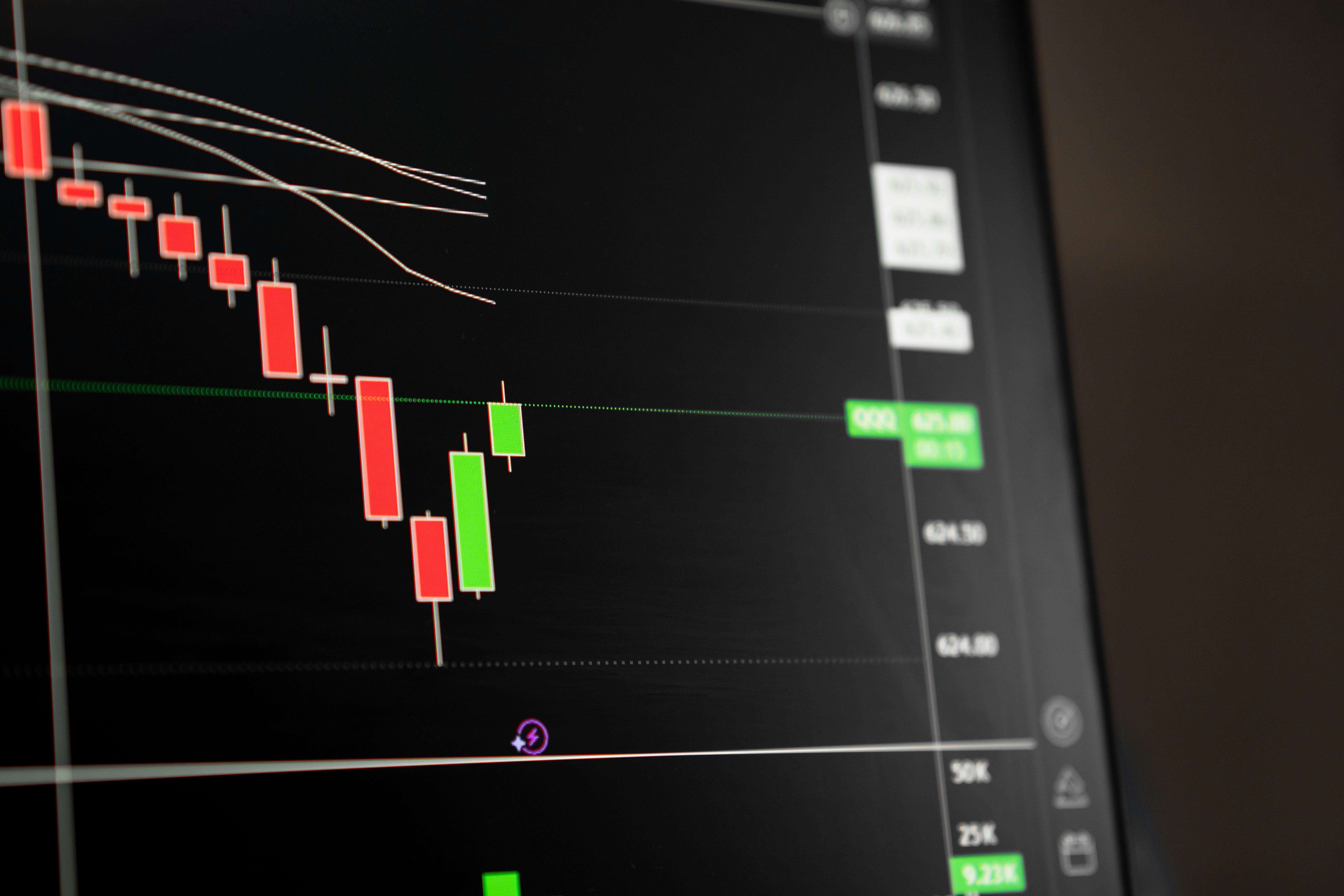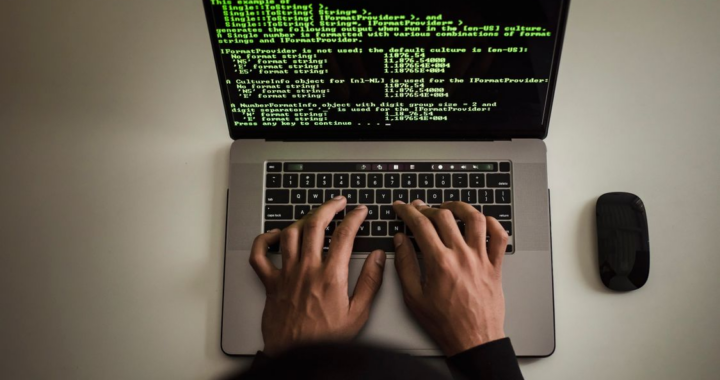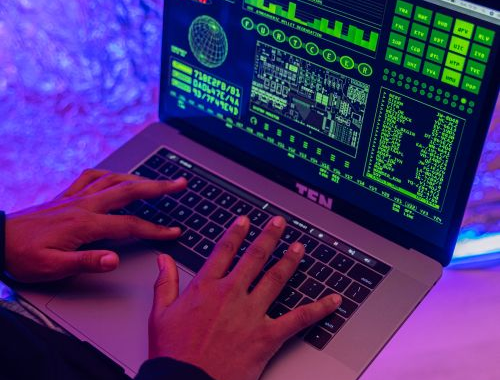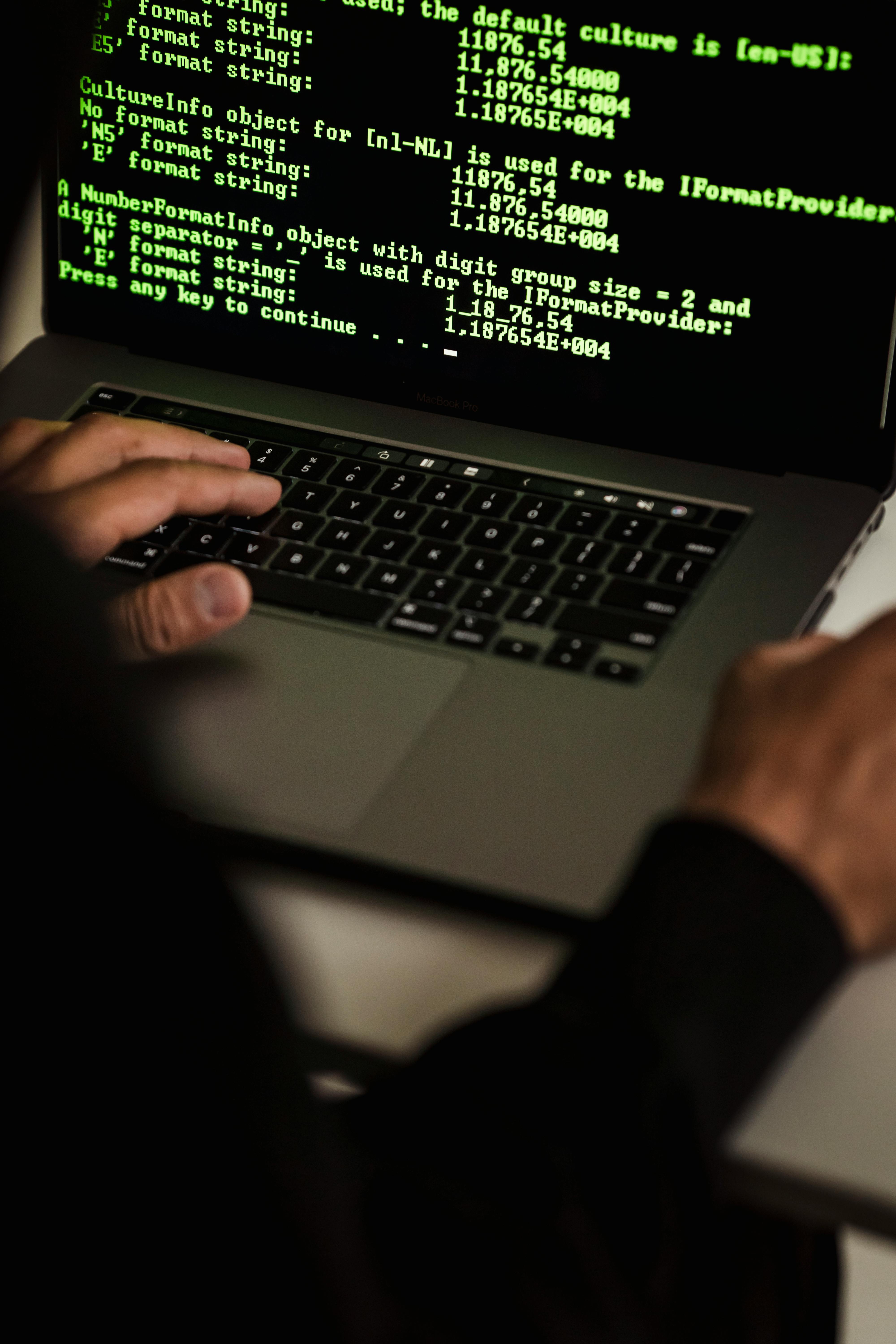
close-up of a tampered video open on a computer screen

Forensic Video Analysis: Combining Evidence for Maximum Impact

Video evidence plays a powerful role in legal cases, but its true value often emerges when combined with other forms of data. A forensic video analysis expert applies structured techniques to align video with supporting evidence, creating a clearer and more reliable representation of events.

The Role of Combined Evidence

Video footage alone may capture a moment, but it does not always provide full context. When paired with additional data such as audio recordings, device logs, or digital records, it becomes more meaningful. This combined approach allows investigators to verify timelines, confirm actions, and support claims with greater accuracy.

Integrating Audio and Video Data

Audio often adds important context to video recordings. Conversations, background sounds, and timing cues can support or clarify visual information. When analyzed together, audio and video create a more complete picture of events.

Experts providing audio forensic services ensure that sound aligns with the visual timeline. They check for synchronization, consistency, and any signs of alteration.

Linking Mobile and Digital Records

Mobile devices frequently store data that complements video evidence. Messages, call logs, and application activity can confirm actions captured on camera. By connecting these records, investigators can build stronger timelines and verify details.

Using mobile device forensics, specialists extract and analyze this data while preserving its integrity. When aligned with video footage, these records provide additional support for key findings.

a forensic expert looking for inconsistencies in a video footage

Enhancing Clarity Across Evidence Types

Clarity is essential when presenting combined evidence. A video enhancement expert improves visual quality to ensure important details are visible. At the same time, audio adjustments may be applied to improve speech clarity without altering the original content.

Enhancement techniques are applied carefully to maintain authenticity. This ensures that all evidence remains accurate and suitable for legal use while improving overall understanding.

Ensuring Consistency and Authenticity

When combining multiple forms of evidence, consistency is critical. Each piece must align with the others in terms of timing, content, and context. Any inconsistencies may raise questions about reliability.

Techniques used in authenticated video forensics help confirm that the video has not been altered. Similar verification methods are applied to audio and digital data. This process ensures that all evidence supports a consistent and credible account.

Turn Multiple Data Sources into Clear Proof

Combining multiple forms of evidence strengthens legal cases by providing a clearer and more complete understanding of events. With guidance from a forensic video analysis expert, support from a digital forensic consultant, and services such as digital forensic services, investigators can present reliable and well-supported findings.

For dependable analysis that brings all evidence together effectively, Eclipse Forensics offers professional support to help ensure your case is backed by clear, accurate, and court-ready digital evidence. Contact us today.

an expert going through audio for its authentication

From Noise to Clarity: How Audio Forensic Experts Recover Critical Evidence

Audio recordings often serve as valuable evidence in investigations, capturing conversations, background sounds, and key moments. However, many recordings are affected by noise, distortion, or low quality, making them difficult to interpret. An audio forensic expert applies specialized techniques to improve clarity while preserving the integrity of the original file.

The Challenges of Poor Audio Quality

Recordings collected from mobile devices, surveillance systems, or public environments often include background noise. Traffic, wind, overlapping voices, and electronic interference can make it difficult to isolate important details.

These challenges highlight the need for professional analysis. Without proper techniques, attempts to improve audio may distort the recording or reduce its value as evidence.

Noise Reduction and Filtering Techniques

One of the primary methods used in audio forensics is noise reduction. This process involves identifying unwanted sounds and reducing their presence without affecting the main audio content. Filtering tools can isolate specific frequencies, allowing experts to remove consistent background noise.

Professionals offering audio forensic services use advanced software to apply these adjustments carefully. The goal is to improve clarity while maintaining the original characteristics of the recording.

Enhancing Speech and Voice Clarity

Speech enhancement is another important aspect of audio analysis. Experts focus on improving the intelligibility of spoken words by adjusting volume levels and frequency balance.

A forensic audio specialist may also separate overlapping voices or reduce competing sounds. These techniques allow investigators to better understand conversations and identify speakers when necessary.

a person pointing at an inconsistency in an audio file

Authentication and Integrity Preservation

While improving audio quality is important, maintaining the authenticity of the recording is equally essential. Any enhancement must preserve the original content without adding or removing information.

Specialists document every step of the enhancement process. This documentation ensures that the recording can be presented with confidence and withstand legal scrutiny.

Integration with Broader Forensic Analysis

Audio evidence is often analyzed alongside other forms of digital data. When combined with video or device records, it can provide a more complete understanding of events.

Coordination with digital forensic services helps ensure that all evidence is consistent and properly evaluated.

Get Clear, Court-Ready Audio Evidence

Audio forensic techniques transform unclear recordings into valuable evidence that supports investigations and legal proceedings. With expertise from an audio forensic expert, assistance from a digital forensic consultant, and collaboration with a cyber forensic expert, investigators can ensure that audio evidence is clear and reliable.

For professional audio enhancement and analysis you can trust, Eclipse Forensics provides the expertise and tools needed to bring clarity to your most important recordings. Contact us today.

close-up of metadata on screen

Metadata Matters: How Digital Forensic Experts Decode Hidden Data

In digital investigations, files often contain more information than what appears on the surface. Hidden within documents, images, and videos is metadata—data that provides insight into how, when, and where a file was created or modified. A data forensic expert relies on this information to verify authenticity and establish timelines that support legal cases.

What Is Metadata and Why Does It Matter?

Metadata is essentially data about data. It includes information such as creation dates, file size, device type, and modification history. While this information may not be visible during normal use, it plays a key role in forensic investigations.

For example, a document’s metadata may show when it was first created and when it was last edited. This can help determine whether a file has been altered after its initial use.

Establishing Timelines Through Metadata

One of the primary uses of metadata is building accurate timelines. Investigators rely on timestamps to determine the sequence of events related to a file, including when a message was sent or when a document was modified.

A forensic computer analyst examines these timestamps to ensure they are consistent with other evidence. If discrepancies appear, it may indicate manipulation or system errors that require further analysis.

Identifying File Origins

Metadata also helps identify the origin of a file. Information such as device type, software used, and user identifiers can link a file to a specific source.

Experts in digital forensic services compare metadata details with known device characteristics. If the file’s metadata does not match the claimed source, it may raise concerns about its validity.

a forensic expert going through metadata on screen

Detecting Edits and Alterations

Another important function of metadata analysis is identifying changes made to a file. Every time a file is edited, certain metadata fields may update.

This is especially relevant for images and videos. Combined with techniques from digital video forensics, metadata can reveal whether a file has been reprocessed or edited using specific software.

Supporting Legal Evidence

Metadata plays a significant role in ensuring that digital evidence meets legal standards. Courts require proof that files have not been altered in a way that affects their reliability.

Maintaining a clear chain of custody alongside metadata review ensures that evidence remains intact and supports admissibility in legal proceedings.

Verify File Integrity with Confidence

Understanding metadata is essential for verifying digital evidence and establishing accurate timelines. With expertise from a data forensic expert and support from a digital forensic consultant, investigators can ensure that hidden data is properly analyzed and preserved.

For reliable digital evidence analysis and professional support, Eclipse Forensics provides the tools and expertise needed to ensure your data stands up to scrutiny in any legal setting. Contact us today.

social media applications in a folder on a mobile

Mobile Device Forensics in Florida: Preserving Social Media Evidence

Social media platforms hold a wealth of information that can be essential for investigations. From direct messages to posts and multimedia content, phones often contain digital evidence that may be critical in legal cases. Handling this data properly requires mobile device forensics in FL, a specialized approach to extract, preserve, and analyze social media content without compromising its integrity.

Importance of Social Media Evidence

Social media records provide context, timelines, and proof of interactions. They can verify alibis, support witness statements, or reveal communications relevant to a case. However, this type of evidence is highly vulnerable to accidental deletion, app updates, or device changes. Without proper forensic methods, key information may be lost or rendered unusable in court.

Extraction Techniques for Mobile Devices

Forensic experts use specialized tools to access social media data while maintaining its integrity. Techniques include logical extraction, physical extraction, and cloud data retrieval. Logical extraction collects information that is readily accessible on the device, while physical extraction can recover deleted messages and files. Cloud retrieval involves accessing data stored on social media servers, often requiring authentication and consent.

Experts performing cell phone forensic services document every step to ensure the data’s authenticity. Maintaining a secure workflow and chain of custody is essential to prevent tampering or disputes over evidence admissibility.

a person holding a phone and using a social media application on it

Preserving Metadata and Context

Metadata, such as timestamps, user IDs, and geolocation data, is crucial for understanding the context of social media interactions. Forensic analysis preserves this metadata to establish timelines and confirm the authenticity of messages or media files. Even deleted content can sometimes be recovered and verified, providing investigators with a more complete picture.

Legal Considerations and Compliance

Collecting social media evidence must comply with legal standards, including privacy regulations and procedural requirements. Improper extraction or handling can lead to evidence being challenged or excluded. Specialists in mobile device forensics ensure that procedures align with legal and ethical standards, maintaining both reliability and admissibility in court.

Secure and Verify Your Mobile Evidence

Proper handling of social media data from mobile devices strengthens investigative outcomes and supports the integrity of digital evidence. With services such as mobile device forensics, guidance from a digital forensic consultant, and expertise from a cyber forensic expert, investigators can confidently collect, preserve, and analyze social media evidence for legal proceedings.

For reliable social media evidence extraction and verification, Eclipse Forensics provides professional support, advanced tools, and expert guidance to ensure your digital data is preserved accurately and ready for court. Contact us today.

close-up of an audio editing software

Audio Authentication Techniques Every Investigator Should Know

Audio recordings play a powerful role in modern investigations, often capturing conversations, background activity, and critical details that support legal claims. However, with the ease of editing digital files, questions about authenticity have become more common. This makes authenticated audio forensics an essential process for confirming that recordings remain accurate and unchanged. When handled correctly, authenticated audio can provide strong, reliable evidence in court.

Why Audio Authentication Matters

Unlike written statements, audio recordings present direct accounts of events. They can reveal tone, timing, and intent, which are often vital in legal cases. However, without proper verification, recordings may be challenged for potential edits or manipulation.

Courts require assurance that audio evidence reflects the original recording. Any doubts about authenticity can reduce its value or lead to exclusion. By applying structured authentication methods, investigators can confirm that recordings meet legal standards and remain trustworthy.

Identifying Signs of Audio Manipulation

Modern editing tools allow users to alter audio files in subtle ways. Common modifications include cutting segments, inserting new sounds, or adjusting pitch and timing. While some edits are easy to detect, others require detailed analysis.

Professionals trained in audio forensic services examine waveforms, background noise patterns, and frequency consistency. Abrupt changes or unnatural transitions may indicate tampering. These indicators help determine whether the recording has been altered.

close-up of a person pointing at an inconsistency in an audio file

File Structure and Metadata Review

Audio files contain embedded data that provides information about their origin and history. This metadata includes timestamps, device details, and editing records. Reviewing this data helps establish whether the file has remained intact.

If metadata shows unexpected changes or missing information, it may raise concerns. Consistency between metadata and the claimed recording conditions strengthens the credibility of the evidence.

Voice and Sound Pattern Analysis

Authentication also involves examining the characteristics of voices and environmental sounds within a recording. Experts assess speech patterns, tone consistency, and background noise to ensure alignment throughout the file.

A forensic audio specialist may compare voice samples to confirm identity or detect alterations. Differences in tone, pitch, or acoustic environment can indicate edits.

Chain of Custody and Proper Handling

Maintaining a clear chain of custody is essential for preserving audio evidence. This process documents how the recording was collected, stored, and transferred. Proper handling prevents unauthorized changes and ensures integrity.

Secure storage, limited access, and detailed documentation help maintain confidence in the evidence. Courts rely on this process to confirm that recordings have not been compromised.

Reliable Audio Verification Starts Here

Services such as forensic audio services, guidance from a digital forensic consultant, and support from a cyber forensic expert help ensure that every detail is properly verified. For dependable audio verification backed by proven techniques, Eclipse Forensics provides professional support to help strengthen your case with accurate and trusted evidence. Contact us today.

forensic specialist documenting digital evidence chain of custody in a lab

Why Evidence Handling Determines Admissibility

Digital evidence can make or break a case. From smartphone data and surveillance footage to emails and audio recordings, modern investigations depend heavily on electronic materials. However, even the most compelling digital file can be excluded from court if it was not properly preserved, documented, or analyzed.

The foundation of digital evidence admissibility lies in meticulous evidence handling. Courts require proof that files were collected lawfully, preserved without alteration, and analyzed using reliable forensic methods. Without strict protocols, opposing counsel may challenge authenticity, chain of custody, or methodology.

At Eclipse Forensics, certified professionals ensure that every stage of evidence acquisition and examination meets defensible standards, protecting the integrity of the investigation and strengthening courtroom outcomes.

Secure Acquisition: The First Step Toward Admissibility

Admissibility begins at the moment evidence is collected. Whether performing mobile device forensics or full system imaging, specialists must follow court-certified forensics procedures.

A cell phone forensics expert creates forensic images rather than working from original devices. Hash values are generated to establish a digital fingerprint, ensuring the data remains unchanged throughout the investigation. These steps are commonly performed by a digital forensic expert, preserving integrity from the outset.

Improper acquisition, such as manually copying files or failing to document extraction steps, can compromise the entire case.

Chain of Custody and Documentation

Maintaining a clear chain of custody is essential. Every transfer, analysis, and access point must be recorded. digital forensic consultants document:

  • Who handled the evidence
  • When it was accessed
  • What tools were used
  • What changes, if any, occurred

When multimedia evidence is involved, specialists in video forensic services ensure original footage is preserved before any analysis or enhancement begins.

Similarly, forensic audio services professionals verify that the audio remains intact before conducting a deeper examination. An audio specialist may perform waveform analysis only after integrity checks are completed.

Comprehensive logging strengthens credibility and prevents challenges during expert witness testimony.

Proper Analysis Without Compromising Integrity

Evidence must be examined carefully without altering its original state. For example:

  • Forensic image analysis experts may conduct image redaction while preserving original copies.
  • A video forensic expert may perform enhancement using duplicated working files.
  • A data forensic specialist may conduct cell phone data recovery without modifying primary evidence.
  • Cyber forensic professionals ensure system-level data is analyzed within controlled environments.

Authentication steps, such as ‘authenticate video forensics, ’ confirm files have not been manipulated before findings are reported.

This disciplined approach ensures conclusions are defensible and withstand cross-examination by opposing counsel or independent reviewers.

The Role of the Expert in Court

When a case reaches litigation, a digital forensic expert must clearly explain acquisition methods, analytical tools, and preservation procedures.

Well-documented processes allow experts to deliver confident expert witness testimony, demonstrating that evidence was handled according to accepted forensic standards. Judges and juries rely on this clarity to determine reliability and credibility.

Without proper handling protocols, even accurate findings may face admissibility challenges.

digital forensic expert logging into a mobile device

Protecting Evidence from Collection to Courtroom

Digital evidence is only as strong as the process used to preserve it. From secure extraction and documented chain of custody to disciplined analysis and courtroom presentation, proper handling determines whether evidence will be accepted or excluded.

Eclipse Forensics provides comprehensive digital forensic services, including mobile device forensics in FL, multimedia authentication, and expert reporting designed to meet legal scrutiny.

If your case involves sensitive digital materials, don’t risk admissibility issues. Contact us to ensure your evidence is preserved, analyzed, and presented with the highest professional standards.

digital forensic experts analyzing audio, video, and device data together

Combining Audio, Video, and Data in Forensic Investigations

In today’s investigations, evidence rarely exists in isolation. A single case may involve smartphone videos, surveillance footage, text messages, call logs, cloud backups, and audio recordings. When analyzed separately, each element offers only part of the story. When combined strategically, however, they provide powerful, corroborated insight.

This is where comprehensive digital forensic services become essential. By integrating expertise across video, audio, and data analysis, forensic teams can reconstruct events with greater accuracy, identify inconsistencies, and provide defensible conclusions.

At Eclipse Forensics, multidisciplinary collaboration ensures that evidence is not only examined individually but also evaluated in context, strengthening investigative outcomes in criminal, civil, and corporate matters.

The Power of Integrated Evidence Analysis

Modern investigations often begin with device acquisition. Through mobile device forensics, specialists extract videos, images, messages, application data, and system logs from smartphones and tablets. A cell phone forensics expert ensures that extraction follows court-certified forensics protocols, preserving integrity from the start.

Simultaneously, forensic video services analyze surveillance or user-recorded footage, while audio ones evaluate voice recordings, background sounds, or potential manipulation. A video expert may identify timeline discrepancies, while an audio professional examines waveform consistency and background noise patterns.

When these disciplines work together, investigators can align video timestamps with call logs, verify whether audio matches recorded events, and confirm whether files were altered or re-encoded.

Correlating Audio, Video, and Digital Data

True investigative strength lies in correlation. For example:

  • A forensic video analysis expert authenticates surveillance footage.
  • A forensic audio specialist conducts audio authentication services to verify voice integrity.
  • A data forensic expert cross-references timestamps with device logs and cloud backups.
  • Forensic image analysis specialists validate still images or perform forensic image redaction when required.

Through authentic video forensics, experts confirm that multimedia evidence aligns with extracted device data. Digital video forensics may reveal frame alterations, while forensic cell phone data recovery can uncover deleted messages that support or contradict video content.

By integrating findings, digital forensic consultants reconstruct sequences of events with greater clarity and reliability.

Strengthening Legal Strategy and Courtroom Presentation

In legal settings, isolated findings may be challenged. However, when multiple forensic disciplines corroborate one another, evidence becomes significantly stronger.

A digital forensic expert can explain how audio, video, and digital artifacts support a unified conclusion. Coordinated reporting allows for clear expert witness testimony, where methodologies and findings are presented transparently and professionally.

By combining video, audio, and digital forensic services, investigators reduce ambiguity, strengthen admissibility, and increase confidence in evidentiary conclusions.

Why Multidisciplinary Forensics Matters

Relying on only one form of digital evidence can leave gaps. Integrated analysis conducted by digital, cyber, and computer forensics consultants ensures that no critical detail is overlooked.

This collaborative model:

  • Verifies timelines
  • Detects inconsistencies
  • Confirms authenticity
  • Supports defensible conclusions
  • Enhances credibility in court

When audio, video, and digital data are examined together, investigations become more comprehensive and persuasive.

forensic expert presenting audio-video data evidence in the courtroom

Strengthening Cases Through Integrated Digital Forensics

Complex cases demand comprehensive solutions. By combining audio, video, and data expertise under one coordinated framework, Eclipse Forensics delivers investigative clarity and courtroom-ready results.

If your case involves multimedia evidence, deleted data, or cross-device analysis, trust a team that integrates every discipline. Contact us today to learn how their advanced forensic methodologies can strengthen your investigation and support reliable, defensible outcomes.

Audio expert enhancing a distorted recording using professional software

Turning Distorted Audio Into Usable Evidence

Audio recordings often become critical evidence in legal and corporate investigations. However, many recordings are far from clear. Background noise, overlapping voices, device interference, or low-quality microphones can distort conversations and obscure key details. Through professional audio forensic services, unclear recordings can be processed, clarified, and evaluated for investigative relevance while maintaining evidentiary integrity.

Whether captured through surveillance systems, smartphones, or messaging apps, audio evidence must be handled carefully from the start. A qualified digital forensic expert ensures recordings are properly preserved during mobile device forensics, preventing overwrites or loss of metadata that could impact admissibility.

Identifying and Preserving the Original Recording

The first step in audio analysis is secure acquisition. A forensic audio specialist extracts the original file while preserving embedded metadata. In cases involving smartphones, forensic cell phone data recovery may retrieve deleted recordings, and a cell phone forensics expert ensures the extraction process follows court-certified forensics standards.

Preservation includes hashing, documentation, and chain-of-custody tracking, critical elements when preparing for expert testimony proceedings. A cyber forensic expert may also verify that the recording environment and file structure remain intact.

Enhancing Clarity Without Altering Evidence

Audio enhancement is not about changing content; it is about improving intelligibility. An experienced audio forensic expert uses specialized filtering techniques to reduce background noise, isolate voices, and clarify speech patterns. These processes are carefully documented to ensure that the enhancement does not compromise authenticity.

In complex cases involving both audio and video, collaboration with a forensic video analysis expert ensures synchronization accuracy. When necessary, video enhancement techniques may be applied alongside audio clarification to present cohesive evidence. This coordination supports broader forensic audio services, especially when part of larger digital video forensics investigations.

Authenticating and Analyzing Audio Evidence

Beyond enhancement, authentication is essential. Specialists use waveform analysis and file signature evaluation to authenticate audio forensics findings. Through audio authentication services, experts determine whether recordings have been altered, spliced, or manipulated.

A digital forensic consultant may later present these findings in court, explaining technical processes in understandable terms. Supporting documentation, validation reports, and metadata analysis reinforce credibility during expert witness testimony.

In cases where audio accompanies images or screenshots, professionals may coordinate with forensic image redaction experts to ensure all evidence aligns consistently and remains admissible.

Audio specialist examining waveform patterns to authenticate evidence

From Distortion to Defensible Evidence

Distorted audio can hold decisive information, but only when properly processed and authenticated. Through structured digital forensic services, skilled professionals transform unclear recordings into reliable, courtroom-ready evidence.

If your case involves unclear recordings or disputed audio files, Eclipse Forensics provides trusted audio forensic services, comprehensive digital forensic services in FL, and expert support for litigation. Contact us today to ensure your audio evidence is preserved, analyzed, and presented with precision and credibility.

Digital forensic expert analyzing metadata in digital investigations

How Metadata Shapes Digital Investigations

Digital evidence tells a story, but the real narrative often lies beneath the surface. In modern cases, metadata in digital investigations provides crucial insight into when a file was created, how it was modified, where it originated, and who accessed it. Whether in corporate disputes, criminal defense, or civil litigation, metadata frequently becomes the foundation for reliable forensic conclusions.

From emails and images to videos and mobile application data, metadata allows a digital forensic expert to reconstruct timelines, verify authenticity, and identify inconsistencies that may otherwise go unnoticed.

Understanding What Metadata Reveals

Metadata is essentially “data about data.” It includes timestamps, device identifiers, GPS coordinates, file ownership details, and edit histories. During mobile device forensics, metadata helps determine when messages were sent, whether photos were altered, or if files were deleted and later recovered.

A skilled forensic computer analyst examines this hidden layer to establish patterns and sequences of events. In cases involving smartphones, forensic cell phone data recovery can uncover deleted artifacts, while forensic picture recovery techniques may restore critical visual evidence along with embedded metadata.

Authenticating Audio, Video, and Images

Multimedia evidence requires careful examination. A video forensic expert analyzes embedded metadata to determine recording times, device models, and editing history. When questions arise about tampering, a video enhancement expert may evaluate frame consistency and compression signatures.

Similarly, an audio forensic expert uses metadata alongside waveform analysis to authenticate audio forensics findings. Through these services, specialists can confirm whether recordings were altered or spliced. The same standards apply when professionals authenticate video forensics, ensuring integrity under court-certified forensics protocols.

In sensitive cases, forensic image analysis ensures visual evidence is both reliable and compliant with legal requirements.

Supporting Courtroom Reliability

Metadata analysis does more than uncover facts; it strengthens admissibility. A computer forensics expert witness must clearly explain how metadata supports findings during expert testimony proceedings. Proper documentation, hashing verification, and audit trails ensure evidence withstands scrutiny.

Collaboration between a cyber and digital forensic engineer ensures consistent methodology and defensible results. Whether through audio or broader digital forensic services, maintaining metadata integrity is essential for courtroom success.

Why Metadata Matters

Without proper analysis, metadata can be overlooked, or worse, misinterpreted. When examined correctly, it provides clarity, establishes timelines, and verifies authenticity across devices and platforms.

If your case involves complex digital evidence, Eclipse Forensics delivers trusted services, including mobile device forensics in FL. Contact us today to ensure your evidence is analyzed, preserved, and presented with precision and credibility.

Cell phone forensics expert extracting social media data from a smartphone

Social Media as a Source of Digital Evidence

Social platforms have become central to modern communication, and increasingly central to legal investigations. Posts, private messages, images, videos, and geolocation tags can all serve as powerful forms of digital proof.

However, collecting this information requires precision. Social media forensics ensures online content is preserved, analyzed, and validated in a way that meets legal standards and protects evidentiary integrity.

Preserving Online Evidence the Right Way

Social media content is dynamic. Posts can be edited, deleted, or restricted without notice. A qualified digital forensic expert uses structured acquisition techniques to capture account data, metadata, timestamps, and associated artifacts before content changes.

Preservation may involve coordinated legal requests, device-level extraction, or platform data downloads. When smartphones are involved, mobile device forensics allows a cell phone forensics expert to extract application databases, chat histories, and media files directly from the device. This approach helps verify whether online content matches locally stored data.

A trained digital forensic consultant ensures that acquisition follows documented procedures aligned with court-certified forensics standards. Proper chain of custody and hash verification confirm that preserved evidence remains unaltered.

Analyzing Posts, Images, and Video Content

Once collected, forensic analysis begins. Text-based communications are reviewed alongside system logs and account activity to reconstruct timelines. A data forensic expert may correlate login records, IP addresses, and device identifiers to identify account access patterns.

Images and videos require deeper examination. Through forensic image analysis, specialists review metadata, compression artifacts, and editing traces. When necessary, experts may recover pictures forensically from devices or storage backups to compare original files with online versions.

Video content is evaluated through digital video forensics by an analysis expert. This process may involve frame inspection, metadata validation, and structured methods to authenticate video forensics. If enhancement is required for clarity, a video enhancement expert ensures adjustments do not alter evidentiary value.

Audio clips shared online can also be examined by an audio forensic expert, who applies waveform and spectral analysis to authenticate audio forensics through validated forensic audio authentication services.

Digital forensic expert analyzing social media data on a computer screen

Why Professional Analysis Matters

Screenshots alone are rarely sufficient in court. Opposing counsel may challenge authenticity, context, or completeness. Proper forensic procedures establish whether content was altered, staged, or misrepresented.

In complex cases, findings may be presented through a computer forensics expert witness, explaining technical processes in clear, objective terms. This level of expertise ensures that digital findings withstand legal scrutiny.

Secure and Validate Your Digital Evidence

Social media can reveal critical insights, but only when collected and analyzed correctly. Eclipse Forensics provides structured digital forensic services in Florida designed to preserve online evidence and ensure its admissibility.

If your case involves disputed posts, deleted messages, or multimedia content, contact Eclipse Forensics today to consult with an experienced digital forensic expert and protect the integrity of your investigation.