
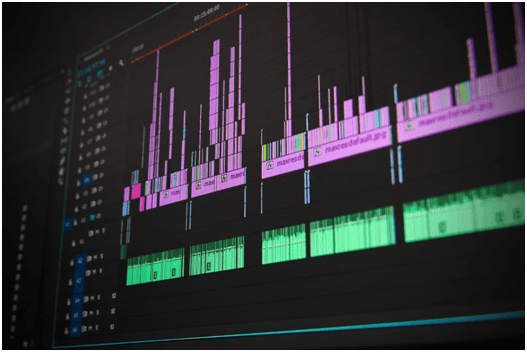
A recording can capture a conversation, emergency call, threat, confession, interview or other event that becomes important to an investigation or legal proceeding. But having an audio file is not the same as having reliable evidence. Before recorded audio can be meaningfully used in a case, questions may arise about where it came from, whether it has been altered, what can actually be heard and whether the recording can be explained and defended through a forensic process.
This is where authenticating audio forensics becomes important. Forensic audio authentication and analysis can examine the integrity of a recording, identify potential alterations, improve intelligibility where appropriate, and help establish what the recording can and cannot demonstrate.
Forensic audio is also increasingly connected to other forms of digital evidence. A recording may come from a smartphone, computer, surveillance system or video file, making mobile device forensics, digital examinations and forensic video analysis relevant to the same investigation.
What Is Forensic Audio Authentication?
Audio authentication is the forensic examination of a recording to determine whether it is original and whether there are indications that it has been altered, intentionally or accidentally. It is different from simply listening to a recording or improving its sound quality.
An audio forensic expert may examine the recording’s technical characteristics, continuity and other available information to identify potential anomalies. The purpose is not to assume that a recording is genuine or manipulated, but to scientifically examine the available evidence.
Authentication is the process of establishing whether a recording is original and whether it has been tampered with. Authentication requires specialized skills and equipment, and forensic procedures are documented so they can be replicated when necessary.
This distinction matters because enhancement and authentication answer different questions:
- Authentication:Has the recording been altered or tampered with?
- Enhancement:Can existing sounds be made easier to hear or analyze?
- Analysis:What information can be reliably determined from the recording?
- Voice identification:Can a voice be compared with known voice samples?
A recording can potentially be authentic but difficult to hear. Conversely, a clearer recording may still require authentication before its integrity can be relied upon.

Why the Original Audio File Matters
The original recording is one of the most important pieces of information in an audio forensic examination.
A copy sent through a messaging application, exported from editing software, converted into another format or recorded from a speaker may no longer contain the same technical information as the original. Compression and conversion can affect the signal, metadata and other characteristics that may be relevant to examination.
For that reason, anyone handling potentially important audio should preserve the original file rather than immediately editing, trimming, converting or enhancing it.
The original should be retained separately while forensic work is performed on an appropriate working copy. This helps distinguish the source evidence from any versions created during examination.
This principle also applies when audio comes from a phone or another digital device. A cell phone searching process intended simply to locate a recording is different from a formal forensic acquisition. When the device itself may contain relevant evidence, mobile device forensics can help preserve and examine available data using a structured forensic process.
How Is Audio Preserved for a Forensic Examination?
Preservation begins before enhancement.
The investigator or legal team should document how the recording was obtained, where it was stored, who handled it and what versions have subsequently been created. Depending on the circumstances, this information can contribute to the broader chain of custody surrounding the evidence.
A forensic examination may involve:
- Identifying the original recording and source device.
- Preserving the original without unnecessary modification.
- Creating an appropriate forensic or working copy.
- Documenting file characteristics and relevant information.
- Examining the recording for authenticity.
- Performing enhancement or analysis when justified.
- Recording the methods and processing steps.
- Preparing findings in a form that can be explained to attorneys, investigators or a court.
An audio forensics expert can extract and analyze recordings from 911 calls, mobile phones, handheld recorders, DVDs, video, CCTV, computers, tapes and memory cards. Its audio page also states that all steps are logged so they can be replicated when necessary.
This documentation is particularly important when evidence may eventually be challenged.

What Does an Audio Forensic Expert Look For?
Authentication can involve examining both the audible recording and its underlying technical characteristics.
An audio forensic specialist may look for inconsistencies that could indicate editing or interruption. Depending on the recording and the question being investigated, this can include changes in waveform or signal characteristics, unusual gaps, discontinuities, inconsistent background sound or other technical anomalies.
File information can also provide useful context. However, no single characteristic should automatically be treated as proof that a recording has been manipulated. A forensic conclusion depends on the available evidence and the methods used to examine it.
This is why audio authentication services should be distinguished from consumer audio editing. The objective is not to make a file sound better or produce a desired result. The objective is to examine and document the evidence objectively.
Can Forensic Audio Enhancement Make a Recording Clear?
Yes, in some circumstances, forensic enhancement can significantly improve the intelligibility of existing audio.
Real-world recordings frequently contain background or street sounds, low recording levels, interference, buzz, hum and hiss. Forensic audio services can include background noise reduction, voice enhancement, volume adjustment and frequency equalization.
An audio forensic expert may use specialized filters and processing techniques to reduce unwanted sounds or make particular portions of a recording easier to hear.
For example, enhancement may help reduce a constant background noise that is masking speech. It may also improve volume consistency or emphasize relevant frequency ranges.
However, enhancement does not mean that an expert can simply turn an unintelligible recording into a perfect conversation.
What Forensic Enhancement Can and Cannot Do
This is one of the most important distinctions in forensic audio.
Enhancement works with information that exists in the recording. It can improve how existing information is presented, but it cannot reliably recover information that was never captured.
If a microphone never recorded a particular word because of extreme distance, obstruction or inadequate recording conditions, software cannot guarantee that the missing word can be reconstructed accurately.
Similarly, if two people speak simultaneously, enhancement may improve certain characteristics of the recording, but it cannot always separate overlapping voices completely.
Other limitations may result from:
- Severe clipping or distortion
- Extremely low recording levels
- Heavy compression
- Background sounds occupying the same frequencies as speech
- Poor microphone placement
- Recording equipment limitations
- Missing or corrupted data
The role of the forensic specialist is therefore not to promise perfect clarity. It is to determine what can reasonably be extracted from the evidence and document the processing used.
That distinction protects the integrity of the examination.

Noise Reduction Without Losing Important Information
Noise reduction sounds straightforward, but aggressive processing can create its own problems.
Removing too much background sound can affect speech or other sounds that may be relevant to the case. Forensic enhancement therefore needs to balance intelligibility with preservation of the original information.
A professional approach may involve testing different processing methods and comparing the results rather than applying one generic filter to every recording.
The original file should remain available for comparison. Enhanced versions should also be clearly identified as processed material rather than being confused with the source recording.
Voice Identification and Voice Comparison
In some cases, the central question is not simply what was said but who said it.
Voice identification can involve comparing a target voice in a recording with known voice samples, or exemplars. Forensic experts use voice biometric software to compare a target voice with samples from known voices.
This work requires more than casually listening to two recordings and deciding that the speakers sound similar.
A forensic voice examination considers measurable characteristics and the quality and suitability of the available samples. The quality of the questioned recording, recording conditions, speaker characteristics and other factors can affect the examination.
For legal teams, understanding those limitations is just as important as understanding the eventual findings.
When Audio Comes From a Cell Phone
Smartphones have become major sources of recorded evidence.
Audio may exist as a voice memo, voicemail, messaging-app recording, video soundtrack or another file stored on the device. A phone may also contain surrounding information that helps establish context.
This is where mobile device forensics in FL can overlap with forensic audio work.
A cell phone forensics expert may first need to locate and properly acquire relevant data from the device. A forensic cell phone data recovery examination may also be relevant if potentially important recordings have been deleted or are otherwise inaccessible through ordinary phone functions.
When Audio and Video Evidence Intersect
Many modern recordings contain both audio and video. Surveillance systems, smartphones, body cameras and other devices can produce multimedia evidence that needs to be considered as a whole.
In these situations, forensic video analysis may be performed alongside audio examination.
A video forensic expert may examine the visual component while an audio forensic specialist examines the soundtrack. This can be particularly useful when investigators need to establish whether the audio and video remain consistent with one another.
If a recording has been edited, the examination may also involve determining whether changes affected one component, both components or the relationship between them.
Why Authentication Should Come Before Relying on Enhanced Audio
Enhancement can make a recording easier to hear, but clarity does not establish authenticity.
For example, an edited recording can potentially be enhanced just as an original recording can. Making a recording louder or reducing its background noise does not answer whether the file was previously altered.
That is why audio forensics authentication should be understood as part of a broader evidence examination rather than simply another form of audio cleanup.
Where authenticity is disputed, the examination should consider the original material and relevant technical information before conclusions are drawn from an enhanced version.
How Forensic Audio Findings Are Used in Court
Forensic audio may become part of a criminal investigation, civil dispute, personal matter or other legal proceeding.
The forensic laboratory’s responsibility is to provide evidence that can be relied upon in court. When a forensic audio expert testifies, technical processes need to be explained in language that a jury can understand.
This is where expert witness testimony becomes relevant.
An expert may be asked to explain:
- What recording was examined
- How the original was preserved
- What authentication procedures were performed
- What enhancement techniques were used
- Whether processing changed the underlying evidence
- What limitations affected the examination
- How voice comparisons were conducted
- What conclusions can reasonably be drawn
Clear reporting and testimony can help distinguish the technical findings from assumptions about what the recording means.
Related forensic professionals may also provide computer forensics expert witness services, digital evidence analysis or video forensic expert testimony when multiple forms of evidence are involved.
Why Documentation Matters
A forensic conclusion is stronger when another qualified professional can understand how it was reached.
That requires documentation.
Processing steps, versions of files, examination methods and relevant observations should be recorded throughout the work. This principle extends across forensic disciplines, whether the case involves digital forensic services, forensic video analysis, mobile evidence or audio.
It also helps attorneys understand exactly what an expert did rather than receiving only a final conclusion without context.
Choosing Forensic Audio Services for a Legal Matter
When recorded audio may become evidence, the provider’s technical capabilities and forensic methodology both matter.
A legal team may need more than basic sound editing. Depending on the case, relevant services can include authentication, enhancement, voice identification, noise reduction, redaction, voice message retrieval, audio extraction from video, format conversion and other specialized analysis.
For cases involving multiple forms of digital evidence, it can also be useful to work with a provider capable of coordinating audio with related digital forensic services, mobile device examinations and video analysis.
From Recording to Evidence: The Forensic Process Matters
A recorded conversation does not automatically become legal evidence simply because it exists as a digital file.
Its value may depend on its provenance, preservation, authenticity, technical quality, relevance and the ability of qualified professionals to explain how it was examined.
The process can begin with protecting the original recording. From there, forensic specialists can assess authenticity, examine the technical characteristics of the file, perform appropriate enhancement, evaluate voices or other sounds, and document their methods.
If the evidence comes from a smartphone, computer or surveillance system, additional forensic examinations may be needed to establish context and preserve related information.
Ultimately, forensic audio is not about making a recording tell a particular story. It is about determining what the recording can reliably tell us.
When properly preserved, authenticated, analyzed and explained, recorded audio can become a much more useful form of evidence for investigators, attorneys and courts. And when enhancement is required, understanding both its capabilities and its limitations is essential to maintaining the integrity of the evidence.
Discuss Your Audio Evidence with Eclipse Forensics
At Eclipse Forensics, we help attorneys, investigators, and individuals make sense of audio evidence through professional forensic audio analysis, authentication, enhancement, noise reduction, voice identification, and audio restoration. We also provide forensic video, digital, computer, and mobile device services when a case involves multiple forms of evidence. From preserving the original recording to documenting our methods and findings, we take a careful, evidence-focused approach at every stage. Contact us to discuss your recording and learn how our forensic team can help.