
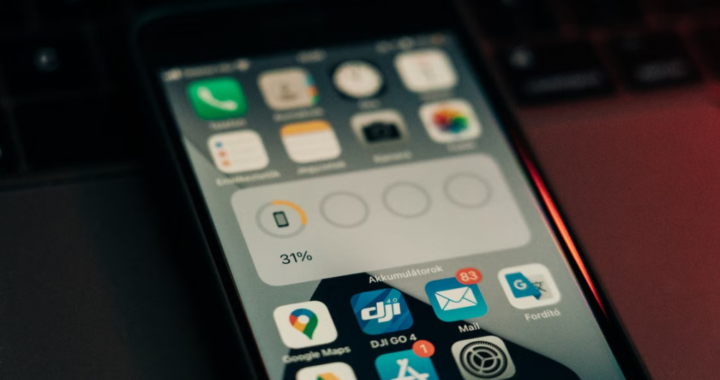
Mobile device forensics recovers the messages, calls, points, and other activity stored on a phone and arranges them in order. Each record captures a different moment, and together they can show what happened and when.
The challenge is connecting those records. We review and compare available data to understand and reconstruct the timeline of events and how they fit together.
What Goes Into a Phone Timeline?
A phone timeline may include:
- Text messages and messaging applications
- Call logs and voicemails
- Photos and videos
- GPS and location records
- Browser and app activity
- Downloads and other device artifacts
Reviewing several records together can establish a clearer sequence without relying on a single timestamp. For a broader look at how smartphones can contain useful digital evidence, read our guide to smartphones as witnesses for digital forensics.
Why Can Phone Timelines Be Difficult to Interpret?
Phone records do not always record time in exactly the same way. Time zones, device settings, application timestamps, and synchronization can affect how an event appears in a timeline.
A ScienceDirect study in Digital Investigation on Android timestamps found that an incorrect time zone setting on a device can make its timestamps easy to misread, which is why our team checks these settings before building a timeline.
How Examiners Check That a Timeline Holds Up
A timeline is only as reliable as the records behind it. Examiners compare timestamps across messages, call logs, photos, and location data, looking for entries that agree with one another and flagging any that conflict.
A picture’s capture time can be checked against a nearby message or a location record from the same period. Device settings matter too. Time zone and clock settings are reviewed first, since they affect how every other entry is read.
What If Important Data Has Been Deleted?
Deleted messages, photos, or other records may sometimes be recoverable. Forensic cell phone data recovery helps identify available deleted information or related artifacts, although results depend on the device, deletion process, storage conditions, and activity after deletion.
NIST’s mobile device forensics guidelines list preservation as its own stage, alongside acquisition, examination, analysis, and reporting. Unnecessary changes to a phone can reduce what an examiner is able to recover.

Unsure What Your Phone Records Show? Talk to an Examiner First
At Eclipse Forensics, we examine mobile devices and available digital artifacts using forensic analysis to preserve and document relevant evidence. Our digital forensics can help you recover data that might be essential to an investigation or legal matter.
If you need mobile device forensics in FL, contact our team at Eclipse Forensics to discuss the situation before making unnecessary changes to the device.