
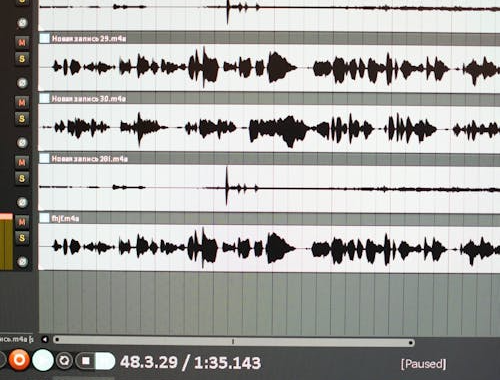
Audio recordings play a powerful role in modern investigations, often capturing conversations, background activity, and critical details that support legal claims. However, with the ease of editing digital files, questions about authenticity have become more common. This makes authenticated audio forensics an essential process for confirming that recordings remain accurate and unchanged. When handled correctly, authenticated audio can provide strong, reliable evidence in court.
Why Audio Authentication Matters
Unlike written statements, audio recordings present direct accounts of events. They can reveal tone, timing, and intent, which are often vital in legal cases. However, without proper verification, recordings may be challenged for potential edits or manipulation.
Courts require assurance that audio evidence reflects the original recording. Any doubts about authenticity can reduce its value or lead to exclusion. By applying structured authentication methods, investigators can confirm that recordings meet legal standards and remain trustworthy.
Identifying Signs of Audio Manipulation
Modern editing tools allow users to alter audio files in subtle ways. Common modifications include cutting segments, inserting new sounds, or adjusting pitch and timing. While some edits are easy to detect, others require detailed analysis.
Professionals trained in audio forensic services examine waveforms, background noise patterns, and frequency consistency. Abrupt changes or unnatural transitions may indicate tampering. These indicators help determine whether the recording has been altered.

File Structure and Metadata Review
Audio files contain embedded data that provides information about their origin and history. This metadata includes timestamps, device details, and editing records. Reviewing this data helps establish whether the file has remained intact.
If metadata shows unexpected changes or missing information, it may raise concerns. Consistency between metadata and the claimed recording conditions strengthens the credibility of the evidence.
Voice and Sound Pattern Analysis
Authentication also involves examining the characteristics of voices and environmental sounds within a recording. Experts assess speech patterns, tone consistency, and background noise to ensure alignment throughout the file.
A forensic audio specialist may compare voice samples to confirm identity or detect alterations. Differences in tone, pitch, or acoustic environment can indicate edits.
Chain of Custody and Proper Handling
Maintaining a clear chain of custody is essential for preserving audio evidence. This process documents how the recording was collected, stored, and transferred. Proper handling prevents unauthorized changes and ensures integrity.
Secure storage, limited access, and detailed documentation help maintain confidence in the evidence. Courts rely on this process to confirm that recordings have not been compromised.
Reliable Audio Verification Starts Here
Services such as forensic audio services, guidance from a digital forensic consultant, and support from a cyber forensic expert help ensure that every detail is properly verified. For dependable audio verification backed by proven techniques, Eclipse Forensics provides professional support to help strengthen your case with accurate and trusted evidence. Contact us today.