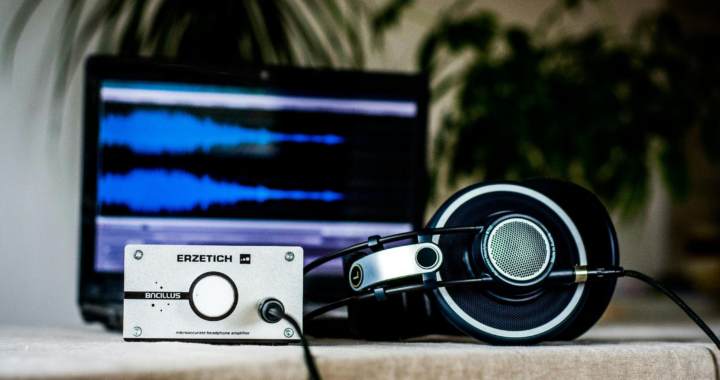
Audio forensic services

The Science of Sound: Detecting Edits in Audio Evidence

Recordings influence countless legal disputes, which is why forensic audio authentication has become a crucial safeguard. Many cases include audio captured on phones, smart devices, or portable recorders, and each file must be examined carefully to ensure its content reflects an unaltered event. When authenticity is unclear, the credibility of the evidence can be at risk.

Why Forensic Audio Authentication Plays a Vital Role in Modern Cases

Recordings surface in criminal investigations, workplace disputes, family law matters, and civil claims. In its guidance on recorded conversations, the U.S. Department of Justice states that a recording must be shown to be accurate and free from alteration before it can be admitted as evidence. This requirement exists because digital files are vulnerable to edits, intentional cuts, or accidental corruption.

Forensic audio authentication gives investigators, attorneys, and courts a way to confirm whether a recording is complete and genuine. By examining the structure of the file, an expert can determine if the audio captures events as they occurred or if edits may have changed the meaning of the conversation.

Common Signs of Tampering That Experts Are Trained to Identify

Many forms of audio manipulation leave behind technical traces that trained examiners can identify. Research published by the Audio Engineering Society explains that edits can interrupt the natural flow of ambient noise, waveform continuity, or spectral patterns.

Examples of edit indicators include:

  • Abrupt shifts in background sound that do not match the surrounding environment
  • Odd gaps between spoken phrases or irregular spacing
  • Changes in reverberation that do not align with the room’s acoustics
  • Frequency transitions that differ from the rest of the recording

These discrepancies can signal splicing, insertion, deletion, or re-recording. Even subtle changes may influence a listener’s interpretation of tone, context, or intent.

How Experts Examine a Recording Beyond What the Ear Can Detect

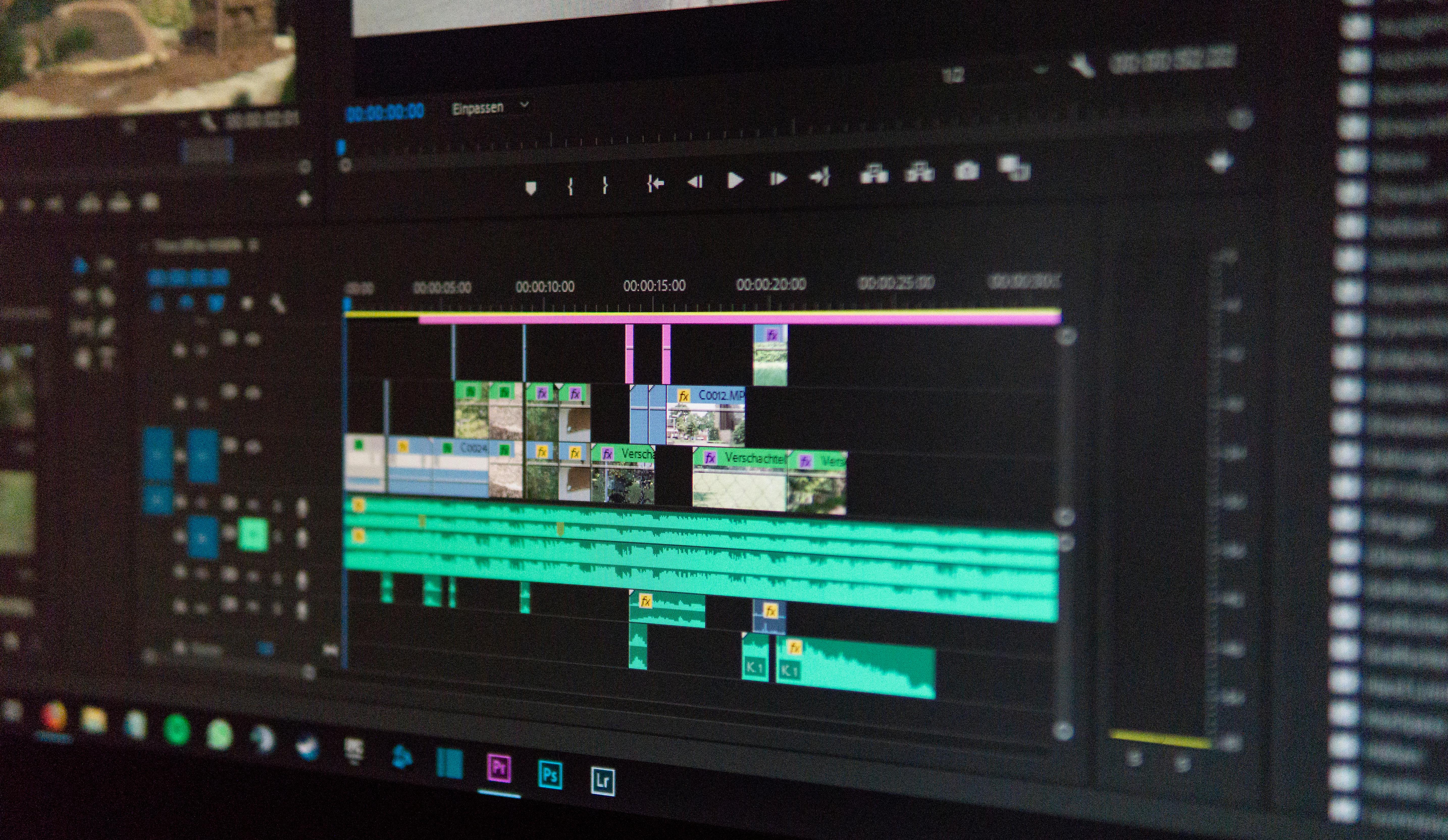
Many edits go unnoticed in normal playback, which is why audio forensic services rely on detailed technical examinations. Analysts study characteristics such as waveform irregularities, bitrate shifts, encoding artifacts, and DC offset deviations. These elements reveal hidden clues about how the file was created and whether it has been modified.

Spectrographic analysis is a foundational part of forensic audio examinations because it exposes inconsistencies that cannot be heard unaided. This type of analysis evaluates frequency content over time, making it possible to identify sections that behave differently from the rest of the file.

Authentication focuses on evaluating the original material, not altering it. Experts preserve the source file and document their findings so the evidence remains reliable for legal review.

Why Authenticity Matters for Attorneys, Judges, and Investigators

Federal Rule of Evidence 901 requires proof that a recording is genuine before being presented in court. Authenticity provides clarity for attorneys preparing strategy, helps judges evaluate statements fairly, and supports investigators who need dependable evidence for their reports.

Even small edits can distort meaning. A missing second of speech or an inserted sound can influence how a conversation is interpreted. Forensic audio authentication ensures those issues are identified before the recording is relied upon in any legal setting.

Contact Eclipse Forensics for Reliable Audio Authentication Support

If you have a recording that raises concerns about tampering, Eclipse Forensics can help you understand its true condition. Our specialists conduct detailed examinations and provide clear, court-ready conclusions that explain whether a file has been altered. We assist attorneys, investigators, and individuals who need dependable answers about their audio evidence.

Reach out for a confidential review or to discuss how our team can support your case with precision and clarity. Call us at (904) 797-1866 or contact us online today for support.
Video forensic services

Sharpening the Truth: Why Video Enhancement Is Crucial in Law Enforcement

Investigators frequently rely on video enhancement for law enforcement to reveal details that standard playback cannot show clearly. Many recordings arrive blurred, poorly lit, or compressed, which makes it difficult for agencies to extract the information they need. When specialists refine those visuals, investigators work with a clearer foundation for identifying suspects, vehicles, or movements.

How Video Enhancement for Law Enforcement Supports Accurate Investigations

Video enhancement is a structured forensic process designed to clarify digital footage without altering the original meaning, following established guidance and scientific practices. Best Practices for Digital Forensic Video Analysis emphasize preserving the integrity of digital evidence during every stage of examination.

Law enforcement often receives clips from doorbell cameras, convenience stores, older DVR systems, or handheld devices. Many of these recordings suffer from graininess, digital noise, or motion blur. Improved visibility helps investigators confirm timelines, track suspect motion, and build detailed case reports that reflect what truly occurred.

What an Investigator Gains From Professional Video Clarification

Forensic specialists rely on documented procedures to make meaningful improvements that assist officers. Common refinements include:

  • Isolating key frames that contain critical visual information
  • Adjusting brightness or contrast to recover faint details
  • Clarifying subtle movement otherwise lost in noise
  • Making distant objects more recognizable for investigative review

Official U.S. institutions stress the importance of reliable interpretation when analyzing digital images, noting that consistent methods support accurate conclusions.

These refinements help investigators match clothing, distinguish vehicles, and confirm directional travel, i.e., details that frequently shape the direction of a case.

The Importance of Working With a Forensic Video Analysis Expert

A forensic video analysis expert uses procedures grounded in scientific standards and legal requirements. Specialists follow guidance from ASTM International, which develops widely adopted forensic benchmarks. They evaluate encoding patterns, frame behavior, and camera characteristics to avoid assumptions or guesswork.

Their work also needs to meet admissibility requirements. Under Federal Rule of Evidence 702, expert testimony must be based on reliable principles and methods. Documented steps and clear reporting help ensure that enhanced footage can withstand courtroom scrutiny.

How Video Forensic Services Strengthen Courtroom Outcomes

Agencies and attorneys often rely on video forensic services when presenting digital evidence in court. Enhanced visuals help judges and juries interpret what they see with clarity. Federal Rule of Evidence 901 requires proper authentication before evidence is shown to a jury, meaning analysts must demonstrate that the file is what it claims to be.

Clear visuals reduce confusion and help prevent misinterpretation. At the same time, enhancements must stay faithful to the source recording to avoid claims of alteration. The goal is transparency supported by reliable forensic methodology.

Contact Eclipse Forensics for Precise, Court-Ready Video Enhancement

If your agency is working with unclear or deteriorated footage, Eclipse Forensics can help you uncover crucial details while maintaining evidentiary integrity. Our team provides video enhancement for law enforcement guided by strict forensic standards and documented procedures. We support investigators, attorneys, and agencies at every stage—from initial review to courtroom presentation—so the facts remain clear and dependable.

To request a confidential assessment or submit footage for analysis:

Phone: (904) 797-1866

Contact Page: https://eclipseforensics.com/contact/

Data forensic expert

The Art of Redaction: Balancing Transparency and Confidentiality

Courts rely on forensic redaction services to protect sensitive information while still preserving the meaning of audio, video, and digital evidence. Redaction helps agencies share material safely, but the process must be precise so the message remains accurate and trustworthy.

Why Forensic Redaction Services Matter in Legal and Investigative Work

Redaction involves concealing private or protected details found in audio, video, and digital files. According to the U.S. Department of Justice, it is used to safeguard information such as names, faces, addresses, and personal identifiers.

Forensic redaction services allow attorneys, investigators, and public agencies to share evidence without exposing confidential data. The goal is protection without distortion. The content must remain reliable so that the redacted version reflects the meaning and context of the original.

How Experts Preserve Context While Protecting Sensitive Information

Specialists apply targeted methods to remove or obscure details that must remain private. At the same time, they avoid altering dialogue, visible actions, or metadata that are important to the case. SWGDE’s Best Practices for Forensic Video Processing emphasize the importance of protecting the integrity of original evidence at every processing step, including redaction.

Techniques vary depending on the file type. Masking covers specific regions of a frame, while blurring softens identifiable details. Audio muting removes sensitive speech, and selective removal targets individual elements. Preserving context matters because any shift in timing, tone, or motion can influence how the court interprets events.

The Role of a Data Forensic Expert in Secure Redaction Procedures

A data forensic expert manages redaction with structured, validated procedures. ASTM International develops standards that guide the handling of digital evidence, including protocols for accurate redaction.

Their work may include:

  • Pinpointing legally protected information
  • Reviewing metadata for hidden personal details
  • Confirming that the evidence keeps its investigative value

Careful documentation supports the chain of custody. Each step is recorded so the redacted file remains admissible and defensible.

Why Redaction and Authentication Go Hand in Hand

Before redaction begins, experts may use authenticated video forensics to verify that the file has not been altered. Federal Rule of Evidence 901 requires proof that an item is what it is claimed to be.

Authentication ensures an untouched original is preserved and archived before any changes are made. This protects both parties in a legal dispute and prevents challenges based on claims of improper editing.

How Forensic Redaction Services Support Fairness and Safety

Redaction shields vulnerable individuals, including victims, minors, confidential informants, and those with protected medical or personal information. The Freedom of Information Act (FOIA) requires that privacy-sensitive elements be redacted before public release.

This balance supports transparency while preventing exposure of details that could cause harm or violate legal protections.

Contact Eclipse Forensics for Secure and Court-Ready Redaction

Eclipse Forensics provides forensic redaction services, supported by certified specialists, that protect sensitive information without weakening the evidence. Our team handles audio, video, mobile device data, and digital files using documented procedures, verified authentication steps, and strict chain-of-custody practices.

If you need to safeguard private details or prepare material for legal review, we can help you manage the process with accuracy and discretion. Our analysts ensure the final redacted file remains clear, reliable, and ready for court.

Reach out for guidance or to submit evidence for secure redaction:

Phone: (904) 797-1866

Contact Page: https://eclipseforensics.com/contact/

Video forensic services

The Deepfake Dilemma: Can Forensic Video Detect Fake Footage?

Courts face new challenges as deepfake video forensics becomes essential for verifying digital material. Deepfakes can alter how events appear, and the risk of misinterpretation grows when synthetic content enters legal disputes. Forensic specialists use structured methods to check whether a video reflects real events or machine-generated imagery.

How Deepfake Video Forensics Helps Courts Address Digital Manipulation

The U.S. Department of Homeland Security describes deepfakes as AI-generated videos made through machine-learning models that can mimic real people or events with startling accuracy.

Deepfake video forensics focuses on detecting synthetic clues that differ from natural human motion or typical camera behavior. These clues help determine whether visual elements came from a genuine recording or a generative model.

Courts often rely on expert interpretation when attorneys question the authenticity of digital evidence. Judges admit this type of testimony under Federal Rule of Evidence 702, which requires experts to base their opinions on reliable methods and specialized training.

Key Indicators Forensic Specialists Look For in Video Manipulation

Experts examine video inconsistencies with procedures grounded in research and forensic standards, not guesswork. Detecting deepfake videos can be quite challenging, and tools must examine nuanced features to avoid misclassifications.

Organizations such as SWGDE provide guidance for analyzing digital video. Their recommendations help specialists assess structural, visual, and metadata-based clues.

Common indicators include:

  • Irregular motion patterns that differ from natural biomechanics
  • Unusual facial transitions caused by AI-driven frame synthesis
  • Frame-level compression artifacts that appear inconsistent with the source device
  • Audio-video synchronization issues suggesting manipulation or rendering errors

Forensic analysts use these clues to determine whether a video was altered or synthetically produced.

Why Deepfake Video Forensics Requires Skilled Interpretation

A video forensic expert follows validated procedures that align with guidance from SWGDE and ASTM International.

Experts avoid assumption-based analysis. They rely on repeatable steps such as metadata evaluation, encoding review, and source file integrity checks. They may also compare the file’s structure to known device patterns to see if the footage aligns with the characteristics of the recording equipment.

The court expects an objective interpretation, and the specialist must remain impartial. This ensures that testimony supports accurate decision-making rather than speculation.

How Video Forensic Services Support Legal Teams Facing Disputed Footage

Attorneys often turn to video forensic services when they suspect a recording has been altered, stitched, or synthetically produced. NIST and SWGDE both stress the importance of method validation and transparent documentation when reviewing this type of evidence. These standards help ensure that findings can withstand scrutiny.

A clear forensic report may influence pre-trial strategy by clarifying whether a video can be trusted. If discrepancies appear, the report helps attorneys raise authentication concerns or request further examination. Reliable methods protect the legal process from manipulated content that could distort the facts of a case.

Contact Eclipse Forensics for Trusted Deepfake Evaluation

Eclipse Forensics provides deepfake video forensics by certified specialists who adhere to accepted forensic standards. If you suspect video manipulation or need help verifying authenticity, our team offers court-ready analysis, expert testimony, and precise evaluation across audio, video, digital, and mobile evidence.

Call us at (904) 797-1866 or contact us online today for support.
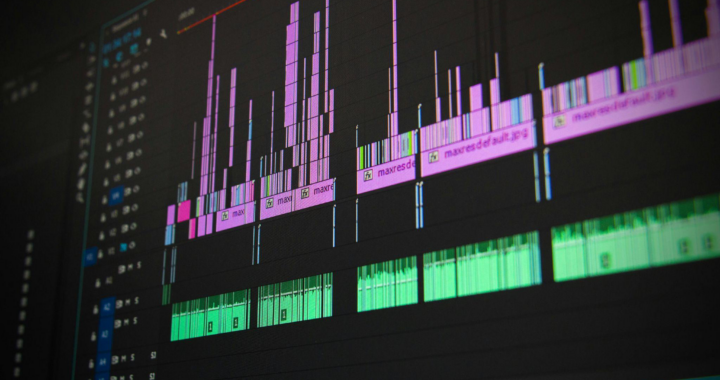
Laptop on a table

Forensics Beyond DNA: Why Digital Evidence Is the New Smoking Gun

In the modern era of crime-solving, DNA analysis is no longer the sole hero in uncovering the truth. Today, digital evidence is emerging as the new “smoking gun” in investigations—providing vital clues and undeniable proof in both civil and criminal cases. With technology embedded in nearly every aspect of our lives, digital footprints are now just as telling as biological ones.

The Rise of Digital Footprints in Investigations

Digital evidence includes any data stored or transmitted via electronic devices—emails, text messages, GPS logs, and social media activity are just the beginning. These traces can build timelines, verify alibis, and confirm the presence or absence of individuals at specific locations. As cybercrime rises and real-world crimes increasingly involve digital devices, traditional forensic methods alone are no longer enough.

Digital Video Forensics: Clarity Beyond the Lens

Surveillance footage and smartphone recordings can capture critical moments, but raw video often lacks clarity. Digital video forensics involves enhancing and authenticating this footage, making grainy images usable, and identifying tampering. Experts can determine the date, time, and authenticity of a video, transforming what was once vague visual data into irrefutable court evidence.

Forensic Image Analysis: Every Pixel Tells a Story

Like video forensics, forensic image analysis scrutinizes photographs to determine their origin and integrity. Specialists assess lighting, shadows, and metadata to detect manipulation or falsification. This process is instrumental in cases of identity theft, insurance fraud, and cyber harassment, where doctored images can mislead without expert examination.

Person touching a phone’s screen

Why Digital Evidence Is Crucial Today

With most interactions taking place online or via mobile devices, digital evidence offers a comprehensive look into behavior and intent. Unlike DNA, which ties someone to a location, digital evidence can reveal motivation, communication, and a person’s digital habits. When analyzed properly, it can corroborate testimonies or expose lies.

As crime evolves, so must the tools used to investigate it. Digital evidence, supported by technologies like digital video forensics and forensic image analysis, now stands at the forefront of modern forensics. Its growing role underscores the importance of staying ahead in both crime prevention and justice delivery.

At Eclipse Forensics, we specialize in uncovering the truth through cutting-edge digital evidence solutions. Whether you’re dealing with tampered footage, altered images, or complex data trails, our team of experts leverages advanced digital video forensics and precise forensic image analysis to deliver clear, court-admissible results. We work with attorneys, law enforcement, and private clients to ensure that every detail is examined and every fact is brought to light. If your case depends on what’s hidden in the digital realm, trust Eclipse Forensics to reveal it.

Contact us today for a consultation.

A gavel resting on a wooden block

Common Misconceptions About Digital Forensics in the Courtroom

Digital forensics plays a vital role in modern legal proceedings. From retrieving deleted messages to authenticating surveillance footage, it provides essential evidence in both criminal and civil cases. However, despite its importance, many misconceptions about digital forensics continue to circulate, particularly within courtroom contexts. These misunderstandings can affect jury perception, influence case outcomes, and even lead to misinterpretation of crucial evidence.

Misconception #1: Digital Evidence Can Never Be Altered

One widespread myth is that digital evidence is always reliable and immune to tampering. In reality, digital data can be manipulated. That’s why the process of forensic image analysis and digital video forensics includes verifying metadata, file integrity, and data chains to ensure authenticity. Courts rely on these detailed validation steps to confirm that the evidence has not been compromised.

Misconception #2: All Forensic Tools Deliver the Same Results

Another false belief is that all digital forensic tools work the same way or produce identical results. The truth is, different tools vary in their capabilities and accuracy. An expert using specialized software for forensic image analysis or digital video forensics may extract far more relevant information than someone using generic or outdated programs.

Misconception #3: Anyone Can Interpret Digital Forensics Data

Some believe that reading digital forensic reports requires little expertise. This is dangerous. The interpretation of digital evidence, such as image enhancements or video reconstructions, requires a trained professional to avoid misleading conclusions. In court, an unqualified opinion can easily distort the true meaning of the findings.

Misconception #4: Digital Forensics Always Provides a Clear Answer

Unlike in crime dramas, digital forensics doesn’t always deliver an instant “smoking gun.” Sometimes, the data is incomplete, corrupted, or inconclusive. It’s a science that involves probabilities and context, not absolute certainties. Courts must consider this nuance when evaluating evidence.

Screenshot, audio, and video file manipulation

Educating the Courtroom on Forensic Realities

Misconceptions about digital forensics continue to challenge legal proceedings. Understanding the intricacies of digital video forensics, forensic image analysis, and the broader digital evidence landscape is essential for judges, lawyers, and jurors. Only by recognizing the limits and strengths of digital forensics can justice be served effectively and accurately.

At Eclipse Forensics, we specialize in uncovering the truth through advanced forensic image analysis and digital video forensics. Our team is committed to dispelling the misconceptions about digital forensics by delivering accurate, defensible results that hold up in court. Whether you’re dealing with surveillance footage, mobile data, or complex file recovery, we provide expert insights that go beyond surface-level interpretations. Trust Eclipse Forensics to bring clarity to your digital evidence—because in the courtroom, precision matters.

Reach out today to consult with our forensic specialists.

Black and white shot of a child using a mobile phone

Unlocking the Truth: Legal Considerations in Cell Phone Searching

As smartphones become central to modern communication, they have also become key pieces of evidence in criminal and civil investigations. However, accessing and analyzing this data raises important legal questions. Understanding the legal considerations in cell phone searching is critical for law enforcement, legal professionals, and forensic analysts.

The Legal Framework for Cell Phone Searches

Under U.S. law, searching a person’s cell phone generally requires a warrant. The landmark Supreme Court case Riley v. California (2014) established that digital data on mobile phones is protected under the Fourth Amendment. This means authorities must show probable cause and obtain judicial approval before accessing personal data stored on these devices. Without a warrant, evidence gathered may be ruled inadmissible in court.

Exceptions to the Rule

Despite these protections, certain exceptions apply. If there is a risk of imminent danger, the destruction of evidence, or if the search is part of an arrest where the phone is already in possession, officers may argue for a warrantless search. However, such situations are rare and heavily scrutinized in court.

The Role of Cell Phone Forensic Services

Professionals offering cell phone forensic services play a vital role in the legal process. These experts are trained to extract, preserve, and analyze digital evidence without compromising its integrity. Their work must comply with both legal standards and best practices to ensure admissibility in court.

From call logs and text messages to app data and geolocation history, cell phone forensics uncovers crucial information. However, these specialists must navigate strict guidelines to avoid overstepping privacy boundaries.

Person holding a lit-up mobile phone in their hand

Forensic Image Analysis: A Closer Look

Forensic image analysis is another important component in cell phone investigations. Photos and videos can reveal timestamps, locations, and even tampering. Analysts examine metadata, pixel structures, and compression artifacts to verify authenticity. This scientific scrutiny is essential in validating visual evidence and ensuring it holds up in court.

Striking the Balance Between Justice and Privacy

Ultimately, the goal is to balance effective law enforcement with constitutional rights. Adhering to the legal considerations in cell phone searching helps protect civil liberties while allowing courts to rely on accurate, lawful evidence. As technology evolves, so too must our understanding of its legal implications.

Whether you’re an attorney, investigator, or concerned citizen, staying informed about cell phone forensics ensures that the pursuit of truth never comes at the cost of individual rights.

When legal outcomes hinge on digital evidence, trust Eclipse Forensics to provide expert cell phone forensic services backed by precision and integrity. We specialize in forensic image analysis and data recovery, ensuring that every piece of information we uncover is court-admissible and collected in full compliance with the legal considerations in cell phone searching. Our team stays updated on evolving digital laws and forensic techniques, giving you a strategic advantage in investigations. Whether you’re a legal professional, investigator, or law enforcement agency, Eclipse Forensics is your partner in turning complex digital evidence into reliable courtroom results.

Contact us today to unlock the truth legally and accurately.

A judge sitting in a formal suit at his table

Expert Testimony in Digital Cases: What Judges and Juries Need to Know

In today’s digitally driven world, the courtroom is no longer dominated by paper trails and eyewitness accounts alone. Increasingly, digital evidence—from surveillance footage to smartphone data—is being introduced in both civil and criminal proceedings. To ensure that this complex evidence is properly understood and fairly evaluated, expert testimony in digital cases has become an essential part of modern litigation. Judges and juries must be prepared to interpret findings presented by digital forensics specialists to make informed decisions.

The Evolving Role of Digital Forensics in Courtrooms

Digital forensics refers to the collection, analysis, and presentation of data from digital devices for legal purposes. It spans a broad spectrum of areas, including mobile device forensics, digital video forensics, and computer forensics. As the scope of data creation expands—think texts, call logs, GPS tracking, emails, social media posts, and video recordings—so too does the need for expert interpretation.

Expert testimony in digital cases ensures that this highly technical evidence is explained in layman’s terms, enabling judges and juries to grasp its relevance and reliability. For instance, raw GPS data from a mobile phone means little without an expert explaining its collection process, accuracy margins, and potential manipulation.

Why Expert Witness Testimony Matters

Expert witness testimony in digital cases is vital for several reasons:

  1. Technical Translation: Experts bridge the knowledge gap between complex digital systems and the non-specialist audience in the courtroom.
  2. Validation: They authenticate digital evidence, confirming it hasn’t been tampered with.
  3. Contextual Understanding: Experts can explain the “how” and “why” behind digital evidence—why a certain file matters, or how deleted messages were recovered.

Their role is not to argue for guilt or innocence but to provide factual, unbiased analysis rooted in their field of expertise.

Screenshot of an audio and video file manipulation

Understanding Digital Video Forensics

Digital video forensics is one of the most common and impactful domains of digital evidence. Video surveillance from public areas, private establishments, or even smartphones can be pivotal in court cases. However, video evidence can be misleading if not properly analyzed. Factors like resolution, frame rates, compression, and time-stamping can affect a video’s integrity.

Expert testimony in such cases explains whether the footage is authentic, if it has been edited or altered, and whether the content it shows is a fair representation of events. For example, an expert might testify about how facial recognition was used to identify a subject or clarify whether a time gap exists due to a camera malfunction.

Mobile Device Forensics: Beyond Call Logs

Mobile device forensics goes far beyond recovering call logs or text messages. Today’s smartphones are digital goldmines containing app usage data, search histories, photo metadata, geolocation tracking, and even biometric information. All this data can support or challenge narratives presented in court.

Experts in mobile device forensics must establish a clear chain of custody and proper acquisition techniques, often using specialized tools to extract information without altering the original data. Judges and juries need to understand how the data was collected, what it indicates, and how trustworthy it is.

For example, if a defendant is accused of being at a crime scene, geolocation data from a smartphone can either corroborate or dispute this claim. But without expert interpretation, such data might be misread or discredited due to misunderstandings.

Ensuring Admissibility and Reliability

One of the key responsibilities of a judge is to determine whether expert testimony is admissible under legal standards such as the Daubert or Frye tests. These standards assess whether the testimony is based on scientifically valid reasoning and whether the methodology used is widely accepted within the field.

For expert testimony in digital cases to be admissible:

  • The tools and methods must be validated.
  • The expert must demonstrate proper credentials and relevant experience.
  • The process of data acquisition and analysis must be transparent and reproducible.

For example, if an expert presents findings from a mobile device, they must explain the extraction tools used, show that those tools are accepted in the digital forensics community, and confirm that the data hasn’t been corrupted or altered during analysis.

A legal person sitting stressed at a table

Educating Juries: The Need for Clarity

Jurors are not digital forensic analysts. Therefore, it is the responsibility of both attorneys and expert witnesses to ensure that technical testimony is communicated in an understandable way. This may involve:

  • Breaking down terminology: Explaining terms like metadata, hash values, or bitstreams in plain language.
  • Using visual aids: Charts, diagrams, and step-by-step animations can help jurors visualize data flows or device interactions.
  • Providing context: Explaining why a particular piece of digital evidence is significant within the broader narrative of the case.

The credibility of expert testimony is often tied not just to the expert’s credentials, but also to how clearly and confidently they can communicate their findings.

Pitfalls to Watch Out For

While expert testimony in digital cases is invaluable, it is not immune to challenges:

  • Bias: An expert seen as favoring the side that hired them may lose credibility with the jury.
  • Overstatement: Experts must avoid suggesting conclusions beyond what the data supports.
  • Technical Jargon: Excessive reliance on complex language can alienate jurors and weaken the impact of the testimony.

Judges must ensure that expert testimony adheres to ethical and procedural standards, and juries must remain alert to the line between interpretation and opinion.

Close-up shot of a person holding a cell phone

At Eclipse Forensics, we specialize in delivering clear, credible, and court-admissible expert witness testimony across a range of digital disciplines. Whether your case involves digital video forensics, mobile device forensics, or complex data analysis, our team provides unbiased, scientifically validated insights that help judges and juries make informed decisions. With years of experience supporting both defense and prosecution, we ensure your digital evidence is accurately interpreted and professionally presented. When the outcome depends on what the data truly says, trust Eclipse Forensics—your partner in expert testimony in digital cases. Contact us today to learn how our specialists can support your legal strategy.

Person holding a lit-up mobile phone in their hand

How Audio Authentication Can Make or Break a Legal Case

In an era where nearly everyone carries a recording device in their pocket, audio evidence is becoming more prominent in courtrooms. Whether it’s a voice message, a recorded phone call, or background audio captured in a video, such recordings can influence the outcome of a legal case. But how reliable is this type of evidence? That’s where audio authentication in legal cases plays a critical role. When properly analyzed and verified, audio can be a powerful tool. When not, it can undermine the integrity of a case.

The Importance of Audio Evidence

Audio evidence often provides a direct window into an event. It can offer insight into conversations, threats, agreements, or actions that are otherwise difficult to prove. But courts require this evidence to meet rigorous standards. If a recording is challenged, the court must determine whether it has been edited, manipulated, or misrepresented. This is where audio authentication becomes essential.

Defining Audio Authentication

Audio authentication is the scientific process of verifying that a recording is genuine and untampered. Specialists evaluate whether the audio was recorded on the device claimed, whether it has been edited, and whether it maintains a consistent waveform and metadata structure. This process ensures that the evidence is admissible and trustworthy.

In audio authentication in legal cases, experts analyze various aspects of a recording, such as background noise, audio compression artifacts, time stamps, and file metadata. They may use software tools to detect anomalies or alterations and establish the chain of custody to confirm the recording’s legitimacy.

The Role of Digital Video Forensics

Often, audio comes as part of a video file, which brings digital video forensics into play. This branch of forensic science focuses on the analysis and verification of video content, including embedded audio. Digital video forensics professionals look for inconsistencies in audio-visual synchronization, signs of tampering, and file structure integrity.

When audio and video work together, a forensic analysis of both is essential. Any mismatches or signs of manipulation—such as audio not aligning with lip movement or background sounds not matching the visual environment—can raise red flags. In legal cases, this could be the difference between a key piece of evidence being accepted or thrown out.

An inmate’s hands hanging outside their cell

When Audio Backfires: A Case for Authenticity

Improper or unverified audio evidence can have devastating consequences in court. If one party claims the recording is manipulated, and there is no expert analysis to prove otherwise, the evidence may be deemed inadmissible. Worse, it could discredit the party that submitted it.

For example, in a criminal trial, a voice recording claiming to capture a confession could be crucial. But if the defendant argues it was spliced together from different conversations or taken out of context, only a thorough audio authentication process can validate its credibility. If authentication fails, the entire case might collapse.

Expert Witness Testimony: The Human Element

Technology alone isn’t enough. Courts require more than a software report; they need a qualified professional to interpret the data and explain its significance. That’s where expert witness testimony becomes invaluable.

An audio forensics expert can provide sworn testimony to explain how they authenticated the recording, what methods were used, and how they ruled out possible alterations. Their testimony can solidify the evidence in the eyes of the judge and jury.

These experts often come from backgrounds in audio engineering, linguistics, or forensic science. Their credibility and clear communication are key, especially in high-stakes cases involving fraud, harassment, or criminal activity.

Mobile Device Forensics and Audio Sources

Most modern audio recordings are captured via smartphones, which introduces another layer of complexity. Mobile device forensics involves extracting and analyzing data from cell phones, including deleted files, metadata, and application logs. This process can verify whether an audio file was actually created on a specific device and if it has been transferred, edited, or shared.

In legal cases, mobile device forensics can validate the origin of an audio file and reveal if it was recorded using native apps, third-party recorders, or external mics. The forensic examiner can also uncover hidden or deleted audio that may not have been voluntarily submitted in court.

Combining mobile device forensics with audio authentication provides a full-spectrum analysis, helping legal teams build a stronger case.

Challenges in Audio Authentication

While audio authentication offers powerful insights, it is not without its challenges. Background noise, poor recording quality, or compressed formats can obscure critical forensic markers. Similarly, sophisticated editing tools are becoming more accessible, making manipulation harder to detect.

A young boy using a cell phone on a sofa

Moreover, the legal landscape surrounding audio recordings varies by jurisdiction. In some states, recording without consent is illegal and inadmissible. In others, it may be accepted if one party to the conversation is aware. These nuances make expert consultation critical from the start of any case involving audio.

Real-World Applications of Audio Authentication

Audio authentication has played a pivotal role in numerous high-profile cases. From corporate fraud to criminal trials and civil litigation, the demand for verified recordings is growing. For example, whistleblower cases often hinge on recorded conversations with employers, while family law disputes may involve voicemail messages used as evidence of abuse or threats.

In such scenarios, verified audio can make or break a case. A properly authenticated recording can lend credibility to a claim or expose deceit. On the flip side, if the opposing side proves that the audio is altered or lacks a proper chain of custody, the case can fall apart.

The Future of Audio Forensics in the Legal System

As artificial intelligence and deepfake technology evolve, the line between real and fake becomes blurrier. This heightens the importance of robust audio authentication in legal cases. Legal professionals, judges, and juries must rely on forensic science to cut through digital deception.

We are also seeing the rise of proactive authentication tools embedded into recording devices. These tools generate cryptographic hashes or watermarks that help prove authenticity from the moment of recording.

A person wearing handcuffs

Going forward, collaborations between legal professionals and forensic experts will become even more essential. Training, guidelines, and continuing education in digital video forensics, mobile device forensics, and expert witness testimony will be vital in maintaining the integrity of audio evidence.

At Eclipse Forensics, we specialize in uncovering the truth behind every sound and frame. Whether you’re handling a high-stakes criminal case or a sensitive civil matter, our services in audio authentication in legal cases, digital video forensics, and mobile device forensics provide the clarity and credibility your case demands. Our certified analysts offer in-depth examinations of recordings, identifying tampering, confirming authenticity, and delivering compelling expert witness testimony in FL that holds up in court. Don’t let questionable evidence jeopardize your case—trust Eclipse Forensics to validate the facts and support your pursuit of justice with scientific precision.

Facebook and other apps on a phone

The Role of a Digital Forensic Consultant in Modern Criminal Investigations

In today’s data-driven world, where digital interactions often leave a trail of evidence, the role of a digital forensic consultant has become indispensable in modern criminal investigations. As cybercrime increases and electronic devices become more integrated into daily life, law enforcement and legal teams rely heavily on forensic experts to uncover, interpret, and present digital evidence. From examining smartphones to authenticating surveillance footage, digital forensic consultants bridge the gap between technology and justice.


Understanding Digital Forensics

Digital forensics involves the collection, preservation, analysis, and presentation of electronic data for use in legal proceedings. A digital forensic consultant is a specialist trained to uncover and interpret data from digital devices while maintaining the integrity of the information. Their work covers a wide array of digital sources, including hard drives, mobile devices, cloud platforms, surveillance systems, and more.

The consultant’s responsibilities range from securing digital crime scenes to testifying in court as an expert witness. Their analysis often provides pivotal evidence that can make or break a case.

Key Roles and Responsibilities

1. Data Acquisition and Preservation

The first step in any digital forensic investigation is securing and preserving the data. Digital forensic consultants must ensure that digital evidence is collected using industry-approved methods to prevent data alteration or loss. Whether retrieving deleted files or imaging entire systems, the process must be meticulous and well-documented to stand up in court.

2. In-Depth Data Analysis

Once the data is secured, the consultant performs a detailed analysis to identify relevant information. This could involve recovering encrypted communications, locating GPS data, tracing internet activity, or detecting signs of tampering. The goal is to uncover digital footprints that connect suspects to crimes or exonerate the innocent.

A gavel resting on a wooden block

3. Digital Video Forensics

Digital video forensics is a specialized area where consultants examine surveillance footage, dashcams, or video recordings from smartphones. They analyze frame rates, timestamps, metadata, and compression artifacts to verify authenticity and clarity. Enhancing poor-quality footage or identifying manipulation can be vital in modern criminal investigations, especially in cases involving violence, theft, or misconduct.

Video analysis not only helps identify suspects but also establishes timelines and clarifies events that may have otherwise remained ambiguous.

4. Mobile Device Forensics

With smartphones serving as portable computers, mobile device forensics plays a crucial role in digital investigations. Digital forensic consultants use advanced tools to extract and analyze data from mobile devices, including text messages, call logs, app data, photos, social media activity, and even location history.

In criminal cases, mobile forensics can uncover motives, alibis, or associations with other suspects. Consultants must also stay ahead of constantly evolving encryption technologies and operating systems to access critical data securely and legally.

5. Expert Witness Testimony

After gathering and interpreting digital evidence, forensic consultants often present their findings in court. Their ability to translate complex technical data into clear, objective testimony is essential for judges and juries to understand its relevance.

Expert witness testimony is not just about explaining how evidence was obtained; it also involves defending the methodology used and confirming the validity of the results under cross-examination. A credible digital forensic consultant must possess both technical expertise and strong communication skills to be effective in this role.

The Value of a Digital Forensic Consultant in Law Enforcement

Law enforcement agencies depend on digital forensic consultants to expand their investigative capabilities. These experts help identify suspects, verify claims, and build robust cases supported by indisputable digital evidence.

By working alongside detectives, cybercrime units, and legal teams, consultants bring objectivity and precision to investigations. Their findings can corroborate witness accounts, challenge false narratives, or expose hidden links between criminal actors.

Person touching a phone’s screen

Application in Various Criminal Cases

Digital forensic consultants play a role in a wide variety of criminal investigations, including:

  • Cybercrime: From ransomware to phishing attacks, digital forensic consultants identify perpetrators and trace transactions.
  • Homicide and Assault: Mobile and video forensics help establish timelines and locate suspects.
  • White-Collar Crime: Email records, financial data, and transaction histories are analyzed for evidence of fraud or embezzlement.
  • Sexual Offenses: Chats, social media activity, and digital media are examined for evidence of exploitation or coercion.
  • Terrorism and Organized Crime: Consultants map communication networks and data transfers that help dismantle criminal organizations.

Maintaining Chain of Custody and Legal Compliance

A key aspect of digital forensics is ensuring that all evidence is handled according to strict protocols. Any lapse in the chain of custody can render evidence inadmissible in court. Digital forensic consultants must maintain detailed logs, follow legal guidelines, and ensure the confidentiality and integrity of the data throughout the investigation.

In addition, they must comply with jurisdictional laws concerning digital privacy, data protection, and lawful access. A consultant’s knowledge of both technical procedures and legal frameworks is vital for conducting sound investigations.

Staying Ahead with Technology

Technology is constantly evolving, and so are the techniques used in digital forensics. Consultants must regularly update their skills and tools to deal with new challenges such as cloud computing, encrypted messaging platforms, and decentralized data storage. Emerging fields like AI-driven video forensics and blockchain analysis are becoming part of the digital forensic landscape.

Man wearing orange suit behind bars

Ongoing training, certifications, and participation in professional networks help consultants remain effective and credible in their roles.

The rise of digital evidence has revolutionized how modern criminal investigations are conducted. A digital forensic consultant plays a pivotal role in bridging the gap between technology and justice. By extracting truth from bytes and bits, they help uncover critical evidence that supports fair trials and informed verdicts.

At Eclipse Forensics, we specialize in uncovering the digital truth that drives justice forward. Whether you’re dealing with complex modern criminal investigations, need in-depth mobile device forensics, or require expert digital video forensics to clarify visual evidence, our team delivers accurate and defensible results. We also provide reliable expert witness testimony in FL that translates technical findings into clear, courtroom-ready insight. Trust Eclipse Forensics to turn data into decisive evidence—when every detail matters, we’re the digital experts you need on your side. Contact us today to learn how we can support your investigation with precision and professionalism.