
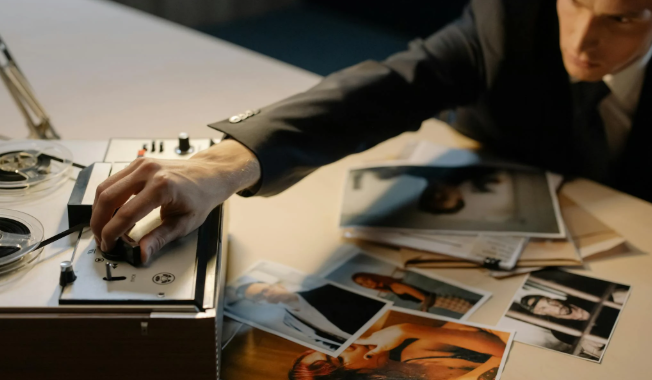
Audio recordings often play a critical role in legal investigations, providing key evidence that can clarify timelines, conversations, and intent. However, raw recordings are rarely perfect. Background noise, distortion, low volume, and environmental interference can obscure essential details. This is where forensic audio techniques become essential. By applying advanced tools and scientific methods, specialists can transform unclear recordings into usable evidence for court proceedings. These enhancements must meet strict legal standards to ensure admissibility and accuracy, making the role of audio experts highly specialized and crucial.
Understanding the Role of Forensic Audio Analysis
Forensic audio analysis focuses on examining, clarifying, and interpreting sound recordings for legal purposes. A forensic audio specialist applies both technical expertise and legal knowledge to ensure that any processed audio maintains its integrity and evidentiary value. The process involves identifying distortions, isolating voices, and verifying authenticity without altering the original meaning of the recording.
These specialists often work alongside legal teams, law enforcement, and other forensic professionals. Their findings can influence court outcomes by providing clearer interpretations of conversations or confirming whether audio has been tampered with. In many cases, their testimony becomes a vital component of litigation or criminal trials.
Common Challenges in Audio Evidence
Audio evidence presents multiple challenges that require expert intervention. Recordings captured on mobile devices, surveillance systems or hidden microphones often contain overlapping sounds, background noise or signal interference. These issues can make it difficult to distinguish speakers or understand the context of conversations.
Advanced audio forensic services FL address these challenges by applying filtering techniques, noise reduction algorithms, and spectral analysis. Specialists must ensure that enhancements do not introduce bias or distort the original recording. Maintaining the balance between clarity and authenticity is critical to preserving the evidentiary value of the audio.
Additionally, legal professionals rely on audio experts to provide detailed documentation of every enhancement step, ensuring transparency and compliance with courtroom standards.
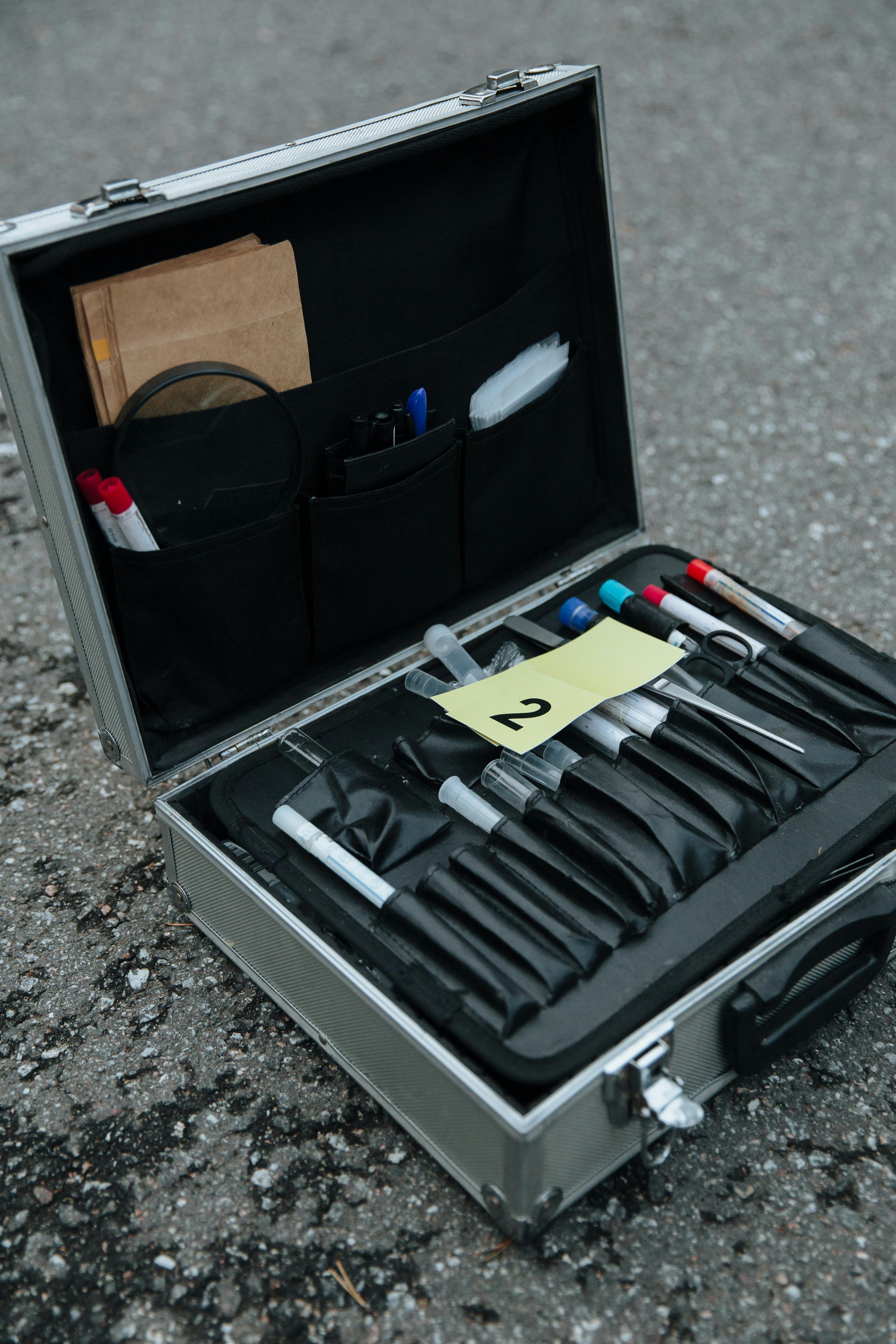
Techniques Used to Enhance Audio Recordings
Enhancing audio recordings involves a combination of scientific methods and specialized software tools. One widely used technique is noise reduction, which removes unwanted background sounds while preserving speech clarity. Equalization is another method that adjusts frequency levels to make voices more distinguishable.
Audio forensic services FL may also use time-frequency analysis to isolate specific sounds within a recording. This allows experts to separate overlapping voices or identify subtle background details that could be relevant to the case.
Other techniques include amplification of low-volume segments, removal of hums or clicks, and reconstruction of partially inaudible speech. Each method is applied carefully to ensure that the final output remains accurate and legally admissible.
Authentication and Integrity of Audio Evidence
Beyond enhancement, verifying the authenticity of audio recordings is a critical aspect of forensic analysis. Courts require proof that a recording has not been altered, manipulated, or fabricated. This is where forensic experts play a key role in analyzing metadata, waveform patterns, and recording inconsistencies.
A digital forensic consultant may collaborate with audio specialists to validate the origin and integrity of the recording. This process ensures that the evidence can withstand legal scrutiny and be presented confidently in court.
Authentication often involves comparing the recording with known samples, checking for edits or interruptions, and confirming the recording device’s characteristics. This meticulous approach helps establish trust in the evidence and supports fair legal proceedings.

Integration with Video and Digital Evidence
In many investigations, audio evidence does not exist in isolation. It is often paired with video recordings, digital files, or communication data. Integrating these elements provides a more comprehensive understanding of events.
Professionals working in digital video forensics and audio analysis collaborate to synchronize sound with visual footage. This process can reveal inconsistencies, confirm timelines, or enhance the overall clarity of evidence presented in court.
Additionally, experts involved in video authentication forensics ensure that both audio and video components are genuine and unaltered. This multidisciplinary approach strengthens the reliability of digital evidence and provides a more complete picture for legal professionals.
The Role of Technology in Forensic Audio Advancements
Technological advancements have significantly improved the capabilities of forensic audio analysis. Modern software tools allow specialists to process recordings with greater precision and efficiency. Machine learning algorithms, for example, can assist in identifying speech patterns and filtering noise more effectively.
A cyber forensic expert may utilize advanced digital tools to analyze large volumes of audio data, especially in complex cases involving multiple recordings. These technologies enable faster processing while maintaining high standards of accuracy.
Furthermore, innovations in audio visualization, such as spectrogram analysis, provide detailed insights into sound frequencies and patterns. These tools help experts identify anomalies and support their findings with visual evidence that can be presented in court.
Legal Standards and Admissibility of Enhanced Audio
Forensic audio work must adhere to strict legal standards to ensure admissibility in court. Any enhancement performed on a recording must be documented thoroughly, including the methods used and the reasoning behind them. Transparency is essential to demonstrate that the process did not alter the original meaning of the audio.
A forensic video analysis expert or audio specialist may be required to testify in court, explaining their methodology and findings. Their role is to provide objective, scientifically supported evidence that assists judges and juries in understanding complex audio data.
Courts also evaluate whether the enhancement process follows accepted forensic practices. This includes maintaining the original recording, using validated tools, and ensuring that all procedures are repeatable and verifiable.
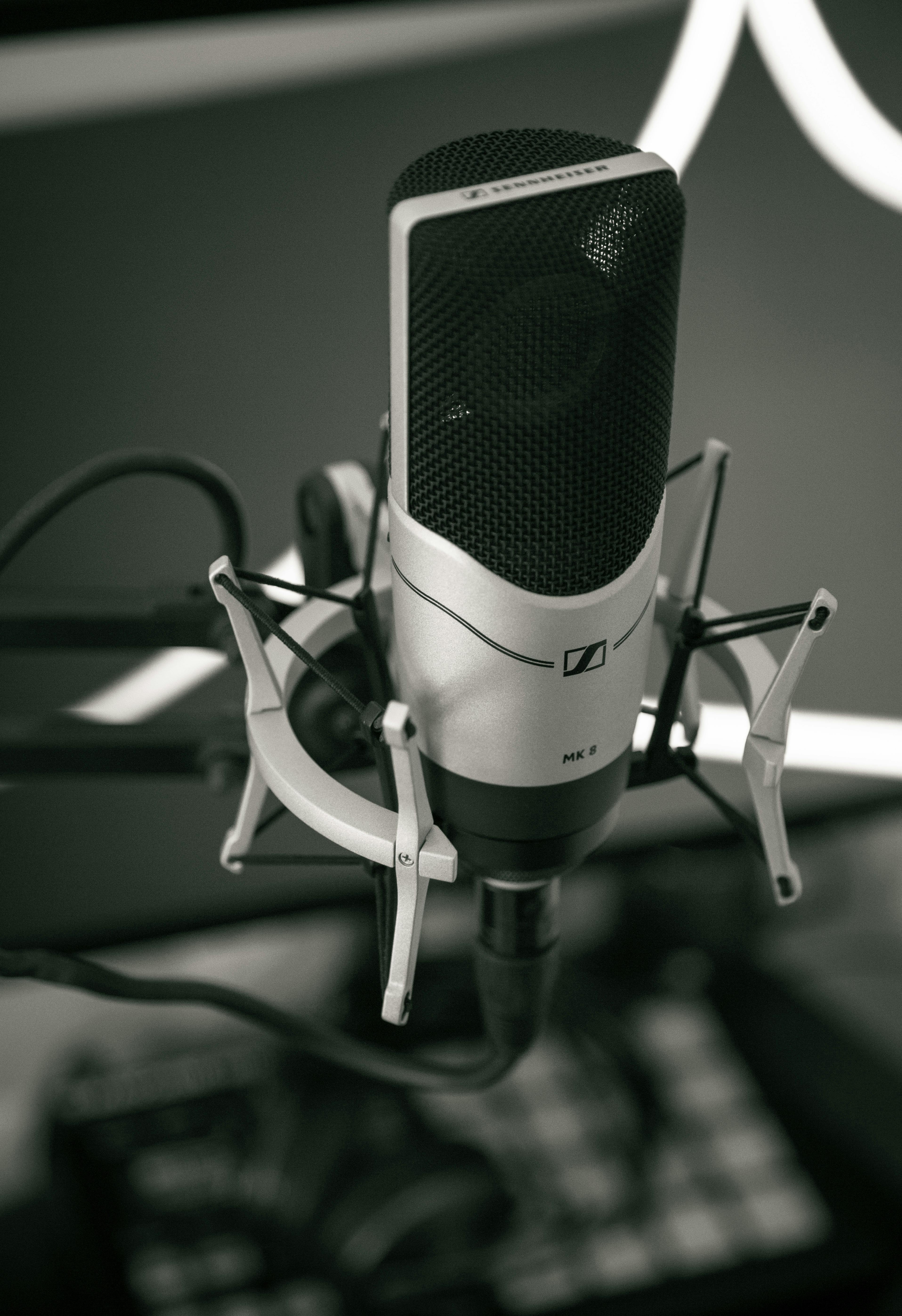
Collaboration Across Forensic Disciplines
Forensic audio analysis often intersects with other areas of digital forensics. Investigations may involve mobile devices, computers, or surveillance systems, requiring a collaborative approach among specialists.
Experts in mobile device forensics frequently work alongside audio professionals to extract and analyze recordings from various sources. This collaboration ensures that all digital evidence is examined comprehensively and consistently.
In cases involving complex data sets, a data forensic expert may assist in organizing and interpreting information while a computer forensic analyst ensures the integrity of digital evidence. This multidisciplinary teamwork enhances the overall effectiveness of forensic investigations and supports accurate legal outcomes.
Importance of Chain of Custody in Audio Evidence
Maintaining a secure and well-documented chain of custody is essential when handling audio recordings for legal use. This process ensures that the evidence remains untampered from the moment it is collected to its presentation in court. A forensic audio specialist carefully logs every transfer, access point, and modification step to preserve the recording’s authenticity and credibility. Any gaps in documentation can raise doubts about the integrity of the evidence, potentially impacting its admissibility.
In many investigations, audio files are extracted from devices such as smartphones or computers. This is where expertise in cell phone forensic services becomes valuable, as specialists ensure that the extraction process is conducted in a forensically sound manner. Proper handling and documentation strengthen the reliability of audio evidence and support its acceptance in legal proceedings.
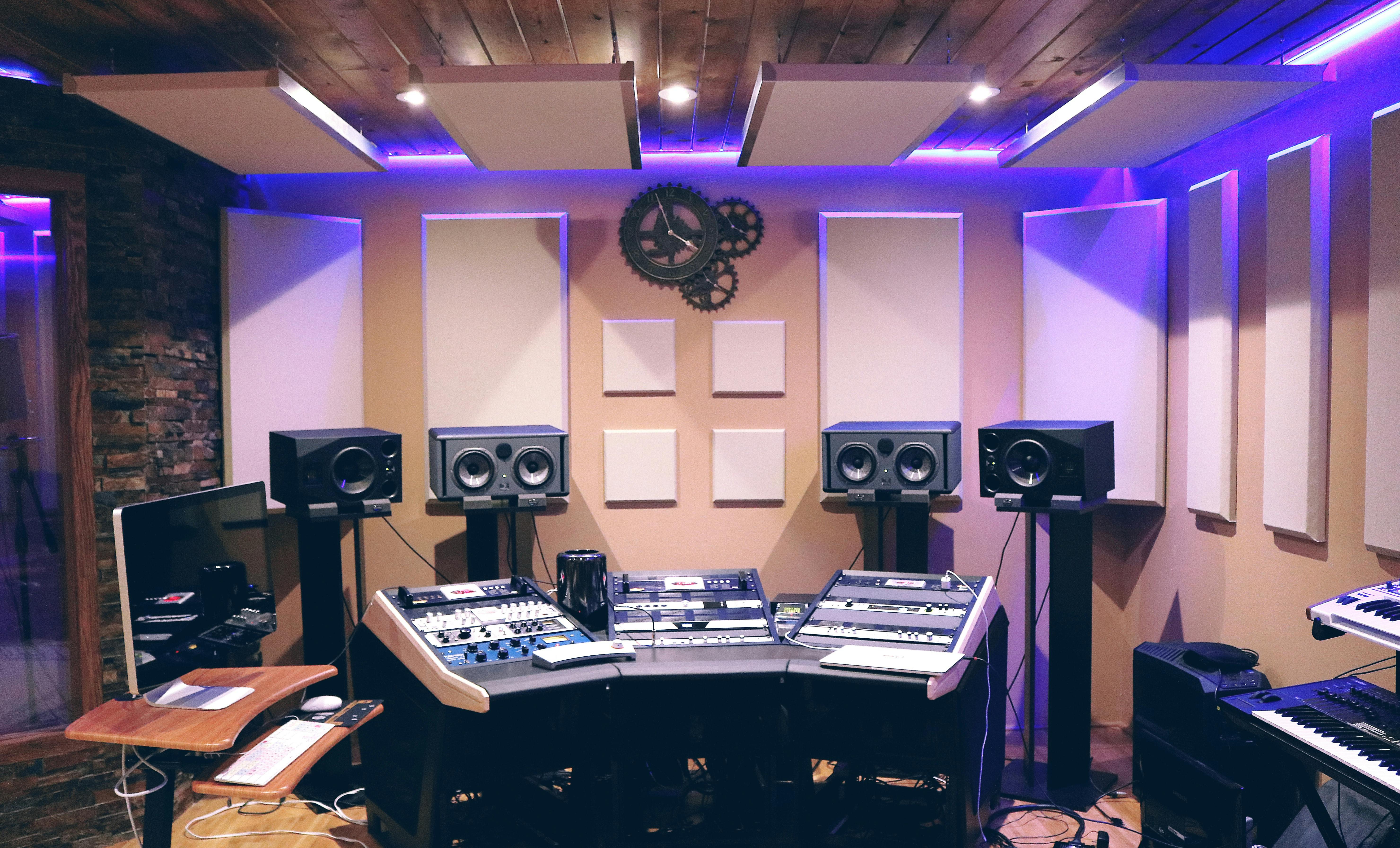
Voice Identification and Speaker Analysis
Voice identification is a critical component of forensic audio analysis, particularly in cases involving disputed or unknown speakers. Experts use advanced techniques to analyze vocal characteristics such as pitch, tone, and speech patterns. A forensic video analysis expert may collaborate with audio professionals when recordings are part of multimedia evidence, ensuring consistency across audio and visual elements.
Additionally, specialists involved in digital forensic services apply comparative analysis to match voices with known samples. This process must be conducted with precision and supported by scientific methodologies to ensure accuracy. Reliable speaker identification can provide crucial insights in legal cases, helping to establish identity, intent, and context within recorded conversations.
Get Expert Audio Evidence Support with Eclipse Forensics
At Eclipse Forensics, we deliver precise and court-admissible solutions helping legal professionals and investigators turn unclear recordings into reliable evidence. We understand that cases often involve complex digital elements such as cell phone forensics in Florida and integrated media requiring expertise in forensic video services. Our team includes a highly skilled forensic audio specialist ensuring every aspect of your case is handled with accuracy and care. By combining advanced tools with proven methodologies, we enhance audio clarity while preserving authenticity, supported by detailed reporting and expert testimony when required. To discuss your specific needs and explore how we can help, reach out and connect with Eclipse Forensics today and take the next step toward clear, credible, and legally sound evidence.