
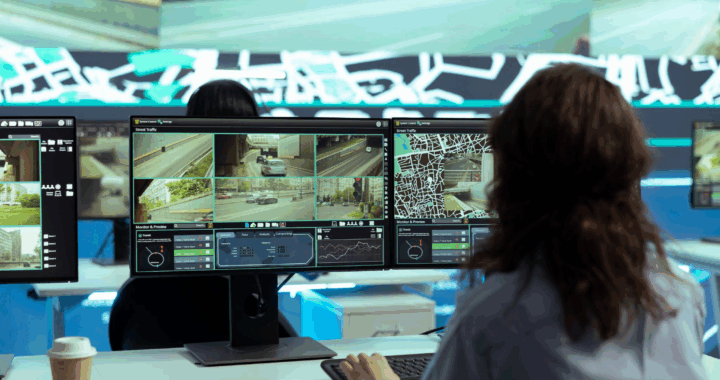
In today’s digital world, simply handing over raw files of videos, audio recordings, or digital documents can expose personal data, trade secrets, or sensitive identities. Forensic redaction services aren’t just about blackout bars; they’re a precise, context-preserving art. Skilled forensic specialists must strike a delicate balance: conceal what must remain private, yet preserve the story’s integrity.
This balance defines the true art of redaction; a process that demands technical expertise, ethical awareness, and forensic precision. Let’s explore how professionals use advanced tools and methodologies to safeguard confidentiality while maintaining transparency across audio, video, and digital evidence.
Why Redaction Matters in Forensic Contexts
When legal, regulatory, or public disclosures demand transparency, organizations must still comply with privacy laws (GDPR, HIPAA, etc.). In forensic handling, redaction is essential to:
- Protect personal identifiers such as names, addresses, financial or health data.
- Safeguard privileged or sensitive corporate data.
- Ensure released versions of multimedia or documents are still coherent and trustworthy.
- Maintain admissibility and defensibility in court or regulatory scrutiny.
Because forensic reports may be shared with opposing parties or publicly, redaction must be methodical, auditable, and irreversible regarding sensitive content.
Techniques & Principles in Redaction
- Selective Masking & Obfuscation
For video and image files, common redaction methods include blurring, pixelation, black boxes, or masking moving objects. The goal is to obscure identity without destroying the context, e.g., showing where a person stood but not revealing their face.
In the audio realm, redaction often involves replacing segments with a tone or inserting silence. Experts caution against using silence alone (as it can be mistaken for normal pauses). A consistent redaction tone is preferred to maintain clarity.
- Metadata & Hidden Layers
Sensitive data often hides deeper than visible content. Documents, digital images, videos, and audio files carry metadata or embedded fields (camera serials, GPS tags, author names, timestamps). Effective redaction also requires stripping or masking these fields so they cannot be restored by future users.
In large digital collections (e.g., disk images or born-digital archives), automated classification tools help flag what requires redaction vs what can remain intact.
- Transcripts, Synchronization & Consistency
In multimedia files (audio + video), redactions must remain synchronized: when video is masked or blurred, the corresponding audio must reflect the same redacted interval. Otherwise, cues can betray what was removed.
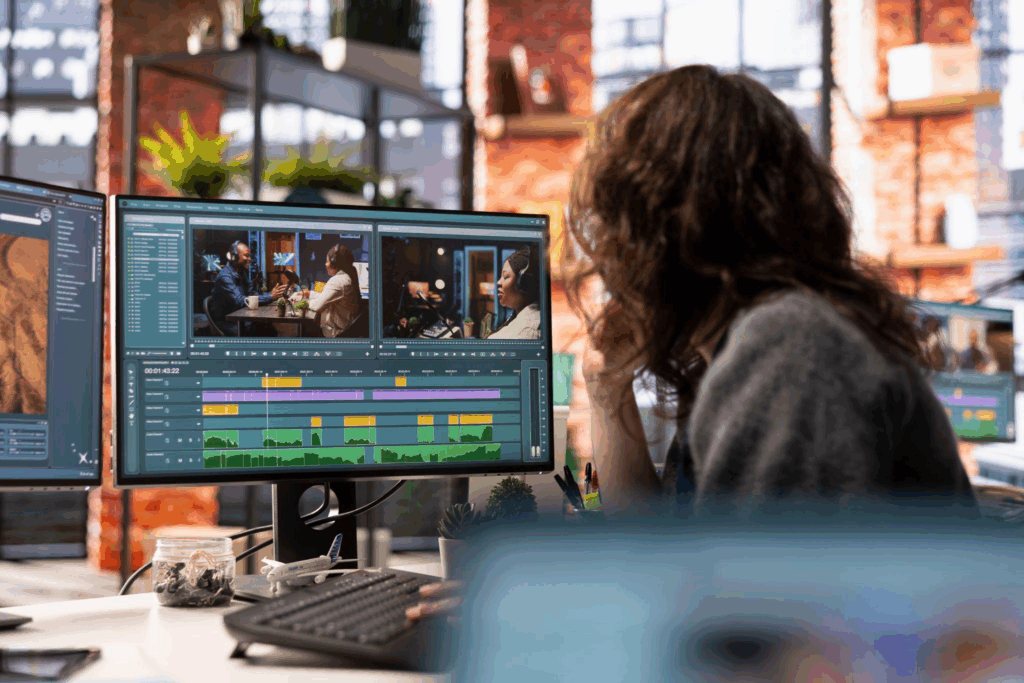
At the end of the day, redaction is not about hiding facts; it’s about protecting what matters most while preserving the narrative; the techniques discussed form the foundation of defensible redacted evidence.
When you need a partner to perform these tasks precisely, a capable forensic redaction team plays a vital role. Based in Florida, Eclipse Forensics offers court-grade redaction as part of its array of forensic services.
Our certified team provides audio enhancement, video authentication, and redaction services designed for jury presentation and legal scrutiny. Drawing from decades of experience, we also deliver audio and video forensic services, mobile device forensics, and forensic cell phone data recovery; all under structured protocols.
If your case requires sanitized, context-preserving disclosures, reach out for specialized redaction support. Contact us today to ensure your evidence is both transparent and confidential.