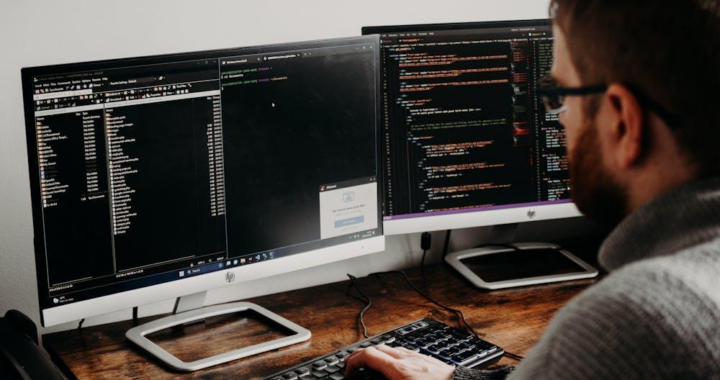
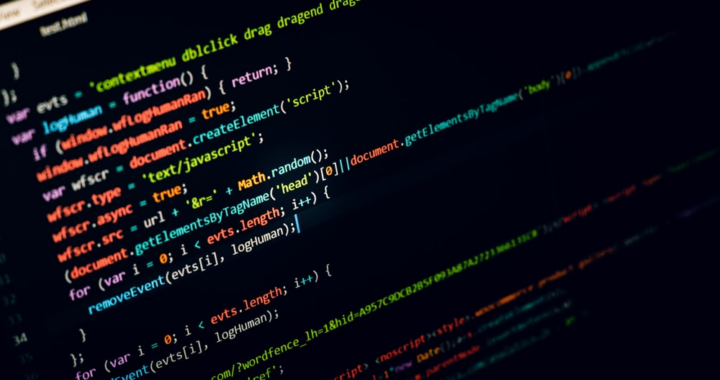
Digital forensic services using code to catch a cybercriminal

The Future of Digital Forensics: Emerging Trends and Technologies

In an increasingly digitalized world, digital forensics is pivotal in uncovering and analyzing evidence stored in electronic formats. The field continues to evolve as cybercrimes become more sophisticated, and emerging technologies drive both challenges and opportunities. This blog explores the latest trends and technologies shaping the future of digital forensics.

Understanding Digital Forensics and Its Importance

Digital forensics involves identifying, preserving, analyzing, and presenting digital evidence for use in legal proceedings. From email trails and hard drives to video evidence, digital forensic services play a critical role in solving cyber crimes and supporting legal cases.

The rise of internet-based crimes has heightened the demand for computer forensics consultants who specialize in extracting and analyzing data. Additionally, forensic video analysis is becoming crucial for validating video evidence in cases ranging from corporate espionage to criminal investigations.

Trend #1: AI and Machine Learning in Digital Forensics

Artificial intelligence (AI) and machine learning (ML) are revolutionizing digital forensics by enhancing the speed and accuracy of data analysis. These technologies can automate repetitive tasks, identify patterns in large datasets, and predict potential sources of evidence.

Woman intently working on her laptop

Applications of AI and ML in Digital Forensics:

  1. Automated Evidence Sorting:AI-powered tools can categorize and prioritize digital evidence, saving time for forensic analysts.
  2. Facial Recognition in Video Analysis: Forensic video analysis benefits from ML algorithms capable of identifying individuals in low-quality or altered footage.
  3. Anomaly Detection:AI algorithms can detect irregularities in data that might indicate tampering or hacking.

Trend #2: Cloud Forensics

As organizations increasingly store data in the cloud, digital forensics has expanded to address the complexities of cloud environments. Cloud forensics focuses on gathering, analyzing, and preserving evidence stored on remote servers.

Challenges in Cloud Forensics:

  • Jurisdictional Issues:Cloud servers often operate in multiple countries, raising legal and regulatory challenges.
  • Data Volume:The immense amount of data stored in the cloud requires advanced tools for efficient analysis.
  • Encryption:Strong encryption mechanisms can hinder access to critical evidence.

Despite these challenges, forensic specialists are developing innovative techniques to extract metadata, logs, and other essential information from cloud platforms.

Trend #3: IoT Forensics

The Internet of Things (IoT) has introduced a new dimension to digital forensics. IoT devices, such as smart home systems, wearable gadgets, and connected cars, generate vast amounts of data that can serve as evidence.

Key Considerations for IoT Forensics:

  1. Data Fragmentation:Evidence may be spread across multiple devices and platforms.
  2. Device Compatibility:Extracting data requires compatibility with diverse IoT devices and proprietary systems.
  3. Privacy Concerns:Collecting data from personal IoT devices raises ethical and legal questions.

IoT forensics provides valuable insights into user behavior, geolocation, and device interactions, making it an essential tool for investigators.

Trend #4: Blockchain Technology

Blockchain, initially developed for cryptocurrencies, is now finding applications in digital forensics. Its decentralized and tamper-proof nature makes it a valuable resource for ensuring the integrity of evidence.

Applications of Blockchain in Digital Forensics:

  • Evidence Preservation:Blockchain can create immutable logs of digital evidence, ensuring its authenticity.
  • Chain of Custody:By recording every interaction with evidence, blockchain technology helps maintain a transparent chain of custody.
  • Incident Reporting:Blockchain-based systems enable secure and verifiable reporting of cyber incidents.

Man analyzing a video

Trend #5: Advancements in Forensic Video Analysis

Forensic video analysis is experiencing rapid advancements, driven by innovations in AI and high-resolution imaging. This subfield involves enhancing, authenticating, and interpreting video evidence to support investigations.

Emerging Technologies in Forensic Video Analysis:

  1. Deepfake Detection:Tools capable of identifying manipulated videos are becoming increasingly critical.
  2. 3D Reconstruction:Advanced imaging technologies can recreate crime scenes from video evidence.
  3. Real-Time Analysis:AI algorithms enable real-time analysis of surveillance footage to identify threats or suspicious activities.

These technologies enhance the credibility of video evidence in courtrooms and improve the efficiency of investigations.

Trend #6: Quantum Computing and Its Implications

Quantum computing is set to disrupt digital forensics by offering unprecedented computational power. While this technology holds promise, it also poses challenges to current forensic methods.

Impact of Quantum Computing on Digital Forensics:

  • Breaking Encryption:Quantum computers could potentially break encryption algorithms, compromising digital evidence.
  • Enhanced Data Processing:Forensic analysts can process large datasets faster and with greater accuracy.
  • New Security Measures:The development of quantum-resistant encryption protocols is necessary to safeguard evidence.

As quantum computing becomes more accessible, digital forensic services will need to adapt to both its opportunities and threats.

Trend #7: Remote Forensic Analysis

Remote work trends have accelerated the adoption of remote forensic analysis techniques. Analysts can now access and examine digital evidence without being physically present at the crime scene.

Advantages of Remote Forensic Analysis:

  • Cost Efficiency:Reduces the need for travel and on-site equipment.
  • Faster Response:Enables quicker access to evidence, especially in urgent cases.
  • Collaboration:Facilitates collaboration among global teams of computer forensics consultants.

Remote analysis relies on secure data transfer protocols and cloud-based forensic tools to ensure the integrity of evidence.
Man working on computer

Trend #8: Automation in Evidence Processing

The increasing complexity of digital evidence calls for automation in forensic workflows. Automated tools can handle tasks such as keyword searches, timeline generation, and metadata extraction.

Examples of Automation Tools:

  1. Digital Forensic Software: Applications like FTK and EnCase streamline evidence collection and analysis.
  2. Natural Language Processing (NLP):NLP tools extract relevant information from textual data, such as emails and chat logs.
  3. Image and Video Recognition:Automated systems identify objects, faces, and patterns in visual data.

Automation not only enhances efficiency but also reduces human error in forensic investigations.

Trend #9: Enhanced Training for Forensic Professionals

With the rapid evolution of technology, continuous training is essential for forensic professionals to stay updated. Specialized programs focus on emerging areas such as IoT forensics, blockchain analysis, and forensic video analysis.

Key Components of Advanced Training:

  • Hands-On Experience:Simulated environments provide practical experience in handling complex cases.
  • Interdisciplinary Knowledge:Combining expertise in law, technology, and cybersecurity.
  • Certifications:Credentials such as Certified Computer Forensics Consultant (CCFC) validate proficiency in specialized areas.

By equipping professionals with cutting-edge skills, the industry can effectively tackle modern challenges.

Trend #10: Ethical and Legal Considerations

As digital forensics advances, ethical and legal considerations become increasingly significant. Issues such as data privacy, consent, and the admissibility of evidence in court are under constant scrutiny.

Challenges in Ethical and Legal Compliance:

  • Balancing Privacy and Justice:Ensuring investigations do not infringe on individual rights.

People working on laptops at a table

  • Cross-Border Regulations:Navigating the complexities of international data laws.
  • AI Bias:Addressing biases in AI algorithms to ensure fair outcomes.

Computer forensics consultants must adhere to strict ethical guidelines to maintain the credibility and reliability of their findings.

The Road Ahead: Preparing for the Future

The future of digital forensics will be defined by the integration of advanced technologies and a commitment to ethical practices. Organizations offering digital forensic services must stay ahead of emerging trends to deliver effective solutions.

Collaboration between law enforcement, forensic experts, and technology developers will be essential in addressing the challenges posed by cybercrimes. By embracing innovation and fostering a culture of continuous learning, the digital forensics industry can navigate the complexities of the digital age.

Cybersecurity Integration with Digital Forensics

The convergence of cybersecurity and digital forensics is reshaping investigative methodologies. As cyber threats grow more complex, integrating cybersecurity protocols into forensic practices helps detect and mitigate attacks faster. Proactive threat monitoring, real-time incident response, and secure evidence preservation are critical aspects of this integration. Cybersecurity tools like intrusion detection systems and endpoint protection software complement forensic investigations by identifying vulnerabilities and tracing attack origins. This synergy enhances both prevention and post-incident analysis, ensuring a robust defense against evolving cybercrimes. Forensic experts must collaborate closely with cybersecurity teams to create a cohesive approach to safeguarding digital ecosystems.

Digital forensics is at the forefront of combating cybercrimes and ensuring justice in an increasingly digital world. With emerging trends such as AI, blockchain, and IoT forensics, the field is evolving rapidly. By embracing innovation and addressing ethical and legal concerns, the industry can pave the way for a secure and transparent future.

Eclipse Forensics: Your Trusted Partner in Digital Investigations

When it comes to uncovering the truth, trust Eclipse Forensics to deliver expert solutions. Our digital forensic services are designed to identify, preserve, and analyze critical evidence with precision. Whether you need the expertise of computer forensics consultants to investigate cyber breaches or require detailed forensic video analysis to validate video evidence, we are here to help. Our cutting-edge technology and experienced professionals ensure every case is handled with the utmost care and integrity. Contact Eclipse Forensics today to discuss your needs and let us provide reliable solutions for your digital investigation challenges!

a digital forensic expert at work on their laptop

Efficient Evidence Recovery: Techniques for File Extraction and Conversion in Forensic Investigations

In the rapidly evolving field of digital forensics, recovering and converting files effectively is a cornerstone of building solid cases. The process involves advanced techniques for file extraction and conversion, enabling forensic experts to gather, analyze, and present data in a legally admissible format. This blog delves into the methodologies employed by digital forensic professionals to ensure the integrity and usability of evidence.

The Importance of File Extraction and Conversion

Digital evidence often resides in diverse file formats, ranging from emails and images to videos and proprietary databases. Forensic specialists must employ file extraction and conversion methods to retrieve and reformat these files without compromising their integrity. Proper conversion ensures compatibility with investigative tools and prepares evidence for presentation in court.

For instance, during forensic video analysis, extracted footage from surveillance systems may need conversion to universally readable formats. Similarly, audio recordings might require specialized processing techniques in forensic audio investigations to enhance and authenticate critical data.

Techniques Used in File Extraction and Conversion

  1. Advanced-Data Recovery Tools
    Digital forensic consultants rely on cutting-edge software to extract deleted, fragmented, or hidden files. These tools can recover data from a wide range of devices, including computers, servers, and mobile devices.
  2. Metadata Analysis
    Extracting metadata is crucial for verifying file authenticity. Forensic experts analyze timestamps, authorship, and modification histories to determine the origin and integrity of files.
  3. Cross-Platform Conversion
    Many cases involve proprietary file formats that require conversion for compatibility. For example, cell phone forensic services often involve retrieving data from apps and converting it into readable reports for investigators.
  4. Preservation of Evidence Integrity
    During mobile device forensics, ensuring that extracted data remains unaltered is critical. Digital forensic experts use write blockers and hashing techniques to confirm that evidence remains in its original state throughout the investigation.

Applications in Digital Forensics

a digital forensic expert at work

  • Forensic Audio Investigations: Extracted audio files are enhanced and analyzed to identify tampering or recover hidden elements, such as background conversations.
  • Forensic Video Analysis: Video footage is extracted from proprietary systems and converted to standard formats for detailed examination.
  • Cell Phone Forensic Services: Mobile devices hold vast amounts of data, from text messages to app logs. Specialists use digital forensic services to extract and format this data for legal purposes.

Why Expert Services Matter

Handling digital evidence requires a delicate balance between technical expertise and legal knowledge. Engaging a data forensic expert ensures that all extracted and converted files are admissible in court, following chain-of-custody protocols and maintaining data integrity.

Whether it’s recovering lost data, converting proprietary formats, or analyzing audio and video, the role of a digital forensic consultant is indispensable. At Eclipse Forensics, we provide comprehensive digital forensic services, specializing in mobile device forensics, forensic audio, and cell phone forensic services.

Partner with Eclipse Forensics

If you require professional file extraction and conversion or need assistance with digital investigations, Eclipse Forensics is here to help. Our team of data forensic experts combines technical proficiency with a deep understanding of legal standards. Whether it’s forensic video analysis, forensic audio, or advanced mobile device forensics, we deliver results you can trust.

Contact Eclipse Forensics today and let us turn your data challenges into actionable insights!

two data forensic experts analyzing sensitive information

Protecting Privacy: Redaction Techniques in Digital Forensics for Sensitive Information

In today’s digital era, the abundance of electronic evidence has become a cornerstone in legal proceedings. However, the importance of safeguarding sensitive information within this evidence cannot be overstated. Data redaction in forensics plays a vital role in maintaining privacy and confidentiality during investigations, ensuring that sensitive details are handled with care and precision.

Understanding Data Redaction in Digital Forensics

Data redaction in forensics refers to the secure removal or obscuring of sensitive information from digital files. This process ensures that confidential data, such as personal identifiers, trade secrets, or classified materials, is protected while maintaining the integrity of the evidence. A qualified digital forensic consultant employs advanced tools and techniques to perform this crucial task.

Whether it’s a document, video, or audio recording, redaction requires specialized expertise. For instance, during forensic video analysis, sensitive visuals like faces or license plates can be blurred to prevent unauthorized disclosure. Similarly, forensic audio redaction involves muting or masking confidential spoken content without affecting the evidentiary value of the recording.

Techniques Used in Data Redaction

  1. Content Masking:
    This method involves hiding specific sections of a file using overlays or blurring techniques. It’s widely used in mobile device forensics, where sensitive texts or images are concealed without altering the original evidence.
  2. Selective Extraction:
    A data forensic expert extracts only the relevant portions of a file, leaving behind sensitive or irrelevant data. This ensures compliance with privacy laws and reduces risks during disclosure.
  3. File Encryption and Access Control:
    Encrypting redacted files and implementing access controls ensure that only authorized personnel can view sensitive information. These methods are commonly employed in cell phone forensic services to protect personal data.
  4. Automated Redaction Tools:
    Modern digital forensic services utilize AI-powered redaction tools to quickly identify and mask sensitive information across large datasets. These tools streamline the process, ensuring both accuracy and efficiency.

Challenges in Data Redaction

a data forensic consultant working on their laptop

Redaction in digital forensics isn’t without its challenges. Ensuring that the redaction process is reversible for authorized parties while remaining secure against unauthorized access is a delicate balance. Moreover, improper redaction techniques can inadvertently expose sensitive data, jeopardizing the privacy and confidentiality of involved parties.

Why Redaction is Crucial in Legal Proceedings

The legal system heavily relies on digital forensic services to uncover the truth. However, presenting evidence that contains sensitive information could lead to breaches of privacy or ethical violations. By employing effective data redaction in forensics, investigators can ensure compliance with legal standards, protect individual rights, and uphold the integrity of the judicial process.

For example, in cases involving mobile device forensics, redaction prevents private messages or photos unrelated to the case from being exposed. Similarly, during forensic video analysis, obscuring irrelevant bystanders’ faces safeguards their privacy.

Trust Eclipse Forensics for Expert Data Redaction

At Eclipse Forensics, we understand the critical role of redaction in digital investigations. As trusted providers of digital forensic services, our team of skilled data forensic experts utilizes state-of-the-art tools to ensure sensitive information is securely removed while preserving the integrity of the evidence.

Whether you require forensic audio redaction, mobile device forensics, or comprehensive cell phone forensic services, we are committed to delivering precision and confidentiality. Protecting privacy is our top priority, and our tailored solutions ensure that your data is in the safest hands.

Contact Eclipse Forensics today to learn more about how our expert team can assist with all your digital forensic needs. Let us help you uncover the truth while safeguarding what matters most.

a digital forensic expert at work analyzing data

The Digital Detective: How Digital Forensics Uncovers Vital Evidence in Cybercrimes

In an era where technology touches every facet of our lives, cybercrime has emerged as a global challenge. Whether it’s hacking, data breaches, or digital fraud, these crimes leave traces in the form of digital evidence. This is where digital forensics comes into play—a crucial discipline in modern investigations that recovers, analyzes, and presents digital evidence to unravel cybercrimes.

What Is Digital Forensics?

Digital forensics is the process of identifying, collecting, preserving, and analyzing digital data to uncover critical information for legal proceedings. It involves investigating a wide range of devices, including computers, mobile phones, and networks, to trace activities linked to cybercrimes. This field not only provides law enforcement agencies with actionable intelligence but also empowers businesses to protect their digital assets.

The Role of Digital Forensic Experts

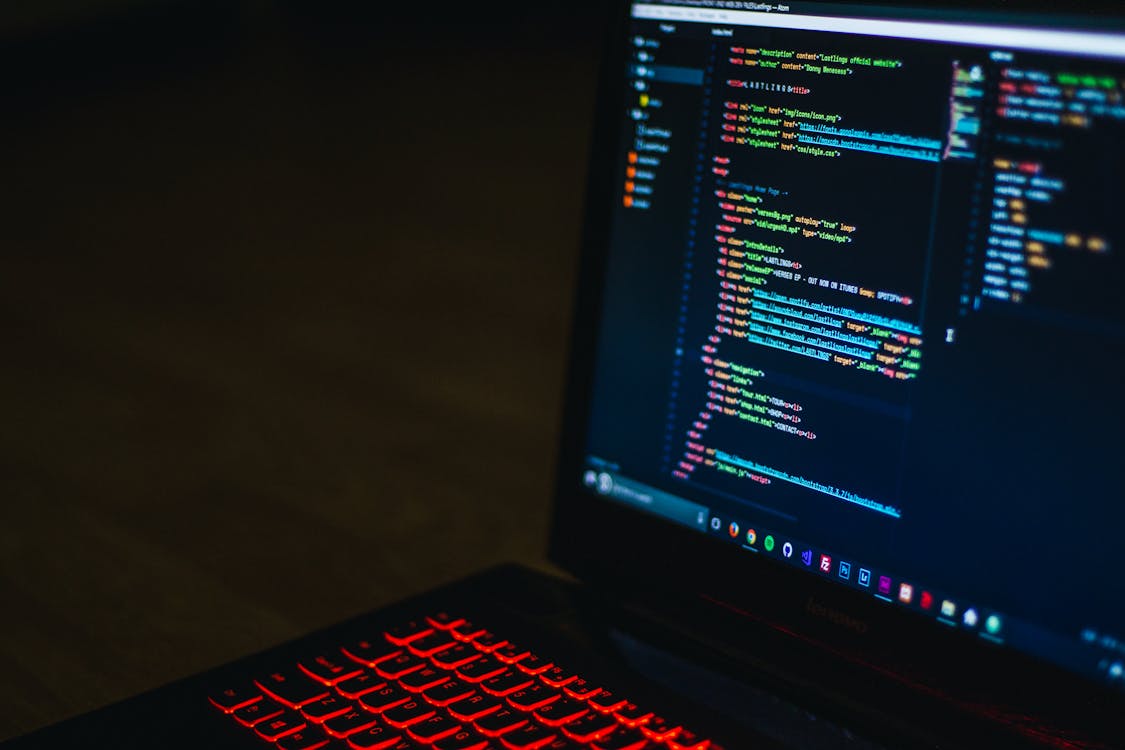
a close-up shot of a screen displaying code

A data forensic expert serves as the cornerstone of any successful digital investigation. These professionals use specialized tools and methodologies to:

  1. Recover deleted or hidden files.
  2. Analyze communication logs, emails, and transaction records.
  3. Trace unauthorized access or malware activity.
  4. Preserve digital evidence to maintain its integrity for legal scrutiny.

Their expertise is invaluable in cases ranging from corporate espionage to online fraud and identity theft.

Key Areas of Digital Forensics

  1. Mobile Device Forensics
    With smartphones storing vast amounts of personal and business data, mobile device forensics has become a critical branch of investigation. Experts extract data such as text messages, call logs, GPS information, and app usage to piece together timelines and connections.
  2. Forensic Video Analysis
    In cases where surveillance footage or video recordings play a role, forensic video analysis helps enhance, authenticate, and interpret video evidence. This ensures that the material presented in court is accurate and reliable.
  3. Forensic Audio
    Audio evidence, such as recorded calls or intercepted communications, can be vital in criminal investigations. Forensic audio analysis refines poor-quality recordings, identifies speakers, and verifies the authenticity of the audio files.
  4. Network and Computer Forensics
    Examining computer systems and networks is essential for uncovering cybercrimes like hacking and data breaches. Digital forensic consultants investigate suspicious activity, trace intrusions, and identify the culprits behind these attacks.

Why Choose Digital Forensic Services?

For businesses and individuals facing cyber threats, hiring professional digital forensic services ensures that investigations are conducted with precision and compliance. These services not only help uncover the truth but also mitigate risks and strengthen security measures.

Digital Forensics in Action

Imagine a scenario where a company experiences a massive data breach. A digital forensic consultant is called in to investigate. By analyzing server logs and employee devices, they uncovered that an insider leaked sensitive information through an encrypted messaging app. Using mobile device forensics and other advanced techniques, the expert gathers evidence that leads to a successful prosecution.

Partner with Eclipse Forensics

When it comes to solving complex cyber crime cases, experience matters. At Eclipse Forensics, we provide industry-leading digital forensic services tailored to meet your investigative needs. Our team of skilled data forensic experts specializes in areas like forensic video analysis, forensic audio, and mobile device forensics, ensuring no digital stone is left unturned.

Whether you’re a business dealing with a data breach or a legal professional seeking expert analysis, Eclipse Forensics is your trusted partner. Contact us today to safeguard your digital world and uncover the truth.

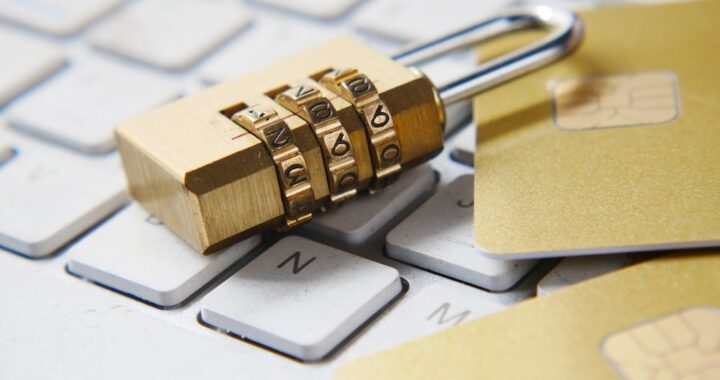
A lock placed on a keyboard

The Basic Fundamentals of Digital Security

Every day, countless digital security breaches occur worldwide, costing businesses and individuals billions. In 2023, the global average cost of a data breach hit $4.45 million—an alarming figure that highlights the critical need for robust digital security practices. Whether it’s hackers targeting sensitive personal data, malware infecting devices, or phishing scams deceiving users, the threats are relentless and evolving.

The stakes are high, but the solutions are well within reach. At Eclipse Forensics, we assist in investigating breaches and securing digital assets with the help of our expert team. From digital forensic services to cyber forensic experts, we specialize in identifying vulnerabilities and recovering compromised data.

This blog will cover the basic fundamentals of digital security—key practices that protect personal and professional digital environments.

What Are the Basic Fundamentals of Digital Security?

Digital security encompasses practices, tools, and policies that safeguard systems, networks, and data from unauthorized access or attacks. While the threats can be complex, the fundamental principles are straightforward and easy to follow when integrated into daily habits. Below, we outline the key aspects of digital security.

1. Strong Password Management

Passwords are the first line of defense against unauthorized access. Yet, weak passwords remain a major vulnerability for individuals and organizations.

  • Use Unique Passwords: Avoid reusing passwords across multiple accounts. If one account is compromised, others remain secure.
  • Make It Complex: Include a mix of uppercase and lowercase letters, numbers, and symbols.
  • Opt for Long Passwords: Aim for at least 12 characters. Longer passwords are harder to crack.
  • Use Password Managers: Tools like LastPass or Dashlane securely store and generate strong passwords, eliminating the need to remember them all.

2. Regular Software Updates

Outdated software often contains vulnerabilities that hackers exploit. Manufacturers frequently release patches to address these flaws.

  • Enable Automatic Updates: This ensures your software and operating systems are always current.
  • Update Third-Party Applications: Don’t overlook programs like Adobe Reader or plugins like Java, which are common targets.
  • Pay Attention to Firmware: Devices like routers and IoT products also require updates for optimal security.

3. Antivirus and Anti-Malware Protection

A reliable antivirus program is essential for detecting and removing malicious software.

  • Choose Comprehensive Solutions: Look for antivirus tools that include anti-phishing and anti-spyware capabilities.
  • Schedule Regular Scans: Weekly scans help detect dormant threats.
  • Keep Definitions Updated: Antivirus programs rely on updated databases to identify new threats effectively.

4. Awareness of Phishing Scams

A smartphone placed on a laptop

Phishing scams are one of the most common and dangerous threats in the digital world, targeting individuals and organizations alike. These scams involve cybercriminals posing as legitimate entities—such as banks, service providers, or even coworkers—to trick victims into revealing sensitive information like login credentials, credit card details, or personal identification. Recognizing and preventing phishing attacks is a critical part of digital security. Let’s explore this further.

How Do Phishing Scams Work?

Phishing scams exploit human psychology, often using fear, urgency, or curiosity to lure victims into making hasty decisions. For example, a scam email may warn of suspicious login attempts, claiming your account will be locked unless you act immediately. This sense of urgency often bypasses critical thinking, leading to compromised information or malicious software downloads.

Practical Steps to Stay Safe from Phishing Scams

Verify Sender Information

  • Always double-check the sender’s email address.
  • Phishing emails often use slight alterations in domain names to appear legitimate (e.g., support@paypall.com instead of support@paypal.com).
  • Look for generic greetings like “Dear Customer” instead of personalized salutations.

Avoid Clicking Links Without Verification

  • Hover over links to preview their destination. Malicious links often redirect to phishing websites that mimic legitimate ones.
  • If in doubt, visit the official website directly by typing the URL into your browser rather than clicking the link provided.

Be Cautious of Urgency or Fear Tactics

  • Scammers frequently use phrases like “Your account will be deactivated” or “Unauthorized transaction detected” to pressure victims into acting quickly.
  • Legitimate organizations rarely ask for immediate action through email or text and will never request sensitive information via these channels.

Attachments Are Often Traps

  • Avoid opening unexpected attachments, especially if they have extensions like .exe, .zip, or .docm, which can contain malware.
  • Even familiar file types can be dangerous if sent by unknown or suspicious sources.

Educate Yourself and Others

  • Training and awareness are vital for identifying phishing attempts. Regularly share tips with family, coworkers, or employees about staying vigilant.
  • Recognizing the hallmarks of phishing, like poor grammar or misspelled words, can help you and others avoid falling victim.
  • Encourage reporting suspicious emails to IT teams or service providers to prevent further spread.

Advanced Techniques Used by Phishers

  1. Spear Phishing: This targeted form of phishing is tailored to specific individuals or organizations, often using publicly available information to make the scam appear authentic.
  2. Voice Phishing (Vishing): Scammers may call pretending to be from a trusted organization, requesting sensitive details under false pretenses.
  3. SMS Phishing (Smishing): Fraudulent text messages, often claiming to be from banks or delivery services, include malicious links or demand immediate action.

What to Do If You Suspect a Phishing Attempt

  • Don’t Engage: Avoid replying, clicking links, or downloading attachments.
  • Report the Email: Forward phishing emails to your organization’s security team or the legitimate company being impersonated.
  • Secure Your Accounts: If you’ve clicked a suspicious link or provided sensitive information, change your passwords immediately and enable multi-factor authentication.
  • Monitor Financial Activity: Keep an eye on your bank and credit card statements for unauthorized transactions.

5. Securing Your Network

Coding on a laptop

An unsecured network is an open invitation for attackers.

  • Use Strong Wi-Fi Passwords: Default passwords are easily guessable and should be replaced immediately.
  • Enable WPA3 Encryption: This is the latest and most secure Wi-Fi encryption standard.
  • Hide Your SSID: Prevent the network name from being broadcast publicly.
  • Segment Networks: Separate personal and professional networks to minimize risks.

6. Multi-Factor Authentication (MFA)

Multi-factor authentication adds an additional layer of security by requiring multiple verification steps to access accounts.

  • Use Authenticator Apps: Apps like Google Authenticator or Authy generate time-sensitive codes for added security.
  • Enable MFA on Critical Accounts: Prioritize email, banking, and work-related accounts.
  • Be Cautious with SMS-Based MFA: While better than no MFA, SMS-based codes can be intercepted.

7. Backing Up Data Regularly

Data loss from ransomware attacks or hardware failures can be catastrophic. Regular backups provide a safety net.

  • Follow the 3-2-1 Rule: Keep three copies of your data: two on different devices and one off-site.
  • Use Cloud Storage: Services like Google Drive and Dropbox offer encrypted cloud backups.
  • Automate Backups: Schedule automatic backups to reduce human error.

8. Educating Employees and Family Members

Human error is a leading cause of security breaches. Education is vital for minimizing risks.

  • Conduct Regular Training: Teach employees and family members about recognizing threats and following security protocols.
  • Create Security Policies: Define acceptable use policies for devices and accounts.
  • Encourage Reporting: Make it easy and judgment-free to report suspicious activity.

9. Monitoring and Logging

Consistently monitoring systems can help identify potential threats early.

  • Implement Logging Tools: Tools like Splunk or ELK Stack can track and analyze system activity.
  • Review Logs Regularly: Look for unusual login attempts, access times, or data transfers.
  • Use Intrusion Detection Systems (IDS): These systems alert administrators to potential breaches.

10. Relying on Digital Forensic Experts

In the event of a breach, digital forensic experts play a critical role in understanding what happened and preventing future incidents.

  • Incident Response: They analyze compromised systems to identify attack vectors.
  • Data Recovery: Recovering data securely after an incident is essential to resume operations.
  • Legal Support: Forensic evidence can be invaluable in legal proceedings related to cybercrimes.

Why Does Digital Security Matter?

A person using a computer

Every piece of personal or organizational data—whether financial records, intellectual property, or private communications—has value. Protecting it isn’t just about preventing breaches; it’s about ensuring trust, maintaining privacy, and enabling safe digital interactions.

Staying Secure in a Rapidly Changing World

Digital security isn’t a one-time task; it’s an ongoing commitment. Threats evolve, and so must our strategies. By implementing the basic fundamentals of digital security, we can drastically reduce the risk of breaches and stay ahead of potential attackers.

How Eclipse Forensics Can Help Secure Your Digital World

Are you ready to take your digital security to the next level? At Eclipse Forensics, we specialize in digital forensic services, helping individuals and organizations respond to security breaches and safeguard their systems. Our team of digital forensic consultants and cyber forensic experts works diligently to uncover vulnerabilities and recover compromised data.

Whether you need digital video forensics, assistance from a digital forensic expert, or support from a data forensic expert, we’re here to help. Contact us at (904) 797-1866 to protect your digital world with trusted expertise. Let us be your partner in ensuring a safe and secure future.

Coding on a laptop.

The Ethical Considerations of Handling Personal Devices in Digital Forensics

Digital forensics is becoming increasingly crucial in modern investigations, with personal devices like smartphones, tablets, and laptops holding valuable evidence. Whether it’s fraud, cyberstalking, or intellectual property theft, these devices are often treasure troves of information. However, handling such devices brings a unique set of ethical considerations.

What safeguards ensure that personal information isn’t misused? This question isn’t just theoretical—it highlights the challenges that digital forensic experts face every day. From protecting privacy to maintaining chain of custody, these concerns must be balanced against the need to extract critical evidence lawfully and ethically.

At Eclipse Forensics, we understand how delicate this balance can be. Our team provides industry-leading digital forensic services with a commitment to ethical excellence. Whether you need mobile device forensics or forensic video analysis, we ensure that every case we handle meets rigorous ethical standards. In this guide, we’ll explore the ethical considerations of handling personal devices in digital forensics, offering insights into best practices and actionable guidelines.

Understanding the Scope of Ethical Concerns

When dealing with personal devices in digital forensics, the stakes are high. These devices are repositories of deeply personal data—texts, emails, photos, videos, and even medical information. Mishandling this data can have severe consequences, from privacy violations to legal repercussions.

Key Ethical Challenges in Digital Forensics

1.     Privacy Protection

  • Personal devices often contain sensitive, irrelevant information unrelated to the investigation.
  • Forensic investigators must strike a balance between extracting relevant evidence and respecting the device owner’s privacy.

2.     Maintaining Objectivity

  • Forensic examiners must avoid bias and ensure the evidence collected isn’t skewed to support a specific narrative.
  • This includes resisting external pressures from legal teams, employers, or law enforcement.

3.     Preserving Data Integrity

  • Data tampering, whether intentional or accidental, undermines the reliability of digital evidence.
  • Chain of custody must be strictly maintained to authenticate findings.

4.     Adhering to Legal Frameworks

  • Investigators must comply with regional laws governing digital forensics, such as warrant requirements and data protection regulations.

5.     Managing Access and Authorization

  • Only authorized personnel should access sensitive data, and all actions must be properly logged for accountability.

Best Practices for Ethical Digital Forensics

Personal information on an iPhone.

How can we ensure ethical practices when conducting mobile device forensics or digital video forensics? Here are some critical steps that professionals must take:

1. Obtain Proper Authorization

One of the most fundamental ethical requirements is obtaining clear and documented permission to access and analyze a personal device. This could be in the form of:

  • Search Warrants: These are essential in legal investigations to authorize access to personal devices. Without them, even the most incriminating evidence may be deemed inadmissible in court.
  • Client Consent: In civil or corporate cases, obtaining explicit and written consent from the device owner is a must. This ensures transparency and avoids legal challenges later.

Failing to secure proper authorization can lead to serious legal repercussions, including evidence dismissal or lawsuits against the investigating entity. For example, if a forensic examiner accesses private data on a personal device without permission, it may be interpreted as an invasion of privacy. Documentation is critical here—every authorization must be logged and readily available if questioned in court.

2. Limit Data Access

Personal devices often contain sensitive data that has no relevance to the investigation. For instance, while a smartphone may hold evidence related to financial fraud, it may also store personal photos, health records, and private conversations that are unrelated.

Best Practices for Data Isolation:

  • Use forensic tools to focus on specific files or data clusters directly linked to the investigation.
  • Avoid full-disk imaging unless absolutely necessary, as this can expose irrelevant personal data.
  • Leverage metadata filters to locate relevant data while keeping other information hidden.

Consider a scenario where a forensic examiner performs forensic video analysis for a case involving workplace harassment. Extracting only the relevant videos while ignoring other media ensures both ethical handling and compliance with privacy standards.

3. Maintain Chain of Custody

The chain of custody refers to the documented trail of how evidence is handled from its collection to its presentation in court. A broken chain of custody can raise questions about the authenticity and integrity of the evidence.

Key Steps for Preserving Chain of Custody:

  • Comprehensive Documentation: Record every action taken with the device, including who handled it, when, and what was done.
  • Tamper-Proof Packaging: Store devices securely using tamper-evident seals to prevent unauthorized access.
  • Clear Labeling: Each piece of evidence should be labeled with identifiers such as case numbers, dates, and descriptions.

For example, in cell phone forensic services, if a device changes hands multiple times without proper documentation, it could result in the evidence being dismissed. Maintaining an unbroken chain of custody is not just a legal obligation—it’s an ethical necessity.

4. Use Certified Tools and Techniques

 Coding

Relying on certified tools ensures that data extraction and analysis meet the highest standards of accuracy and reliability. Court-admissible tools are developed to avoid data alteration during extraction, providing results that can withstand scrutiny.

Why Certified Tools Matter:

  • Certified forensic software prevents unintentional modification of evidence during analysis.
  • Such tools are recognized by courts, reducing challenges to the evidence’s credibility.
  • They allow for validation through repeatable and standardized processes.

In digital video forensics, for instance, using unauthorized software to authenticate video evidence can compromise its admissibility. Certified tools ensure that metadata, timestamps, and content remain intact, preserving the evidence’s integrity.

Additionally, forensic teams should employ cross-validation, using multiple tools to verify findings. This practice ensures that the evidence is consistent and reliable, bolstering its credibility in court.

5. Train on Ethical Standards

Ongoing education and training are vital for staying current with ethical and legal requirements. Digital forensics is a fast-evolving field, and outdated practices can lead to unintentional ethical breaches.

Components of Effective Ethical Training:

  • Legal Frameworks: Educate teams on regional and international laws governing digital forensics, such as GDPR, HIPAA, or specific U.S. state laws.
  • Scenario-Based Learning: Use real-world case studies to illustrate ethical challenges and appropriate responses.
  • Certification Programs: Encourage team members to pursue certifications like Certified Computer Examiner (CCE) or Certified Forensic Computer Examiner (CFCE) to reinforce ethical and technical expertise.

Case Studies Highlighting Ethical Dilemmas

1. Overstepping Legal Boundaries

A private investigator once accessed a suspect’s smartphone without obtaining a warrant. Despite the presence of incriminating evidence, the court dismissed the case because the evidence was obtained unlawfully. This illustrates why proper authorization is non-negotiable.

2. Data Overreach

During an investigation into fraud, an examiner accessed irrelevant personal photos on a suspect’s phone and inadvertently leaked them. The breach resulted in a costly lawsuit for the forensic firm, emphasizing the need for strict data isolation.

Ethical Guidelines for Handling Specific Devices

Cell Phones

  • Use specialized tools to extract only the data pertinent to the investigation.
  • Avoid accessing cloud storage linked to the device unless explicitly authorized.

Laptops and Computers

  • Limit forensic imaging to specific directories instead of copying the entire hard drive.
  • Apply filters to exclude personal data unrelated to the investigation.

Video Evidence

  • When authenticating video forensics, ensure metadata remains intact and verify the video hasn’t been altered.
  • Document every step of the forensic video analysis process to preserve transparency.

The Role of Digital Forensic Consultants

Person using a computer for coding.

A qualified digital forensic consultant is invaluable in navigating the complexities of ethical and legal requirements. These professionals:

  • Provide guidance on the proper handling of personal devices.
  • Ensure compliance with legal frameworks.
  • Offer expertise in authenticating evidence, from video forensics to mobile data analysis.

By working with consultants, businesses and legal teams can reduce the risk of ethical breaches and ensure that their investigations remain credible.

Why Ethics Matter in Digital Forensics

Failing to adhere to ethical standards can have wide-ranging consequences:

  • Legal Implications: Evidence collected unethically is often inadmissible in court.
  • Reputation Damage: Breaches of privacy can harm not just individuals but also the credibility of forensic teams.
  • Undermining Justice: Ethical lapses can lead to wrongful convictions or acquittals.

By prioritizing ethics, we uphold the integrity of digital forensics and contribute to a fairer justice system.

Where Do We Go From Here?

What’s at stake when we fail to address the ethical dimensions of handling personal devices in digital forensics? The answer is clear: justice, privacy, and trust.

At Eclipse Forensics, we’re committed to setting the highest standards in digital forensic services. Whether you need cell phone forensic services, forensic video analysis, or guidance from a trusted digital forensic consultant, we provide solutions backed by professionalism and ethical integrity.

We don’t just extract evidence—we ensure it stands up to scrutiny. Contact us at (904) 797-1866 today to learn how we can help with your case. Together, we can achieve results that are both effective and ethical.

A person using a laptop

Collection of Digital Evidence: Myth vs. Fact

Can you trust what you think you know about digital evidence? With cybercrime on the rise, digital evidence has become a critical part of investigations. From fraud cases to intellectual property theft, a digital footprint often holds the key to solving cases.

Cybercrime losses exceeded $12.5 billion in 2023—a number that keeps climbing as technology advances. Yet, there’s a surprising amount of misinformation about how digital evidence is collected and used. Misunderstandings can lead to delays, legal complications, and even case dismissals.

At Eclipse Forensics, we specialize in offering precise and professional digital forensic services to ensure that evidence is collected, preserved, and analyzed correctly. Our digital forensic consultants are trained to separate myth from fact, providing reliable solutions to complex challenges.

In this blog, we’ll break down common myths surrounding the collection of digital evidence, explain the facts, and help you understand how a digital forensic expert ensures the integrity of data during investigations.

Myth 1: Deleted Files Are Gone Forever

Fact: Deleted doesn’t mean destroyed.

One of the most pervasive myths is that when a file is deleted, it’s gone for good. In reality, deleting a file often removes the reference to the file from the system’s directory, but the data remains on the storage medium until it’s overwritten.

A skilled data forensic expert can recover these “deleted” files using advanced tools and techniques. However, the success of recovery depends on how much the storage device has been used after deletion.

Key Points:

  • What happens when you delete a file? It’s marked as free space but isn’t immediately erased.
  • How can it be recovered? By analyzing the storage medium with specialized software.
  • When is recovery impossible? If the file has been overwritten multiple times.

Myth 2: Digital Evidence Collection Can Be Done by Anyone

A woman looking at a laptop

Fact: Expertise is critical for accuracy and admissibility.

It’s tempting to think that anyone with basic tech knowledge can collect digital evidence. However, improper handling can alter or destroy evidence, making it inadmissible in court.

A digital forensic expert follows strict protocols to ensure evidence integrity, such as using write-blocking tools and creating forensic copies of data to avoid tampering. This expertise is essential to ensure the evidence meets legal standards.

Common Risks of Amateur Collection:

  • Altering timestamps or metadata.
  • Contaminating the evidence through improper storage.
  • Failing to document the chain of custody.

Hiring a professional digital forensic consultant ensures the collection of digital evidence is done correctly and stands up to scrutiny in legal proceedings.

Myth 3: Cyber Evidence Is Always Easy to Trace

Fact: Tracing evidence often requires sophisticated analysis.

Popular media often portrays cyber forensic experts tracing hackers in real-time with ease. In reality, cyber investigations involve piecing together complex digital trails. Criminals use tactics like encryption, VPNs, and anonymizing tools to obscure their tracks.

While advanced forensic tools help crack these layers of obfuscation, the process is time-consuming and requires expertise.

Tools and Techniques Used:

  • Log analysis: Identifying patterns in access logs.
  • Network traffic monitoring: Detecting suspicious activities.
  • Decryption tools: Unlocking encrypted files and communications.

Myth 4: Digital Evidence Is Self-Explanatory

Fact: Context is critical.

At first glance, digital evidence like an email, a timestamped message, or a login attempt might seem straightforward. However, without proper context, such evidence can be misleading or misinterpreted. For instance, consider a login attempt recorded at an unusual hour. It might suggest unauthorized access—but what if the legitimate user simply forgot to log out earlier or needed to access the system remotely for a valid reason?

This is where the role of a digital forensic expert becomes indispensable. They don’t just extract evidence; they interpret it in context to ensure accurate conclusions.

Why Context Is Crucial

Avoiding False Accusations

Misinterpreting digital evidence can have devastating consequences. A single misjudged piece of data could lead to accusing the wrong person, ruining reputations, or, worse, letting the actual perpetrator walk free.

Example: A user’s email appears to have sent spam. On closer examination, a data forensic expert might discover that the account was compromised by malware rather than misused by the account owner.

Cross-Referencing Data for Reliability

Evidence is rarely reliable in isolation. By cross-referencing digital evidence with other sources, investigators can uncover patterns or anomalies that may not be apparent at first.

For example:

  • An incriminating email might be supported—or contradicted—by chat logs, access logs, or metadata from other devices.
  • A suspicious bank transfer could align with GPS logs that place the accused in a different location at the time of the transaction.

Through cross-referencing, the digital forensic consultant ensures that the findings are both robust and accurate.

Understanding Intent

Even when digital evidence seems clear, it doesn’t always explain the why. Intent is a critical factor in legal and corporate investigations, and digital forensic experts are skilled at piecing together multiple layers of evidence to uncover it.

Example Scenarios:

  • Case of unauthorized access: Was an employee accessing sensitive data out of curiosity, or was there malicious intent to sell the information?
  • Case of file deletion: Was the deletion accidental, or part of a deliberate attempt to destroy evidence?

Determining intent often requires analyzing behavioral patterns, communication records, and timelines to build a coherent narrative.

How Digital Forensic Experts Provide Context

People working in an office

A digital forensic consultant follows a systematic approach to ensure the evidence tells the complete story:

  • Forensic Imaging: Creating exact, unaltered copies of digital devices for analysis.
  • Timeline Reconstruction: Building a timeline of events from logs, metadata, and activity records.
  • Correlation Analysis: Linking seemingly unrelated pieces of evidence to uncover patterns or discrepancies.
  • Expert Testimony: Explaining findings in court or legal proceedings, translating technical complexities into understandable terms.

The Role of Expertise in Complex Cases

Without the expertise of a data forensic expert, evidence risks being oversimplified or misused. It’s not enough to find the “smoking gun.” The evidence must be presented within its proper context to withstand scrutiny in legal, corporate, or compliance settings.

Proper contextual analysis is what ensures justice, accuracy, and clarity. By relying on trained professionals, you avoid the pitfalls of rushed or incomplete conclusions.

Myth 5: All Digital Evidence Is Equal

Fact: The quality and type of evidence matter.

Not all digital evidence carries the same weight in an investigation. For example:

  • A video recovered through digital video forensics might hold more sway than a text message.
  • Metadata can provide critical insights but requires careful verification to ensure accuracy.

Types of Digital Evidence:

  • Text-based Evidence: Emails, chats, and text messages.
  • Visual Evidence: Photos and videos, often analyzed through digital video forensics.
  • Metadata: Information about files, such as creation dates and access logs.
  • Network Data: IP addresses and connection logs.

Each type requires unique handling techniques to ensure its admissibility in court.

Myth 6: Public Wi-Fi Use Is a Dead Giveaway

Fact: Public networks complicate, not simplify, evidence gathering.

While public Wi-Fi is often seen as a vulnerability, it’s not always a clear giveaway. Criminals exploit open networks to mask their activities, making attribution challenging.

Challenges with Public Wi-Fi:

  • Shared IP addresses: Multiple users can appear under the same identifier.
  • Encrypted communications: Many activities on public Wi-Fi are encrypted, requiring additional decryption efforts.

A skilled cyber forensic expert uses advanced techniques to analyze network evidence and separate legitimate users from potential threats.

Myth 7: Collecting Digital Evidence Is Only About Technology

A human hand touching a robot's hand

Fact: It’s also about legal compliance and ethical practices.

The collection of digital evidence isn’t just a technical task—it’s a legal one. Evidence must be gathered in compliance with laws governing privacy, search warrants, and admissibility. Ethical practices are equally important to avoid legal repercussions.

Legal and Ethical Considerations:

  • Search and seizure laws: Governing how digital devices can be examined.
  • Privacy protections: Ensuring personal data isn’t mishandled.
  • Chain of custody: Maintaining a clear record of evidence handling.

Myth 8: Digital Evidence Can’t Be Faked

Fact: Forged evidence is a real threat.

Deepfake videos, edited documents, and manipulated metadata can all be used to create false evidence. Detecting and disproving such forgeries requires the expertise of a digital forensic consultant.

How Forgeries Are Detected:

  • Examining metadata inconsistencies.
  • Using software to detect image or video manipulation.
  • Cross-referencing evidence with reliable data sources.

Why Accuracy in Evidence Collection Matters

Inaccurate evidence collection can derail an entire investigation. It can result in dismissed cases, wrongful accusations, or the inability to hold criminals accountable. That’s why working with a certified digital forensic expert is non-negotiable for serious cases.

How We Can Help You Get It Right

Isn’t it fascinating how much misinformation exists about digital evidence? With technology advancing rapidly, myths will continue to emerge, but the facts remain crucial for effective investigations. At Eclipse Forensics, our digital forensic consultants specialize in providing reliable, admissible results for a wide range of cases.

Whether you need help with digital video forensics, recovering deleted files, or ensuring your evidence holds up in court, our expertise guarantees accuracy and integrity. Contact us at (904) 797-1866 today to learn more about how our digital forensic services can make a difference in your case.

An image of a person using a laptop

5 Effective Cloud Security Strategies to Protect Sensitive Data

The rise of cloud computing has revolutionized data storage and management, offering unparalleled convenience and scalability for businesses. However, with great power comes great responsibility.

Protecting sensitive data in the cloud requires robust security measures to counter evolving cyber threats. Here are some effective strategies by cyber forensic experts to ensure your data remains secure in the cloud.

1.     Implement Strong Access Controls

One of the most critical steps in cloud security is limiting access to sensitive data. Use a combination of strong passwords, multi-factor authentication (MFA), and role-based access controls (RBAC) to ensure that only authorized individuals can access specific data. Regularly review user permissions and revoke access for employees who no longer require it.

2.     Encrypt Data at Rest and in Transit

Encryption is the backbone of data security. Ensure that all sensitive data is encrypted at rest and during transmission. Use advanced encryption standards (AES) for data storage and secure protocols like HTTPS or SSL/TLS for data transfer. Encryption renders data unreadable to unauthorized users, even if it’s intercepted.

3.     Conduct Regular Security Audits

Routine security audits are essential to identify vulnerabilities in your cloud infrastructure. Use automated tools to scan for weaknesses, such as misconfigured storage or outdated software. Regularly update your systems based on the audit findings to ensure your cloud environment stays secure against emerging threats.

An image of a person using a laptop

4.     Adopt a Zero-Trust Security Model

The zero-trust model assumes that no user or device can be trusted by default, even within the network. This approach enforces continuous verification of user identities and device compliance. Limiting lateral movement within the network helps zero-trust minimize the risk of attackers gaining access to sensitive data.

5.     Partner with a Trusted Cloud Provider

Choose a cloud provider that prioritizes security and complies with relevant industry standards. Reputable providers often offer built-in security features, such as advanced firewalls, monitoring tools, and automatic updates, reducing the burden on your in-house team.

Cloud security is not a one-time effort but an ongoing process. You can significantly enhance the protection of sensitive data by implementing robust access controls, encrypting data, conducting regular audits, adopting a zero-trust approach, and partnering with a trusted provider. Stay proactive to ensure your cloud environment remains a safe haven for your business-critical information.

Protect Your Data with Eclipse Forensics

Don’t leave your sensitive data exposed. Trust Eclipse Forensics to implement effective digital forensic solutions that safeguard your information. Our digital forensic experts will help you stay ahead of cyber threats with tailored solutions. Contact us today to secure your cloud environment and ensure peace of mind.

An image of a person using a laptop and cellphone

Why Cloud Security Has Become a Top Priority for Businesses?

Cloud computing has revolutionized how businesses operate, offering scalability, flexibility, and cost-efficiency. However, as more organizations shift their data and operations to the cloud, ensuring its security has emerged as a critical concern.

With cyber threats evolving and regulatory compliance tightening, businesses can no longer afford to overlook the importance of robust cloud security measures. Here’s a blog by digital forensic experts to learn more.

1.     The Growing Reliance on Cloud Technology

The adoption of cloud services has skyrocketed, with businesses using it for data storage, application hosting, and collaboration tools. This reliance increases the stakes for security. A breach can disrupt operations, lead to data loss, and damage a company’s reputation. Protecting cloud environments has become essential to maintaining trust and functionality.

2.     Rising Cybersecurity Threats

Cybercriminals target cloud environments because of their central role in business operations. From ransomware to data breaches, attacks are becoming more sophisticated. Ensuring cloud security helps businesses mitigate these threats, detect vulnerabilities, and respond quickly to incidents before significant damage occurs.

3.     Regulatory Compliance Requirements

Industries such as healthcare, finance, and e-commerce face strict data protection regulations. Non-compliance can result in hefty fines and legal consequences. Effective cloud security strategies help organizations meet these requirements, ensuring the protection of sensitive customer information.

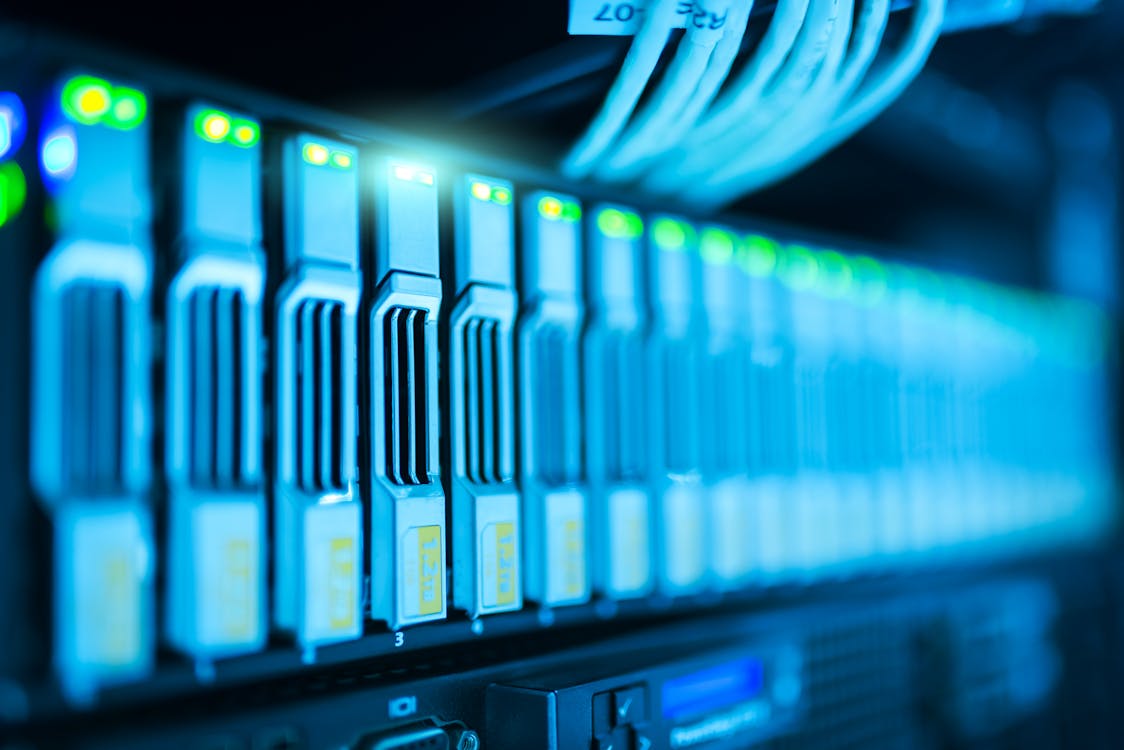
An image of cables connected to a server

4.     The Financial Implications of a Breach

A data breach can cost businesses over $4.45 million in recovery efforts, legal fees, and lost revenue. Additionally, intangible costs like loss of customer trust and reputational damage can have long-lasting effects. Investing in cloud security helps businesses reduce the risk of such costly incidents and ensure long-term sustainability.

5.     Fostering Customer Trust and Confidence

Customers entrust businesses with their personal data, expecting it to be handled responsibly. A secure cloud environment reassures customers that their information is safe, enhancing trust and loyalty. It also sets businesses apart in competitive markets where data security is a key concern.

Cloud security is no longer optional but a fundamental necessity for businesses leveraging cloud technology. Organizations can reap the benefits of the cloud without compromising security by proactively addressing vulnerabilities, staying compliant with regulations, and safeguarding data. As cyber threats continue to evolve, prioritizing cloud security is essential to maintaining a competitive edge and securing a company’s future.

Secure Your Cloud Today with Eclipse Forensics

Don’t wait for a breach to happen—protect your cloud infrastructure with Eclipse Forensics. Our expert digital forensic experts provide top-tier solutions to safeguard your data, ensure compliance, and prevent costly breaches. Contact us today to secure your business’s future with our digital forensic services!

An image of a paper with quantum computing written on it

How Quantum Computing is Revolutionizing Digital Forensics

The rapid advancement of quantum computing has the potential to revolutionize various industries, including digital forensics. As cybercrimes grow increasingly complex, traditional forensic methods struggle to keep pace.

Quantum computing offers transformative capabilities, enabling faster analysis, deeper insights, and new approaches to tackling digital evidence. This blog explores how quantum computing is reshaping the digital forensics landscape.

1.     The Basics of Quantum Computing in Digital Forensics

Quantum computing leverages quantum bits (qubits), which operate on principles like superposition and entanglement, allowing for exponentially greater computing power compared to classical systems.

In digital forensics, this power translates into the ability to process massive datasets and solve intricate problems faster than ever before. Tasks such as decrypting secure data or analyzing complex patterns in digital evidence could become significantly more efficient with quantum computing.

2.     Speeding Up Encryption Decryption

One of the most time-consuming tasks in digital forensics is decrypting encrypted files or communications. Quantum algorithms, such as Shor’s algorithm, can break encryption schemes like RSA in a fraction of the time needed by classical computers.

This ability can help investigators quickly access critical evidence, accelerating criminal investigations and reducing the time criminals have to cover their tracks.

An image of a mining rig

3.     Enhanced Pattern Recognition in Data Analysis

Digital forensics often involves sifting through enormous amounts of data, such as logs, emails, and file systems, to find relevant evidence.

Quantum computing can improve pattern recognition and data correlation, allowing forensic experts to identify hidden connections and anomalies with unprecedented accuracy. This capability is particularly useful for uncovering sophisticated cybercrimes and fraud networks.

4.     Simulating Cybercrime Scenarios

Quantum computing enables digital forensic experts to simulate complex cyberattacks and system breaches more effectively. Investigators can better understand how cybercrimes were committed and identify vulnerabilities in systemsby modeling and analyzing attack scenarios. This capability also aids in creating more robust cybersecurity measures to prevent future incidents.

5.     Challenges and Ethical Considerations

Despite its promise, the integration of quantum computing in digital forensics presents challenges, including the need for specialized training and the ethical implications of breaking encryption.

Furthermore, criminals could also leverage quantum technology to create more sophisticated attacks, sparking a new arms race in cybersecurity. Addressing these challenges requires collaboration between technologists, law enforcement, and policymakers.

AR and VR are proving to be game-changers in digital forensics training and visualization. These technologies ensure forensic professionals are better equipped to combat cybercrime by providing immersive learning experiences, enhancing collaboration, and improving evidence presentation. As AR and VR continue to evolve, their potential to revolutionize digital forensics is limitless.

Unlock the Power of Quantum Computing in Digital Forensics

Stay ahead of cybercriminals with Eclipse Forensics. Our computer forensic solutions accelerate investigations, enhance encryption decryption, and uncover hidden data patterns. Contact us today to learn how we can help you harness the future of digital forensics and solve cases faster than ever before.