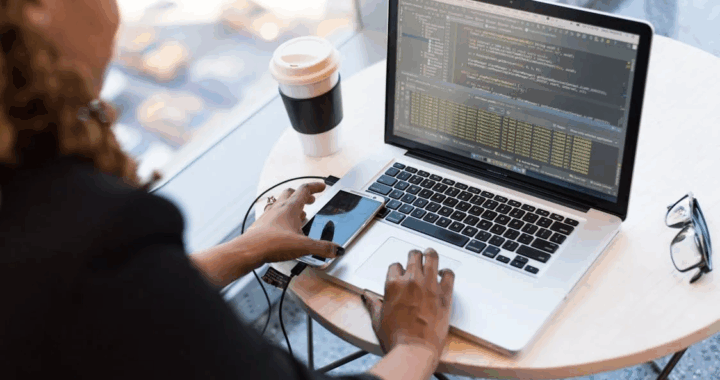
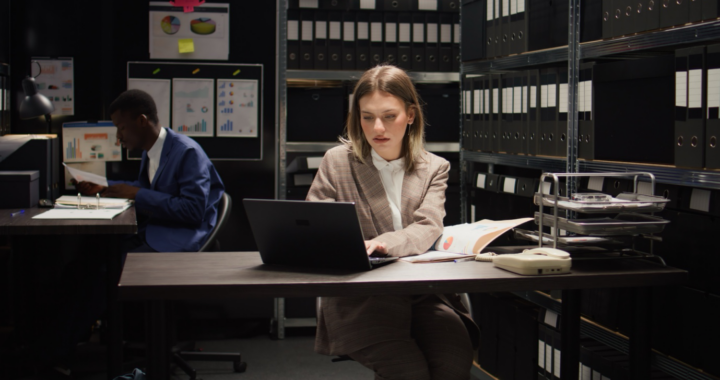
A forensic expert preparing for witness testimony.

From Analysis to the Stand: Preparing Forensic Experts for Court

In modern litigation, technical evidence plays a central role in shaping outcomes. Digital records, audio recordings, video footage, and electronic communications often form the backbone of complex cases. However, even the most compelling evidence can lose its impact if it is not explained clearly and credibly in court. This is where forensic expert witness testimony becomes indispensable.

Forensic experts serve as the bridge between technical analysis and legal understanding. Their responsibility extends beyond examining evidence. They must also prepare findings in a way that is accurate, defensible, and accessible to judges and juries who may have no technical background. Preparation for courtroom testimony is therefore a disciplined process that combines scientific rigor, ethical responsibility, and effective communication.

This blog explores how forensic experts move from detailed analysis to confident courtroom testimony. It explains how findings are prepared, how testimony is structured, and why preparation is essential to ensuring complex technical evidence is understood and trusted in court.

The Purpose of Forensic Expert Testimony

The primary purpose of forensic expert testimony is to assist the court in understanding evidence that requires specialized knowledge. Unlike fact witnesses, forensic experts do not testify about what they personally observed. Instead, they interpret evidence using established technical or scientific methods and explain their conclusions objectively.

Courts rely on forensic experts to clarify how evidence was analyzed, why specific conclusions were reached, and whether those conclusions are supported by reliable methodology. This responsibility requires impartiality and adherence to professional standards. A forensic expert’s duty is always to the court, not to one party in the case.

Effective forensic expert witness testimony allows legal decision makers to evaluate evidence accurately. Without it, technical findings may be misunderstood, misrepresented, or dismissed entirely.

 A court-certified forensics expert at work.

Laying the Groundwork Through Proper Analysis

Preparation for court begins at the analysis stage. Every forensic conclusion must be grounded in careful examination, validated tools, and documented procedures. Experts understand that their work may be challenged line by line during testimony.

A forensic computer analyst or digital forensic consultant follows strict protocols to ensure evidence integrity. This includes maintaining the chain of custody, preserving original data, and working from forensic copies rather than live systems. Each action taken during analysis must be traceable and repeatable.

For cases involving recorded media, the role of an audio forensic expert or forensic video analysis expert is particularly critical. These professionals examine recordings for clarity, continuity, authenticity, and relevance. Their analyses rely on measurable data such as waveform patterns, compression artifacts, metadata, and frame consistency.

The strength of courtroom testimony depends heavily on the quality and transparency of this initial analytical work.

Documentation as the Backbone of Testimony

Forensic documentation is not merely administrative. It is a foundational element of credible testimony. Every step taken during analysis must be recorded accurately and thoroughly.

Well-prepared forensic reports explain how evidence was received, what methods were used, and what findings were reached. They also outline limitations and assumptions. This transparency demonstrates professionalism and reinforces objectivity.

A digital forensic expert ensures documentation is written in clear language while maintaining technical accuracy. Reports must be detailed enough to withstand scrutiny but structured in a way that supports courtroom explanation.

During testimony, experts frequently rely on their reports to refresh memory and maintain consistency. Comprehensive documentation ensures that testimony aligns with analysis and avoids contradictions.

A computer forensics consultant at work.

Maintaining Objectivity and Ethical Standards

Ethics play a central role in forensic testimony. Experts must present findings without bias or advocacy. Their credibility depends on objectivity and adherence to professional standards.

Forensic experts disclose limitations openly. If evidence is incomplete or results are inconclusive, this must be stated clearly. Courts value honesty and transparency over absolute certainty.

Professionals offering audio forensic services and video forensic services are trained to avoid overstating conclusions. Ethical testimony strengthens trust and ensures that evidence is evaluated fairly.

An expert who acknowledges uncertainty when appropriate is often viewed as more credible than one who claims definitive answers in every situation.

Translating Technical Findings Into Understandable Language

One of the most challenging aspects of forensic testimony is communication. Judges and juries may have little familiarity with technical concepts, yet they must understand the evidence to make informed decisions.

A video forensic expert may need to explain how compression affects image quality or how enhancement improves visibility without altering content. Similarly, a cyber forensic expert may describe how system logs reflect user activity.

Effective experts avoid unnecessary jargon. They explain concepts step by step, using plain language and logical structure. When technical terms are necessary, they are defined clearly.

The goal is not to simplify evidence beyond recognition but to make it accessible without compromising accuracy.

A digital forensics specialist at work.

Preparing for Direct Examination

Direct examination allows forensic experts to present their findings under structured questioning from the retaining attorney. Preparation ensures testimony follows a clear narrative and remains consistent with documented analysis.

Experts review reports, supporting data, and anticipated questions. They focus on explaining methodology, findings, and relevance without speculation.

A forensic video analysis expert or cell phone forensics expert may prepare demonstrations or exhibits to illustrate key points. These materials are carefully reviewed to ensure accuracy and compliance with evidentiary standards.

Preparation also involves practicing concise responses. Clear, direct answers help maintain courtroom focus and reinforce credibility.

Anticipating and Managing Cross-Examination

Cross-examination tests the strength of forensic testimony. Opposing counsel may question methodology, qualifications, or conclusions in an effort to undermine credibility.

Preparation involves identifying potential vulnerabilities and understanding how to respond factually. Experts must remain composed and professional at all times.

A computer forensics expert witness understands that cross-examination is not a debate. Responses should be measured, accurate, and limited to the scope of the question. If a question falls outside expertise, the expert states this clearly.

Effective preparation reduces the risk of misstatements and ensures testimony remains consistent under pressure.

Use of Visual Aids in Courtroom Testimony

Visual aids often enhance forensic testimony by helping courts grasp complex information. Charts, timelines, annotated images, and audio-visual demonstrations can clarify findings.

A video enhancement expert may present side-by-side comparisons to illustrate improvements in clarity. An expert conducting forensic image analysis may highlight specific visual elements relevant to the case.

All visual aids must be accurate, documented, and explained thoroughly. Enhancements are disclosed fully to avoid misleading the court.

When used appropriately, visual aids support testimony and reinforce understanding without replacing verbal explanation.

A forensics expert analyzing digital evidence.

Establishing and Defending Expert Qualifications

An expert’s qualifications are often examined before testimony is admitted. Education, training, experience, and professional background all contribute to credibility.

Courts may evaluate whether an expert has worked as a digital forensic consultant, data forensic expert, or provided prior testimony in similar matters. However, qualifications alone are not enough. Preparation and professionalism during testimony are equally important.

Experts must be able to explain their credentials clearly and relate their experience to the issues at hand. This establishes authority and helps courts understand why the expert’s opinion is reliable.

Ensuring Consistency Across Reports and Testimony

Consistency is critical to effective forensic testimony. Statements made in court must align with written reports, prior disclosures, and supporting data.

Experts prepare by reviewing all documentation and ensuring familiarity with details. If clarification is needed, it is addressed transparently.

A forensic video analysis professional or digital forensic expert understands that inconsistencies, even minor ones, can create doubt. Careful preparation minimizes this risk and supports credibility.

The Impact of Strong Forensic Testimony on Case Outcomes

Well-prepared forensic testimony can significantly influence how evidence is perceived. Clear explanations help courts understand relevance, reliability, and limitations.

Effective forensic expert witness testimony strengthens the legal process by ensuring decisions are based on an accurate interpretation of evidence rather than confusion or assumption.

When experts are prepared, objective, and communicative, their testimony enhances fairness and supports informed decision-making.

Forensics experts preparing for court.

Continuous Preparation Beyond a Single Case

Forensic experts view courtroom preparation as an ongoing responsibility. Technology evolves, legal standards change, and new challenges emerge.

Professionals stay current through training, peer review, and continued education. This commitment ensures testimony remains relevant and defensible.

Preparation is not limited to individual cases. It is a continuous process that supports professional integrity and courtroom effectiveness.

Forensic testimony is more than presenting conclusions. It is the careful translation of technical analysis into clear, credible explanations that courts can trust. From evidence examination to courtroom delivery, preparation is essential.

Every step, from documentation to communication, contributes to the effectiveness of forensic expert witness testimony. When experts prepare thoroughly, they uphold the integrity of evidence and support just outcomes.

A forensic computer analyst at work.

Partner with Eclipse Forensics for Dependable Expert Witness Support

At Eclipse Forensics, we take courtroom preparation seriously. We believe expert testimony should be clear, objective, and defensible.

Our team includes experienced digital forensic consultants, knowledgeable forensic video analysis experts, forensic audio analysts, and seasoned computer forensics expert witness practitioners who understand both technical evidence and courtroom expectations. We approach every case with discipline, transparency, and respect for the judicial process.

When you need reliable forensic expert witness testimony in Florida that communicates complex evidence with clarity and confidence, we are ready to support your case.
Get in touch with us to start today.

Digital evidence handling by a forensics expert.

Why Handling Digital Evidence the Right Way Matters

In modern investigations and litigation, digital data often carries more weight than physical records. Emails, text messages, videos, system logs, and mobile device data regularly become central pieces of evidence. However, the value of that evidence depends entirely on how it is handled from the moment it is identified. Digital evidence handling is not a technical formality. It is the foundation that determines whether digital evidence is accepted, challenged, or excluded in court.

Improper collection, poor preservation, or flawed analysis can compromise evidence integrity and weaken an entire case. Courts expect digital evidence to be reliable, traceable, and defensible. This requires established procedures, specialized expertise, and a clear understanding of how digital data behaves. Handling digital evidence correctly protects its credibility, supports admissibility, and ensures findings can withstand legal scrutiny.

This blog explains why proper digital evidence handling matters, outlines best practices across the evidence lifecycle, and highlights how professional forensic processes safeguard the integrity of critical data.

The Growing Importance of Digital Evidence

Digital evidence appears in nearly every type of legal matter. Civil disputes, criminal investigations, corporate litigation, and internal workplace investigations all rely heavily on electronic data. Phones track communications and locations. Computers record user activity. Video systems capture events in real time. Audio recordings preserve conversations that may later become critical.

Unlike physical evidence, digital data is fragile. It can be altered without visible signs, overwritten unintentionally, or lost through improper access. Even routine actions such as opening a file or powering on a device can change metadata. These characteristics make digital evidence uniquely vulnerable and require careful, controlled handling from the start.

Courts evaluate not only what digital evidence shows but also how it was obtained and maintained. Without proper procedures, opposing counsel may challenge authenticity, accuracy, or the chain of custody. In many cases, evidence is excluded not because it lacks relevance, but because it was mishandled.

A forensics audio specialist at work.

What Digital Evidence Handling Really Means

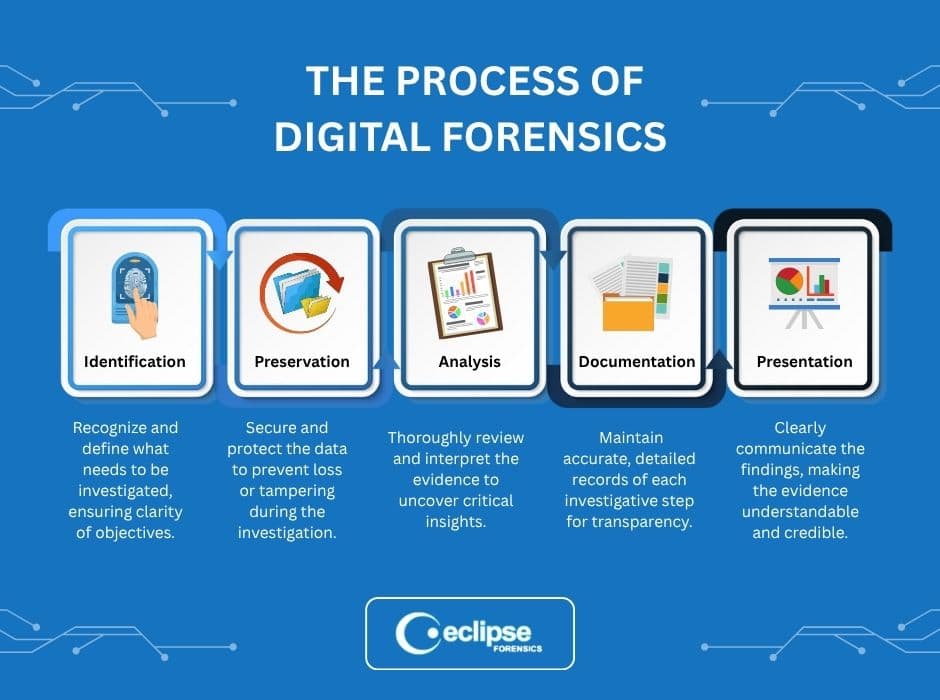
Digital evidence handling refers to the structured process used to identify, collect, preserve, analyze, and present electronic data. Each stage must follow accepted forensic standards to ensure evidence remains intact and verifiable.

Handling digital evidence correctly involves more than copying files or exporting data. It requires technical knowledge, forensic tools, documentation, and strict controls. The goal is to preserve data exactly as it existed at the time of collection while creating a defensible record of every action taken.

This process often involves collaboration between legal teams and forensic professionals, such as a digital forensic consultant, forensic computer analyst, or cell phone forensics expert, depending on the type of evidence involved.

Proper Identification of Digital Evidence

The first step is identifying relevant sources of digital evidence. This may include computers, mobile devices, cloud accounts, surveillance systems, removable media, or audio recording devices. Failing to identify all potential sources can result in incomplete evidence or missed information that later becomes critical.

Identification requires understanding how data is stored and accessed. A cyber forensic expert or data forensic expert can help determine where relevant information resides, including hidden files, deleted data, and system artifacts that are not visible through normal use.

Early identification also helps prevent data loss. Once devices are known to contain potential evidence, they can be isolated and protected from further use or modification.

A video enhancement expert at work.

Best Practices for Collecting Digital Evidence

Collection is one of the most sensitive stages in digital evidence handling. Evidence must be acquired in a manner that prevents alteration and preserves original data structures.

Professional collection typically involves forensic imaging rather than simple copying. Imaging creates an exact, bit-by-bit replica of a device or storage medium, including deleted and hidden data. This allows analysis to occur on a copy while preserving the original evidence unchanged.

Collection should always be documented. Details such as date, time, method, device condition, and personnel involved must be recorded. These records establish a chain of custody and help demonstrate that the evidence was not tampered with.

For mobile devices, specialized tools and expertise are essential. A qualified cell phone forensics expert understands how operating systems store data and how to extract it without compromising integrity. Improper attempts to access phones can trigger encryption, data loss, or permanent deletion.

Preserving Evidence to Maintain Integrity

Preservation ensures digital evidence remains unchanged from collection through presentation in court. This includes secure storage, controlled access, and proper handling procedures.

Evidence should be stored in secure environments with limited access. Every instance of access should be logged. Hash values are commonly used to verify that data has not been altered. Any change to a file, even accidental, can be detected through hash comparison.

Preservation also includes protecting evidence from environmental risks, hardware failure, or system corruption. A forensic computer analyst often oversees these processes to ensure compliance with forensic standards.

Failure to preserve evidence properly can lead to questions about authenticity. Courts require assurance that the digital evidence presented is the same data originally collected, without modification.

An expert analyzing digital evidence.

The Role of Chain of Custody

Chain of custody documents the complete history of evidence from collection to court presentation. It identifies who handled the evidence, when, where, and for what purpose.

A clear chain of custody is essential for admissibility. Any gaps or inconsistencies can raise doubts about reliability. Proper digital evidence handling ensures the chain of custody is maintained through detailed documentation and controlled procedures.

For complex cases involving multiple devices or large datasets, maintaining the chain of custody becomes even more critical. A digital forensic expert ensures that documentation meets legal expectations and forensic best practices.

Analyzing Digital Evidence Correctly

Analysis must be performed using validated forensic tools and methodologies. Analysts examine data to identify relevant information, reconstruct timelines, and interpret user activity.

This process requires technical expertise and objectivity. Conclusions must be based on evidence, not assumptions. A forensic computer analyst applies structured methods to avoid bias and error.

Video and audio evidence require additional care. A forensic video analysis expert may assess authenticity, continuity, and clarity, while a video enhancement expert improves visibility without altering content. Similarly, an audio forensic expert examines recordings to clarify speech, verify authenticity, and identify anomalies using accepted scientific methods.

Authenticating Digital Media

Authentication confirms that digital evidence is original and unaltered. This is especially important for video and audio files, which are increasingly scrutinized due to editing software and synthetic media concerns.

Professionals use techniques such as file metadata examination, compression analysis, and waveform inspection to authenticate recordings. Services like audio authentication services and video forensics help establish trust in media evidence.

Courts often rely on qualified professionals such as a video forensic expert or audio forensic expert to explain authentication findings clearly and credibly.

A court-certified expert witness.

Presenting Digital Evidence in Court

Even properly handled evidence must be presented effectively. Courts require clear explanations of how evidence was collected, preserved, analyzed, and authenticated.

Expert testimony often plays a critical role. A computer forensics expert witness or forensic video analysis expert translates technical findings into understandable terms for judges and juries.

Reports should be detailed, accurate, and supported by documentation. Visual aids, timelines, and validated enhancements may be used to clarify findings without altering evidence meaning.

Consequences of Improper Digital Evidence Handling

Improper handling can have serious consequences. Evidence may be excluded, credibility damaged, or cases weakened. In some instances, mishandling may even expose organizations to legal or regulatory penalties.

Common issues include incomplete collection, altered metadata, broken chain of custody, and unsupported conclusions. These problems are avoidable when evidence is handled by qualified professionals following established forensic standards.

Investing in proper digital evidence handling protects not only the evidence itself but also the integrity of the legal process.

Why Professional Expertise Matters

Digital evidence is complex. Devices, operating systems, file structures, and data behaviors change constantly. Professional forensic expertise ensures evidence is handled correctly despite this complexity.

Working with specialists such as computer forensics consultants, digital forensic consultants, or cell phone forensic service providers reduces risk and increases confidence in outcomes. These professionals stay current with technology, tools, and legal standards.

Their involvement helps ensure that evidence remains admissible, defensible, and persuasive.

Final Thoughts

Digital evidence continues to shape modern investigations and litigation. Its value depends not only on what it reveals but on how it is handled. Proper digital evidence handling preserves integrity, supports admissibility, and strengthens legal arguments.

From identification and collection to analysis and presentation, every step matters. Following best practices and relying on qualified forensic professionals ensures that digital evidence serves its purpose and stands up to scrutiny when it matters most.

A digital forensics expert managing evidence.

Work with Eclipse Forensics to Safeguard Critical Digital Evidence

At Eclipse Forensics, we understand how critical proper evidence handling is to your case. We approach every matter with precision, transparency, and accountability.
Our team includes experienced digital forensic consultants and specialists in forensic video analysis and audio forensic services. We work closely with legal teams to ensure digital evidence is collected, preserved, and analyzed correctly from the start.

When evidence integrity matters, we are committed to protecting it and helping you present defensible findings with confidence.

Contact us to discuss how our expertise can support your investigation.

a laptop screen displaying an open file

Winning Cases with Forensic Experts: Why Testimony Strengthens Evidence

A strong case is not just about what evidence is presented; it’s about how that evidence is understood. In today’s courtroom, digital evidence can involve massive volumes of video files, complex audio logs, metadata, device extractions, or cyber-trace analysis. However, juries and even judges often struggle to grasp the technical depth behind this material fully.

That gap between technical truth and legal clarity can determine whether a piece of evidence is persuasive or dismissed as too complex to be trusted. Here’s why forensic testimony in court has become a cornerstone of modern litigation.

The Rising Role of Forensic Testimony in Modern Trials

  • Why It Matters More Today

Courtrooms have always relied on expert witnesses, but the stakes are higher now. Deepfakes, digital manipulation, cyber breaches, and encrypted mobile devices make raw evidence harder to interpret without context. Forensic testimony in court helps judges and juries understand not just what happened, but how it can be verified.

Research notes that digital evidence can be “fragile” in court, often facing skepticism or inadmissibility when not properly authenticated. A digital forensic consultant provides that authentication, explaining how evidence was collected, why it’s reliable, and how tampering risks were controlled.

  • The Daubert and Frye Gatekeeping Standards

Under U.S. law, scientific evidence must meet Daubert or Frye standards. That means evidence must be:

  1. Based on a reliable methodology.
  2. Relevant to the case at hand.
  3. Properly applied to the facts.
  4. Presented by a qualified expert.

A cyber forensic expert is essential to meet these criteria. They don’t just hand over reports; they explain why those reports meet evidentiary rules, why their methods are standard in the forensic field, and how the results can be verified independently.

books, a gavel, and the scales of justice

From Data to Narrative: How Experts Strengthen the Legal Argument

  • Translating Technical Evidence for the Court

A key value of expert testimony lies in translation. Imagine presenting terabytes of cell phone extraction logs, IP trace data, or video files to a jury. Without an expert, this evidence risks becoming incomprehensible. A data forensic expert breaks down this complexity by:

  1. Explaining how cell phone searching is conducted and documented.
  2. Demonstrating how metadata proves authenticity.
  3. Showing why an audio file is reliable or manipulated.
  4. Detailing the chain of custody and security of evidence.

When jurors understand the logic behind the evidence, they’re more likely to trust it. Research has shown that jurors who receive clear explanations from experts exhibit higher comprehension and recall.

  • Building Logical Connections Between Evidence

In complex investigations, multiple types of evidence may converge: surveillance video, mobile device data, audio recordings, and digital network logs. A digital forensic engineer plays a crucial role in stitching these threads together.

For example:

  1. Video forensic services can reveal manipulation, timestamp inconsistencies, or hidden edits.
  2. Mobile device forensics can tie those videos to specific devices or accounts.
  3. Audio forensic services can match voices, confirm background noise integrity, or identify tampering.
  • Countering Cross-Examination and Skepticism

Opposing counsel often attacks evidence on grounds of credibility. They might claim the evidence was mishandled, poorly analyzed, or unreliable. A well-prepared forensic expert is trained not just to present findings but to withstand scrutiny.

Common lines of defense include:

  1. Alleging that the video or audio was altered.
  2. Questioning the reliability of the forensic tool.
  3. Suggesting a break in the chain of custody.

An expert neutralizes these tactics by:

  1. Explaining every step of the forensic process.
  2. Citing recognized standards or peer-reviewed methodologies.
  3. Clarifying the limits and strengths of their conclusions.

This transforms forensic evidence from a potential liability into a legal asset.

video open on laptop screen for analysis

Types of Testimony that Strengthen Cases

  • Forensic Video and Digital Imaging

With the rise of synthetic media and deepfakes, courts are placing increasing emphasis on digital video forensics. A forensic video analysis professional can:

  1. Authenticate digital footage.
  2. Identify compression artifacts or tampering.
  3. Correlate timecodes with external data.
  4. Demonstrate visual inconsistencies to jurors.

According to research, manipulated videos often go unnoticed by laypersons, but trained experts can identify them with up to 90% accuracy.

Audio Forensics and Voice Authentication

Audio recordings are increasingly common in civil and criminal cases. But admissibility depends on reliability. Audio forensic services analyze:

  1. Waveform integrity.
  2. Background noise patterns.
  3. Voice consistency.
  4. Evidence of splicing or alteration.

Their testimony can make the difference between a dismissed recording and one that carries weight in the jury’s mind.

Mobile Device and Cell Phone Forensics

Cell phones are now central to most investigations. A digital forensic engineer can extract critical information:

  1. GPS and geolocation logs.
  2. Messaging and call records.
  3. Deleted files and chat history.
  4. Linkages between devices and media.

When presented effectively, these details can corroborate or disprove key elements of a case narrative. Courts increasingly rely on forensic cell phone data recovery and mobile analysis to establish timelines.

Computer and Cyber Forensics

A cyber forensic expert examines:

  1. Network activity and breach trails.
  2. File manipulation timelines.
  3. Metadata integrity.
  4. Digital footprints tying individuals to actions.

Their expertise is crucial in complex cybercrime, intellectual property, or fraud cases. Well-structured testimony from computer forensics consultants can make digital trails legally clear and persuasive.

 a chart illustrating the process of digital forensics

Building Credible Testimony: What Makes It Work

  • Qualifications Matter

Courts evaluate not just what the expert says, but who the expert is. Factors like certification, peer-reviewed publications, field experience, and previous testimony influence admissibility and jury trust.

A forensic expert with relevant certifications, specialized training, or proven case experience carries weight in the courtroom.

  • Documentation and Chain of Custody

Without a clear forensic record, even good testimony can collapse. Experts must maintain:

  1. Acquisition logs.
  2. Hash verification records
  3. Tool versioning and settings.
  4. Timeline of evidence handling.

This ensures that their testimony stands on solid procedural ground.

  • Clarity and Neutrality

Persuasive forensic testimony isn’t about advocacy; it’s about credibility. Experts who appear neutral, transparent about methodology, and clear about limitations are perceived as more trustworthy.

This is particularly important in fields where the technical aspects can easily overwhelm non-specialists.

 a golden scale placed on a surface

The Future of Forensic Testimony

The legal landscape is evolving fast. Emerging technologies, such as deepfakes, AI-generated audio, and encrypted messaging platforms, will make expert testimony even more central. Judges and juries will depend on experts to authenticate video forensics, validate digital timelines, and interpret increasingly complex data sources.

Legal scholars predict that forensic expertise will become a minimum expectation in complex digital evidence cases, not an exception. This shift means both attorneys and forensic professionals must continually adapt, ensuring their testimony remains legally and scientifically sound.

documents of evidence placed on a table

Strengthening Legal Strategies with Trusted Forensic Expertise

In today’s legal landscape, complex technical data alone isn’t enough to secure a strong courtroom position. Judges and jurors need evidence presented with precision, credibility, and clarity. That’s where the role of a cyber forensic expert becomes pivotal.

Their testimony translates intricate digital findings into compelling narratives that reinforce the facts of a case, often making the difference between admissible evidence and dismissed claims. From mobile logs and surveillance video to encrypted communications and audio files, the right expertise ensures the truth is not just uncovered, but also clearly understood.

This is where Eclipse Forensics delivers exceptional value. Our team provides a full range of digital forensic services, ranging from forensic video analysis and audio forensic services to mobile device forensics and cell phone data recovery.

With state-of-the-art technology and certified specialists, we support attorneys and law enforcement by transforming technical findings into credible courtroom testimony.

When legal outcomes depend on clarity, accuracy, and trust, expert testimony isn’t optional; it’s essential. Strengthen your case with forensic specialists who understand both the science and the strategy behind persuasive evidence. Contact us today to connect with experienced experts who can help turn complex data into courtroom strength.

a man converting files on a multi-screen setup

Converting Evidence: Why File Conversion Matters in Forensic Investigations

In many investigations, raw digital evidence is messy: proprietary file formats, gigantic multimedia files, or obscure system logs that courts or opposing counsel can’t easily access. Without proper conversion, a key video, audio clip, or document may end up unreadable or even inadmissible. In this post, we examine how forensic file conversion transforms evidence into court-friendly formats, ensuring it’s accessible, clear, and defensible.

The Problem: Formats Nobody Reads

Modern devices generate data in a vast variety of formats: raw camera containers, proprietary video encoders, obscure logs, proprietary database files, or encrypted mobile app caches. A judge, jury, or legal team often cannot open these files directly. Worse yet, improperly converting files may strip critical metadata or introduce artifacts that break the chain of custody.

Converting documents from their native format often results in metadata loss, such as timestamps, authors, and revision histories, that can critically impair the context of evidence. Similarly, courts expect versions of evidence that preserve integrity and authenticity.

In U.S. law, updated evidentiary rules now consider properly certified electronic data “self-authenticating” under certain circumstances, but only if conversion and handling adhere to forensic standards.

How Conversion Works in Forensic Practice

  • Format Normalization

The first step is translating a file into a universally accessible, standardized container, e.g., converting a proprietary video codec to MP4 or H.264, or converting documents into searchable PDF/A. This ensures playback or viewing in common, court-friendly software.

  • Metadata Preservation & Mapping

Where possible, embedded metadata (creation timestamps, device identifiers, GPS tags) is carried over or mapped into sidecar files or forensic containers. If metadata cannot fully persist, a robust log must record what was lost or altered.

  • Versioning & Audit Trails

For each conversion step, analysts record version history, method used, personnel, and checksums. This audit trail becomes central to demonstrating authenticity in court.

  • Cross-Format Linking

Sometimes, forensic workflows require mapping between formats; for example, associating a PDF transcript with a corresponding video file (time-stamped). Conversions must preserve links so that the legal narrative remains coherent.

Why Conversion Impacts Admissibility & Clarity

  • Accessibility & Acceptability

Courts and opposing teams need to access exhibits without requiring exotic or proprietary tools. A pervasive rule holds that a readable, accurate output is considered an original if it reflects the data reliably.

  • Context & Forensic Traceability

If conversion obscures metadata or introduces artifacts, adversaries can object that the evidence was altered. Maintaining conversion logs and integrity proofs helps counter those objections.

  • Reducing Disputes & Challenges

Proper conversion limits arguments about format compatibility, playback anomalies, or hidden data. With clean, well-documented conversions, a witness can testify clearly and confidently.

  • Efficiency in Review & Discovery

Lawyers, reviewers, and experts often prefer standard formats. Converting evidence early streamlines document review, annotation, or cross-referencing.

a person reviewing a file on a laptop screen

In the complex world of digital evidence, converting files isn’t a sideline; it’s a linchpin of clarity, usability, and legal credibility. When native formats are unreadable or incompatible, forensic file conversion ensures that audio clips, video evidence, and documents can be played, reviewed, and presented without loss of integrity.

A full-spectrum forensic provider can offer this critical bridge between raw data and courtroom-ready exhibits. Based in Florida, Eclipse Forensics provides a dedicated file conversion service: we can extract audio and video, then convert them into any format needed for interpretation or presentation.

Our team also handles transforming mixed media streams into clearer, separate tracks for easier review. Through our certified digital forensic engineers, computer forensics consultants, and cyber forensic experts working under strict chain-of-custody procedures, we ensure every converted file carries its integrity forward.

If your case demands evidence that’s accessible, defensible, and transparent, even when initial formats were chaotic or proprietary, reach out now. Contact us today to schedule your file conversion assessment and transform raw digital artifacts into court-ready clarity.

close-up of a computer hard drive

From Chaos to Clarity: File Extraction in Digital Forensics

In many investigations, the most crucial data is hidden, corrupted, or deliberately obscured. A drive may refuse to mount, files vanish from directories, or deleted traces linger in slack space. That’s where forensic file extraction becomes the turning point: transforming chaos into retrievable evidence and enabling clarity where none seemed possible. This article unpacks how experts recover hidden or damaged files to fuel deeper digital investigations.

What Is File Extraction & Why It Matters

File extraction in digital forensics refers to recovering files (or parts thereof) from devices, storage media, or networks, especially when those files are not readily accessible. This could include:

  • Deleted or overwritten files.
  • Corrupted or fragmented data.
  • Hidden partitions or slack space contents.
  • Encrypted containers or databases.

In enterprise investigations, elusive evidence may lie buried in deleted emails, hidden document fragments, or obscure log files. File extraction allows investigators to recover that data, reconstruct timelines, and trace wrongdoing.

Core Methods & Tools Employed

  • File Carving & Fragment Recovery

When file system metadata is missing or broken, forensic tools rely on file carving to scan raw bytes for familiar headers/footers.
Advanced fragment classification techniques, such as the SIFT method, have emerged to classify file fragments without metadata, showing performance gains over traditional carving methods.

  • Pattern-Scan & Bad Sector Recovery

Hard drives and flash media may develop bad sectors or damaged regions. Pattern-scan algorithms can avoid broken sectors, focusing only on accessible clusters to reconstruct files. This method is especially helpful in drives with partial physical damage.

  • Metadata & Residual Data Analysis

Even deleted files may leave residual traces: timestamps, file remnants, references in the file allocation table (FAT), or journal logs. Analyzing data remnants helps rebuild file structures and recover deleted content.

How File Extraction Powers Investigations

  • Fraud & Embezzlement: Recovering deleted spreadsheets, transaction logs, or hidden invoices.
  • IP Theft & Espionage: Uncovering partially erased design files or proprietary documents.
  • Insider Threat & Whistleblowing: Accessing communications once believed erased or hidden.
  • Regulatory / Compliance Audits: Ensuring all required disclosure, even from corrupted media.

a close-up view of a computer monitor and keyboard setup

In the hands of a trained data forensic expert, even the most chaotic or corrupted digital storage holds the seeds of clarity. When file systems break, parts vanish, or sectors go dark, expert forensic file extraction methods rebuild order, reveal hidden evidence, and lay the technological foundation for trust.

That’s where a professional full-service forensics provider can make all the difference. For instance, Eclipse Forensics offers robust digital forensic services, including imaging of devices, hidden data recovery, deleted file extraction, and forensic cell phone data recovery to recover active, latent, or erased artifacts from computers, tablets, drives, cloud sources, and mobile devices.

Our certified team of digital forensic engineers operates under strict chain-of-custody protocols, ensuring your extracted evidence remains defensible and admissible.

If you’re facing a case where deleted documents, corrupt drives, or hidden partitions may hold the key, don’t leave your evidence to chance. Contact us now for a confidential consultation and unlock the truth buried beneath the data.

A forensic computer analyst analyzing evidence.

Why Every Business Needs a Digital Forensic Consultant

In today’s digital landscape, businesses face constant risks from cyberattacks, data leaks, and compliance failures. This is where corporate forensic consulting becomes invaluable, providing expert guidance during critical moments.

Whether responding to breaches, ensuring regulatory compliance, or conducting internal digital investigations, consultants help corporations navigate risks with confidence. Organizations that rely on these services gain both immediate protection and long-term resilience.

With specialists in digital forensic services, companies can secure their assets while preparing for future challenges.

Handling Data Breaches with Confidence

When a breach occurs, time is everything. Consultants step in to identify how attackers gained access, what information was exposed, and how to contain the damage. Professionals trained in forensic cell phone data recovery and mobile device forensics can uncover vital evidence from company devices, ensuring no digital trail goes unnoticed.

This information is often critical in litigation, insurance claims, or regulatory reviews, where accuracy can mean the difference between liability and protection.

Strengthening Compliance and Legal Readiness

Modern corporations operate under strict regulations like HIPAA, PCI DSS, or GDPR. Failure to comply can result in fines and reputational damage. Through computer forensics consultants and trusted compliance reviews, businesses gain insight into system vulnerabilities and data handling practices.

Evidence gathered with techniques to authenticate video forensics ensures that sensitive files hold up under legal scrutiny. This proactive approach demonstrates accountability and preparedness to regulators, clients, and partners.

Supporting Internal Investigations

Not all risks come from external threats—sometimes they originate within. From employee misconduct to intellectual property theft, internal investigations require discretion and expertise. Consultants often collaborate with a forensic computer analyst or cyber forensic expert to identify suspicious activity and preserve digital evidence.

Having a neutral audio forensic expert or forensic video analysis expert ensures findings are defensible and objective, preventing accusations of bias while strengthening the company’s legal standing.

Actionable Strategies for Prevention

Beyond solving immediate problems, consultants provide strategies to prevent recurrence. Businesses may rely on forensic audio services, the expertise of a video enhancement expert, or comprehensive digital video forensics to bolster digital defenses.

These services not only enhance investigative outcomes but also reveal opportunities to improve company-wide security policies. By turning vulnerabilities into lessons, businesses build resilience for the future.

A digital forensic expert checking a laptop.

Partner with Eclipse Forensics for Corporate Protection

At Eclipse Forensics, we understand how important it is for companies to protect their digital assets. Our team goes beyond investigation, offering guidance and proactive solutions through proven corporate forensic consulting.

We provide expertise in trusted video forensic services and in-depth audio forensic services to ensure your evidence is court-ready and reliable. Our specialists include a skilled audio forensic expert, a knowledgeable cyber forensic expert, and professionals adept at video forensics to validate evidence.

We also support businesses with discreet cell phone searching and advanced forensic cell phone data recovery. With Eclipse Forensics, you gain more than evidence—you gain a partner dedicated to your protection and success.

Contact us today to safeguard your business with trusted digital forensic solutions.

An expert de‑multiplexing for video evidence.

The Role of Computer Forensics in Combating Cybercrime

In an increasingly digital world, cyberattacks pose one of the greatest threats to individuals, businesses, and governments. From ransomware to phishing, malicious actors exploit vulnerabilities to steal sensitive information or disrupt critical systems. This is where cyber crime forensics plays a vital role—helping investigators uncover digital evidence, trace criminal activity, and build solid cases against cyber offenders.

Understanding Cyber crime Forensics

Cyber crime forensics, also known as computer forensics, involves the identification, preservation, analysis, and presentation of digital evidence. Specialists collect data from computers, mobile devices, networks, and cloud platforms to reconstruct events and reveal how an attack occurred. Their findings often become crucial evidence in court, supporting law enforcement and legal teams in prosecuting cyber criminals.

A forensic computer analyst can recover deleted files, track unauthorized access, and trace IP addresses linked to suspicious activities. These insights allow authorities not only to identify perpetrators but also to prevent further breaches.

Techniques Used in Cyber crime Investigations

Forensic professionals employ a variety of advanced tools and methods when investigating digital crimes. Some of the most common techniques include:

  • Data Recovery: Experts perform deep scans to retrieve files intentionally deleted or hidden by offenders. This often involves skills similar to forensic cell phone data recovery, where critical evidence is recovered from compromised devices.
  • Log Analysis: By studying system logs, analysts can determine when unauthorized access occurred and which files or systems were targeted.
  • Network Forensics: Tracking packets of data traveling across a network can help pinpoint the origin of a cyberattack.
  • Mobile Forensics: Specialists skilled in mobile device forensics often uncover critical evidence stored in smartphones, tablets, or messaging apps.

Together, these methods build a complete picture of the crime, enabling investigators to reconstruct events and identify culprits with precision.

The Broader Role of Cyber Forensic Experts

A cyber forensic expert does more than just analyze files. They must ensure the integrity of evidence by following strict protocols for collection and storage. This chain of custody is essential for admissibility in court.

Cyber forensic professionals also often work alongside computer forensics consultants, who provide specialized guidance in complex cases, ensuring that legal teams and investigators make informed decisions. Additionally, evidence may cross into multimedia, requiring collaboration with a forensic video analysis expert or even an audio forensic expert if recordings are part of the investigation.


A cyber forensic expert at work.

Partner with Eclipse Forensics to Combat Cyber crime

At Eclipse Forensics, we bring unmatched expertise to the fight against cyber crime. Our team of specialists provides digital forensic services in Florida, helping legal teams and law enforcement uncover critical evidence.

With decades of experience, we combine advanced tools with proven methodology, offering solutions that include video forensic services, audio forensic services, and more.

Whether you need support from a digital forensic consultant or complete case management, we are committed to delivering results you can trust. Let us help you transform digital clues into courtroom-ready evidence and ensure justice is served in the digital age.

Contact us.

a woman connecting a cellphone to her laptop placed on a table to recover data

Emergency Data Recovery: Can Deleted Files Save a Case?

In litigation, a single email, text message, or digital document can impact the outcome of a case. But what happens when that critical piece of evidence has been deleted? While it may seem like the information is gone forever, recovering deleted files is often possible—and may even become a deciding factor in legal proceedings. This highly technical process requires the knowledge and expertise of a qualified computer forensics expert witness, who understands not just how to retrieve data, but how to present it credibly in court.
How Deleted Doesn’t Always Mean Gone

When a file is deleted from a device, it isn’t immediately erased. Instead, the space it occupied is marked as available for new data. Until it is overwritten by new activity, the original information can still be recovered using specialized tools. This delay between deletion and overwriting creates a critical window of opportunity where evidence may still be preserved.

Professionals trained in digital forensic services use advanced recovery software and techniques to locate and extract this hidden data. These tools can access data remnants stored deep within the system, even if the files have been deleted, corrupted, or partially overwritten. In many cases, this process brings back emails, documents, images, and even messaging logs that users assumed were permanently lost.

close-up of a MacBook connected to an external device

Why File Recovery Needs Forensic Precision

File recovery is not as simple as pushing a few buttons. In a legal setting, any recovered data must be handled with extreme precision. A forensic computer analyst ensures that all digital evidence is retrieved, documented, and preserved according to chain-of-custody standards. Every step of the recovery process is logged to prevent disputes about the origin or integrity of the files.

Moreover, the analyst must avoid altering metadata or other contextual information during extraction, which could lead to accusations of tampering. Any evidence presented must stand up under scrutiny, which is why forensic procedures are essential. This is where the expertise of a computer forensics expert witness becomes vital—not only to perform the recovery but also to validate the process in court.

The Role of Expert Testimony

Recovered data alone doesn’t win cases—it must be interpreted and explained. A digital forensic expert is often called to provide expert witness testimony that explains how the deleted files were recovered, what they show, and how they support or refute claims being made in court.

These experts can clarify timelines, identify user actions, and confirm authenticity. Their testimony helps the court understand the technical process in a clear and impartial way. Judges and juries often rely on these explanations to determine whether the recovered data can be considered valid evidence.

When the Stakes Are High, Timing and Expertise Matter

In legal matters involving digital evidence, acting fast can make all the difference. Recovering deleted files requires not just the right tools, but the insight of specialists who understand the limits and potential of digital recovery. Whether support is needed from a forensic computer analyst, a digital forensic expert, or someone to deliver accurate expert witness testimony, Eclipse Forensics provides professional solutions that help ensure no critical data is left behind.

Contact us today.

a computer screen with headphones on it, placed in a dark room

Placing the Pieces: How Computer Forensics Builds Digital Timelines

Digital evidence rarely comes in chronological order. It’s often fragmented—spread across devices, servers, and platforms. That’s why building a digital timeline is essential to understanding what truly happened and when. Through the expertise of computer forensics consultants, patterns of user activity can be reconstructed using data points that most people overlook: file access times, email metadata, browser history, and system logs.

Starting with Device Interactions

The first step in timeline creation usually starts with examining devices like laptops, desktops, and mobile phones. These tools store a vast amount of time-stamped data. A forensic computer analyst can pull detailed records of login events, file modifications, USB usage, and internet activity. Even deleted items leave behind traces that can be placed in context.

In many cases, timestamps across systems need to be adjusted for time zone settings or manipulated clocks, requiring a high level of precision. This technical clarity is often central to cases requiring expert witness testimony, where timelines are questioned and must be justified with hard evidence.

close-up of a woman going through documents placed next to her laptop

Emails and Communication Logs

Emails hold more than just messages—they carry precise time markers, routing data, and IP addresses. When compared against other data points, they become anchors in a digital timeline. A cyber forensic expert may trace email exchanges to match them against file transfers or account logins. In fraud cases or internal investigations, email behavior often reveals motive, intent, and coordination, providing legal teams with a foundation for analysis.

If mobile messaging or cloud communication platforms are involved, those records can also be integrated into the larger structure of events. This is where mobile device forensics can become essential, especially when the timeline spans across multiple people and devices.

Logs and Background Data

Computer systems and apps keep logs of their activities—often without the user realizing it. These logs track everything from failed login attempts to software installations. They may also reveal when files were shared externally or when attempts were made to erase or conceal data.

Computer forensics consultants can align this technical data with user activity to build a timeline that shows not only what occurred, but also the intent behind it. This depth of insight is critical when digital behavior needs to be matched to corporate policy or legal claims.

The Role of Expert Analysis

As timelines grow more complex, especially in large-scale or multi-device cases, forensic specialists use visual tools and structured reporting to present the findings. A computer forensics expert witness may then be called upon to explain the sequence of events to judges, juries, or internal stakeholders. The timeline becomes a key reference point in hearings or negotiations, especially when digital evidence contradicts testimony or documentation.

Putting Events into Clear Order with Digital Expertise

From system logs to messages, building a digital timeline transforms raw data into a story with structure. Whether the situation involves digital forensic services, mobile device forensics, or expert testimony in Florida, having a qualified specialist helps ensure accuracy, clarity, and trust in the findings. For expert support throughout the process, reach out to Eclipse Forensics.

Contact us today to get started.

a group of people going through documents and digital records on their laptops

What to Expect from a Digital Forensic Consultation

When legal or corporate cases involve digital evidence, the right support can make or break the outcome. A digital forensic consultant serves as a technical expert and strategic advisor, helping legal teams, law enforcement, and private clients understand and act on electronic data. Whether the matter involves emails, mobile phones, surveillance footage, or network logs, the consultation process is structured and highly focused.

The Initial Case Review

The consultation typically begins with a thorough intake discussion. This is where the consultant reviews the background of the case, identifies the data sources, and assesses what type of forensic work is needed. Clients often come with questions about devices, deleted content, or suspicious activity, and the consultant will ask detailed questions to shape a plan. A cyber forensic expert may also be involved at this stage to assist with network-related issues or breach investigations. It’s during this step that the scope is set, ensuring that expectations are aligned and legal considerations, such as chain of custody, are understood.

Collecting and Preserving Digital Evidence

Once the consultant understands the case, the next step involves proper evidence acquisition. Devices must be secured and imaged using industry-standard tools to ensure the original data remains untouched. This includes computers, mobile devices, cloud accounts, and external storage. A digital forensic consultant ensures that all data collection follows legal protocols, preserving integrity so that evidence remains admissible in court. This step is especially important in cases that may require expert witness testimony, where questions about handling and process are likely to arise.

people working on a laptop in a cabin full of files

Detailed Analysis and Reporting

After the data is secured, the consultant conducts a deep forensic review. This can include recovering deleted files, tracing user activity, analyzing timestamps, and identifying evidence of tampering. A forensic computer analyst may assist in filtering through large volumes of information to find what’s relevant. In video-heavy cases, collaboration with a forensic video analysis expert ensures any footage is reviewed frame-by-frame. All findings are organized in a formal report that includes explanations understandable to both legal teams and non-technical audiences.

Ongoing Support and Expert Testimony

A digital forensic consultation doesn’t always end with a report. Many cases move forward into litigation or internal action, where expert insight continues to be valuable. A computer forensics expert witness may be called to testify and explain their findings in court. Consultants can also support depositions, settlement discussions, and cross-examinations, offering clarity when digital facts are in question.

Clear Evidence Starts with the Right Expert

Digital investigations require precision, transparency, and experience. Whether the case involves digital forensic services, forensic video analysis, or computer forensics expert witness testimony, having a qualified expert ensures the evidence tells the full story. For reliable support from start to finish, trust Eclipse Forensics.

Contact us today to get started.