
Audio recordings are often used as vital pieces of evidence in legal proceedings. However, with today’s editing software easily accessible, audio manipulation has become more common—and more difficult to detect without professional tools. Ensuring audio authenticity for the court requires a careful and technical evaluation by an experienced specialist who can examine the content for signs of tampering.
In this process, the work of an audio forensic expert becomes essential. By analyzing the structure, waveform patterns, and background inconsistencies, they help determine whether a recording has been cut, altered, or spliced in ways that could affect its legal standing.
Detecting Splices and Edits in Recordings
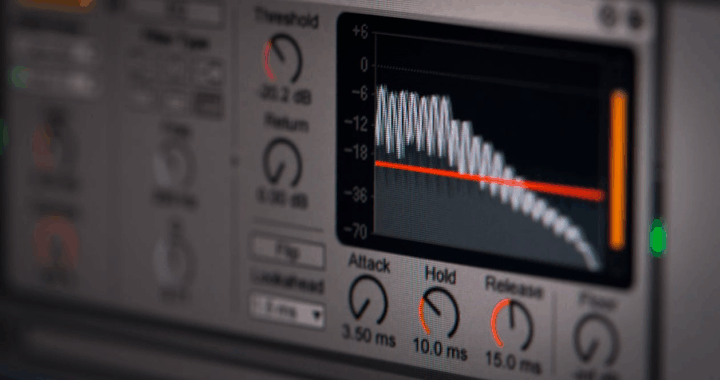
One of the most common forms of manipulation in audio evidence is the insertion or removal of segments. These alterations can shift context, hide key information, or make a conversation appear misleading. To detect such edits, an audio forensic expert uses spectral analysis and waveform comparisons. These tools reveal abrupt transitions, unnatural gaps, or overlaps that indicate interference with the original timeline.
For example, if a speaker’s voice pattern is consistent and then suddenly changes in pitch or volume, it may signal that two different audio sections have been combined. Similarly, background noises such as hums, clicks, or ambient sounds often shift unnaturally after a splice, giving trained ears and software the evidence needed to flag manipulation.
Analyzing Background Noise and Frequency Consistency
Every environment has its own acoustic signature. Even small shifts in the position of a recording device can impact how background noise registers. This makes background consistency one of the most telling factors in verifying a recording’s integrity.
During audio authentication services, experts compare background frequencies throughout the recording. A sudden disappearance or alteration of ambient noise—such as a ceiling fan, traffic hum, or footsteps—can indicate that a section was inserted from a different source or recorded under different conditions. An audio forensic expert can identify these inconsistencies and determine whether the recording presents a continuous, unbroken event or a manipulated version of reality.
Timing Analysis and File Properties
Technical evaluation of file properties also supports the authentication process. Timing metadata, bit rates, and encoding formats all provide valuable clues. Files that show irregular timestamp patterns or multiple compression layers may have been processed more than once, suggesting possible tampering.
A digital forensic consultant skilled in examining audio file structures can assess whether the file has remained in its original state or if software has been used to edit its contents. These findings are especially important when preparing for expert witness testimony, where the chain of custody and file integrity are often challenged.
Building Trust in Sound Evidence
Establishing audio authenticity for the court is not just about reviewing what was said—it’s about ensuring the recording hasn’t been altered to mislead or conceal. The expertise of an audio forensic expert, along with support from audio authentication services and insights from a digital forensic consultant, strengthens the legal validity of any audio recording. When accuracy and credibility matter most, trust us at Eclipse Forensics for professional support that stands up in court.
Contact us today.