
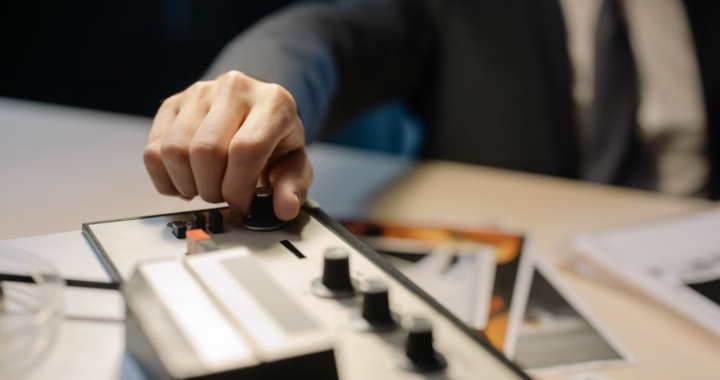
A recording can hold the one sentence that matters and still be almost impossible to understand. Background noise, overlapping voices, or a weak microphone can bury it. Forensic audio services reduce that noise, clarify speech, and protect the original file, so the recording becomes usable without changing what was actually said.
Why Are Some Recordings Hard to Understand?
These are the following reasons:
- Background noise from traffic, crowds, or machinery
- Competing voices talking over each other
- Poor microphones that distort or muffle speech
- Interference, such as hum, static, or phone-line noise
- Low volume that leaves speech barely audible
Enhancement: Removing What Doesn’t Belong
Audio enhancement is about taking away unwanted sound. Examiners use equalization, filtering, and source separation to make speech clearer, and Eclipse Forensics uses forensic audio enhancement for this kind of background noise reduction and enhancement.
It can’t create words that were never recorded. Every step is documented, and the original file stays untouched.
Voice Identification: Who Is Speaking?
When it isn’t clear who is speaking, a forensic audio specialist compares the voices in a recording with known samples to find who is speaking. It helps with threats, anonymous calls, and disputed conversations.
Results depend on recording quality, so heavy noise can limit what an examiner can conclude.
Audio Authentication: Can the Recording Be Trusted?
A clear recording still has to be trusted. Audio authentication checks whether a file has been edited, cut, or altered.
The European forensic network ENFSI published a best-practice manual for audio authenticity analysis that helps separate original recording features from later alterations, which is why examiners study the whole recording, not just the speech.
Preservation: Protect the Original File
Preservation protects everything above. Keep the original file or device, avoid re-saving or converting it, and let the examiner work from copies. Original recordings carry the metadata and detail every technique depends on, and copies lose both.
Store the file somewhere safe, and write down the device it came from, when it was recorded, and who has handled it.
Mistakes That Make Audio Harder to Fix
These common steps can harm usable details:
- Running a consumer noise-removal app on the only copy
- Sending the file through messaging apps that compress it
- Recording the playback with a second device
- Trimming the clip to the part that matters
Each removes information permanently, which might be important for an examiner during forensic analysis.
What You Should Receive
A reliable examination by an audio forensic expert ends with a clear written report explaining the steps taken, what the audio does and does not support, and how confident the findings are.
If a word stays unclear after enhancement, a trustworthy examiner says so instead of guessing. Forensic Science Simplified’s guide to forensic audio and video analysis explains that audio engineering can make muffled voices easier to hear on recordings.

Get Forensic Audio Services in Florida
If background noise is hiding something important beneath overlapping voices, our forensic audio services in Florida can help you hear more of it.
Eclipse Forensics provides court-certified forensics, so your results come from a documented process. We also offer file extraction and conversion for recordings that won’t play on standard software.
Preserve the original audio and get an analysis done before critical details are lost. Contact us now and get a clear, documented answer.