

People who work in investigations grow accustomed to uncertainty, yet few things unsettle them like a recording that refuses to cooperate. You press play and hear muffled voices, vague shapes of sentences, or a wall of background noise. Nothing sits still. Nothing feels dependable. Whether the audio comes from a phone in someone’s pocket, a busy sidewalk, or a cramped vehicle, the pressure to understand it can feel immediate and personal. The search for clarity becomes a search for truth, and this carries emotional weight.
That feeling is familiar to anyone who deals with digital forensics cybercrime cases. Audio can shape an investigation. It can challenge assumptions or confirm them. It can shift the direction of a legal strategy. When the recording itself is clouded, everyone involved feels the uncertainty. The work of enhancing audio grew out of this need for clarity. At its core, the goal is simple. Make the recording understandable without changing the meaning. The path to achieving that goal is anything but simple.
Understanding the Problems Before Fixing Them
How Real-World Recording Conditions Damage Audio
Recordings tied to investigations rarely come from ideal setups. A phone might be half covered by a hand or buried in a pocket. A small recorder could sit on a table beside an air conditioner, with the motor hum filling every pause. Street interviews bring the sounds of passing cars, footsteps, and wind. Low-quality microphones add their own rough edges, turning speech into something flat and hard to separate from background noise.
Messaging apps and social platforms compress audio to keep file sizes small, which strips away detail that a specialist would generally rely on. Security cameras and doorbell devices often record wide spaces, so voices are distant and swallowed by echoes. In work linked to digital forensics cybercrime, investigators also see audio that has passed through several devices, exported, re-saved, and forwarded, each step nudging it further from the original. By the time an expert hears the file, it carries a long history of technical compromises.
Why Careful Triage Matters Before Enhancement
The first thing an experienced analyst does is slow down and study the recording as it truly exists, faults and all. A digital forensic engineer or data forensic expert listens from start to finish, then listens again with a more narrow focus. They examine the waveform shape, check file properties, and evaluate sample rate, codecs, and any signs of conversion. A forensic computer analyst may compare versions or trace the source of the audio into a broader set of digital evidence.
Spectrogram views help reveal sudden jumps, missing portions, or segments that do not behave like the rest of the file. These early checks are critical in any serious case, especially when the work will be used in court. In digital forensics cybercrime matters, authenticity can be questioned immediately, so this quiet triage stage protects the integrity of the evidence long before any enhancement begins.
Why Noise Reduction Must Be Precise

Understanding Noise As Its Own Kind of Signal
Noise is not just an annoyance that sits behind speech. Every type of interference has a shape and pattern that can be described and targeted. Traffic rumble gathers at low frequencies and lingers. Electrical hum tends to sit at very specific points along the spectrum, sometimes with clear harmonics. Hiss rises into the high range and blankets quiet speech. Wind comes and goes in irregular bursts and can mask consonants that carry essential meaning.
Specialists who work in audio forensic services learn to listen for these patterns and recognize which are constant, which are intermittent, and which might hold investigative value. For example, background sounds in a digital forensics cybercrime recording might help place a person in a certain type of room or near specific equipment. Noise cannot be treated as a single enemy that must vanish at all costs. It must be studied with the same care as the voice.
Balancing Technology With Human Judgment
Software offers powerful tools, but noise reduction still depends on the person at the controls. A filter can remove a low hum, yet if pushed too far, it will eat into the warmth and clarity of speech. Aggressive settings might make a recording sound cleaner at first listen, while quietly removing syllables that matter to the case. An expert providing audio forensic services FL learns to adjust in small steps, then reviews and compares each version.
Context also plays a role. Audio destined for Audio Authentication Services or legal scrutiny must preserve as much original detail as possible. Enhancement in those situations aims for intelligibility while guarding against unintended alteration. The specialist repeatedly listens to different speakers or headphones at different volumes, checking whether key phrases remain natural and complete. Technology suggests options, but the human ear, guided by experience and responsibility to the evidence, decides where to stop.
Equalization and Filtering as Tools for Clarity
How Frequency Balance Shapes Comprehension
After noise reduction brings the recording to a calmer baseline, attention shifts to the parts of the signal that hold spoken words. Human speech occupies a fairly compact range, yet it depends on subtle details within that range. Consonants add structure. Vowels carry tone and flow. Small shifts in these areas can determine whether a sentence is understood or completely lost. When low rumble or harsh upper frequencies push against them, the listener hears fragments rather than full ideas.
Equalization helps correct this imbalance. A digital forensic engineer studies where the voice sits within the recording and adjusts the weight of those frequencies until the speech becomes more stable. The work needs restraint. Too much emphasis in one area bends the character of the voice. Too little leaves it buried behind interference. Specialists involved in digital forensics cybercrime investigations learn to guide the equalization in a way that supports comprehension without altering the natural qualities of the speaker.
When Filtering Helps the Recording Step Forward
Filtering works alongside equalization by removing narrow frequency bands that disrupt clarity. A forensic computer analyst may identify a persistent tone from machinery, and a filter can isolate and reduce it with precision. This attention helps the voice gain presence without forcing it forward artificially.
Filtering is also valuable when multiple layers of sound compete for space. An expert offering audio forensic services or audio forensic services FL can locate conflicting bands that mask essential consonants. By easing those obstructions, the recording takes on a more precise shape. Progress happens gradually, with the specialist listening again after every adjustment, and comparing each version to ensure that the speech remains authentic and accurate for investigative or legal use.
Seeing the Sound Through Spectrographic Analysis
Why Visual Interpretation Reveals Hidden Clues
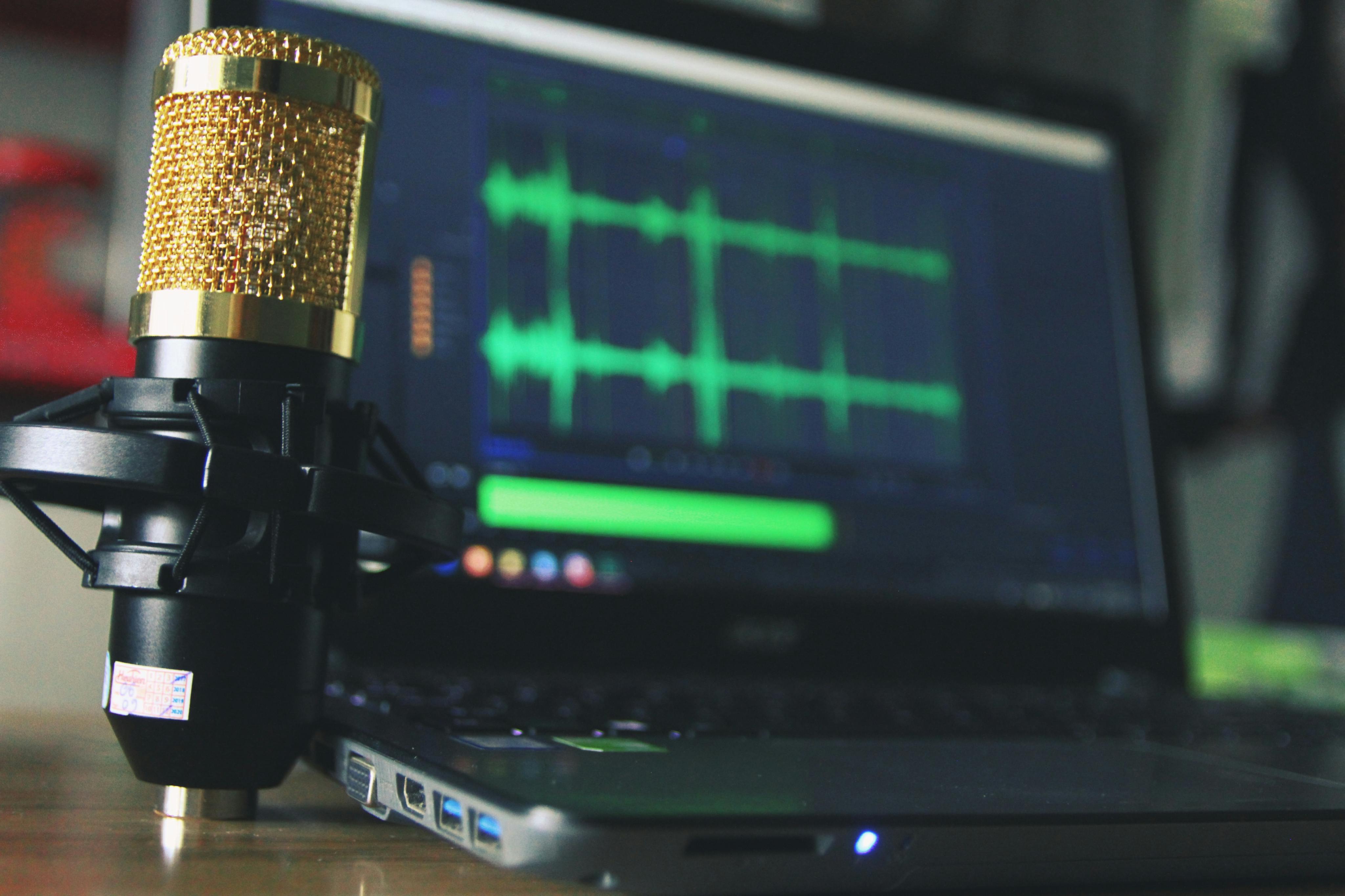
Listening alone cannot capture everything that happens inside a recording. A spectrogram offers a second viewpoint by turning the audio into a visual map of frequency and intensity over time. Patterns appear that may escape the ear. A brief glitch becomes a sharp shape. Two voices talking at once form distinct layers. A sudden break becomes a clear boundary. This view lets specialists see how the recording behaves from one moment to the next, which is especially important in digital forensics cybercrime matters, where even minor irregularities can raise questions.
A spectrogram can also highlight whether a sound repeats mechanically or shows natural variation. This helps identify whether a background element belongs to the environment or was introduced through digital processing. The picture serves as a guide to interpreting what the ear hears, providing the analyst with a richer understanding of the recording’s condition.
How Spectrograms Support Authentication and Enhancement
Spectrographic analysis is essential when the integrity of the recording is under review. Professionals working in Audio Authentication Services compare the visual patterns against what would be expected from an untouched file. If sections display mismatched energy levels, repeated digital shapes, or cuts that do not align with natural speech rhythm, the spectrogram becomes a key indicator that the file needs further scrutiny.
This method supports many areas, including mobile device forensics, digital video forensics, and audio work tied to sensitive investigations. By blending the visual and auditory findings, the specialist strengthens both the enhancement decisions and the conclusions. When the time comes to present the results, the analysis gives attorneys and investigators confidence that the audio has been carefully studied and supported by both science and clear documentation.
The Role of Authentication in Reliable Evidence
As digital forensics cybercrime cases expand, audio files are more vulnerable to alteration. People rely on simple editing apps. Messaging platforms compress or modify files. Screen recordings introduce new distortions. Because of this, authentication has become one of the most essential parts of forensic audio work.
Authentication examines whether the recording holds signs of tampering. Specialists look for unusual wave patterns, mismatched digital signatures, irregular timestamps, or abrupt transitions that do not match natural pauses. They compare versions, check integrity, and verify whether the recording aligns with what the device should produce.
Teams involved in forensic computer analyst investigations, computer forensics consultants, and digital forensic consultant work often collaborate here. Their knowledge of device behavior and file structure strengthens the credibility of the final determination.
Preparing the Recording for Legal Scrutiny
Even when the audio is clear and authentic, it must meet legal standards. Courts expect transparency and reproducibility. Every action taken during the enhancement must be documented. Specialists keep the untouched original file. They create separate working copies. They record each tool and setting used, and they maintain a consistent trail from start to finish.
This discipline ensures that another qualified expert could reproduce the same results if needed. It also protects the integrity of the evidence. Legal teams rely on this consistency, especially when cases involve forensic cell phone data recovery, authenticate video forensics reviews, or any work where digital integrity comes under examination.
Why Human Skill Remains the Deciding Factor
Each recording tells its own story. Technology assists the process, but human judgment guides it. A tool may identify frequencies, yet it cannot determine which sound carries meaning. It may display a spectrogram, yet it cannot decide how much enhancement is appropriate or when to stop.
Audio work blends technical knowledge with patience and a sense of responsibility. The stakes are often high. A low whisper can reveal intent. A brief background sound can place someone at a location. A missing fragment can distort the truth. The specialist listens for nuance and responds with care.
Those who handle investigations, including professionals working with Forensic Video Services, audio forensic services FL, or cell phone forensic services, understand how fragile this process can be. The clarity achieved must be honest, respectful of the original source, and ready for scrutiny.
Closing Thoughts
Reliable audio evidence brings confidence to complex situations. When a recording moves from confusion to clarity, people involved in the case gain a clearer understanding of what happened. Specialists who work with audio enhancement, authentication, and digital evidence help make that possible by combining technical skill with disciplined methods. When you need this level of support, Eclipse Forensics is available to assist with sensitive recordings and provide work that holds up in legal settings.