
Video shapes modern investigations. Cameras record crimes, document disputes, and capture critical moments in real time. Yet raw footage rarely tells the full story. Grainy images, poor lighting, compression artifacts, and distorted angles often hide key details.
Standard playback shows only what appears on the surface. Forensic video analysis goes far deeper. It uncovers subtle clues, clarifies uncertainty, and transforms unclear footage into reliable evidence. Let’s examine how professionals move beyond simple viewing and reveal what the naked eye misses.
Why Standard Video Review Falls Short
Many people assume that replaying footage several times will expose every detail. That assumption creates risk.
Security systems compress files to save storage space. Mobile phones auto-adjust exposure and color. Surveillance cameras record at low frame rates. These technical factors distort reality.
When someone zooms into footage using ordinary software, pixels stretch and blur. When someone pauses a frame, motion artifacts remain frozen. When someone increases brightness, noise overwhelms detail.
A trained forensic video analysis expert understands these limitations. Instead of guessing, the expert evaluates the recording system, file structure, and metadata before beginning enhancement. That process preserves integrity and prevents distortion.
Understanding the Science Behind the Image
Every digital video contains layers of data. Each frame consists of pixels arranged in patterns of light and color. Compression algorithms discard information to reduce file size. Recording devices encode timestamps, bit rates, and resolution settings into the file.
Digital video forensics examines these elements systematically.
An analyst studies:
- Frame sequencing
- Native resolution
- Compression type
- Time encoding
- File container structure
This technical review reveals whether footage shows continuity or gaps. It also confirms whether someone altered the file. Without this scientific foundation, interpretation turns speculative. With it, conclusions stand on measurable facts.

Clarifying Motion and Speed
Human vision struggles to interpret rapid movement. A punch, a weapon discharge, or a passing vehicle may occur within fractions of a second.
Through forensic video analysis, specialists isolate frames, correct distortion, and reconstruct motion accurately. They determine:
- Direction of travel
- Relative speed
- Sequence of actions
- Timing between events
A video forensic expert may synchronize multiple camera angles to build a cohesive timeline. This synchronized review often exposes details that single-camera playback hides. Clear sequencing prevents misinterpretation. It ensures that investigators and courts evaluate actions in proper context.
Enhancing Without Altering
Enhancement does not mean manipulation. Professionals must improve visibility without changing content. A qualified forensic video analysis expert applies validated techniques such as:
- Contrast balancing
- Noise reduction
- Perspective correction
- De-interlacing
- Frame averaging
Each method follows strict forensic standards. The analyst documents every step to maintain transparency.
Enhancement clarifies facial features, clothing details, license plates, or background objects. It never adds information that did not originally exist. This distinction protects evidence credibility.
Revealing Hidden Details in Low-Light Footage
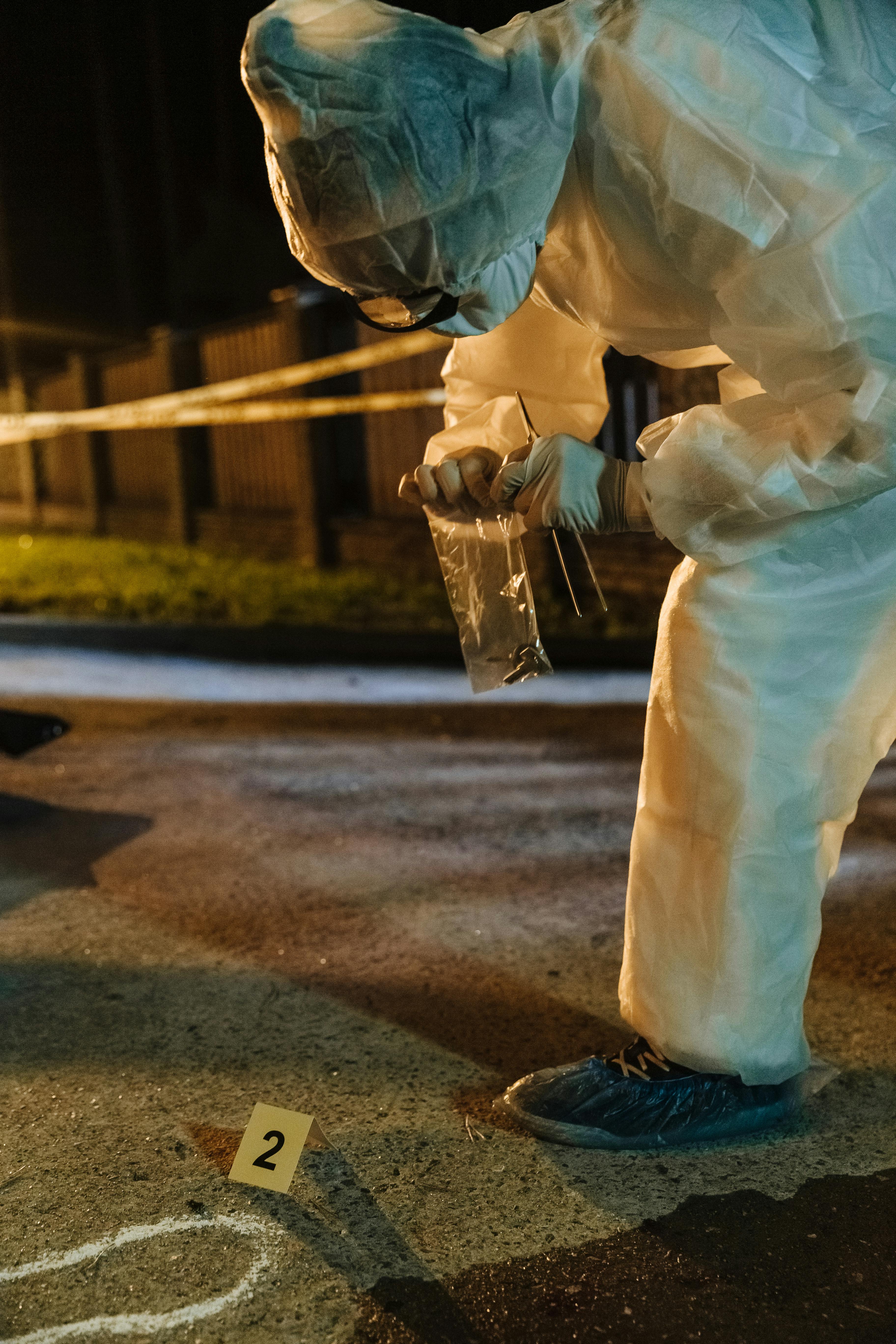
Many incidents occur at night. Low-light recordings create shadows, glare, and digital noise. Streetlights may wash out faces. Infrared cameras may distort colors.
Digital video forensics uses specialized filtering and luminance analysis to recover usable detail from dark footage. Analysts isolate light ranges and reduce interference from glare.
This process often reveals:
- Subtle movement in shadowed areas
- Objects concealed by poor exposure
- Interactions that initial viewers overlooked
Low-light recovery requires technical precision. Guesswork only amplifies noise. A trained video forensic expert works frame by frame to extract clarity from darkness.
Authenticating Video Evidence
Modern editing tools allow anyone to cut, splice, or alter footage. Deepfake technology increases the risk of fabricated content.
Forensic video analysis addresses authenticity directly.
An expert evaluates:
- Metadata consistency
- Compression signatures
- Frame anomalies
- Audio-video synchronization
- Encoding irregularities
These indicators reveal whether someone tampered with the file. Courts demand proof of authenticity. A forensic video analysis expert provides documented findings that establish chain of custody and confirm integrity. Authentication strengthens admissibility and protects against false claims.
Correcting Perspective and Distortion
Surveillance cameras rarely capture scenes at ideal angles. Wide-angle lenses bend straight lines. Overhead views distort height perception. Tilted mounting positions skew spatial relationships.
A video forensic expert applies geometric correction to compensate for lens distortion and camera angle. By analyzing reference points within the scene, the expert reconstructs accurate proportions.
This correction helps determine:
- True height comparisons
- Distance between individuals
- Positioning of vehicles
- Path of movement
Without correction, perspective errors can mislead juries and investigators. With proper calibration, footage reflects reality more accurately.
Isolating and Comparing Individuals
Identification requires more than a quick glance. Clothing similarities, lighting changes, and partial obstructions often create confusion. Forensic video analysis uses frame isolation and side-by-side comparison to evaluate consistent traits.
Experts analyze:
- Gait patterns
- Body proportions
- Distinctive movements
- Object handling behavior
Gait analysis, in particular, offers valuable insight. Every individual walks with unique rhythm and posture. When facial clarity fails, movement patterns often provide additional evidence.
A trained forensic video analysis expert presents these comparisons objectively, avoiding assumptions and focusing strictly on measurable characteristics.
Synchronizing Audio and Video
Video rarely stands alone. Audio may capture tone, timing, or background cues that reinforce visual evidence.
Through digital video forensics, analysts align audio waveforms with video frames. They confirm whether sound matches visual action.
This synchronization can determine:
- Exact timing of a gunshot
- Verbal exchanges during an altercation
- Environmental cues such as doors opening or engines starting
Accurate synchronization strengthens overall interpretation and clarifies disputed timelines.
Recovering Deleted or Damaged Footage
Some cases involve partially corrupted files or deleted recordings.
A video forensic expert examines storage devices, DVR systems, and file fragments to recover usable data. Specialists reconstruct proprietary formats and convert them into accessible forms without altering content.
Recovery efforts often uncover:
- Overwritten segments
- Hidden partitions
- Backup fragments
This technical skill transforms incomplete evidence into coherent documentation.
Preparing Evidence for Courtroom Presentation
Clarity alone does not secure credibility. Presentation matters. A forensic video analysis expert prepares demonstrative exhibits that explain findings clearly. The expert avoids exaggeration and presents enhancements alongside original footage for transparency.
Professional presentation includes:
- Documented methodology
- Step-by-step explanation
- Visual comparison panels
- Timeline charts
Judges and juries must understand not only what the footage shows but also how the expert reached conclusions. Structured presentation ensures comprehension and trust.
Avoiding Misinterpretation and Bias
Video can mislead viewers. Perspective distortion may exaggerate aggression. Frame rate differences may alter perceived speed. Shadows may create illusions.
Forensic video analysis counters these risks by grounding interpretation in measurable data.
A disciplined video forensic expert:
- Separates fact from assumption
- Avoids speculative conclusions
- Relies on validated methodology
- Documents every analytical step
Objective analysis protects investigations from emotional reactions or premature judgments.
Strengthening Investigations with Precision
Modern investigations rely heavily on recorded media. Law enforcement agencies, attorneys, corporations, and private individuals depend on reliable interpretation.
Video forensic services provide that reliability. Specialists combine engineering knowledge, software proficiency, and investigative discipline to extract factual insight from digital files.
This precision transforms unclear recordings into compelling evidence. It clarifies timelines, confirms authenticity, and supports testimony. When handled correctly, video becomes one of the strongest forms of documentation available.
Why Experience Matters in Forensic Video Work
Technical tools alone do not guarantee accuracy. Expertise drives meaningful results. A seasoned forensic video analysis expert understands both technology and legal standards. The expert recognizes how small errors can compromise admissibility. Experience ensures that enhancement remains defensible under cross-examination.
Professional video forensic services bridge the gap between raw data and courtroom-ready evidence. They combine engineering precision with investigative clarity. In complex cases, that difference proves decisive.
When the Details Determine the Outcome
Small details often decide the direction of a case. A shadow in the corner of a frame, a reflection in a window, or a slight delay between movement and sound can shift interpretation completely. Standard playback rarely captures these nuances. Careful forensic video analysis brings those critical elements into focus and places them within a verified timeline.
A skilled forensic video analysis expert examines footage methodically, measuring motion, evaluating frame continuity, and confirming authenticity before drawing conclusions. This disciplined approach prevents assumptions and replaces speculation with demonstrable findings. In high-stakes investigations, that precision protects both facts and fairness.
Professional video forensic services also ensure that enhanced footage withstands scrutiny. Courts expect transparency, documentation, and reliable methodology. Digital video forensics provides that structure, transforming unclear recordings into evidence that communicates clearly and confidently. When every frame matters, thorough analysis makes the difference between uncertainty and clarity.
Trust Eclipse Forensics for Proven Forensic Video Analysis
At Eclipse Forensics, we deliver precise, court-certified forensic video analysis backed by decades of engineering expertise. Our team includes highly trained specialists who approach every case with accuracy, objectivity, and technical rigor.
We provide comprehensive video forensic services, including enhancement, authentication, recovery, and expert witness testimony. Our certified professionals apply advanced digital video forensics techniques to uncover critical details that standard review overlooks.
When your case demands clarity and credibility, our experienced forensic video analysis expert team stands ready to help. Contact Eclipse Forensics today to ensure your video evidence receives the professional examination it deserves.