

Anyone who uses a phone or computer leaves small fragments of activity behind. Most of the time, it feels harmless. You text, delete, scroll, search, watch, save, and move on with your day. Yet each of those moments leaves a mark on a device or platform. It may not feel important at the time. It may fade from memory. Still, the record remains. Very little in a digital system disappears without leaving some kind of trace, and the same principle supports forensic video authentication when questions arise about whether footage is genuine.
What makes digital forensics so compelling is the human element behind these traces. Every action in a device reflects a choice, a habit, a reaction, a fear, or even a mistake. The work of a digital forensic analyst is an attempt to understand the story behind those technical choices. When someone tries to erase something, or when a crucial detail becomes hidden inside a system, the analyst attempts to follow the faint marks left behind. Those marks can reveal a sequence of events that no witness could describe with the same accuracy.
How Digital Evidence Forms Without Anyone Realizing It
Everyday actions that quietly leave a trail
Most people treat their devices like extensions of their own memory. Open a document, close it, move it to a new folder, and the task feels finished. Behind the scenes, the system notes when that file was created, when it changed, and where it moved. The same thing happens during a casual scroll through social media or a late night search on a laptop. Each tap, click, and swipe leaves a record inside the device, on a server, or through a service provider. Photos carry far more than an image. They store coordinates, time, device details, and sometimes even information about the software used to edit them. Messages that seem deleted can linger inside backups or on remote systems long after the sender thinks they are gone. None of this requires user effort. The record forms by default, as part of how digital tools function.
Why hidden data matters in real investigations
When trouble arises, those quiet records become central to investigators’ work. An ordinary phone backup can show movement across a city. Email headers can reveal the true origin of a message. Server logs can connect one device to another at a specific moment. Specialists who provide digital forensic services FL treat these fragments as pieces of a wider picture rather than isolated facts. A data forensic expert studies timestamps, file paths, and account activity to reconstruct events with precision. What seems like trivial system behavior to most people can carry real weight in court or during internal investigations. It can confirm a story, challenge an alibi, or explain how confidential material left a network. In this way, digital footprints quietly shape outcomes long after the original actions have faded from memory, and they often support later steps in forensic video authentication when video evidence enters a case.
When an Analyst Begins the Work of Reconstruction
Securing the source before anything else happens
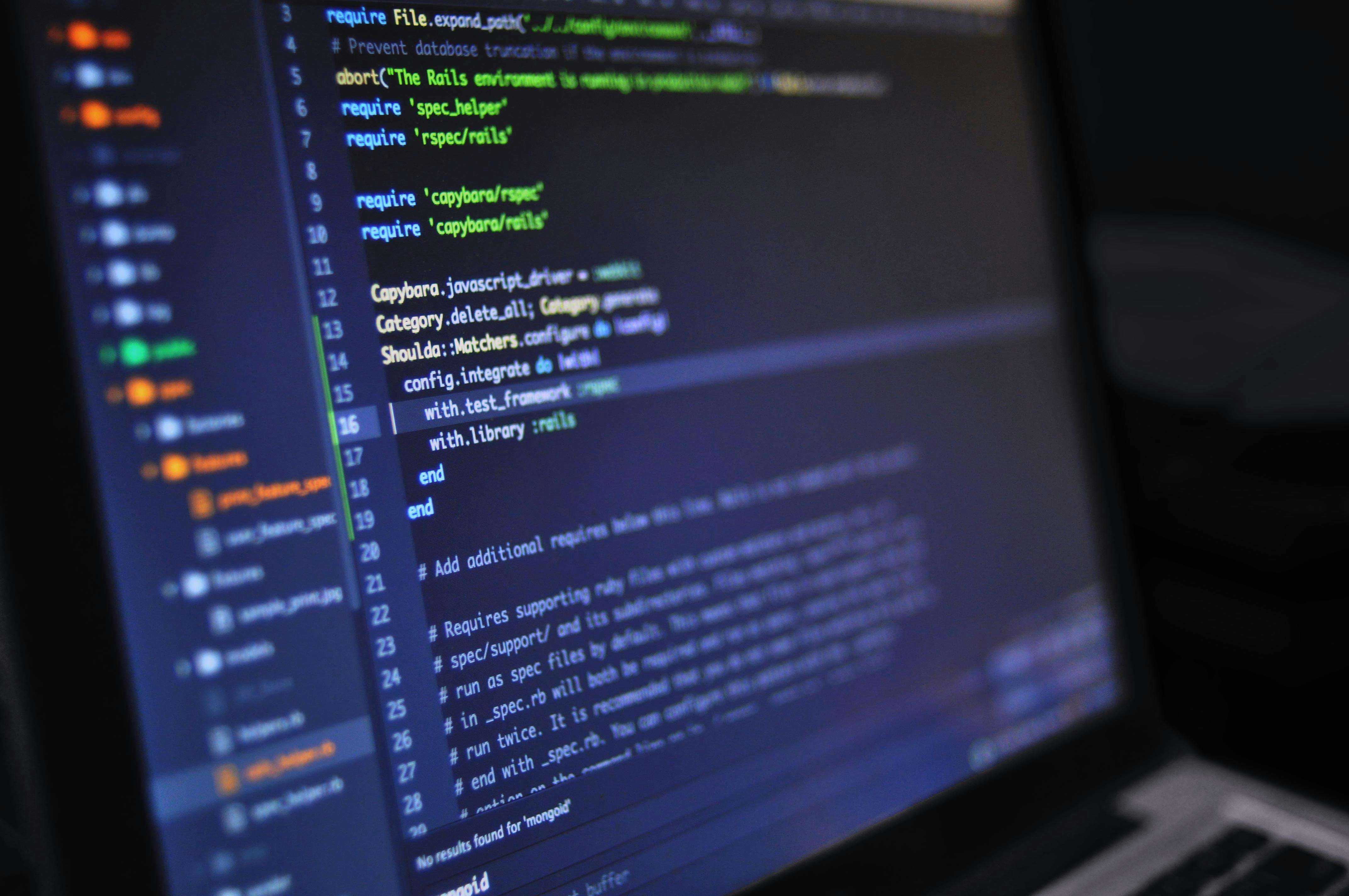
Once a device arrives in the hands of a professional, the pace slows. The first aim is preservation. A forensic computer analyst or digital forensic engineer will handle the phone, laptop, or storage drive with a method that protects every bit of information. They create a forensic image, which is a complete copy that can be examined without touching the original. This step matters because any change to the source can raise questions later in court. Documentation starts immediately and follows strict rules. Time, date, and handling are recorded so the chain of custody remains clear from the first moment. Only when the original evidence is secured and sealed does the analyst turn to the copy for closer inspection. That separation between source and working material is the foundation of trustworthy digital forensics.
Reading the story inside devices and the cloud
With a safe copy ready, the analyst begins to probe where ordinary users never look. Hidden partitions, residual data, logs, and system files can reveal how a device has been used over months or even years. Chat fragments, call records, and app caches often survive long after a person believes they have cleared their history. Experts in mobile device forensics and forensic cell phone data recovery pay close attention to this material because it can speak to location, intent, and contact between individuals. At the same time, a digital forensic consultant may review cloud accounts, shared drives, and online platforms tied to the case. Access logs can show who opened a file, from which address, and at what exact time. Network traces can reveal whether data was sent outside an organization. The work can be slow and methodical, but it allows the analyst to reconstruct a timeline linking digital actions to real-world events.
Why Video Requires Special Attention
The hidden complexity behind a simple recording
The video appears straightforward to the average viewer. Press record, stop, save, share. Yet what looks simple on the surface can be far more complicated once questions arise about accuracy or origin. A recording can be trimmed without leaving visible signs. Two clips can be joined together so smoothly that the shift between them goes unnoticed. Filters can hide faces or distort shadows, altering how a moment appears. These possibilities are the reason forensic video authentication has become a central method used to verify whether a recording reflects actual events. Courts, employers, and private parties often rely on recordings to confirm or challenge a claim. If the footage is inaccurate, the conclusions drawn from it can be misleading.
The work behind verifying authenticity
Analysts who practice digital video forensics approach footage with a level of scrutiny most viewers never consider. They examine timing patterns inside the file to determine whether the sequence flows as it should. They study how the audio aligns with the movement on screen, watching for irregularities that suggest edits. A forensic video analysis expert identifies compression signatures that reveal whether frames were inserted or removed. Minor metadata inconsistencies can indicate when a clip was created and on which device. A Video Forensic Expert can then explain whether the file reflects a continuous moment or a constructed one, a conclusion that relies heavily on proper forensic video authentication. This scrutiny matters because video sources today come from a wide range of devices, including phones, doorbell systems, body cameras, and dashboard cameras. Each source stores information differently, and analysts must understand these differences to give a reliable assessment.
The Human Behavior Hidden Inside Devices

Digital traces shaped by impulse and emotion
Behind every piece of digital evidence is a person who made choices, often during tense or private moments. Someone may delete messages during an argument, thinking the removal is complete. Another person might rename files to feel more secure about their contents. A late-night search may stem from fear. A rushed transfer from one device to another may come from uncertainty.
These actions create records even when the user believes they acted quietly. A data forensic expert, or cyber forensic expert, studies these changes by analyzing the traces left on the device. They learn how to distinguish panic-driven behavior from routine usage. They can sense when someone is attempting to hide information or when actions are simply part of normal daily habits. In this way, the digital trail mirrors the pressures and concerns behind the decisions.
How devices reveal more than their owners expect
Phones and computers gather information constantly. A single photo can show where a person was standing and when the shutter clicked. A voicemail can indicate the path it took from sender to receiver. A contact log can uncover communication patterns between people even when the main message thread appears empty.
Cell phone forensic services can recover these fragments even after the user has tried to remove them. Analysts review these details with context rather than assumptions. A set of timestamps might show someone’s movements across a day. A sequence of deleted images might reveal an attempt to hide a meeting or event.
When scrutinized, these subtle pieces help reconstruct a picture of what actually happened, connecting human behavior to digital evidence to support a clear understanding of the past.
Challenges That Shape Modern Digital Forensics
The shifting terrain created by new technology
Digital forensics never stands still. Each new device brings its own architecture, storage behavior, and security features. Encryption protects personal data, which is valuable to the average user, but it can create long delays when evidence is needed. Applications overwrite older entries without warning, leaving only fragments behind.
Cloud platforms scatter information across multiple regions, sometimes across different countries, making it harder to obtain complete records from a single source. Routine software updates modify how data is logged or reorganize internal structures, which can frustrate attempts to trace a sequence of events.
Analysts have to understand these shifts before they can begin working through the material. That constant change creates both opportunity and challenge, because each new tool may solve one problem while creating another.
The skill and patience required to interpret modern data
People in this field must stay flexible. They study new storage formats. They adjust their approaches when a device changes how it records actions. They learn how different apps hide, protect, or move user information. A digital forensic engineer may spend days studying a single device just to understand how it organizes its own records.
The process can feel slow, yet every detail matters. Digital forensics relies on thoughtful problem-solving, careful timing, and the ability to stay focused when systems behave in unexpected ways. Analysts who handle digital forensic services FL understand that even a single overlooked artifact can change the direction of an investigation. The complexity of modern devices demands a level of patience that goes far beyond routine technical work.
Legal Requirements Add Structure to the Process

Why do rules guide every step of evidence handling
Every digital investigation operates within strict legal boundaries. The first goal is to capture and preserve the original material without altering it. Once the evidence is collected, each action must be recorded. That record shows who handled the device, when it was accessed, and what procedures were used.
Courts pay close attention to this chain of custody. If any part of it appears unclear, the opposing side may question the validity of the results. This is why a forensic computer analyst keeps detailed notes from the moment a device arrives. The method must be consistent and repeatable so that the findings can be defended with confidence.
How experts make technical details understandable
Judges and juries often rely on testimony from specialists to make sense of behavior inside devices. A cyber forensic expert or digital forensic consultant must translate complex concepts into language that anyone in the courtroom can understand. They explain how a file was recovered, how metadata was examined, and why certain traces support a particular conclusion.
Their clarity helps decision makers trust the evidence rather than feel lost in technical detail. When an expert can show how digital patterns fit together, the court gains a clearer understanding of what occurred. It is this bridge between technical analysis and clear communication that gives digital evidence its power in legal settings.
Closing Thoughts
Digital forensics has become one of the most important investigative tools in modern cases. It reveals motives, timelines, actions, and hidden details that connect one moment to another. It can bring clarity to events that seemed confusing. And when the stakes are high, a trained professional can make sense of the traces left behind.
For those who need help with complex matters involving phones, computers, networks, or video, support is available. Eclipse Forensics assists with forensic video authentication, digital investigations, and a wide range of technical evidence needs.