
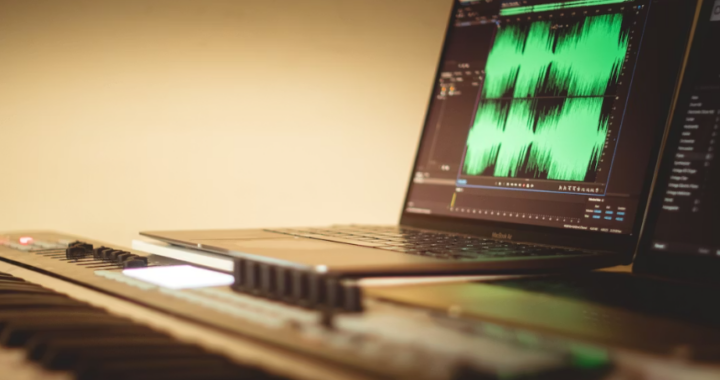
In modern investigations, audio recordings often carry details that visual evidence cannot capture. Forensic sound analysis plays a central role in uncovering these details by examining recordings at a scientific level. From faint background voices to subtle distortions, expert analysis can transform unclear audio into credible, court-admissible evidence. When handled correctly, sound becomes more than noise. It becomes data that tells a precise and defensible story.
The Scientific Foundation of Audio Evidence
Audio evidence is inherently complex. Recordings contain layers of sound, including primary speech, ambient noise, device artifacts, and environmental interference. Forensic specialists rely on established acoustic science to separate these elements without altering the original content. This process ensures evidentiary integrity while allowing investigators to understand what was captured and how it was recorded.
An experienced audio forensic expert begins by evaluating the source file. Factors such as file format, compression, sampling rate, and recording device influence how sound behaves within the file. Understanding these technical characteristics is essential before any analysis begins.
Filtering Without Distortion
One of the most misunderstood aspects of audio analysis is filtering. Contrary to common belief, filtering does not mean erasing unwanted sounds entirely. Instead, experts use calibrated tools to reduce competing frequencies that mask relevant audio. The goal is clarity, not alteration.
Using controlled filtering techniques, professionals isolate speech frequencies while preserving the original waveform. This approach allows analysts to identify spoken words, environmental cues, or sequence timing without introducing artifacts. High-quality filtering is a hallmark of credible audio forensic services, particularly when recordings are challenged in court.

Spectral Analysis and Frequency Mapping
Spectral analysis is one of the most powerful tools in forensic sound work. By converting audio into a visual frequency map, analysts can observe patterns that are invisible to the human ear. These patterns reveal overlapping voices, edits, background disturbances, and anomalies within the recording.
Spectrograms allow experts to determine whether sounds occurred naturally or were introduced later. This technique is often used alongside audio authentication services to verify continuity and detect potential tampering. When disputes arise over authenticity, spectral analysis provides measurable, repeatable findings grounded in science.
Enhancement Versus Interpretation
Audio enhancement improves intelligibility, but interpretation remains a separate and carefully controlled step. Forensic professionals do not speculate or infer meaning beyond what the audio supports. Every enhancement action is documented, repeatable, and reversible.
This distinction is critical in legal settings. A qualified forensic video analysis expert or audio specialist ensures that enhancement does not introduce bias. Courts rely on this discipline to maintain fairness and objectivity when audio evidence is presented.
Identifying Edits and Interruptions
Modern editing software makes it easy to manipulate recordings, but those manipulations often leave traces. Abrupt frequency changes, inconsistent background noise, or mismatched encoding signatures can indicate edits. Through careful examination, experts can determine whether a recording reflects a continuous event.
This process often intersects with broader digital investigations involving digital video forensics or metadata review. Audio rarely exists in isolation, and understanding its relationship to other digital evidence strengthens the overall analysis.
Contextual Clues in Background Sound
Beyond speech, background audio can provide critical context. Environmental sounds such as traffic, alarms, machinery, or room acoustics help establish location and timing. Even silence has forensic value when examined properly.
A skilled digital forensic consultant evaluates these elements to support timelines and corroborate witness statements. These subtle details frequently become decisive factors in contested cases.
Admissibility and Expert Methodology
For audio evidence to withstand scrutiny, analysis must follow accepted forensic standards. Chain of custody, documentation, and methodological transparency are essential. Courts expect experts to explain not only their conclusions but how those conclusions were reached.
This is where collaboration with a computer forensics expert witness or multidisciplinary forensic team becomes critical. Audio findings often integrate with broader digital evidence, creating a cohesive narrative supported by multiple data sources.
Addressing Distortion, Compression, and Environmental Noise
Modern recordings are rarely captured in controlled environments. Audio files may contain compression artifacts, clipping, reverberation, or interference from surrounding activity. A forensic sound analysis approach accounts for these variables by isolating how environmental factors influence sound behavior.
Investigators examine echo patterns, room acoustics, microphone placement, and signal degradation to determine whether a recording reflects a natural capture or intentional manipulation.
Advanced filtering techniques allow analysts to suppress persistent background noise without altering speech characteristics. This distinction is critical in legal contexts, where aggressive noise reduction could unintentionally modify evidentiary content. A trained audio forensic expert applies calibrated methods that enhance clarity while preserving the original signal structure, ensuring findings remain defensible.
Speaker Identification and Voice Comparison Methods
One of the most technically demanding aspects of forensic audio work involves speaker identification. Analysts compare known and questioned voice samples using pitch, formant frequencies, speech rhythm, and articulation patterns. These comparisons rely on statistical models and controlled listening tests rather than subjective judgment.
In cases involving disputed recordings, audio authentication services play a key role in determining whether voices originate from the same speaker or whether edits introduced inconsistencies. This process often supports broader investigations that include forensic video analysis or digital file review, reinforcing conclusions across multiple evidence types.

Synchronizing Audio With Video and Digital Evidence
Audio evidence rarely exists in isolation. Investigators frequently correlate sound with visual or digital records to establish timelines and context. When paired with surveillance footage, analysts assess whether audio aligns with visual actions, ambient sounds, or environmental cues. Discrepancies between sound and motion may indicate splicing or post-production alterations.
In complex cases, collaboration with a video forensic expert or digital forensic consultant ensures consistency across disciplines. Audio waveforms can be matched to video frames, while metadata and system logs confirm when and how recordings were created. This integrated approach strengthens evidentiary reliability and reduces ambiguity.
Detecting Tampering Through Spectral and Temporal Analysis
Tampering detection remains a central objective of forensic audio examinations. Analysts scrutinize spectral continuity, phase alignment, and amplitude consistency to identify edits, overdubs, or deletions. Even subtle manipulations often leave measurable traces, such as abrupt frequency transitions or unnatural silence gaps.
Temporal analysis further reveals whether a recording reflects continuous capture. Changes in background noise patterns or electrical interference signatures may suggest interruptions. These findings often complement work performed by computer forensics consultants, who examine file histories and storage behavior to confirm or challenge authenticity claims.
Establishing Chain of Custody and Evidentiary Integrity
Beyond technical enhancement, forensic audio professionals focus on maintaining evidentiary integrity. Proper documentation of handling, analysis steps, and software settings is essential. Courts require transparency regarding how conclusions were reached and whether methods comply with accepted forensic standards.
In litigation, an experienced computer forensics expert witness or audio specialist may be called upon to explain methodologies clearly and objectively. Their role involves translating complex signal processing concepts into understandable testimony without overstating conclusions. This balance preserves credibility and ensures the evidence withstands cross-examination.

Ethical Boundaries in Audio Enhancement
Ethics guide every stage of forensic audio work. Enhancement aims to clarify existing information, not create new content. Analysts must resist overprocessing that introduces artifacts or alters meaning. Maintaining original copies, documenting every adjustment, and adhering to repeatable procedures protect both the analyst and the legal process.
This ethical framework mirrors practices used in video forensic services and other digital disciplines. Consistency across forensic domains reinforces trust in expert findings and supports fair outcomes.
The Expanding Role of Audio Forensics in Modern Investigations
As recording devices become more prevalent, audio evidence appears in an increasing range of cases. From criminal investigations to civil disputes and corporate inquiries, sound analysis offers insights unavailable through other means. Background noises can reveal locations, timing, or participant actions that written records overlook.
When combined with cell phone forensic services or broader digital examinations, audio findings contribute to a comprehensive evidentiary picture. The growing sophistication of recording technology demands equally advanced forensic methods, making professional analysis indispensable.

Why Professional Analysis Matters
Untrained enhancement or casual interpretation can undermine otherwise valuable evidence. Proper forensic analysis protects the integrity of recordings while revealing the truth they contain. In complex investigations, this distinction can be decisive.
When audio evidence is examined under a forensic microscope, every frequency tells part of the story. The key lies in knowing how to listen.
Partner with Eclipse Forensics for Defensible, Science-Driven Audio Investigations
At Eclipse Forensics, we approach audio evidence with scientific rigor and legal precision. We apply proven forensic sound analysis methods alongside audio forensic services, audio authentication services, and multidisciplinary digital expertise to support high-stakes investigations.
We understand how audio integrates with broader forensic findings, including work performed by a digital forensic consultant. Our team is committed to delivering defensible conclusions that withstand scrutiny and help uncover the truth with clarity and confidence.
Get in touch with us today to get started.