
Digital forensics plays a vital role in modern legal proceedings. From retrieving deleted messages to authenticating surveillance footage, it provides essential evidence in both criminal and civil cases. However, despite its importance, many misconceptions about digital forensics continue to circulate, particularly within courtroom contexts. These misunderstandings can affect jury perception, influence case outcomes, and even lead to misinterpretation of crucial evidence.
Misconception #1: Digital Evidence Can Never Be Altered
One widespread myth is that digital evidence is always reliable and immune to tampering. In reality, digital data can be manipulated. That’s why the process of forensic image analysis and digital video forensics includes verifying metadata, file integrity, and data chains to ensure authenticity. Courts rely on these detailed validation steps to confirm that the evidence has not been compromised.
Misconception #2: All Forensic Tools Deliver the Same Results
Another false belief is that all digital forensic tools work the same way or produce identical results. The truth is, different tools vary in their capabilities and accuracy. An expert using specialized software for forensic image analysis or digital video forensics may extract far more relevant information than someone using generic or outdated programs.
Misconception #3: Anyone Can Interpret Digital Forensics Data
Some believe that reading digital forensic reports requires little expertise. This is dangerous. The interpretation of digital evidence, such as image enhancements or video reconstructions, requires a trained professional to avoid misleading conclusions. In court, an unqualified opinion can easily distort the true meaning of the findings.
Misconception #4: Digital Forensics Always Provides a Clear Answer
Unlike in crime dramas, digital forensics doesn’t always deliver an instant “smoking gun.” Sometimes, the data is incomplete, corrupted, or inconclusive. It’s a science that involves probabilities and context, not absolute certainties. Courts must consider this nuance when evaluating evidence.
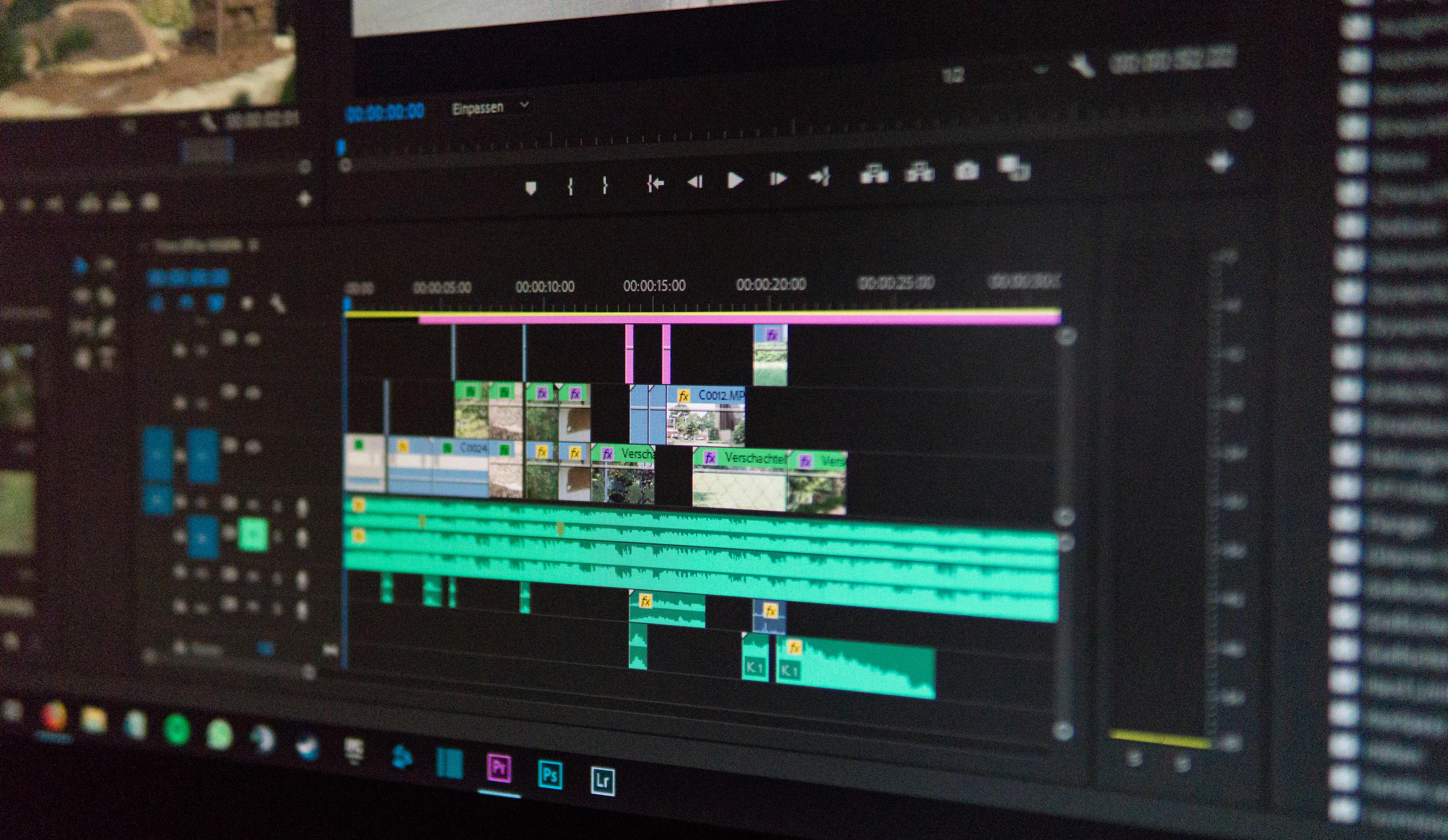
Educating the Courtroom on Forensic Realities
Misconceptions about digital forensics continue to challenge legal proceedings. Understanding the intricacies of digital video forensics, forensic image analysis, and the broader digital evidence landscape is essential for judges, lawyers, and jurors. Only by recognizing the limits and strengths of digital forensics can justice be served effectively and accurately.
At Eclipse Forensics, we specialize in uncovering the truth through advanced forensic image analysis and digital video forensics. Our team is committed to dispelling the misconceptions about digital forensics by delivering accurate, defensible results that hold up in court. Whether you’re dealing with surveillance footage, mobile data, or complex file recovery, we provide expert insights that go beyond surface-level interpretations. Trust Eclipse Forensics to bring clarity to your digital evidence—because in the courtroom, precision matters.
Reach out today to consult with our forensic specialists.