

As smartphones become central to modern communication, they have also become key pieces of evidence in criminal and civil investigations. However, accessing and analyzing this data raises important legal questions. Understanding the legal considerations in cell phone searching is critical for law enforcement, legal professionals, and forensic analysts.
The Legal Framework for Cell Phone Searches
Under U.S. law, searching a person’s cell phone generally requires a warrant. The landmark Supreme Court case Riley v. California (2014) established that digital data on mobile phones is protected under the Fourth Amendment. This means authorities must show probable cause and obtain judicial approval before accessing personal data stored on these devices. Without a warrant, evidence gathered may be ruled inadmissible in court.
Exceptions to the Rule
Despite these protections, certain exceptions apply. If there is a risk of imminent danger, the destruction of evidence, or if the search is part of an arrest where the phone is already in possession, officers may argue for a warrantless search. However, such situations are rare and heavily scrutinized in court.
The Role of Cell Phone Forensic Services
Professionals offering cell phone forensic services play a vital role in the legal process. These experts are trained to extract, preserve, and analyze digital evidence without compromising its integrity. Their work must comply with both legal standards and best practices to ensure admissibility in court.
From call logs and text messages to app data and geolocation history, cell phone forensics uncovers crucial information. However, these specialists must navigate strict guidelines to avoid overstepping privacy boundaries.
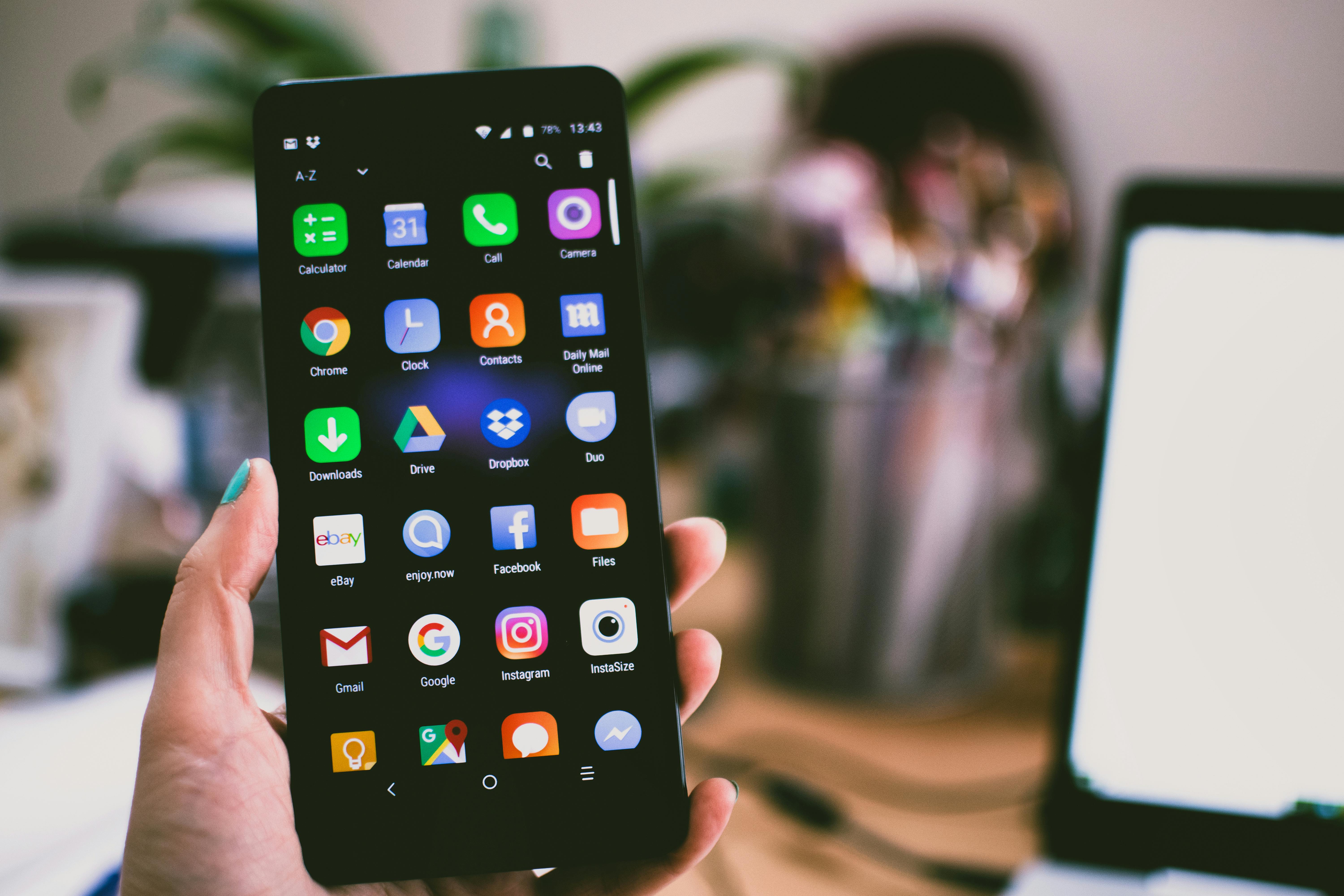
Forensic Image Analysis: A Closer Look
Forensic image analysis is another important component in cell phone investigations. Photos and videos can reveal timestamps, locations, and even tampering. Analysts examine metadata, pixel structures, and compression artifacts to verify authenticity. This scientific scrutiny is essential in validating visual evidence and ensuring it holds up in court.
Striking the Balance Between Justice and Privacy
Ultimately, the goal is to balance effective law enforcement with constitutional rights. Adhering to the legal considerations in cell phone searching helps protect civil liberties while allowing courts to rely on accurate, lawful evidence. As technology evolves, so too must our understanding of its legal implications.
Whether you’re an attorney, investigator, or concerned citizen, staying informed about cell phone forensics ensures that the pursuit of truth never comes at the cost of individual rights.
When legal outcomes hinge on digital evidence, trust Eclipse Forensics to provide expert cell phone forensic services backed by precision and integrity. We specialize in forensic image analysis and data recovery, ensuring that every piece of information we uncover is court-admissible and collected in full compliance with the legal considerations in cell phone searching. Our team stays updated on evolving digital laws and forensic techniques, giving you a strategic advantage in investigations. Whether you’re a legal professional, investigator, or law enforcement agency, Eclipse Forensics is your partner in turning complex digital evidence into reliable courtroom results.
Contact us today to unlock the truth legally and accurately.