
In today’s digitally driven world, the courtroom is no longer dominated by paper trails and eyewitness accounts alone. Increasingly, digital evidence—from surveillance footage to smartphone data—is being introduced in both civil and criminal proceedings. To ensure that this complex evidence is properly understood and fairly evaluated, expert testimony in digital cases has become an essential part of modern litigation. Judges and juries must be prepared to interpret findings presented by digital forensics specialists to make informed decisions.
The Evolving Role of Digital Forensics in Courtrooms
Digital forensics refers to the collection, analysis, and presentation of data from digital devices for legal purposes. It spans a broad spectrum of areas, including mobile device forensics, digital video forensics, and computer forensics. As the scope of data creation expands—think texts, call logs, GPS tracking, emails, social media posts, and video recordings—so too does the need for expert interpretation.
Expert testimony in digital cases ensures that this highly technical evidence is explained in layman’s terms, enabling judges and juries to grasp its relevance and reliability. For instance, raw GPS data from a mobile phone means little without an expert explaining its collection process, accuracy margins, and potential manipulation.
Why Expert Witness Testimony Matters
Expert witness testimony in digital cases is vital for several reasons:
- Technical Translation: Experts bridge the knowledge gap between complex digital systems and the non-specialist audience in the courtroom.
- Validation: They authenticate digital evidence, confirming it hasn’t been tampered with.
- Contextual Understanding: Experts can explain the “how” and “why” behind digital evidence—why a certain file matters, or how deleted messages were recovered.
Their role is not to argue for guilt or innocence but to provide factual, unbiased analysis rooted in their field of expertise.
Understanding Digital Video Forensics
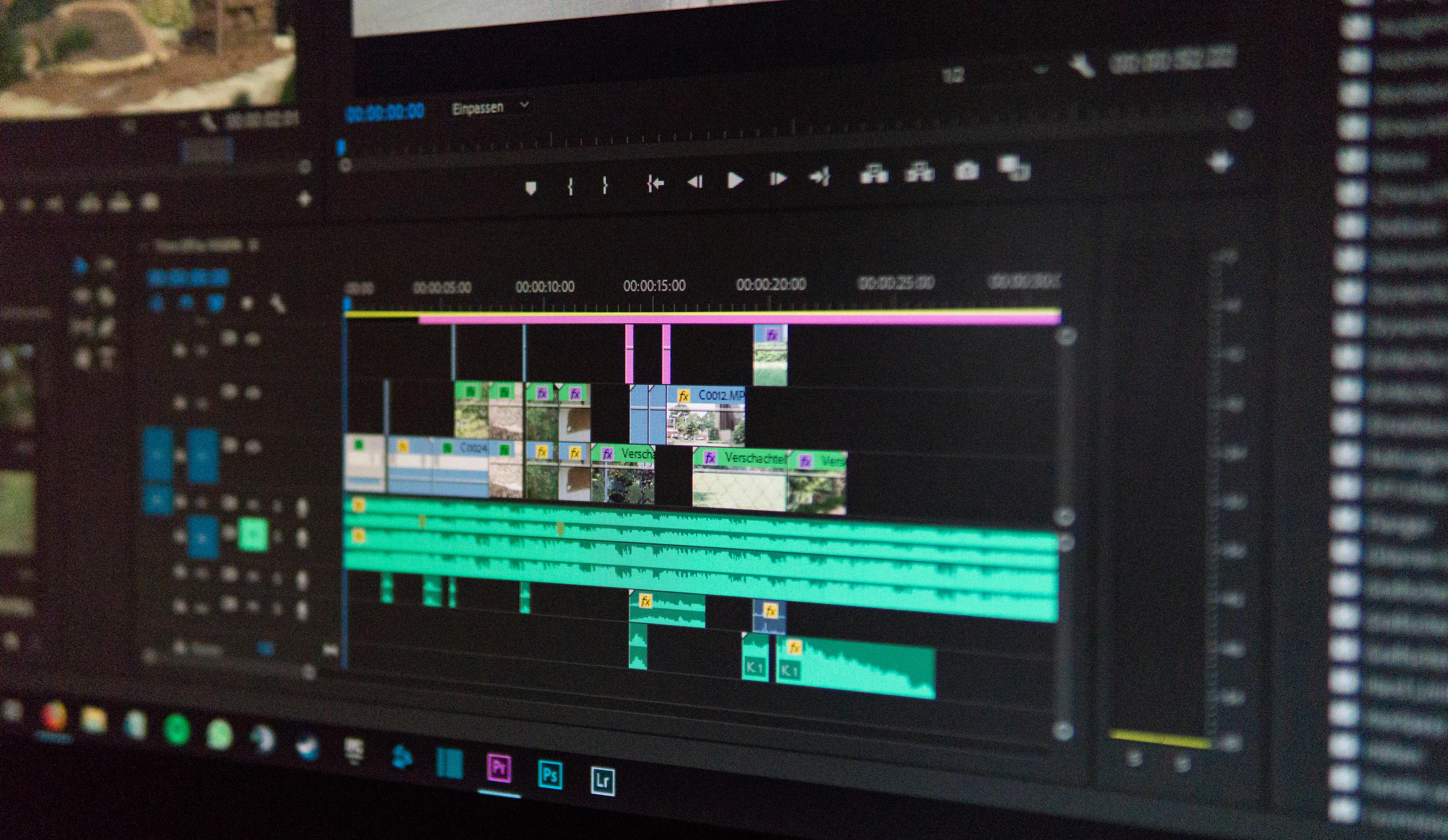
Digital video forensics is one of the most common and impactful domains of digital evidence. Video surveillance from public areas, private establishments, or even smartphones can be pivotal in court cases. However, video evidence can be misleading if not properly analyzed. Factors like resolution, frame rates, compression, and time-stamping can affect a video’s integrity.
Expert testimony in such cases explains whether the footage is authentic, if it has been edited or altered, and whether the content it shows is a fair representation of events. For example, an expert might testify about how facial recognition was used to identify a subject or clarify whether a time gap exists due to a camera malfunction.
Mobile Device Forensics: Beyond Call Logs
Mobile device forensics goes far beyond recovering call logs or text messages. Today’s smartphones are digital goldmines containing app usage data, search histories, photo metadata, geolocation tracking, and even biometric information. All this data can support or challenge narratives presented in court.
Experts in mobile device forensics must establish a clear chain of custody and proper acquisition techniques, often using specialized tools to extract information without altering the original data. Judges and juries need to understand how the data was collected, what it indicates, and how trustworthy it is.
For example, if a defendant is accused of being at a crime scene, geolocation data from a smartphone can either corroborate or dispute this claim. But without expert interpretation, such data might be misread or discredited due to misunderstandings.
Ensuring Admissibility and Reliability
One of the key responsibilities of a judge is to determine whether expert testimony is admissible under legal standards such as the Daubert or Frye tests. These standards assess whether the testimony is based on scientifically valid reasoning and whether the methodology used is widely accepted within the field.
For expert testimony in digital cases to be admissible:
- The tools and methods must be validated.
- The expert must demonstrate proper credentials and relevant experience.
- The process of data acquisition and analysis must be transparent and reproducible.
For example, if an expert presents findings from a mobile device, they must explain the extraction tools used, show that those tools are accepted in the digital forensics community, and confirm that the data hasn’t been corrupted or altered during analysis.

Educating Juries: The Need for Clarity
Jurors are not digital forensic analysts. Therefore, it is the responsibility of both attorneys and expert witnesses to ensure that technical testimony is communicated in an understandable way. This may involve:
- Breaking down terminology: Explaining terms like metadata, hash values, or bitstreams in plain language.
- Using visual aids: Charts, diagrams, and step-by-step animations can help jurors visualize data flows or device interactions.
- Providing context: Explaining why a particular piece of digital evidence is significant within the broader narrative of the case.
The credibility of expert testimony is often tied not just to the expert’s credentials, but also to how clearly and confidently they can communicate their findings.
Pitfalls to Watch Out For
While expert testimony in digital cases is invaluable, it is not immune to challenges:
- Bias: An expert seen as favoring the side that hired them may lose credibility with the jury.
- Overstatement: Experts must avoid suggesting conclusions beyond what the data supports.
- Technical Jargon: Excessive reliance on complex language can alienate jurors and weaken the impact of the testimony.
Judges must ensure that expert testimony adheres to ethical and procedural standards, and juries must remain alert to the line between interpretation and opinion.

At Eclipse Forensics, we specialize in delivering clear, credible, and court-admissible expert witness testimony across a range of digital disciplines. Whether your case involves digital video forensics, mobile device forensics, or complex data analysis, our team provides unbiased, scientifically validated insights that help judges and juries make informed decisions. With years of experience supporting both defense and prosecution, we ensure your digital evidence is accurately interpreted and professionally presented. When the outcome depends on what the data truly says, trust Eclipse Forensics—your partner in expert testimony in digital cases. Contact us today to learn how our specialists can support your legal strategy.