
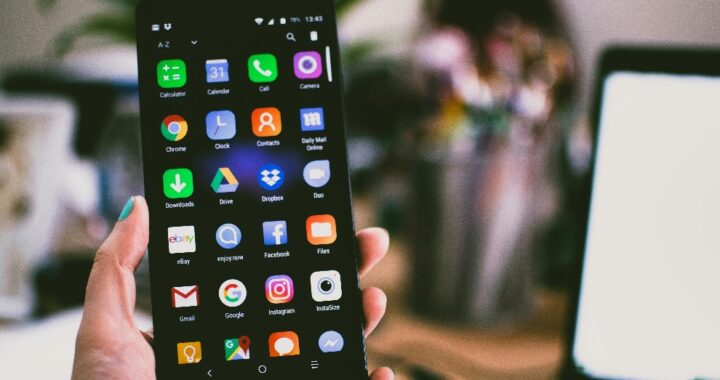
In an era where nearly everyone carries a recording device in their pocket, audio evidence is becoming more prominent in courtrooms. Whether it’s a voice message, a recorded phone call, or background audio captured in a video, such recordings can influence the outcome of a legal case. But how reliable is this type of evidence? That’s where audio authentication in legal cases plays a critical role. When properly analyzed and verified, audio can be a powerful tool. When not, it can undermine the integrity of a case.
The Importance of Audio Evidence
Audio evidence often provides a direct window into an event. It can offer insight into conversations, threats, agreements, or actions that are otherwise difficult to prove. But courts require this evidence to meet rigorous standards. If a recording is challenged, the court must determine whether it has been edited, manipulated, or misrepresented. This is where audio authentication becomes essential.
Defining Audio Authentication
Audio authentication is the scientific process of verifying that a recording is genuine and untampered. Specialists evaluate whether the audio was recorded on the device claimed, whether it has been edited, and whether it maintains a consistent waveform and metadata structure. This process ensures that the evidence is admissible and trustworthy.
In audio authentication in legal cases, experts analyze various aspects of a recording, such as background noise, audio compression artifacts, time stamps, and file metadata. They may use software tools to detect anomalies or alterations and establish the chain of custody to confirm the recording’s legitimacy.
The Role of Digital Video Forensics
Often, audio comes as part of a video file, which brings digital video forensics into play. This branch of forensic science focuses on the analysis and verification of video content, including embedded audio. Digital video forensics professionals look for inconsistencies in audio-visual synchronization, signs of tampering, and file structure integrity.
When audio and video work together, a forensic analysis of both is essential. Any mismatches or signs of manipulation—such as audio not aligning with lip movement or background sounds not matching the visual environment—can raise red flags. In legal cases, this could be the difference between a key piece of evidence being accepted or thrown out.
When Audio Backfires: A Case for Authenticity
Improper or unverified audio evidence can have devastating consequences in court. If one party claims the recording is manipulated, and there is no expert analysis to prove otherwise, the evidence may be deemed inadmissible. Worse, it could discredit the party that submitted it.
For example, in a criminal trial, a voice recording claiming to capture a confession could be crucial. But if the defendant argues it was spliced together from different conversations or taken out of context, only a thorough audio authentication process can validate its credibility. If authentication fails, the entire case might collapse.
Expert Witness Testimony: The Human Element
Technology alone isn’t enough. Courts require more than a software report; they need a qualified professional to interpret the data and explain its significance. That’s where expert witness testimony becomes invaluable.
An audio forensics expert can provide sworn testimony to explain how they authenticated the recording, what methods were used, and how they ruled out possible alterations. Their testimony can solidify the evidence in the eyes of the judge and jury.
These experts often come from backgrounds in audio engineering, linguistics, or forensic science. Their credibility and clear communication are key, especially in high-stakes cases involving fraud, harassment, or criminal activity.
Mobile Device Forensics and Audio Sources
Most modern audio recordings are captured via smartphones, which introduces another layer of complexity. Mobile device forensics involves extracting and analyzing data from cell phones, including deleted files, metadata, and application logs. This process can verify whether an audio file was actually created on a specific device and if it has been transferred, edited, or shared.
In legal cases, mobile device forensics can validate the origin of an audio file and reveal if it was recorded using native apps, third-party recorders, or external mics. The forensic examiner can also uncover hidden or deleted audio that may not have been voluntarily submitted in court.
Combining mobile device forensics with audio authentication provides a full-spectrum analysis, helping legal teams build a stronger case.
Challenges in Audio Authentication
While audio authentication offers powerful insights, it is not without its challenges. Background noise, poor recording quality, or compressed formats can obscure critical forensic markers. Similarly, sophisticated editing tools are becoming more accessible, making manipulation harder to detect.

Moreover, the legal landscape surrounding audio recordings varies by jurisdiction. In some states, recording without consent is illegal and inadmissible. In others, it may be accepted if one party to the conversation is aware. These nuances make expert consultation critical from the start of any case involving audio.
Real-World Applications of Audio Authentication
Audio authentication has played a pivotal role in numerous high-profile cases. From corporate fraud to criminal trials and civil litigation, the demand for verified recordings is growing. For example, whistleblower cases often hinge on recorded conversations with employers, while family law disputes may involve voicemail messages used as evidence of abuse or threats.
In such scenarios, verified audio can make or break a case. A properly authenticated recording can lend credibility to a claim or expose deceit. On the flip side, if the opposing side proves that the audio is altered or lacks a proper chain of custody, the case can fall apart.
The Future of Audio Forensics in the Legal System
As artificial intelligence and deepfake technology evolve, the line between real and fake becomes blurrier. This heightens the importance of robust audio authentication in legal cases. Legal professionals, judges, and juries must rely on forensic science to cut through digital deception.
We are also seeing the rise of proactive authentication tools embedded into recording devices. These tools generate cryptographic hashes or watermarks that help prove authenticity from the moment of recording.
Going forward, collaborations between legal professionals and forensic experts will become even more essential. Training, guidelines, and continuing education in digital video forensics, mobile device forensics, and expert witness testimony will be vital in maintaining the integrity of audio evidence.
At Eclipse Forensics, we specialize in uncovering the truth behind every sound and frame. Whether you’re handling a high-stakes criminal case or a sensitive civil matter, our services in audio authentication in legal cases, digital video forensics, and mobile device forensics provide the clarity and credibility your case demands. Our certified analysts offer in-depth examinations of recordings, identifying tampering, confirming authenticity, and delivering compelling expert witness testimony in FL that holds up in court. Don’t let questionable evidence jeopardize your case—trust Eclipse Forensics to validate the facts and support your pursuit of justice with scientific precision.