
Audio evidence can be the difference between uncertainty and clarity in an investigation. However, many recordings are far from perfect. Background noise, distortion, and low-quality capture often make conversations difficult to understand. This is where audio enhancement techniques play a crucial role. By refining and improving recordings, these methods transform unclear audio into reliable, intelligible evidence suitable for investigative and legal use.
In modern forensic work, enhanced audio is not just helpful. It is often essential. From law enforcement agencies to legal teams, professionals rely on advanced processes to extract meaningful information from compromised recordings.
Understanding the Importance of Audio Evidence
Audio recordings are widely used in investigations, including criminal cases, civil disputes, and corporate inquiries. These recordings may come from surveillance devices, mobile phones, security systems, or even casual voice memos. While they often capture critical information, their quality can vary significantly.
Poor audio quality can result from environmental noise, low-grade microphones, compression artifacts, or improper handling. Without enhancement, these recordings may be dismissed as unreliable or unusable. However, with the expertise of a forensic audio specialist, even heavily degraded recordings can be clarified and preserved for evidentiary purposes.
What Are Audio Enhancement Techniques?
Audio enhancement techniques involve a series of scientific and technical processes designed to improve the clarity, intelligibility, and overall quality of an audio recording. These techniques do not alter the original content. Instead, they focus on isolating and amplifying meaningful elements while minimizing unwanted noise.
Professionals trained in audio forensic services apply these techniques using specialized software and analytical tools. Their goal is to ensure that speech is as clear as possible without compromising the integrity of the recording.
Common Challenges in Audio Recordings
Before enhancement begins, it is important to understand the challenges that typically affect audio recordings:
Background Noise
Environmental sounds such as traffic, wind, machinery, or crowd chatter can mask important audio elements.
Low Volume or Distance
Speakers recorded from a distance may sound faint or indistinct, making it difficult to identify words or voices.
Distortion
Overloaded microphones or poor recording devices can introduce distortion, reducing clarity.
Overlapping Voices
Multiple speakers talking simultaneously can create confusion and reduce intelligibility.
Compression Artifacts
Digital compression can degrade audio quality, especially in recordings from messaging apps or surveillance systems, leaving behind compression artifacts that can be detected by audio forensic specialists.
Addressing these issues requires a combination of expertise and advanced processing techniques.
Key Audio Enhancement Techniques Used in Forensics
Noise Reduction
Noise reduction is one of the most fundamental techniques in audio enhancement. It involves identifying consistent background noise and removing or minimizing it without affecting the primary speech signal. This process helps isolate voices and improve overall clarity.
Equalization
Equalization adjusts the balance of frequencies within a recording. By enhancing certain frequency ranges where speech is most prominent, professionals can make dialogue clearer and more intelligible.
Filtering
Filtering removes unwanted frequencies, such as low-frequency hums or high-frequency hiss. This targeted approach allows investigators to focus on relevant audio components.
Dynamic Range Compression
Dynamic range compression balances volume levels within a recording. It amplifies quieter sounds while controlling louder ones, ensuring that speech remains consistent and audible throughout.
Spectral Editing
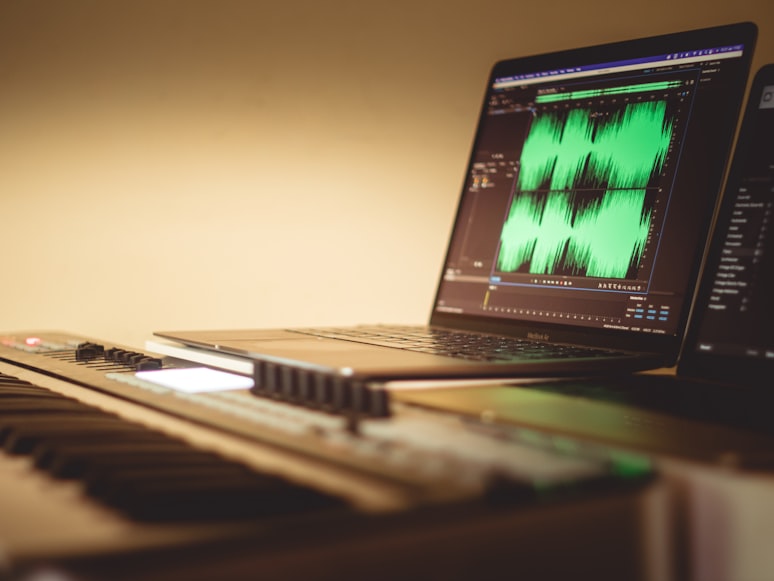
Spectral editing provides a visual representation of audio frequencies, allowing experts to isolate and remove specific noises or enhance particular sounds. This technique is especially useful for separating overlapping voices.
Voice Isolation
Voice isolation focuses on separating speech from background noise. Advanced algorithms can distinguish between human speech patterns and other sounds, making it easier to identify speakers and understand conversations.
These techniques, when applied by an experienced audio forensic expert, can significantly improve the usability of even the most challenging recordings.

The Role of Technology in Audio Enhancement
Modern audio enhancement relies heavily on advanced software and digital tools. These systems use algorithms and machine learning to analyze audio patterns and identify areas for improvement. While technology plays a vital role, human expertise remains essential.
A skilled digital forensic engineer understands how to apply these tools effectively while maintaining the integrity of the original recording. This balance between automation and human judgment ensures accurate and reliable results.
Maintaining Evidence Integrity
One of the most critical aspects of forensic audio enhancement is preserving the authenticity of the original recording. Any modification must be carefully documented to ensure that the evidence remains admissible in court.
Professionals follow strict protocols, including:
- Creating a verified copy of the original recording
- Documenting every step of the enhancement process
- Avoiding any alterations that could misrepresent the content
- Providing detailed reports and analysis
This meticulous approach ensures that enhanced audio can withstand legal scrutiny.

Applications in Investigations
Audio enhancement techniques are used in a wide range of investigative scenarios:
Criminal Investigations
Law enforcement agencies use enhanced audio to identify suspects, verify statements, and uncover critical details.
Legal Proceedings
Attorneys rely on clear audio evidence to support arguments and present facts in court.
Corporate Investigations
Businesses use audio analysis to investigate internal disputes, fraud, or compliance issues.
Surveillance Analysis
Enhanced recordings from surveillance systems can reveal important conversations and interactions.
In many cases, audio evidence is combined with insights from a forensic video analysis expert, creating a comprehensive understanding of events.
Collaboration with Other Forensic Disciplines
Audio forensics rarely operates in isolation. It often intersects with other areas of digital investigation, such as mobile device forensics and computer analysis. For example, extracting audio from a smartphone may require specialized cell phone forensic services before enhancement can begin.
This collaborative approach ensures that all relevant evidence is collected, analyzed, and presented effectively.
The Legal Value of Enhanced Audio
For audio evidence to be admissible in court, it must meet specific standards. These include authenticity, reliability, and relevance. Enhanced recordings must clearly represent the original content without distortion or misinterpretation.
Experts often provide testimony to explain their methods and findings. Their role is to demonstrate how the enhancement process improved clarity while preserving accuracy. This testimony can be crucial in helping judges and juries understand complex audio evidence.

Ethical Considerations in Audio Enhancement
Ethics play a significant role in forensic audio work. Professionals must ensure that their methods do not introduce bias or alter the meaning of the recording. Transparency and accountability are essential throughout the process.
A qualified audio forensic expert adheres to strict ethical guidelines, ensuring that their work supports the pursuit of truth rather than influencing outcomes.
Choosing the Right Forensic Partner
Selecting a reliable forensic provider is essential for achieving accurate results. Organizations should look for professionals with:
- Proven experience in audio enhancement
- Advanced technical expertise
- Knowledge of legal standards and procedures
- Clear documentation and reporting practices
- Strong reputation in forensic analysis
Working with a trusted partner ensures that audio evidence is handled with care and precision.
The Future of Audio Enhancement
Advancements in technology continue to shape the field of audio forensics. Artificial intelligence and machine learning are enabling more precise noise reduction, voice recognition, and speech enhancement. These innovations are expanding the possibilities for analyzing complex recordings.
Despite these advancements, the human element remains indispensable. Expertise, judgment, and ethical responsibility are critical factors that technology alone cannot replace.

Audio recordings are powerful tools in modern investigations, but their effectiveness depends on clarity and accuracy. Through advanced audio enhancement techniques, unclear recordings can be transformed into valuable evidence that supports truth and accountability.
By combining technical expertise, ethical practices, and cutting-edge technology, forensic professionals ensure that every word captured in a recording can be understood and trusted. As the demand for reliable audio evidence continues to grow, the importance of skilled forensic analysis will only increase.
Discover the Difference Expert Forensic Analysis Makes in Critical Audio Evidence
At Eclipse Forensics, we understand the importance of clear and reliable audio evidence. Our team includes experienced forensic audio specialists, skilled digital forensic consultants, and trusted experts in forensic video analysis and other forensic video services.
We use advanced tools and proven methodologies to transform unclear recordings into valuable investigative assets. Whether supporting legal teams or corporate investigations, we are committed to delivering precise, defensible results.
By combining technical expertise with meticulous attention to detail, we help ensure that every piece of evidence is clear, accurate, and ready for scrutiny. Partner with us to strengthen your case with confidence.