
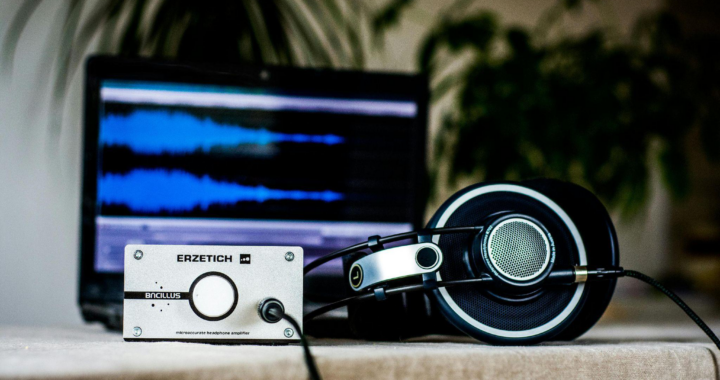
Recordings influence countless legal disputes, which is why forensic audio authentication has become a crucial safeguard. Many cases include audio captured on phones, smart devices, or portable recorders, and each file must be examined carefully to ensure its content reflects an unaltered event. When authenticity is unclear, the credibility of the evidence can be at risk.
Why Forensic Audio Authentication Plays a Vital Role in Modern Cases
Recordings surface in criminal investigations, workplace disputes, family law matters, and civil claims. In its guidance on recorded conversations, the U.S. Department of Justice states that a recording must be shown to be accurate and free from alteration before it can be admitted as evidence. This requirement exists because digital files are vulnerable to edits, intentional cuts, or accidental corruption.
Forensic audio authentication gives investigators, attorneys, and courts a way to confirm whether a recording is complete and genuine. By examining the structure of the file, an expert can determine if the audio captures events as they occurred or if edits may have changed the meaning of the conversation.
Common Signs of Tampering That Experts Are Trained to Identify
Many forms of audio manipulation leave behind technical traces that trained examiners can identify. Research published by the Audio Engineering Society explains that edits can interrupt the natural flow of ambient noise, waveform continuity, or spectral patterns.
Examples of edit indicators include:
- Abrupt shifts in background sound that do not match the surrounding environment
- Odd gaps between spoken phrases or irregular spacing
- Changes in reverberation that do not align with the room’s acoustics
- Frequency transitions that differ from the rest of the recording
These discrepancies can signal splicing, insertion, deletion, or re-recording. Even subtle changes may influence a listener’s interpretation of tone, context, or intent.
How Experts Examine a Recording Beyond What the Ear Can Detect
Many edits go unnoticed in normal playback, which is why audio forensic services rely on detailed technical examinations. Analysts study characteristics such as waveform irregularities, bitrate shifts, encoding artifacts, and DC offset deviations. These elements reveal hidden clues about how the file was created and whether it has been modified.
Spectrographic analysis is a foundational part of forensic audio examinations because it exposes inconsistencies that cannot be heard unaided. This type of analysis evaluates frequency content over time, making it possible to identify sections that behave differently from the rest of the file.
Authentication focuses on evaluating the original material, not altering it. Experts preserve the source file and document their findings so the evidence remains reliable for legal review.
Why Authenticity Matters for Attorneys, Judges, and Investigators
Federal Rule of Evidence 901 requires proof that a recording is genuine before being presented in court. Authenticity provides clarity for attorneys preparing strategy, helps judges evaluate statements fairly, and supports investigators who need dependable evidence for their reports.
Even small edits can distort meaning. A missing second of speech or an inserted sound can influence how a conversation is interpreted. Forensic audio authentication ensures those issues are identified before the recording is relied upon in any legal setting.
Contact Eclipse Forensics for Reliable Audio Authentication Support
If you have a recording that raises concerns about tampering, Eclipse Forensics can help you understand its true condition. Our specialists conduct detailed examinations and provide clear, court-ready conclusions that explain whether a file has been altered. We assist attorneys, investigators, and individuals who need dependable answers about their audio evidence.
Reach out for a confidential review or to discuss how our team can support your case with precision and clarity. Call us at (904) 797-1866 or contact us online today for support.