
A strong case is not just about what evidence is presented; it’s about how that evidence is understood. In today’s courtroom, digital evidence can involve massive volumes of video files, complex audio logs, metadata, device extractions, or cyber-trace analysis. However, juries and even judges often struggle to grasp the technical depth behind this material fully.
That gap between technical truth and legal clarity can determine whether a piece of evidence is persuasive or dismissed as too complex to be trusted. Here’s why forensic testimony in court has become a cornerstone of modern litigation.
The Rising Role of Forensic Testimony in Modern Trials
- Why It Matters More Today
Courtrooms have always relied on expert witnesses, but the stakes are higher now. Deepfakes, digital manipulation, cyber breaches, and encrypted mobile devices make raw evidence harder to interpret without context. Forensic testimony in court helps judges and juries understand not just what happened, but how it can be verified.
Research notes that digital evidence can be “fragile” in court, often facing skepticism or inadmissibility when not properly authenticated. A digital forensic consultant provides that authentication, explaining how evidence was collected, why it’s reliable, and how tampering risks were controlled.
- The Daubert and Frye Gatekeeping Standards
Under U.S. law, scientific evidence must meet Daubert or Frye standards. That means evidence must be:
- Based on a reliable methodology.
- Relevant to the case at hand.
- Properly applied to the facts.
- Presented by a qualified expert.
A cyber forensic expert is essential to meet these criteria. They don’t just hand over reports; they explain why those reports meet evidentiary rules, why their methods are standard in the forensic field, and how the results can be verified independently.
From Data to Narrative: How Experts Strengthen the Legal Argument
- Translating Technical Evidence for the Court
A key value of expert testimony lies in translation. Imagine presenting terabytes of cell phone extraction logs, IP trace data, or video files to a jury. Without an expert, this evidence risks becoming incomprehensible. A data forensic expert breaks down this complexity by:
- Explaining how cell phone searching is conducted and documented.
- Demonstrating how metadata proves authenticity.
- Showing why an audio file is reliable or manipulated.
- Detailing the chain of custody and security of evidence.
When jurors understand the logic behind the evidence, they’re more likely to trust it. Research has shown that jurors who receive clear explanations from experts exhibit higher comprehension and recall.
- Building Logical Connections Between Evidence
In complex investigations, multiple types of evidence may converge: surveillance video, mobile device data, audio recordings, and digital network logs. A digital forensic engineer plays a crucial role in stitching these threads together.
For example:
- Video forensic services can reveal manipulation, timestamp inconsistencies, or hidden edits.
- Mobile device forensics can tie those videos to specific devices or accounts.
- Audio forensic services can match voices, confirm background noise integrity, or identify tampering.
- Countering Cross-Examination and Skepticism
Opposing counsel often attacks evidence on grounds of credibility. They might claim the evidence was mishandled, poorly analyzed, or unreliable. A well-prepared forensic expert is trained not just to present findings but to withstand scrutiny.
Common lines of defense include:
- Alleging that the video or audio was altered.
- Questioning the reliability of the forensic tool.
- Suggesting a break in the chain of custody.
An expert neutralizes these tactics by:
- Explaining every step of the forensic process.
- Citing recognized standards or peer-reviewed methodologies.
- Clarifying the limits and strengths of their conclusions.
This transforms forensic evidence from a potential liability into a legal asset.
Types of Testimony that Strengthen Cases
- Forensic Video and Digital Imaging
With the rise of synthetic media and deepfakes, courts are placing increasing emphasis on digital video forensics. A forensic video analysis professional can:
- Authenticate digital footage.
- Identify compression artifacts or tampering.
- Correlate timecodes with external data.
- Demonstrate visual inconsistencies to jurors.
According to research, manipulated videos often go unnoticed by laypersons, but trained experts can identify them with up to 90% accuracy.
Audio Forensics and Voice Authentication
Audio recordings are increasingly common in civil and criminal cases. But admissibility depends on reliability. Audio forensic services analyze:
- Waveform integrity.
- Background noise patterns.
- Voice consistency.
- Evidence of splicing or alteration.
Their testimony can make the difference between a dismissed recording and one that carries weight in the jury’s mind.
Mobile Device and Cell Phone Forensics
Cell phones are now central to most investigations. A digital forensic engineer can extract critical information:
- GPS and geolocation logs.
- Messaging and call records.
- Deleted files and chat history.
- Linkages between devices and media.
When presented effectively, these details can corroborate or disprove key elements of a case narrative. Courts increasingly rely on forensic cell phone data recovery and mobile analysis to establish timelines.
Computer and Cyber Forensics
A cyber forensic expert examines:
- Network activity and breach trails.
- File manipulation timelines.
- Metadata integrity.
- Digital footprints tying individuals to actions.
Their expertise is crucial in complex cybercrime, intellectual property, or fraud cases. Well-structured testimony from computer forensics consultants can make digital trails legally clear and persuasive.
Building Credible Testimony: What Makes It Work
- Qualifications Matter
Courts evaluate not just what the expert says, but who the expert is. Factors like certification, peer-reviewed publications, field experience, and previous testimony influence admissibility and jury trust.
A forensic expert with relevant certifications, specialized training, or proven case experience carries weight in the courtroom.
- Documentation and Chain of Custody
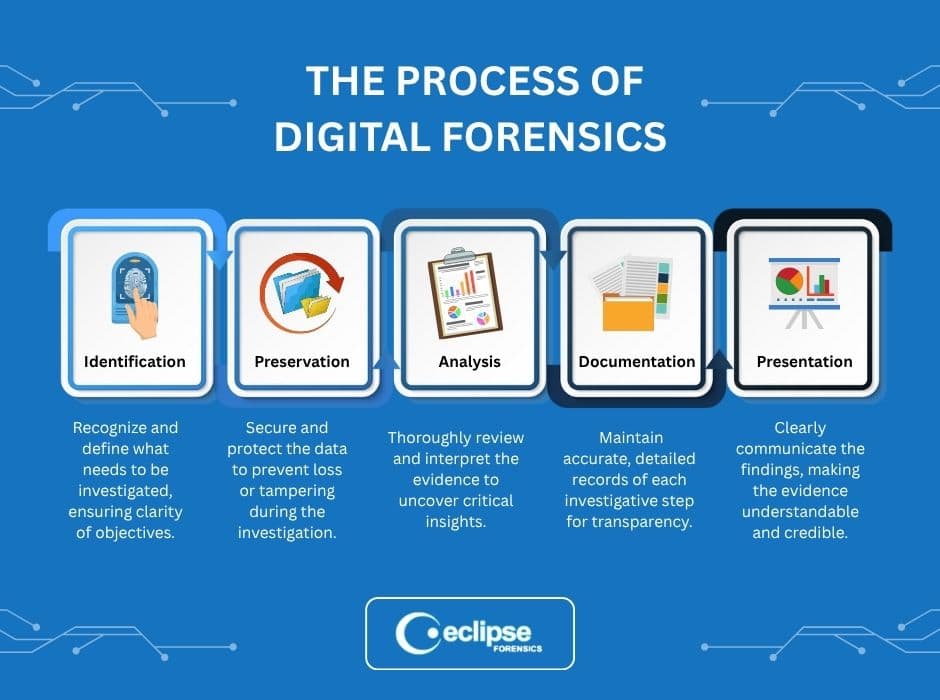
Without a clear forensic record, even good testimony can collapse. Experts must maintain:
- Acquisition logs.
- Hash verification records
- Tool versioning and settings.
- Timeline of evidence handling.
This ensures that their testimony stands on solid procedural ground.
- Clarity and Neutrality
Persuasive forensic testimony isn’t about advocacy; it’s about credibility. Experts who appear neutral, transparent about methodology, and clear about limitations are perceived as more trustworthy.
This is particularly important in fields where the technical aspects can easily overwhelm non-specialists.
The Future of Forensic Testimony
The legal landscape is evolving fast. Emerging technologies, such as deepfakes, AI-generated audio, and encrypted messaging platforms, will make expert testimony even more central. Judges and juries will depend on experts to authenticate video forensics, validate digital timelines, and interpret increasingly complex data sources.
Legal scholars predict that forensic expertise will become a minimum expectation in complex digital evidence cases, not an exception. This shift means both attorneys and forensic professionals must continually adapt, ensuring their testimony remains legally and scientifically sound.
Strengthening Legal Strategies with Trusted Forensic Expertise
In today’s legal landscape, complex technical data alone isn’t enough to secure a strong courtroom position. Judges and jurors need evidence presented with precision, credibility, and clarity. That’s where the role of a cyber forensic expert becomes pivotal.
Their testimony translates intricate digital findings into compelling narratives that reinforce the facts of a case, often making the difference between admissible evidence and dismissed claims. From mobile logs and surveillance video to encrypted communications and audio files, the right expertise ensures the truth is not just uncovered, but also clearly understood.
This is where Eclipse Forensics delivers exceptional value. Our team provides a full range of digital forensic services, ranging from forensic video analysis and audio forensic services to mobile device forensics and cell phone data recovery.
With state-of-the-art technology and certified specialists, we support attorneys and law enforcement by transforming technical findings into credible courtroom testimony.
When legal outcomes depend on clarity, accuracy, and trust, expert testimony isn’t optional; it’s essential. Strengthen your case with forensic specialists who understand both the science and the strategy behind persuasive evidence. Contact us today to connect with experienced experts who can help turn complex data into courtroom strength.