
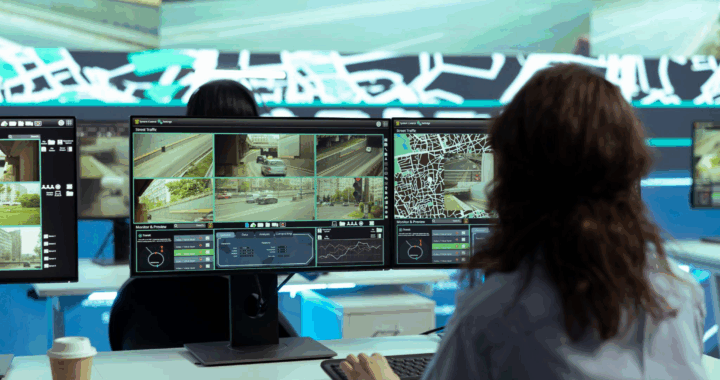
In any forensic case involving digital recordings, video evidence holds powerful weight. However, the actual footage is only part of the equation. The hidden data embedded in video files—known as metadata—often plays a more influential role in determining authenticity, sequence, and context. Professionals offering video forensic services rely heavily on this technical information to strengthen investigations and produce verifiable evidence.
What Metadata Reveals in Video Files
Metadata refers to the information automatically recorded by a device when a video is captured. This may include timestamps, GPS coordinates, device make and model, compression formats, frame rates, and resolution settings. When properly analyzed, this data can confirm the exact time and location of a recording, the identity of the device used, and whether the footage has been altered or edited.
A forensic video analysis expert can review these digital details to assess whether the video is original or has undergone manipulation.
Timestamps and Synchronization
One of the most important elements of metadata in video forensics is the timestamp. Timestamps record when each frame was created. They help establish an accurate timeline of events, particularly in cases where multiple videos from different sources are involved. Comparing and synchronizing timestamps can verify if separate recordings are capturing the same event from different angles, or if one video contradicts another.
This synchronization process becomes even more relevant in legal cases requiring expert witness testimony, where the sequence of events must be logically presented and supported by digital proof.
Device IDs and Camera Details
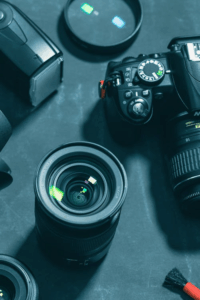
Every recording device carries a digital signature, whether through serial numbers, firmware details, or unique device IDs. These identifiers are often embedded in the metadata and allow specialists to confirm the origin of a video. If a video purports to be recorded by a surveillance system but the metadata shows a mobile phone’s ID, the authenticity comes into question.
Such analysis becomes especially important when investigators need to authenticate video forensics submitted during litigation or internal audits. By linking metadata to specific equipment, digital video forensics experts can support or refute claims about how and where a video was recorded.
GPS Coordinates and Location Verification
Many modern devices, including smartphones and certain surveillance systems, embed GPS coordinates directly into video metadata. These coordinates can pinpoint the recording location with surprising accuracy, which is critical when proving or disproving someone’s presence at a specific site.
This level of detail is often used by a cyber forensic expert in civil or criminal cases, providing geographical context that may not be visually evident in the footage.
Building a Stronger Case Through Digital Precision
Analyzing metadata in video forensics allows professionals to look beyond the visuals and into the structure of the video itself. From verifying authenticity to confirming sequence and location, metadata provides a layer of verification that raw footage alone cannot offer. Whether the case demands digital video forensics, authentic audio forensics, or assistance from a forensic video analysis expert in Florida, professional support helps ensure the evidence stands on solid ground. For dependable analysis backed by real-world expertise, reach out to Eclipse Forensics.
Contact us today.